

When to Plant Pumpkins Nc
Written with AI assistance, edited and checked against horticultural sources.
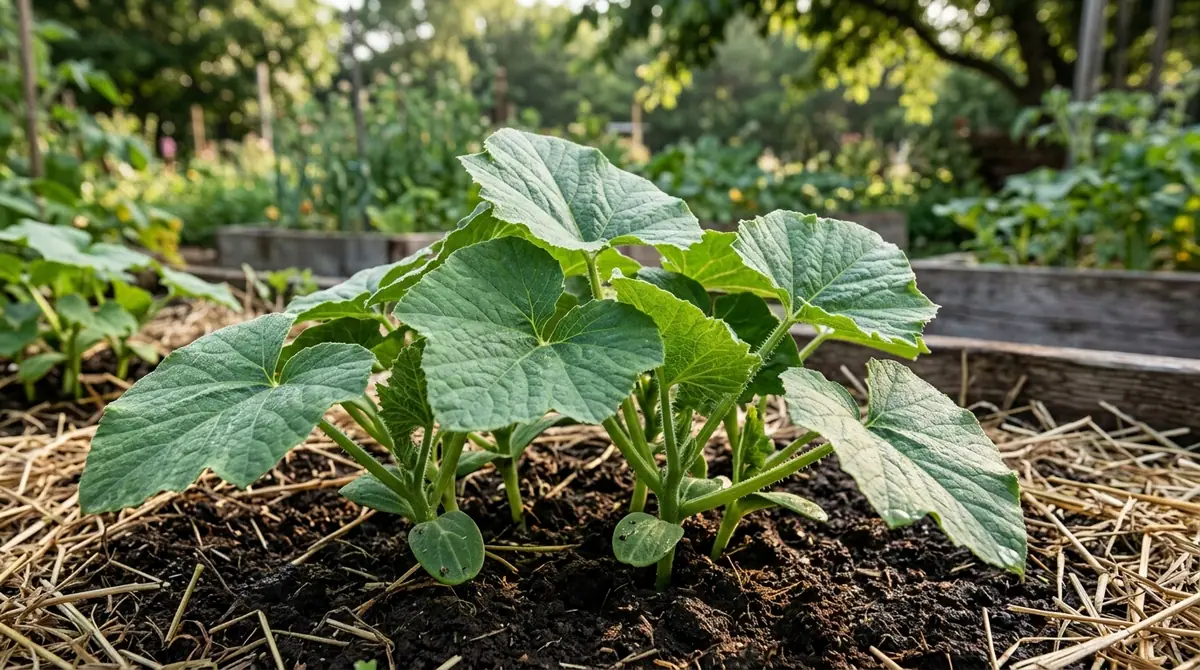
Heavy downpours can swamp newly seeded patches of pumpkins while heritage jack-o'-lanterns down slopes throw out rampant, golden-blossomed vines. Timing pumpkin sowing is less about a single calendar date and more about reading microclimates between mountain ranges and coastal banks.
1. Botanical Overview & Natural Habitat
In North Carolina, spanning USDA Hardiness Zones 6a through 8b, pumpkins behave as quintessential warm-season crops. They rely on insect pollination—primarily by squash bees (Peponapis pruinosa) and honeybees—to set fruit. Their large, lobed leaves feature rough trichomes that deter some generalist herbivores, while their extensive, shallow root systems capture moisture and nutrients rapidly from the top 12 to 18 inches (30 to 45 cm) of soil. If you are comparing their root architecture to other garden vegetables, you might find it helpful to review how deep pepper plant roots go when planning your companion planting layouts.
Understanding their native environment helps us replicate those conditions in NC red clay or sandy coastal soils. Pumpkins demand high fertility and unobstructed sunlight to fuel their rapid biomass accumulation, which can exceed several feet of vine growth per week during peak summer.
2. Essential Environmental & Care Requirements
To successfully grow pumpkins in North Carolina, you must balance temperature, soil composition, and hydration. North Carolina summers are notorious for high humidity, which can stress cucurbits if airflow is restricted.
- Temperature: Seeds germinate poorly in cold earth. Soil temperatures must reach at least 70°F (21°C), though the sweet spot for rapid germination is 85°F (29°C). Ambient air temperatures thrive between 75°F and 95°F (24°C to 35°C).
- Sunlight: Provide a minimum of 6 to 8 hours of direct, unfiltered sunlight daily. Shaded vines produce leggy growth, fewer female flowers, and watery fruit prone to rot.
- Soil Composition: Pumpkins demand a loamy, well-draining soil rich in organic matter, with an optimal pH between 6.0 and 6.8. In heavy NC Piedmont clay, amend beds heavily with compost; in sandy coastal soils, incorporate aged manure to improve water retention.
- Watering: Provide 1 to 2 inches (2.5 to 5 cm) of water weekly, increasing this volume during fruit set. Always water at the base of the plant rather than overhead to prevent foliar fungal pathogens.
| Parameter | Optimal Condition | Common Mistake | Why It Matters |
|---|---|---|---|
| Soil Temperature | 70°F–85°F (21°C–29°C) | Planting before the last frost while soil is cold and wet. | Cold, wet soil causes seeds and tender taproots to rot before germination occurs. |
| Soil pH | 6.0 – 6.8 | Ignoring soil tests in acidic Piedmont clay (pH < 5.5). | Low pH locks up essential calcium and phosphorus, leading to blossom end rot. |
| Sunlight | 8+ hours direct sun | Planting in partial shade under tree canopies. | Insufficient light halts photosynthesis, reducing sugar content in the developing fruit. |
| Spacing | 4 to 6 feet (1.2 to 1.8 m) apart for bush; 10 to 15 feet (3 to 4.5 m) for vining | Crowding plants to save garden space. | Dense canopies trap humidity, triggering devastating outbreaks of powdery mildew. |
3. Step-by-Step Cultivation, Feeding & Propagation
Getting your timing right in North Carolina depends heavily on your region. In the mountain counties (Zone 6), sow seeds in late May to avoid late freezes. In the Piedmont (Zones 7a-7b), target early to mid-June. In the Coastal Plain (Zones 8a-8b), you can push planting into late June or early July to ensure your pumpkins mature during the slightly cooler autumn days rather than the peak heat of August. For those managing multiple seasonal crops, proper transition planning is vital; similar care must be taken when managing vegetable succession, such as when to transplant cucumber seedlings without throwing them into shock.
💡 Pro-Tip: If you live in the NC Coastal Plain where summer temperatures routinely exceed 95°F (35°C), delay your pumpkin planting until early July. This ensures your plants set fruit in September when daytime highs drop, preventing heat-induced blossom drop.
Follow this sequential protocol for direct-sowing or transplanting your pumpkin crop:
- Site Selection and Soil Prep: Clear an area that receives full sun. Turn the soil to a depth of 12 inches (30 cm) and incorporate a 3-inch (7.6 cm) layer of aged compost and balanced organic fertilizer.
- Forming Hills: Shape the amended soil into raised mounds or "hills" roughly 3 feet (90 cm) wide and 8 inches (20 cm) tall. Raised hills improve soil drainage and warm up faster in the spring sun.
- Seed Sowing Depth: Plant 4 to 6 seeds per hill at a depth of 1 inch (2.5 cm). Press the soil gently to ensure good seed-to-soil contact.
- Thinning the Seedlings: Once seedlings reach 3 to 4 inches (7.5 to 10 cm) tall and display their true leaves, snip away the weaker plants with clean shears. Leave the 2 strongest vines per hill to prevent root competition.
- Mulching: Apply a thick layer of clean straw or shredded hardwood mulch around the base of the emerging plants to suppress weeds and retain soil moisture during dry spells.
- Fertilization Management: Feed plants a high-nitrogen organic fertilizer when vines begin to run. Transition to a low-nitrogen, high-phosphorus and potassium fertilizer (such as a 5-10-10 blend) once female blossoms appear to encourage fruit development over excessive vine growth.
⚠️ Important Caution: Never apply high-nitrogen fertilizers after your pumpkins begin to set fruit. Excessive nitrogen will force the plant to aggressively push vegetative vine growth at the expense of developing fruit, often causing developing pumpkins to abort.
4. Common Problems, Pests & Troubleshooting
Growing pumpkins in North Carolina's humid climate presents distinct plant health challenges. Recognizing symptoms early saves the harvest.
- Powdery Mildew (Podosphaera xanthii): This fungal disease appears as white, powdery spots on upper and lower leaf surfaces. It thrives in high humidity and stagnant air. Prevent it by spacing vines adequately and applying preventative bio-fungicides like copper soap or Bacillus subtilis at the first sign of summer humidity.
- Squash Vine Borer (Melittia cucurbitae): A devastating pest in NC gardens, the adult moth lays reddish eggs at the base of the stems. The larvae tunnel inside the vine, causing sudden wilting. Inspect stems for entry holes and frass (sawdust-like droppings). Slice the stem lengthwise to remove the borer, then bury the wounded stem node in moist soil to encourage rooting.
- Blossom End Rot: A physiological disorder caused by calcium deficiency or erratic watering schedules, resulting in sunken, black leathery patches on the bottom of the fruit. Maintain consistent soil moisture and ensure your soil pH stays above 6.0 to keep calcium bioavailable.

5. Frequently Asked Questions
What exact month should I plant pumpkins in North Carolina?
In most of North Carolina, the optimal planting window is mid-to-late June. Mountain regions (Zone 6) should plant in late May to early June, while coastal growers (Zones 8) can wait until early July so fruit matures during milder autumn weather.
Can I start pumpkin seeds indoors in NC?
You can start seeds indoors in peat pots 3 to 4 weeks before your last frost date, but do so with caution. Pumpkins have sensitive taproots that resent root disturbance. Transplant them outdoors carefully while they are still young to avoid transplant shock.
How long does it take for pumpkins to grow in North Carolina?
Most standard pumpkin varieties require between 90 and 120 days from direct seeding to harvest, depending on the cultivar. Miniature varieties mature faster in roughly 80 to 90 days, while giant prize pumpkins can take up to 130 days.
Why are my pumpkin flowers falling off without making fruit?
The first flowers to appear are almost always male, which naturally drop off after releasing pollen. Female flowers, identifiable by a miniature swollen pumpkin at the base of the bloom, appear a week or two later. If female flowers drop, it is usually due to a lack of pollination or extreme heat stress.
Related Guides
- When to Pick Pumpkins Off Vine
- When to Plant Pumpkins in Southern California
- When to Plant Pumpkins in Texas
- When to Plant Pumpkins in Tennessee
- When to Plant Pumpkins in South Carolina
- When to Plant Pumpkins in Nc
- When to Plant Pumpkins in Ky
- How Many Pumpkins Per Plant
📋 Table of Contents ▼ Click to expand
Tags:
Keep reading
🌿 Related Plants You Might Like






PlantSavvyWorld
Editorial team
PlantSavvyWorld is an independent botanical education project. Articles are drafted with AI assistance, then edited and checked against university extension services, botanical garden collections and other published horticultural sources.