

When to Plant Pumpkins in South Carolina
Written with AI assistance, edited and checked against horticultural sources.
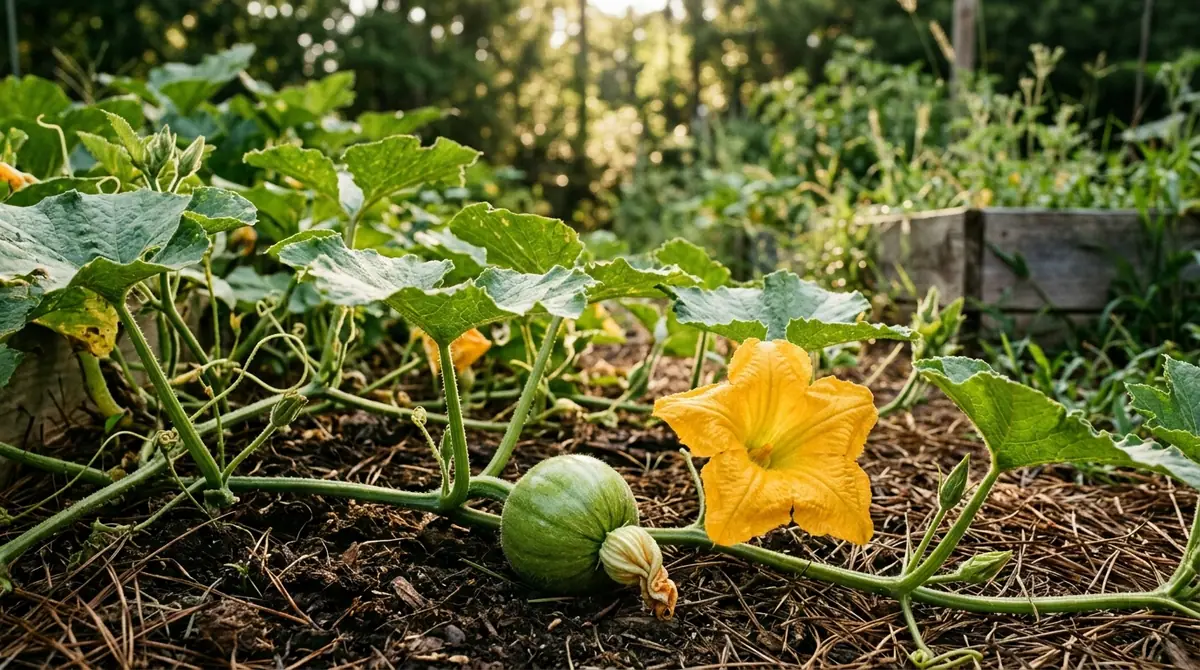
Sweat was dripping off the brim of my straw hat onto a patch of damp Palmetto State clay as I pressed my first batch of 'Howden' pumpkin seeds into the earth near Columbia, misjudging the relentless humidity and losing half my vines to powdery mildew before August even rolled around.

1. Botanical Overview & Natural Habitat
Pumpkins belong to the genus Cucurbita, which encompasses several species of vining annual plants native to the Americas. Most common pumpkins—including the iconic Cucurbita pepo—trace their evolutionary origins to semi-arid and subtropical regions of Mesoamerica, where they evolved alongside ancient polyculture agricultural systems like the Three Sisters.
Understanding this ancestral habitat explains why South Carolina's climate can be both a blessing and a curse. Pumpkins thrive in heat and high solar radiation, but they are genetically adapted to environments where moisture drains rapidly through coarse, highly organic soils. When high humidity meets stagnant air, wild iterations of these plants struggle with fungal pathogens.
In South Carolina's USDA Hardiness Zones 7a through 9a, pumpkins behave as tender warm-season annuals. They possess an extensive, aggressive root system capable of scavenging water and nutrients over wide areas—a trait they share with other vigorous Cucurbitaceae like those discussed in our When to Transplant Cucumber Seedlings: Stop Root Shock & Boost Growth guide. However, unlike root vegetables that require specific below-ground depth planning, such as the subterranean parameters outlined in How Deep Do Pepper Plant Roots Go? Pot Size & Substrate Depth Guide, pumpkin roots spread outward horizontally in the top 12 to 18 inches (30 to 45 cm) of soil to capture maximum oxygen and nutrients.
2. Essential Environmental & Care Requirements
To successfully cultivate pumpkins in South Carolina, you must balance temperature, sunlight, and moisture tolerances. Pumpkins cannot tolerate frost; soil temperatures must consistently reach 65°F to 70°F (18°C to 21°C) before direct sowing.
South Carolina experiences two distinct growing windows depending on your geographic region:
- Upstate (Zones 7a–7b): Plant seeds between June 1 and June 20. This targets a harvest in late September or October, allowing the fruit to mature as daytime temperatures moderate into the 75°F–85°F (24°C–29°C) range.
- Midlands and Lowcountry (Zones 8a–9a): Plant seeds between June 15 and July 5. Planting any earlier exposes the developing fruit to the absolute peak of the oppressive July and August heat, which causes blossom drop and sunburned rinds.
| Parameter | Optimal Condition | Common Mistake | Why It Matters |
|---|---|---|---|
| Soil Temperature | 65°F–70°F (18°C–21°C) | Planting in cold spring soil (below 60°F / 15°C) | Seeds rot before germinating; early root development stalls. |
| Sunlight | Full sun (6–8+ hours daily) | Shading by taller landscape plants or trees | Reduces photosynthetic capacity, stunting fruit sugar development. |
| Soil pH | 6.0 to 6.8 | Highly acidic Carolina clay (pH < 5.5) | Locks out essential macronutrients like phosphorus and calcium. |
| Watering Volume | 1 to 2 inches (2.5 to 5 cm) per week | Overhead sprinkler irrigation on leaves | Wet foliage is the primary catalyst for downy and powdery mildew. |
For deep regional insights backed by agricultural research, consult the Clemson University Cooperative Extension Service, which provides invaluable localized guidance for South Carolina growers.
3. Step-by-Step Cultivation, Feeding & Propagation
Growing exhibition-grade pumpkins requires strict adherence to a multi-stage planting and maintenance protocol. Follow these steps to ensure robust vines and heavy fruit set.
- Site Selection and Soil Amendment: Choose a location with full, unobstructed sun exposure. Work a 3-inch (7.5 cm) layer of aged compost and well-rotted manure into the top 10 inches (25 cm) of soil to improve drainage and boost organic matter.
- Spacing and Hill Construction: Build low, broad planting hills spaced 4 to 6 feet (1.2 to 1.8 meters) apart for standard vining varieties, or 3 feet (1 meter) apart for bush types. Good air circulation is non-negotiable in South Carolina's humid climate.
- Sowing the Seeds: Plant 4 to 5 seeds per hill at a depth of 1 inch (2.5 cm). Press the soil gently to ensure good seed-to-soil contact.
- Thinning the Seedlings: When seedlings reach 3 to 4 inches (7.5 to 10 cm) tall and have developed their second set of true leaves, thin each hill to the two strongest, most vigorous plants by snipping the culls at the soil line rather than pulling them.
- Fertilization Schedule: Apply a balanced organic fertilizer (such as a 10-10-10 blend) when vines begin to run. Transition to a low-nitrogen, high-phosphorus and high-potassium fertilizer (like a 5-10-10) once female blossoms appear to promote robust fruit development over excessive green foliage.
- Watering and Mulching: Apply a thick 3-inch (7.5 cm) layer of clean straw or pine straw around the base of the plants to suppress weeds and prevent soil-borne pathogens from splashing onto the leaves. Irrigate deeply at the base using drip lines or soaker hoses, delivering 1 to 2 inches (2.5 to 5 cm) of water weekly.
💡 Pro-Tip: When your pumpkin vines reach about 6 feet (1.8 meters) in length, lightly bury the node joints—the points where leaves meet the main vine—under 2 inches (5 cm) of moist soil. This encourages secondary root formation, which fortifies the plant against squash vine borer damage and supercharges nutrient uptake.
4. Common Problems, Pests & Troubleshooting
South Carolina's subtropical climate creates a playground for pests and diseases that can devastate a pumpkin patch overnight if left unchecked.
The most notorious adversary is the Squash Vine Borer (Melittia cucurbitae). The adult moth lays tiny, flat, brown eggs at the base of the plant in late spring and early summer. Upon hatching, the larvae bore directly into the hollow stems, feeding internally and cutting off water transport, causing sudden, catastrophic wilting of the entire vine. Inspect the base of your stems weekly for tiny entry holes and sawdust-like frass.
Fungal issues are equally prevalent due to high night-time humidity. Powdery Mildew presents as white, talcum-powder-like spots on the upper and lower surfaces of leaves, while Downy Mildew creates angular yellow patches. If left untreated, these fungi defoliate the plant prematurely, exposing developing pumpkins to sunscald.
⚠️ Important Caution: Never apply synthetic broad-spectrum insecticides when pumpkin plants are in full bloom. Because pumpkins rely on native bees and honeybees for pollination, spraying during daylight hours decimates pollinator populations and results in zero fruit set. Always apply organic Bacillus thuringiensis (Bt) or neem oil treatments strictly at dusk.

5. Frequently Asked Questions
What month should I plant pumpkin seeds in South Carolina?
In the Upstate, plant seeds in early June. In the Midlands and Lowcountry, plant between mid-June and early July to ensure the fruit matures during the milder autumn months rather than peak summer heat.
Can I grow pumpkins in South Carolina clay soil?
Yes, but heavy clay must be heavily amended with compost, aged manure, or coarse organic matter to improve drainage. Unamended clay compacts easily, suffocates the shallow root system, and prevents proper water infiltration.
Why are my pumpkin flowers falling off the plant without producing fruit?
The first flowers to appear on pumpkin vines are invariably male, which open, drop off naturally after a day or two, and do not set fruit. Female flowers—easily identified by the miniature swollen pumpkin at the base of the blossom—will follow shortly. Ensure you have healthy populations of pollinators to fertilize these female blooms.
How long does it take for pumpkins to grow from seed to harvest?
Most standard pumpkin varieties require between 90 and 120 days from direct sowing to reach full maturity, depending on the cultivar. For a late October harvest in South Carolina, counting backward from your target date is essential for setting your June planting window.
Related Guides
- What Zone is South Carolina in for Planting
- What Zone is South Carolina for Plants
- What Zone is South Carolina for Planting
- When to Plant Pumpkins in North Carolina
- When to Pick Pumpkins Off Vine
📋 Table of Contents ▼ Click to expand
Tags:
Keep reading
🌿 Related Plants You Might Like






PlantSavvyWorld
Editorial team
PlantSavvyWorld is an independent botanical education project. Articles are drafted with AI assistance, then edited and checked against university extension services, botanical garden collections and other published horticultural sources.