

When to Plant Pumpkins in Ky
Written with AI assistance, edited and checked against horticultural sources.
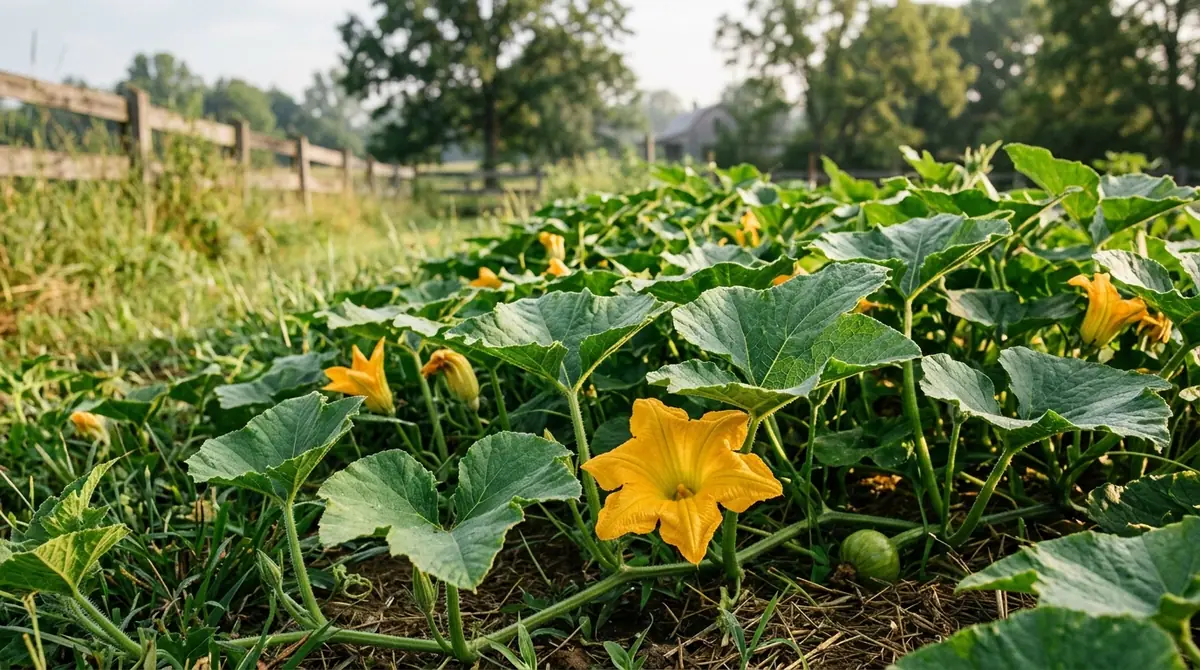

Let's dig into the exact science and steps required to grow exceptional pumpkins in Kentucky.
1. Botanical Overview & Natural Habitat
Pumpkins belong to the Cucurbita genus—most commonly Cucurbita pepo, Cucurbita maxima, and Cucurbita moschata—within the Cucurbitaceae family. Botanically speaking, they are tender, warm-season annual vines featuring expansive, coarse root systems and distinct male and female flowers on the same plant. Their natural evolutionary habitat involves long, frost-free growing seasons with abundant sunshine, high humidity, and rich, well-draining soils loaded with organic matter.
In Kentucky’s transitional climate—characterized by humid summers and unpredictable spring and fall transitions—understanding your specific USDA zone dictates your entire planting calendar. Most of Kentucky spans Zones 6a through 7b, ranging from the cooler rolling hills of the eastern coal fields to the warmer river valleys around Louisville and Paducah.
Because standard jack-o'-lantern and pie pumpkins typically require anywhere from 90 to 120 days of frost-free weather to mature fully, timing your planting date backward from your expected first fall frost is critical. In central and northern Kentucky (Zone 6), the average first fall frost usually arrives between October 10 and October 20. In southern and western Kentucky (Zone 7), frost may hold off until late October or early November.
To harvest vibrant, deeply colored orange pumpkins by mid-to-late October, you must plant seeds outdoors between late May and early June, or start them indoors roughly 3 to 4 weeks prior. Planting too early exposes seeds to cold, saturated spring soils that cause rotting. Planting too late leaves you with green, unripe fruit when the first hard freeze hits. If you are transitioning from other crops, you might find structural similarities in root management when learning How Deep Do Pepper Plant Roots Go? Pot Size & Substrate Depth Guide, though pumpkin vines demand significantly more horizontal sprawl.
2. Essential Environmental & Care Requirements
Pumpkin vines are heavy resource consumers. To thrive in Kentucky clay or loamy river bottom soils, they demand specific environmental conditions.
| Parameter | Optimal Condition | Common Mistake | Why It Matters |
|---|---|---|---|
| Soil Temperature | 70°F–95°F (21°C–35°C) | Planting when soil is below 60°F (15°C) | Cold soil causes seeds and roots to rot before germination occurs. |
| Soil pH | 6.0 to 6.8 | Ignoring pH in heavy Kentucky clay | Slightly acidic to neutral pH maximizes nutrient availability, especially phosphorus. |
| Sunlight | 6 to 8+ hours of direct sun | Planting in partial shade under trees | Full sun is mandatory to fuel photosynthesis for massive fruit development and sugar production. |
| Watering Depth | 1 to 2 inches (2.5 to 5 cm) weekly | Frequent, shallow surface sprinkling | Deep watering encourages deep root anchoring and drought resistance. |
Soil preparation is your primary defense against poor yields. Kentucky soils often feature heavy compaction and high clay content. Incorporating compost, aged manure, and perlite helps break up dense clay, ensuring the root zone receives adequate oxygen.
Nutrient management is equally vital. Pumpkins require high levels of nitrogen during their initial vegetative growth phase, but must transition to high phosphorus and potassium when flowering and fruiting begin. Over-applying nitrogen late in the season results in massive, lush green vines with zero pumpkins.
For reliable regional data on frost dates and soil preparation guidelines, consult the University of Kentucky Martin-Gatton College of Agriculture, Food and Environment.
3. Step-by-Step Cultivation, Feeding & Propagation
Growing trophy-worthy pumpkins in Kentucky requires a deliberate, methodical approach from seed to harvest. Follow this step-by-step cultivation protocol:
- Calculate Your Target Date: Determine your region's average first fall frost date. Count backward by the maturity days specified on your seed packet (typically 100 days). For most of Kentucky, this points to a direct-sow window between May 20 and June 10.
- Prepare the Planting Mounds: Space planting sites at least 4 to 6 feet (1.2 to 1.8 meters) apart for standard varieties, or up to 10 to 12 feet (3 to 3.6 meters) apart for giant varieties. Build low mounds 8 to 12 inches (20 to 30 cm) high and 3 feet (90 cm) wide to improve soil drainage and warm the root zone faster in spring.
- Sow the Seeds: Plant 4 to 5 seeds per mound at a depth of 1 inch (2.5 cm). Orient seeds horizontally to prevent fungal rot on the tip.
- Thin the Seedlings: Once seedlings reach 3 to 4 inches (7.5 to 10 cm) tall and have developed their first true leaves, use clean snips to cut away the weaker seedlings. Leave the 2 strongest plants per mound. Do not pull them; pulling disturbs the root systems of the survivors.
- Establish Irrigation Habits: Water deeply at the base of the plants early in the morning. Deliver roughly 1 to 2 inches (2.5 to 5 cm) of water per week, increasing output during peak summer heat waves in July and August. Avoid overhead watering to minimize foliar diseases.
- Feed and Mulch: Apply a balanced organic fertilizer monthly until flowering begins, then switch to a low-nitrogen, high-phosphorus formula. Surround the base with a thick layer of straw or wood mulch to suppress weeds and prevent developing pumpkins from resting directly on damp soil.
If you are expanding your garden repertoire, the precision required here mirrors managing sensitive starter crops, much like timing your schedule with resources like When to Transplant Cucumber Seedlings: Stop Root Shock & Boost Growth.
💡 Pro-Tip: When your vines reach about 8 feet (2.4 meters) in length, lightly bury the nodes (the joints where leaves meet the vine) 2 inches (5 cm) deep in loose soil. They will root at these nodes, creating a secondary root system that turbocharges water and nutrient uptake just as the pumpkin fruit begins rapid expansion.
⚠️ Important Caution: Never let your pumpkin plants dry out completely during the fruit-set stage. Sudden, severe drought followed by heavy watering or rainfall will cause developing pumpkins to split open rapidly, ruining weeks of work overnight.
4. Common Problems, Pests & Troubleshooting
Kentucky’s humid summers create an absolute playground for fungal pathogens and destructive insects. Learning to spot these issues early saves crops.
Powdery Mildew
- Symptoms: White, powdery spots appear on upper and lower leaf surfaces, eventually turning leaves yellow and brittle.
- Solution: Ensure proper plant spacing for maximum airflow. Apply preventive copper fungicide or a DIY mixture of baking soda, mild soap, and water every 7 to 10 days starting in July.
Vine Borers
- Symptoms: Sudden wilting of a single vine runner, accompanied by small entry holes near the base of the plant filled with frass (insect sawdust).
- Solution: Slit the infested stem lengthwise with a sterile razor blade, remove the white grub inside, and bury the wounded stem in moist soil so it can regenerate. Wrap lower stems in aluminum foil early in the season to block egg-laying moths.
Blossom-End Rot
- Symptoms: Sunken, dark, leathery patches form on the bottom end of developing pumpkins.
- Solution: This is caused by calcium deficiency, often triggered by inconsistent soil moisture rather than a lack of calcium in the soil. Maintain steady, even watering routines.

5. Frequently Asked Questions
Can I plant pumpkins in July in Kentucky?
Planting in July is generally too late for standard jack-o'-lantern or giant pumpkin varieties in Kentucky, as they will not reach maturity before the first fall frosts arrive in October. However, you can successfully plant small, fast-maturing pie pumpkins or semi-bush varieties (those maturing in 80 to 90 days) during the first week of July for a late-fall harvest.
What happens if I plant my pumpkin seeds too early in Kentucky?
Planting seeds in April or early May when Kentucky soils are still cool (below 60°F / 15°C) and saturated from spring rains almost always leads to seed rot. If seeds do manage to germinate in cold soil, the seedlings will remain stunted, highly vulnerable to damping-off fungi, and prone to poor overall vigor throughout the growing season.
How many pumpkins can I expect from a single vine?
Standard vining pumpkin varieties typically produce 2 to 4 fruit per plant if given adequate space, water, and nutrients. If you are growing giant competition varieties (such as Atlantic Giant), you must prune the vine aggressively and limit each plant to just one single pumpkin to channel all the plant's energy into maximum size.
Do I need to start pumpkin seeds indoors?
Indoor starting is generally unnecessary and often counterproductive because Cucurbita roots are notoriously sensitive to transplant shock. Direct-sowing your seeds into warm outdoor soil yields stronger, faster-growing plants. If you live in an area of eastern Kentucky with an exceptionally short frost-free window, you can start seeds indoors in biodegradable peat pots no more than 3 weeks before your last spring frost, transplanting the entire pot directly into the ground to protect fragile roots.
For authoritative regional gardening advice, you can also reference the Royal Horticultural Society guidelines on growing cucurbits, which outline universal best practices for soil management and vine training.
Related Guides
- When to Pick Pumpkins Off Vine
- When to Plant Pumpkins in Southern California
- When to Plant Pumpkins Nc
- When to Plant Pumpkins in Texas
- When to Plant Pumpkins in Tennessee
📋 Table of Contents ▼ Click to expand
Tags:
Keep reading
🌿 Related Plants You Might Like



PlantSavvyWorld
Editorial team
PlantSavvyWorld is an independent botanical education project. Articles are drafted with AI assistance, then edited and checked against university extension services, botanical garden collections and other published horticultural sources.