

When to Plant Pumpkins in Tennessee
Written with AI assistance, edited and checked against horticultural sources.
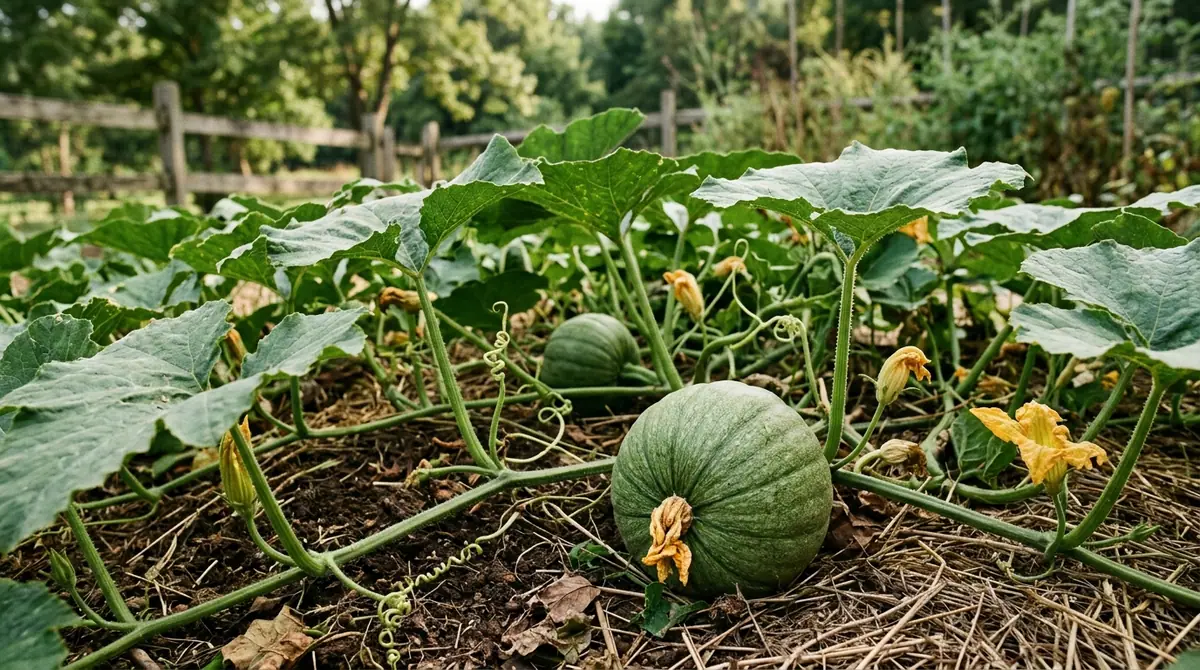
Powdery mildew outbreaks can aggressively sweep across a 'Cinderella' pumpkin patch just as the fruit is sizing up if the vines are planted too early in cold, wet April soil, leaving stressed vines unable to mount a defense against humidity. Growing pumpkins is an exercise in precise timing, respecting fickle transition zones, and managing relentless summer heat. Whether gardening in limestone-rich soils, rolling hills, or humid flatlands, getting the planting window right makes the difference between a pristine jack-o'-lantern and a rotting vine.
1. Botanical Overview & Natural Habitat

In Tennessee—spanning USDA Hardiness Zones 6a through 8a—pumpkins thrive because our growing season easily accommodates the 90 to 120 days required from seed to maturity. However, the state’s distinct physiographic regions create unique microclimates. East Tennessee's mountain valleys offer cooler summer highs but shorter seasons, whereas West Tennessee features extended, humid summers that accelerate vine growth while demanding rigorous disease management.
Botanically, pumpkins are monoecious plants, meaning individual vines produce separate male and female flowers. The male blossoms emerge first to entice pollinators, followed by female flowers characterized by a miniature, bulbous ovary at the base of the petals. Understanding this natural habit is essential for timing your planting, as exposing these delicate pollination phases to Tennessee's peak July heatwaves can cause flower drop and unpollinated, aborted fruit.
2. Essential Environmental & Care Requirements
Achieving a bountiful pumpkin harvest in Tennessee requires meeting strict environmental parameters. Because these plants are exceptionally sensitive to cold, they must never be established outdoors while a threat of frost remains.
Soil temperature is your primary metric. Seeds will not germinate efficiently in soil colder than 60°F to 65°F (15.5°C to 18°C); at lower temperatures, the seed coat rots in the damp Tennessee earth before radicles can emerge. Once established, pumpkins demand full sun—a minimum of 6 to 8 hours of direct, unshaded sunlight daily. Shaded vines produce leggy growth, poor flower sets, and watery fruit susceptible to splitting.
Water management is equally critical. Pumpkins possess a sprawling root system that can plunge 3 to 4 feet (91 to 121 cm) deep into loose soil, but their surface feeder roots require consistent moisture. They need approximately 1 to 2 inches (2.5 to 5 cm) of water per week, delivered preferably via drip irrigation or soaker hoses to keep foliage dry. Wet leaves in Tennessee’s humid climate are an open invitation for fungal pathogens.
| Parameter | Optimal Condition | Common Mistake | Why It Matters |
|---|---|---|---|
| Soil Temperature | 70°F–85°F (21°C–29°C) | Planting when soil is below 60°F (15.5°C) | Cold, wet soil causes seeds to rot before germination. |
| Soil pH | 6.0 to 6.8 | Ignoring soil tests in acidic Tennessee clay | Nutrient lock-up stunts vine expansion and fruit sizing. |
| Sunlight | Full sun (8+ hours daily) | Planting in partial shade under tree lines | Reduces photosynthesis, stunting fruit growth and favoring mildew. |
| Watering Volume | 1.5–2 inches (3.8–5 cm) weekly | Shallow, daily overhead sprinkling | Encourages shallow roots and breeds foliar fungal diseases. |
For gardeners looking to balance their seasonal landscape, timing your pumpkin patch can also run parallel to managing other warm-season crops; if you are transitioning your garden beds, you might find structural parallels in learning When to Transplant Cucumber Seedlings: Stop Root Shock & Boost Growth.
3. Step-by-Step Cultivation, Feeding & Propagation
To hit the sweet spot for a harvestable crop by late September or October in Tennessee, you must time your planting backward from your target harvest date. For most Tennessee locations, seeds go into the ground between late May and early June. This timing ensures the plants mature during the cooling days of September rather than baking in the searing July sun.
- Site Selection and Soil Preparation: Choose a plot with rich, well-draining loam. Clear all weeds and incorporate 3 to 4 inches (7.5 to 10 cm) of aged compost or well-rotted manure into the top 12 inches (30 cm) of soil.
- Direct Sowing vs. Transplanting: While pumpkins can be started indoors in biodegradable peat pots 3 to 4 weeks before the last frost, direct sowing yields tougher, more resilient plants in Tennessee. Push seeds 1 inch (2.5 cm) deep into the soil.
- Spacing the Hills: Plant 3 to 4 seeds per "hill," spacing hills 4 to 6 feet (1.2 to 1.8 m) apart in rows that are 6 to 8 feet (1.8 to 2.4 m) apart. Large vine varieties like 'Atlantic Giant' require up to 50 square feet (4.6 square meters) per plant.
- Thinning the Seedlings: Once seedlings reach 3 to 4 inches (7.5 to 10 cm) tall and display their first true leaves, snip (do not pull, which disturbs remaining roots) the weakest specimens, leaving the two strongest plants per hill.
- Fertilization and Feeding: Feed heavy nitrogen fertilizers early to build the vegetative vine framework. Transition to a low-nitrogen, high-phosphorus and potassium fertilizer (such as a 5-10-10 blend) once female blossoms appear to promote robust fruit development.
- Mulching and Weed Control: Apply a thick 3-inch (7.5 cm) layer of clean straw or shredded hardwood mulch around the base of the vines to suppress weeds, retain moisture, and keep developing pumpkins off damp soil.
💡 Pro-Tip: When your vines reach about 6 feet (1.8 m) in length, pinch off the growing tips of secondary runners. This forces the plant to redirect its photosynthetic energy into the primary vine and the developing fruit rather than producing endless, unproductive foliage.
4. Common Problems, Pests & Troubleshooting
Tennessee's unique climate introduces several persistent adversaries to the pumpkin patch. Chief among them is the Squash Vine Borer (Melittia cucurbitae), a clearwing moth whose larvae bore directly into the main stems, cutting off water and nutrient transport and causing sudden plant collapse. Inspect the base of your vines in early June for tiny red eggs, and slit stems lengthwise to remove borers manually if you spot entry holes accompanied by yellowish frass.
Powdery Mildew and Downy Mildew are virtually guaranteed due to our high relative humidity and morning dew fall. Preventative applications of bio-fungicides containing Bacillus subtilis or copper soap, applied every 7 to 10 days starting in mid-summer, can keep these blights at bay. Ensure adequate air circulation by weeding meticulously and avoiding crowded planting layouts.
⚠️ Important Caution: Never apply synthetic broad-spectrum insecticides when your pumpkin plants are in full bloom. Because pumpkins rely entirely on honeybees, bumblebees, and squash bees for pollination, spraying during daylight hours will decimate your local pollinator populations and result in zero fruit set. Always apply organic treatments at dusk if intervention is strictly necessary.

5. Frequently Asked Questions
Can I plant pumpkins in July in Tennessee?
Yes, but you must select a small, fast-maturing variety (such as 'Sugar Pie' or 'Jack Be Little') that requires 85 to 90 days to maturity. Planting in July allows you to harvest in October while dodging the worst of early-summer vine borers, though disease pressure remains high.
What happens if I plant my pumpkins too early in Tennessee?
If you plant in April or early May while Tennessee soils are still cool and wet, seeds will rot, or emerging seedlings will stunt permanently. Stressed early plants also struggle against damping-off fungi and early-season insect infestations, ultimately resulting in lower yields than timely plantings.
How many pumpkins can I expect per vine?
Standard vining varieties typically yield 2 to 4 large pumpkins per healthy plant. Smaller pie pumpkins and miniature varieties may produce 6 to 10 fruit per vine, provided they receive adequate nutrition, water, and full sun throughout the growing season.
Do I need to rotate my pumpkin patch every year?
Yes. Crop rotation is essential to prevent soil-borne pathogens and overwintering pests like squash vine borers and bacterial wilt vectors from destroying your harvest. Wait at least three years before planting any cucurbit family crop (cucumbers, squash, melons, or pumpkins) in the same location.
To expand your homestead planning further south or explore other regional calendars, review our specialized timeline for When to Plant Onions in Southern California (Zone 9 & 10 Planting Calendar) for insights on adjusting seasonal windows based on regional frost dates.
Related Guides
- When to Plant Strawberries in Tennessee
- When to Pick Pumpkins Off Vine
- When to Plant Pumpkins in Southern California
- When to Plant Pumpkins Nc
- When to Plant Pumpkins in Texas
- How Many Pumpkins Per Plant
📋 Table of Contents ▼ Click to expand
Tags:
Keep reading
🌿 Related Plants You Might Like






PlantSavvyWorld
Editorial team
PlantSavvyWorld is an independent botanical education project. Articles are drafted with AI assistance, then edited and checked against university extension services, botanical garden collections and other published horticultural sources.