

How Many Pumpkins Per Plant
Written with AI assistance, edited and checked against horticultural sources.
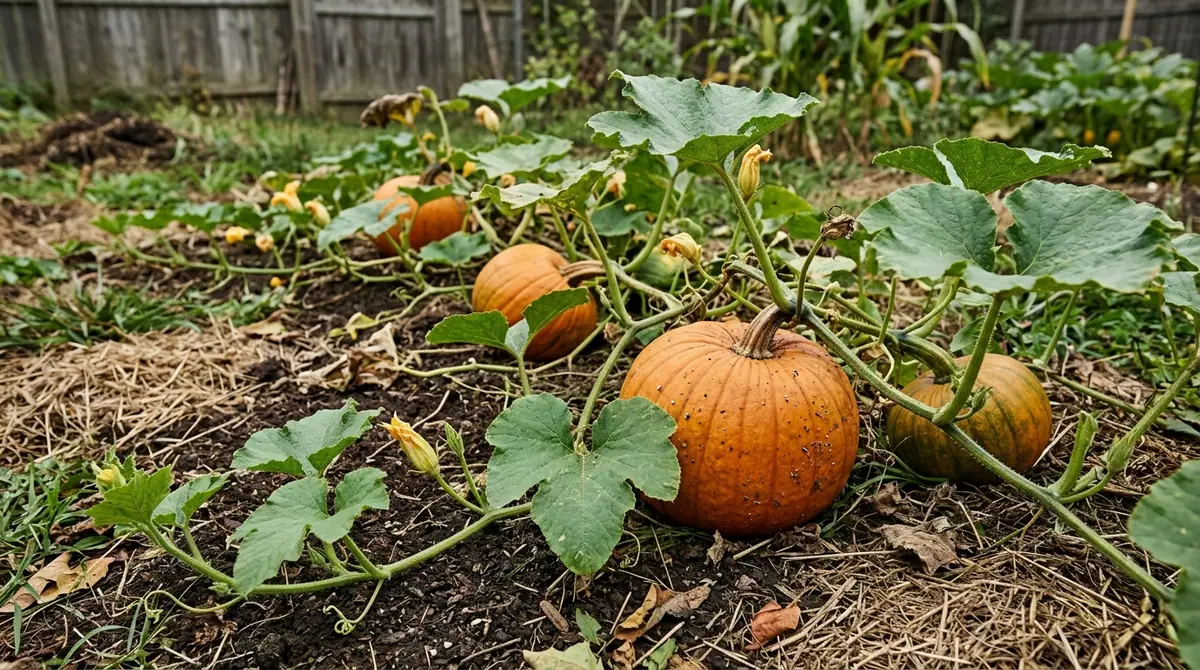
A sprawling Cucurbita pepo vine that sets thirteen distinct, fuzzy green globes by mid-July left unmanaged can produce a dozen stunted, pale-orange disappointments that barely reach the size of softballs by August, competing fiercely for nutrients and sunlight. That physiological reality of Cucurbitaceae answers the question every grower eventually asks: how many pumpkins per plant can you actually expect?

1. Botanical Overview & Natural Habitat
Pumpkins belong to the genus Cucurbita, which encompasses several distinct species—most notably Cucurbita pepo, Cucurbita maxima, Cucurbita moschata, and Cucurbita argyrosperma. Native to the Americas, these sprawling annual vines evolved in warm, frost-free environments characterized by long, sun-drenched days and rich, rapidly draining alluvial soils.
From a botanical standpoint, pumpkins are monoecious plants, meaning individual vines produce both separate male and female flowers on the same organism. Male flowers emerge first on long, slender stalks, serving as an early beacon for pollinators, while female flowers appear slightly later, easily identified by the miniature, bulbous ovary sitting directly beneath the petals.
The plant's energy allocation strategy dictates your final yield. A single standard pie or jack-o'-lantern pumpkin vine (Cucurbita pepo) will naturally set between 2 to 5 mature fruits if left unmanaged, whereas smaller ornamental varieties or mini-pumpkins can push out 8 to 15 fruits per vine. Giant varieties like 'Atlantic Giant' (Cucurbita maxima) are genetically programmed to funnel every ounce of photosynthetic energy into a single fruit per plant. Trying to force a giant pumpkin cultivar to support multiple fruits results in a drastic reduction in size and structural integrity.
For those looking to diversify their edible and ornamental garden layouts alongside cucurbits, you might also consider balancing your vegetable beds with companion species or checking resources like the When to Plant Strawberries in Kansas: Zone 6a/6b Seasonal Calendar to map out your multi-season crop rotations effectively.
2. Essential Environmental & Care Requirements
Maximizing the number of healthy, fully formed pumpkins per plant requires strict adherence to environmental parameters. Because these vines are heavy consumers of water, sunlight, and macro-nutrients, any environmental stress during the critical flowering and fruit-set windows will cause the plant to abort its blossoms.
| Parameter | Optimal Condition | Common Mistake | Why It Matters |
|---|---|---|---|
| Soil Temperature | 70°F to 95°F (21°C to 35°C) for germination | Planting seeds in soil below 60°F (15°C) | Cold soil causes seed rot and stunts early root establishment. |
| Sunlight | 6 to 8+ hours of direct daily sunlight | Shading vines with dense companion plantings | Insufficient light drops photosynthetic rates, leading to flower drop. |
| Soil pH | 6.0 to 6.8 (slightly acidic to neutral) | Ignoring soil tests, leading to overly acidic plots | Extreme pH locks up essential calcium and phosphorus, causing blossom-end rot. |
| Watering Depth | 1 to 2 inches (2.5 to 5 cm) of water weekly | Frequent, shallow surface watering | Shallow moisture promotes shallow root systems vulnerable to drought. |
To dive deeper into how root architecture dictates plant health and water uptake, review insights from our How Deep Do Pepper Plant Roots Go? Pot Size & Substrate Depth Guide, which explores parallel root-zone dynamics in heavy-feeding garden crops.
💡 Pro-Tip: When calculating your watering schedule, always apply moisture directly to the soil via drip irrigation or soaker hoses rather than overhead sprinkling. Wet foliage is an open invitation for powdery mildew and bacterial wilt, which can decimate your vine's leaf canopy before your pumpkins reach maturity.
3. Step-by-Step Cultivation, Feeding & Propagation
Achieving an optimal harvest of pumpkins per plant is not a passive endeavor; it requires a structured cultivation protocol from seed to harvest. Follow these numbered steps to maximize your vine's productive capacity:
- Site Selection and Soil Preparation: Choose a location receiving full sun. Amend your soil deeply (down to 12 inches or 30 cm) with aged compost or well-rotted manure to ensure high organic matter content.
- Direct Sowing or Transplanting: Plant seeds or set out hardened transplants after all danger of frost has passed and soil temperatures consistently exceed 65°F (18°C). Sow seeds 1 inch (2.5 cm) deep in hills spaced 4 to 6 feet (1.2 to 1.8 meters) apart.
- Early Fertilization and Nitrogen Management: Feed young seedlings with a balanced, organic fertilizer high in nitrogen for the first 30 days to establish a robust framework of leaves and vines.
- Transition to Bloom-Boosting Nutrients: Once the first blossoms appear (typically around 45 to 60 days after emergence), switch to a low-nitrogen, high-phosphorus, and high-potassium fertilizer. Excess nitrogen at this stage promotes lush vine growth at the complete expense of flower and fruit set.
- Pruning and Fruit Selection: For standard carving pumpkins, allow 2 to 4 uniform fruits to set per vine, then snip off any subsequent female flowers and pinch back the vine tips. For exhibition-grade giant pumpkins, select the single best-pollinated fruit per plant located at least 10 feet (3 meters) down the main vine, and remove all other competing fruit and secondary side shoots.
⚠️ Important Caution: Never step directly on pumpkin vines when navigating your patch. The stems are hollow, brittle, and easily crushed. A fractured main vine will instantly cut off water and nutrient transport to all developing fruits downstream.
For additional university-backed guidance on vegetable garden layouts and cucurbit management, consult the Oregon State University Extension Service, which offers comprehensive resources on home garden pest management and soil fertility.
4. Common Problems, Pests & Troubleshooting
Even with meticulous care, pumpkin growers frequently encounter environmental and biological hurdles that threaten total yield.
- Blossom Drop with No Fruit: If your vines produce massive numbers of flowers that yellow, shrivel, and fall off without setting fruit, you are likely dealing with a pollination failure or extreme heat stress. Temperatures sustained above 90°F (32°C) cause pollen to sterilize. Furthermore, if native bee populations are low, hand-pollinating female flowers using a small paintbrush or a detached male flower with petals stripped back can dramatically improve your fruit set.
- Powdery Mildew: Appearing as a white, powdery dusting on leaves during humid late-summer conditions, this fungal pathogen reduces photosynthetic capacity. Combat it proactively by ensuring proper plant spacing for air circulation and applying preventative copper-based bio-fungicides or potassium bicarbonate sprays.
- Squash Bugs and Vine Borers: These two notorious pests can ruin a season overnight. Squash bugs lay bronze, triangular egg clusters on the undersides of leaves, while vine borers tunnel inside the main stems near the soil line, causing sudden wilting. Inspect stems for entry holes and frass, and physically remove eggs by scraping them off with a card.

5. Frequently Asked Questions
How many pumpkins will one plant produce?
A standard jack-o'-lantern or pie pumpkin vine (Cucurbita pepo) will typically produce 2 to 5 mature pumpkins if left unpruned. Smaller decorative and miniature varieties can yield between 8 and 15 fruit per plant, while giant exhibition cultivars are restricted to a single fruit to maximize individual size.
Should I cut off pumpkin flowers to get more fruit?
You do not need to cut off male flowers, as they are necessary for pollination. However, pinching off excess female flowers once your desired number of pumpkins has set will force the plant to channel all its carbohydrates into developing those specific fruits rather than spreading its energy too thin.
Why are my baby pumpkins turning yellow and rotting off the vine?
This is almost always caused by incomplete pollination, which leads to unfertilized fruit abortion, or blossom-end rot resulting from calcium deficiency and inconsistent watering fluctuations. Ensure deep, even watering cycles and consider hand-pollinating flowers early in the morning when they first open.
How do I know when my pumpkins are ready to harvest?
Pumpkins are ready to harvest when the rind is deeply colored, hard to puncture with a fingernail, and the vine stem begins to turn woody and brown. Always cut the fruit from the vine using sharp pruning shears, leaving a sturdy 3 to 4-inch (7 to 10 cm) stem attached; never lift a pumpkin by its stem alone.
Related Guides
- When to Pick Pumpkins Off Vine
- When to Plant Pumpkins in Southern California
- When to Plant Pumpkins Nc
- When to Plant Pumpkins in Texas
- When to Plant Pumpkins in Tennessee
📋 Table of Contents ▼ Click to expand
Tags:
Keep reading
🌿 Related Plants You Might Like






PlantSavvyWorld
Editorial team
PlantSavvyWorld is an independent botanical education project. Articles are drafted with AI assistance, then edited and checked against university extension services, botanical garden collections and other published horticultural sources.