

When is Green Bean Season
Written with AI assistance, edited and checked against horticultural sources.
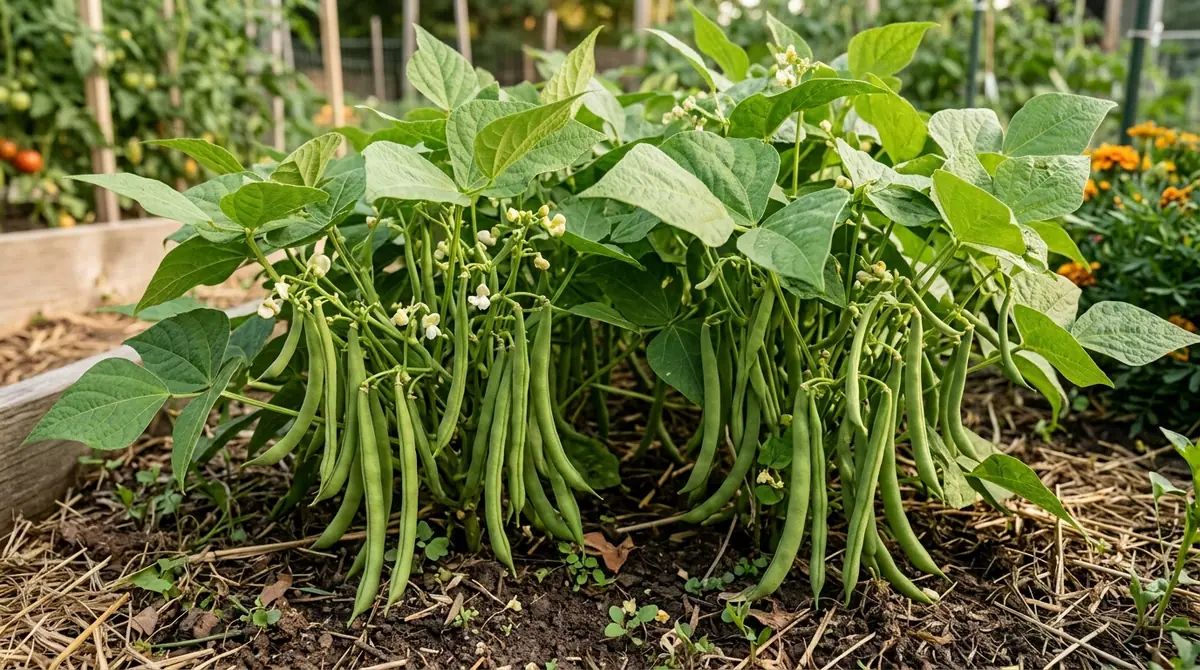
I stood in trial gardens this past May, thermometer in hand, watching a sudden cold snap drop our morning soil temperature to a sluggish 58°F (14°C) just three days after I had direct-sown my first round of bush bean seeds. I should have known better; I had let the calendar dictate my actions rather than the earth. When I dug up a sample seed, it was waterlogged and rotting in the heavy, chilled loam instead of germinating. Green bean season is not a static date on a calendar—it is a biological window governed strictly by soil warmth, frost safety, and photoperiods. Whether you are timing your spring planting or wondering how late into autumn you can pull a harvest, understanding the exact parameters of green bean season ensures you never waste seed or time on stalled crops.
1. Botanical Overview & Natural Habitat

Botanically, green beans split into two primary architectural habits: bush beans and pole beans. Bush beans grow as compact, self-supporting shrubs reaching 18 to 24 inches (45 to 60 cm) tall, maturing quickly over a concentrated 50-to-60-day window. Pole beans are vigorous climbing vines that can scale 6 to 10 feet (1.8 to 3 meters) or more, requiring trellising and extending their harvest over a much longer period, typically 65 to 75 days.
The natural habitat of the wild ancestor of the green bean features well-drained soils, high ambient sunlight, and consistent moisture without waterlogging. Because they are legumes, Phaseolus vulgaris forms a symbiotic relationship with Rhizobium leguminosarum soil bacteria, which fix atmospheric nitrogen into plant-usable ammonium within root nodules. This evolutionary trait allows them to thrive in moderately fertile soils, though they still demand specific environmental triggers to break dormancy and set pods. For a deeper dive into how environmental transitions affect tender starts, you can review our guide on When to Transplant Flower Seedlings.
2. Essential Environmental & Care Requirements
To master green bean season, you must meet exact environmental thresholds. If you miss these targets, germination rates plummet, flowers drop off, and yields stall.
- Soil Temperature: Seeds require a minimum soil temperature of 60°F (15°C) to germinate effectively. The ideal germination range is between 70°F and 85°F (21°0C to 29°C). If planted in soil below 50°F (10°C), seeds will rot rather than sprout.
- Air Temperature: Green beans thrive when daytime air temperatures range between 70°F and 85°F (21°C to 29°C). Temperatures consistently exceeding 90°F (32°C) cause blossom drop, halting pod production entirely.
- Sunlight: They are obligate full-sun plants. They require a minimum of 6 to 8 hours of direct, unobstructed sunlight daily to fuel photosynthesis and support the high energy demands of nitrogen fixation and pod development.
- Watering: Consistent moisture is critical, especially during flowering and pod set. They need approximately 1 inch (2.5 cm) of water per week, delivered via drip irrigation or soaker hoses to keep foliage dry and prevent fungal spores from splashing onto leaves.
- Soil Composition: Well-draining, loamy soil with a pH between 6.0 and 7.0 is ideal. Heavy clay causes root suffocation and rot, while overly sandy soils drain too fast to maintain necessary moisture.
| Parameter | Optimal Condition | Common Mistake | Why It Matters |
|---|---|---|---|
| Soil Temperature | 60°F – 85°F (15°C – 29°C) | Planting too early in cold spring soil | Cold, wet soil causes seeds to rot before germination. |
| Sunlight | 6–8+ hours full sun | Planting in partial shade | Reduced light lowers pod yield and increases humidity around foliage. |
| Watering | 1 inch (2.5 cm) per week | Overhead splashing or erratic watering | Causes blossom drop, shallow roots, and fungal diseases like rust. |
| Soil pH | 6.0 to 7.0 | Ignoring soil acidity extremes | Extreme pH locks out essential micronutrients and inhibits nitrogen fixation. |
For gardeners managing multiple warm-season crops alongside beans, getting the timing right for related tasks like When to Top Pepper Plants ensures your entire warm-weather harvest peaks simultaneously.
3. Step-by-Step Cultivation, Feeding & Propagation
Because green beans possess delicate taproots that do not tolerate root disturbance well, transplanting is rarely recommended; direct-sowing is the gold standard. To ensure success, follow this precise cultivation protocol:
- Test and Prepare Soil: Use a digital soil thermometer to verify that the soil is at least 60°F (15°C) consistently for three consecutive days. Clear the bed of weeds and amend with a light layer of compost, avoiding high-nitrogen synthetic fertilizers which encourage lush green leaf growth at the expense of bean pods.
- Sow the Seeds: Plant seeds directly into the garden at a depth of 1 inch (2.5 cm). Space bush bean seeds 2 to 3 inches (5 to 7.5 cm) apart in rows spaced 18 to 24 inches (45 to 60 cm) apart. For pole beans, plant seeds 3 to 4 inches (7.5 to 10 cm) apart around a sturdy trellis, teepee, or netting system.
- Manage Initial Moisture: Water the bed thoroughly after sowing, then keep the soil evenly moist but not waterlogged until germination occurs, which typically takes 7 to 14 days depending on soil warmth.
- Thin the Seedlings: Once seedlings reach 3 inches (7.5 cm) tall, thin bush beans to stand 4 inches (10 cm) apart, and pole beans to 6 inches (15 cm) apart, cutting extra seedlings at the soil line rather than pulling them to protect adjacent root systems.
- Mulch and Maintain: Apply a 2-inch (5 cm) layer of organic mulch, such as clean straw or shredded leaves, around the base of the plants to retain moisture and suppress weeds. Monitor soil moisture weekly, ensuring the plants receive their required 1 inch (2.5 cm) of water.
- Harvest Continuously: Pick bush beans every 2 to 3 days and pole beans daily once pods reach pencil thickness and snap crisply when bent. Regular harvesting signals the plant to continue producing flowers and extends green bean season well into autumn.
💡 Pro-Tip: Never handle or harvest green bean plants while the leaves are wet from dew or rain. The microscopic water droplets act as a transport medium for bacterial blight and fungal spores, spreading disease rapidly across your entire crop. Wait until midday when the foliage is completely dry before stepping into the patch.
If you are coordinating your spring planting calendar with cool-season herbs or flowers, reference our guides on When to Transplant Cilantro Seedlings and When to Transplant Snapdragon Seedlings to build an efficient, continuous harvest schedule. For additional regional guidelines on vegetable planting windows, consult the University of Minnesota Extension Vegetable Gardening Guide.
4. Common Problems, Pests & Troubleshooting
Even during the optimal green bean season, environmental stressors and opportunistic pests can derail your harvest.
- Blossom Drop: If your plants flower heavily but drop their blossoms without setting pods, daytime temperatures are likely exceeding 90°F (32°C) or nighttime temperatures are dropping below 55°F (13°C). Provide temporary shade cloth during afternoon heatwaves to mitigate thermal stress.
- Mexican Bean Beetles (Epilachna varivestis): These copper-colored, spotted beetles skeletonize bean leaves by feeding on the tissue between the veins. Hand-pick adults and crush yellow clusters of eggs found on the undersides of leaves. Introduce beneficial insects like spined soldier bugs for biological control.
- Bean Common Mosaic Virus (BCMV): Manifests as mottled, distorted, and stunted leaves with curled edges. This virus is transmitted by aphids and carried in infected seed. Always purchase certified disease-resistant seed varieties and control aphid populations promptly with insecticidal soap.
- White Mold (Sclerotinia sclerotiorum): Appears as a white, cottony growth on stems and pods, often triggered by damp, overcrowded conditions. Space your plants properly, avoid overhead watering, and ensure good airflow between rows.
⚠️ Important Caution: Never apply high-nitrogen fertilizers to your green bean patch to "boost" growth. Because legumes fix their own nitrogen, excess nitrogen triggers explosive vegetative growth, making the plants highly attractive to aphids and spider mites while completely shutting down flowering and pod production.

5. Frequently Asked Questions
When is green bean season in the northern hemisphere?
Green bean season typically spans from late spring through early autumn. Planting begins after the final spring frost when soil temperatures reach 60°F (15°C)—usually May in USDA Zones 5 through 7. Harvesting runs from June through September or until the first autumn frost terminates the plants.
Can I plant green beans before the last frost date?
No. Green bean seeds require warm soil to germinate. Planting them in cold, frost-threatened soil will cause the seeds to absorb water, chill, and rot before they can sprout. Always wait until two weeks after your average last frost date.
How do I know when green beans are ready to harvest?
Green beans are ready when the pods reach pencil thickness and feel firm and crisp. Snap a test pod in half; it should break cleanly with a sharp "snap" sound. If the pods look bumpy and the seeds inside are bulging prominently, they are over-mature, woody, and past their prime.
Why are my green bean plants flowering but not producing beans?
The most common culprit is extreme heat. When daytime temperatures consistently exceed 90°F (32°C), bean pollen becomes sterile, causing blossoms to wither and drop without forming pods. Over-fertilizing with nitrogen can also cause this issue by prioritizing leaf growth over fruit set.
Related Guides
- When to Start Bean Seeds Indoors
- When Are Leeks in Season
- Emerald Green Arborvitae vs Thuja Green Giant
- Why Are My Peace Lily Flowers Green
- How to Make Grass Green Fast
📋 Table of Contents ▼ Click to expand
Tags:
Keep reading
🌿 Related Plants You Might Like

PlantSavvyWorld
Editorial team
PlantSavvyWorld is an independent botanical education project. Articles are drafted with AI assistance, then edited and checked against university extension services, botanical garden collections and other published horticultural sources.