

When to Pick Snap Peas
Written with AI assistance, edited and checked against horticultural sources.
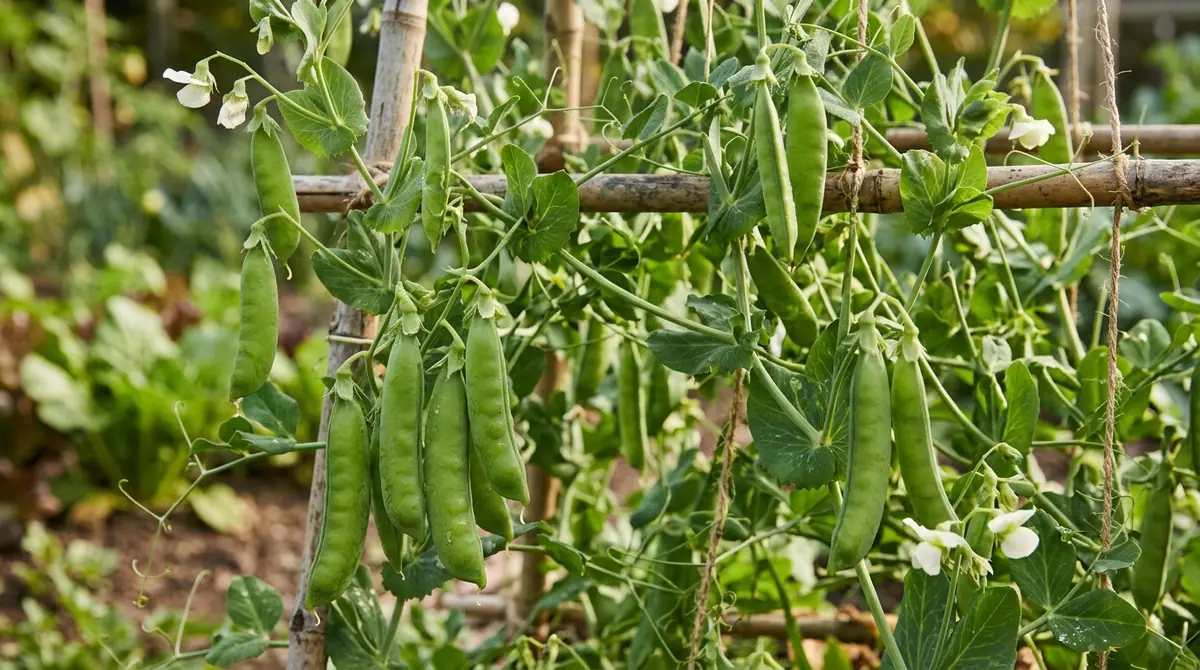
Yesterday morning at 6:15 AM, standing in the damp chill of trial gardens with dew soaking through the cuffs of my denim, I snapped a pod clean off its vine. I did not test it by squeezing the sides; I listened for the sharp, resonant crack that tells me the sugars inside have peaked and the pod walls are rigid with turgor pressure. If I had waited another forty-eight hours, the warmth of the coming afternoon would have converted those sugars into dense starches, turning a crisp, juicy snack into a mealy disappointment. Knowing precisely when to harvest snap peas is the thin line between an abundant culinary triumph and a woody harvest destined for the compost bin. Horticultural practice has spent decades observing how these cool-season legumes respond to microclimates, soil chemistry, and diurnal temperature shifts. Let us dive into the science and practice of mastering the snap pea harvest.
1. Botanical Overview & Natural Habitat

In their wild ancestral forms originating from the Mediterranean basin and the Middle East, peas evolved to complete their reproductive cycle during the damp, cool months of spring. They utilize modified leaflets called tendrils to climb up to 6 feet (1.8 meters) in height, securing themselves to vertical structures. The root system is relatively shallow, typically residing in the top 12 to 18 inches (30 to 45 cm) of soil, though a primary taproot can plunge deeper to seek moisture if soil conditions permit.
Snap peas are also nitrogen-fixing plants. Through a symbiotic relationship with soil-dwelling Rhizobium leguminosarum bacteria housed in specialized root nodules, they convert atmospheric nitrogen gas into plant-usable ammonium. This biological mechanism reduces their reliance on heavy soil fertility inputs and leaves behind a rich nitrogen residue for subsequent crops—a trait I often leverage when designing sequential companion plantings, much like I plan the rotation when figuring out When to Plant Carrots in Zone 8a or timing cool-weather brassicas alongside a schedule for When to Plant Bok Choy Zone 7.
The flowers are typically self-pollinating, featuring distinct papilionaceous structures (standard, wings, and keel) that protect the reproductive organs from wind pollination. Once fertilized, the ovary swells rapidly over 21 to 30 days into the characteristic cylindrical pod we harvest.
2. Essential Environmental & Care Requirements
To achieve the crisp texture and high sugar content that define a superior snap pea, you must mimic their native Mediterranean spring habitat. Environmental stress, particularly heat and drought, triggers premature maturation, halting sugar production and accelerating fiber development in the pod walls.
| Parameter | Optimal Condition | Common Mistake | Why It Matters |
|---|---|---|---|
| Soil Temperature | 45°F to 75°F (7°C to 24°C) | Planting too early in freezing, waterlogged mud | Cold, soggy soil rots seeds before germination occurs. |
| Air Temperature | 55°F to 70°F (13°C to 21°C) | Exposing plants to sustained spells above 80°F (26°C) | High heat halts flower set, induces powdery mildew, and makes pods woody. |
| Soil pH | 6.0 to 7.5 | Allowing soil to drop below 5.8 | Acidic soils inhibit the activity of nitrogen-fixing bacteria and lock up phosphorus. |
| Watering Depth | 1 inch (2.5 cm) per week | Shallow, daily surface sprinkling | Deep watering encourages the taproot to drive downward, stabilizing the plant. |
| Sunlight Exposure | 6 to 8 hours of direct sun | Planting in dense afternoon shade | Insufficient light reduces photosynthesis, lowering pod sugar concentrations. |
Maintaining consistent soil moisture is vital. Because snap peas have a limited root spread, dry surface soil quickly stresses the plant, signaling it to abort flowers and rush seed development. Apply a 2-inch (5 cm) layer of organic mulch, such as shredded straw or leaf mold, around the base of the stems to insulate the root zone from fluctuating spring temperatures.
Soil fertility must be managed with precision. Excessive nitrogen fertilizer will cause lush, dark green vine growth at the expense of blossoms and pods. Instead, ensure adequate levels of phosphorus and potassium to support heavy pod set and sturdy cell walls. For comprehensive guidelines on legume cultivation and regional agricultural data, consult the Oregon State University Extension Service.
3. Step-by-Step Cultivation, Feeding & Propagation
Growing exceptional snap peas requires precise timing. In temperate regions, seeds go into the ground 4 to 6 weeks before the last average spring frost date. This cool-start methodology ensures the vines establish deep root systems before summer heat arrives. If you are coordinating your spring garden blueprint, this early window often overlaps with the planning phases required when determining When to Plant Beets in Utah or laying out cool-season root crops.
- Prepare and Amend the Seedbed: Clear the planting area of debris and work in aged compost to a depth of 6 inches (15 cm). Avoid high-nitrogen commercial fertilizers.
- Inoculate the Seed: Dust your snap pea seeds with a commercial Rhizobium inoculant powder just prior to planting to guarantee immediate root nodule formation and optimal nitrogen fixation.
- Sow at the Correct Depth: Poke holes into the soil spaced 2 inches (5 cm) apart, setting seeds at a depth of 1 to 1.5 inches (2.5 to 3.8 cm). Rows should be spaced 18 to 24 inches (45 to 60 cm) apart.
- Install Vertical Support: Erect trellises, netting, or branching twig stakes immediately at planting time. Waiting until vines emerge risks damaging the fragile root systems and brittle stems.
- Manage Irrigation: Water thoroughly after planting. Keep the soil evenly moist but never saturated until seedlings emerge in 7 to 14 days.
- Thin the Seedlings: Once seedlings reach 3 inches (7.5 cm) tall, thin them to a final spacing of 3 to 4 inches (7.5 to 10 cm) apart to ensure adequate airflow and light penetration.
- Monitor and Harvest: Harvest pods continuously every 2 to 3 days once they reach plumpness. Use two hands—hold the vine firmly with one hand and snap the stem with the other to avoid tearing the delicate stems.
💡 Pro-Tip: Never pull or yank a snap pea pod straight off the vine. The stem is remarkably fibrous and will tear the main vine or strip the bark, creating an open wound vulnerable to fungal pathogens. Always use a gentle sideways snap or cut them cleanly with micro-tip pruning snips.
4. Common Problems, Pests & Troubleshooting
Even with meticulous care, snap peas face specific environmental and biological challenges that can ruin a harvest if left unaddressed.
Powdery Mildew (Erysiphe pisi)
This fungal pathogen appears as a white, powdery dust on the upper and lower surfaces of leaves and stems during late spring, when warm days and cool, dewy nights coincide. It thrives in stagnant air and dry soil conditions coupled with high humidity.
- Prevention: Space your plants properly during thinning, water at the base of the plants early in the day to keep foliage dry, and select resistant cultivars such as 'Sugar Snap' or 'Super Sugar Snap'. Remove and destroy heavily infected plant debris at the end of the season.
Pea Aphids (Acyrthosiphon pisum)
These small, soft-bodied, light-green insects cluster on the tender growing tips of the vines and the undersides of leaves, sucking out phloem sap and stunting plant growth. They can also transmit destructive plant viruses.
- Prevention and Treatment: Encourage beneficial predatory insects such as lady beetles, lacewings, and hoverflies by planting umbelliferous companion flowers nearby. For severe infestations, blast the colonies off the vines with a strong jet of water from a garden hose or apply insecticidal soap directly to the affected tissue.
⚠️ Important Caution: Avoid applying heavy copper- or sulfur-based fungicides or broad-spectrum insecticides when snap peas are in full bloom. These chemicals can disrupt pollination by killing visiting bees and beneficial insects, and they may burn delicate flower petals, resulting in immediate blossom drop and zero pod production.

5. Frequently Asked Questions
How do I know when snap peas are ready to pick?
Snap peas are ready to pick when the pods reach 3 to 4 inches (7.5 to 10 cm) in length, appear plump and rounded rather than flat, and make a crisp, audible snapping sound when broken in half. The seeds inside should be filled out but still tender and bright green, not hard or chalky.
What happens if you leave snap peas on the vine too long?
If left on the vine past their prime, the sugars inside the peas convert rapidly into starches, the pod walls develop tough, fibrous strings, and the pods turn a dull, pale green or yellowish hue. The plant will also interpret this as the completion of its reproductive cycle, signaling it to slow down flower production and die back prematurely.
Do snap peas keep growing after you pick them?
No. Once a snap pea pod is detached from the vine, it ceases to grow, and its sugar content begins to degrade into starch at room temperature. To maximize post-harvest sweetness, harvest your pods in the early morning hours when sugar levels are highest, and immediately place them unwashed in a perforated plastic bag in the refrigerator, where they will keep fresh for up to 7 to 10 days. For further horticultural storage insights, reference guidance provided by the Royal Horticultural Society.
Why are my snap pea pods flat and not filling out?
Flat pods are typically caused by insufficient pollination, extreme heat stress, or erratic soil moisture during the flowering and early pod-set stages. Temperatures sustained above 85°F (29°C) cause pollen to sterilize, preventing fertilization. Ensure your plants receive consistent, deep irrigation and are protected from afternoon heat spikes where possible.
Related Guides
- When to Pick Peas
- When Are Peas Ready to Pick
- When to Pick Poblano Pepper
- When to Pick Pumpkins Off Vine
- When to Pick Pea Pods
📋 Table of Contents ▼ Click to expand
Tags:
Keep reading
🌿 Related Plants You Might Like
PlantSavvyWorld
Editorial team
PlantSavvyWorld is an independent botanical education project. Articles are drafted with AI assistance, then edited and checked against university extension services, botanical garden collections and other published horticultural sources.