

When Are Peas Ready to Pick
Written with AI assistance, edited and checked against horticultural sources.
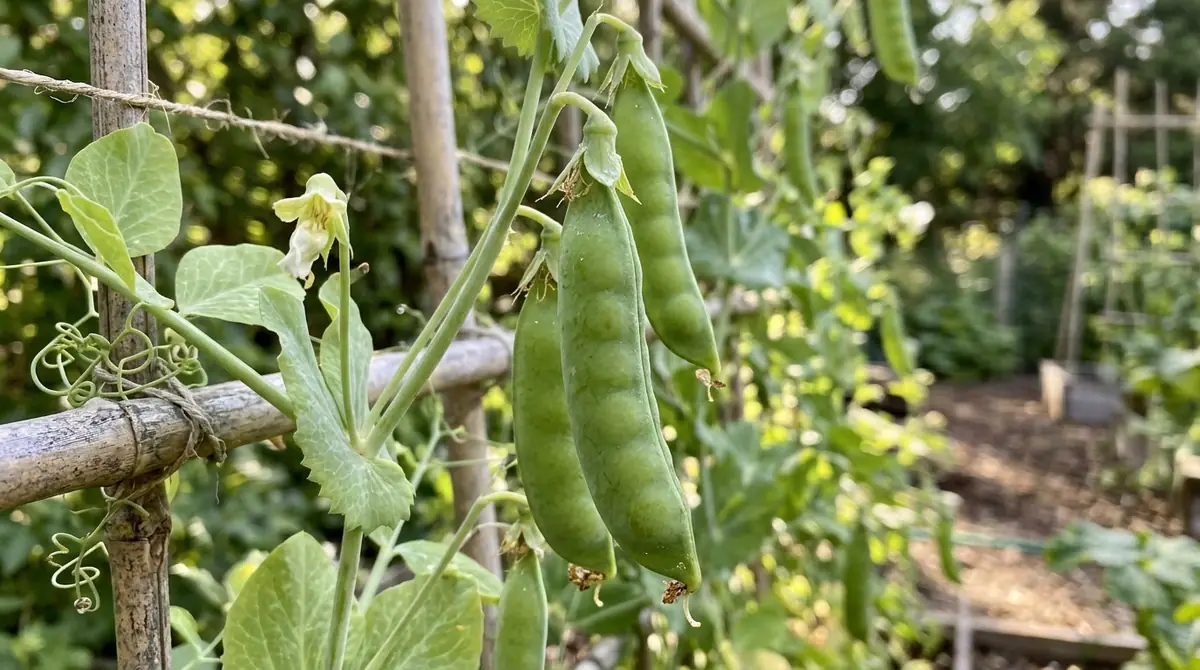
Standing in my kitchen garden last spring at dawn, with frost still crunching beneath my boots, I held a pod of Pisum sativum ‘Sugar Snap’ between my thumb and forefinger. Squeezing it gently, I felt for the resistance of the interior seeds—firm and plump like tiny glass marbles, yet not hard enough to burst the seam. I split the pod open, popped a single pea onto my tongue, and tasted that electric rush of natural sugar before it converts to starch. That precise sensory check is something no calendar date can teach you, but it is the exact skill you need to master. Knowing when are peas ready to pick is an art rooted entirely in botany, timing, and tactile observation.

1. Botanical Overview & Natural Habitat
Peas belong to the Fabaceae family, commonly known as the legume, pea, or bean family. Botanically designated as Pisum sativum, the garden pea is a cool-season annual climbing vine equipped with specialized modified leaves called tendrils. These tendrils wrap around supports to hoist the hollow, succulent stems upward, reaching heights anywhere from 18 inches (45 cm) to over 6 feet (1.8 m) depending on whether you choose dwarf, semi-vine, or tall indeterminate cultivars.
The evolutionary origin of Pisum sativum traces back to the Mediterranean basin and the Near East, where ancestral wild variants adapted to cool, moist winters and mild, dry springs. Because of this evolutionary heritage, peas thrive when ambient temperatures hover between 55°F and 65°F (13°C to 18°C). When temperatures routinely exceed 75°F (24°C), the plant perceives environmental stress, halts flower production, drops existing blossoms, and accelerates its lifecycle toward seed set, which instantly degrades the flavor profile of your crop.
Morphologically, the pea plant produces papery, zygomorphic flowers typically colored white, pink, or purple, featuring a banner, two wings, and a keel that encloses the reproductive organs. Self-pollination is standard practice before the flower even fully opens. Once pollinated, the ovary swells into a legume pod containing a single row of ovules attached along a suture. Inside each developing seed, sugars are rapidly synthesized and stored. As the seed matures past its prime picking window, these simple sugars convert into complex starches, transforming tender culinary gems into mealy disappointments. Understanding this physiological ticking clock is the secret to knowing when are peas ready to pick.
2. Essential Environmental & Care Requirements
Growing high-yield, exceptionally sweet peas requires strict attention to environmental parameters. Deviate too far from their preferred conditions, and you will see stunted vine growth, powdery mildew outbreaks, or premature pod drop.
Soil preparation must begin weeks before planting. Peas demand well-draining soil rich in organic matter, with an optimal pH range of 6.0 to 7.0. Because peas form a symbiotic relationship with Rhizobium leguminosarum bacteria in the soil—which fix atmospheric nitrogen into a plant-usable form—heavy chemical nitrogen fertilization is unnecessary and actually counterproductive, as excess nitrogen leads to lush, leafy vine growth at the expense of flowers and pods.
Water management is equally critical. The root system of Pisum sativum is relatively shallow, typically residing in the top 12 inches (30 cm) of soil. They require consistent moisture—about 1 inch (2.5 cm) of water per week through rainfall or irrigation—especially during the flowering and pod-fill stages. Allowing the soil to dry out completely during pod development causes the seeds to shrivel inside the pod and stops sugar production dead in its tracks.
| Parameter | Optimal Condition | Common Mistake | Why It Matters |
|---|---|---|---|
| Soil Temperature | 45°F – 75°F (7°C – 24°C) | Planting too early in frozen mud | Seeds rot before germination due to fungal pathogens |
| Air Temperature | 55°F – 65°F (13°C – 18°C) | Exposing plants to sustained heat (>85°F) | Heat halts photosynthesis and converts pod sugars to starch |
| Soil pH | 6.0 – 7.0 | Planting in strongly acidic soil (<5.5) | Locks out essential micronutrients and inhibits nitrogen fixation |
| Watering Depth | Top 12 inches (30 cm) kept moist | Frequent shallow sprinkling | Encourages shallow rooting, making plants vulnerable to drought |
| Sunlight | 6 to 8 hours of direct sun | Shading under taller summer crops | Reduces photosynthetic rate and diminishes pod sweetness |
For comprehensive guidelines on optimizing cool-season vegetable beds, consult the Oregon State University Extension Service vegetable gardening resources.
3. Step-by-Step Cultivation, Feeding & Propagation
Growing exceptional peas involves careful timing, direct sowing, and meticulous harvest protocols. Because peas resent root disturbance, starting them indoors is rarely recommended—though if you are looking to master transplanting sensitive root systems later in the season, you might review methods similar to those used when you transplant cucumber seedlings. For peas, direct sowing is always best.
Step 1: Prepare and Inoculate the Soil
Work your garden bed in early spring as soon as the ground can be worked and is free of standing water. Mix in a generous layer of finished compost. Before dropping the seeds, dust them with a commercial Rhizobium legume inoculant powder. This ensures the necessary nitrogen-fixing bacteria are present immediately upon germination.
Step 2: Sow Seeds at the Correct Depth and Spacing
Dig a shallow trench or furrows 1 to 1.5 inches (2.5 to 3.8 cm) deep. Space your pea seeds 1 to 2 inches (2.5 to 5 cm) apart within the row. If planting multiple rows, keep them spaced 18 to 24 inches (45 to 60 cm) apart. Firm the soil gently over the seeds to ensure good seed-to-soil contact, and water thoroughly. Germination typically takes 7 to 14 days when soil temperatures are around 60°F (15°C).
Step 3: Install Trellising Early
Do not wait for the vines to flop over. Install netting, wire fencing, or branch cages right at planting time or when seedlings reach 3 inches (7.5 cm) tall. Cultivars like 'Telephon' or 'Sugar Snap' will quickly locate the support structures using their sensitive tendrils.
Step 4: Monitor Pod Development and Perform the Tactile Test
As flowers fade, swelling pods appear. Check your vines daily. Depending on whether you planted snow, snap, or shelling varieties, apply the correct harvest standard:
- Snow Peas (Pisum sativum var. saccharatum): Harvest when the pods are flat and the peas inside are barely larger than a pinhead, roughly 2 to 3 inches (5 to 7.5 cm) long.
- Snap Peas (Pisum sativum var. macrocarpon): Harvest when the pods become rounded, plump, and crisp, but before the seeds bulge so tightly that the pod walls split.
- Shelling Peas (Pisum sativum var. hortense): Harvest when the pods are completely filled, firm, and bright green, but before they turn dull green or yellow.
Step 5: Harvest with Care
💡 Pro-Tip: Never pull, yank, or twist pea pods off the vine with one hand. Pea vines possess surprisingly brittle stems. Instead, support the stem with one hand while pinching or snipping the pod stem cleanly with your thumbnail or garden shears. This prevents the vine from tearing, which opens up entry points for fungal diseases and keeps the plant producing new blossoms for weeks longer.
4. Common Problems, Pests & Troubleshooting
Even with meticulous care, the cool, damp spring weather that peas adore also attracts specific pests and pathogens. Recognizing early warning signs is vital to saving your harvest.
Powdery mildew (Erysiphe pisi) is the single most common fungal adversary for home gardeners. It appears as a white, flour-like dusting on leaves, stems, and older pods. It thrives when nights are cool and humid, followed by warm, dry days. To combat this, ensure your planting rows receive adequate airflow by maintaining proper spacing and avoiding overhead evening watering. Prune away heavily infected lower leaves immediately.
⚠️ Important Caution: Never compost pea vines infected with severe powdery mildew or Fusarium wilt. Fungal spores survive standard backyard compost temperatures and will reinoculate your soil next season. Bag and dispose of diseased plant tissue in municipal yard waste bins.
Aphids, particularly the pea aphid (Acyrthosiphon pisum), love clustering on the tender new growing tips of the vine. They feed on plant sap, causing distorted leaf growth and transferring viral diseases. Blast them off with a strong stream of water from a hose nozzle, or encourage beneficial predatory insects like lady beetles and lacewings into your garden.

5. Frequently Asked Questions
How many days does it take for peas to be ready to pick after flowering?
Most pea varieties are ready to harvest approximately 20 to 30 days after full bloom. The exact timeline depends heavily on ambient temperatures. During cool spring weather, pods develop slowly and retain their sweetness longer. During sudden warm spells, that maturation window compresses dramatically, requiring you to harvest every single day to catch them at their peak.
Do pea plants produce more pods after you harvest them?
Yes, absolutely. Peas are indeterminate or semi-determinate producers depending on the cultivar. Regular harvesting signals the plant to continue producing flowers and setting new pods. If you allow mature pods to dry out and form seeds on the vine, the plant registers that its reproductive mission is complete and instantly halts all further flower production, cutting your harvest short.
Can you eat pea pods that have grown too tough and fibrous?
While technically edible, overmature pods are unpleasantly woody and stringy due to the development of tough lignin fibers in the pod walls. If your shelling or snap peas get away from you and become starchy and hard, do not throw them away. Instead, strip out the tough pods and harvest just the interior peas to use in soups, purees, or stews where long cooking times soften them up.
What is the best time of day to harvest peas?
The absolute best time to pick peas is early in the morning, just after the dew has evaporated but before the sun warms the vines. At this hour, the plant tissues are fully turgid with water, and the sugar levels synthesized overnight are at their absolute maximum. Peas picked in the afternoon heat have lower sugar content and may already be showing signs of wilting.
For authoritative reference material on legume physiology and crop management, consult the Royal Horticultural Society (RHS) vegetable growing guides.
Related Guides
- When Are Peas Ready to Harvest
- When Are Peas Ready to Be Picked
- When to Pick Snap Peas
- When to Pick Peas
- When to Pick Poblano Pepper
📋 Table of Contents ▼ Click to expand
Tags:
Keep reading
🌿 Related Plants You Might Like

PlantSavvyWorld
Editorial team
PlantSavvyWorld is an independent botanical education project. Articles are drafted with AI assistance, then edited and checked against university extension services, botanical garden collections and other published horticultural sources.