

What Growing Zone is Rochester Ny
Written with AI assistance, edited and checked against horticultural sources.
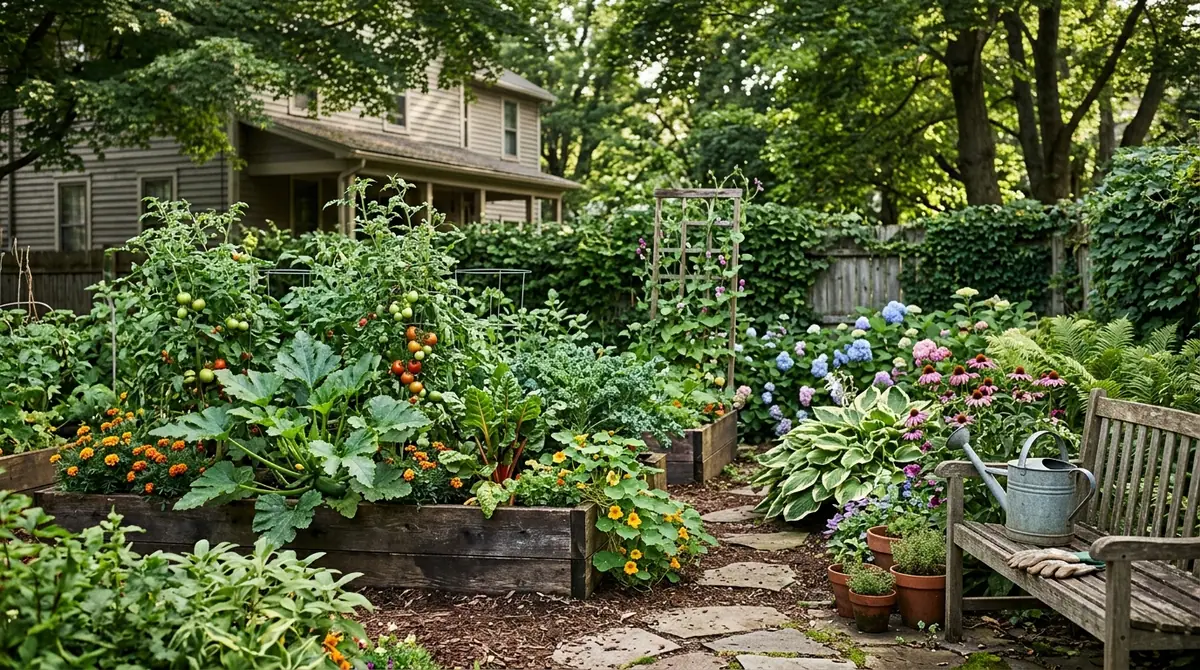

For vegetable gardeners, this environment requires precise timing. If you are tracking calendar schedules, you can look to resources like the Cornell University Department of Horticulture for local frost date shifts, or cross-reference general cool-season protocols like When Plant Potatoes Zone 5 to understand how northern latitudes dictate early spring root development.
1. Botanical Overview & Natural Habitat
Rochester’s landscape is shaped by the Wisconsin glaciation, leaving behind drumlins, rolling plains, and deep lake-plains with rich, glacial till soils. Native plant communities here belong broadly to the Eastern Deciduous Forest biome, specifically the transition zone between northern hardwood forests (sugar maple, American beech, yellow birch) and central lowland oak-hickory forests.
When you ask "what growing zone is rochester ny", you are looking at a region defined by four distinct seasons. Summers are warm and moderately humid, with average July highs hitting 82°F (27.8°C) and overnight lows dropping to a comfortable 62°F (16.7°C). Winters are cold, cloudy, and snowy, heavily influenced by the lake-effect snow machine off Lake Ontario, which blankets dormant perennials in a protective snowpack ranging from 2 inches (5 cm) to over 24 inches (61 cm) during heavy storms.
Annual precipitation in Rochester averages 34 inches (86 cm) to 38 inches (97 cm), distributed remarkably evenly across all twelve months. This reliable moisture makes it an exceptional habitat for moisture-loving woodland ephemerals, robust deciduous trees, and cool-season vegetables. However, the heavy clay content typical of local soils means native habitats often swing between waterlogged spring conditions and baked, cracked earth during July dry spells.
2. Essential Environmental & Care Requirements
Gardening successfully in Rochester's Zone 6a/6b requires working within specific environmental constraints. Soil pH across Monroe County ranges from slightly acidic (6.2) in wooded areas to mildly alkaline (7.5) in urban fill zones. The most common structural soil type is silty clay loam, which retains nutrients brilliantly but demands heavy organic amendment to prevent compaction.
Sunlight is another critical variable. Rochester is famously one of the cloudiest cities in the United States, averaging only 1,650 to 1,750 hours of sunshine annually. This means shade-loving plants thrive effortlessly, but heat-loving crops like solanaceous vegetables need every drop of direct light they can get.
| Parameter | Optimal Condition | Common Mistake | Why It Matters |
|---|---|---|---|
| Soil pH | 6.5 – 7.0 (Neutral) | Ignoring native clay compaction | Clay locks out micronutrients if roots cannot penetrate |
| Frost-Free Window | May 10 to October 15 (approx. 155 days) | Planting warm-season crops in late April | Late May frosts destroy tender tissue instantly |
| Irrigation | 1 inch (2.5 cm) per week via rain/supplement | Overwatering heavy clay soils | Waterlogged clay causes root rot and anaerobic conditions |
| Mulch Depth | 2 to 3 inches (5 to 7.5 cm) of shredded bark | Piling mulch against tree trunks | Volcano mulching invites fungal rot and rodent nesting |
💡 Pro-Tip: Because Rochester suffers from persistent cloud cover during early spring, do not rush to move tender vegetable starts outdoors based solely on air temperature. Soil temperatures must reliably reach 60°F (15.6°C) at a depth of 4 inches (10 cm) before direct-sowing warm-season crops. If you are mapping out your summer harvest timeline, review How Long Does It Take for Tomatoes to Grow Tomato Growing and Harvesting Guide to ensure your cultivars can mature before the inevitable October frost.
3. Step-by-Step Cultivation, Feeding & Propagation
Establishing a resilient garden in Zone 6 requires a strict sequence of operations that account for our short, intense growing season and unpredictable shoulder-season weather swings. Whether you are planting perennials or a kitchen garden, follow this structured cultivation protocol.
- Site Selection and Soil Testing: Core out a 6-inch (15 cm) core sample of your garden soil and send it to the Cornell Cooperative Extension to evaluate nutrient deficiencies and exact pH levels.
- Bed Preparation and Amendment: Spread a 3-inch (7.5 cm) layer of well-rotted compost and coarse organic matter over the soil surface, then incorporate it to a depth of 8 inches (20 cm) using a broadfork to avoid destroying beneficial soil fungi structures.
- Indoor Seed Starting: Initiate warm-season crops indoors under full-spectrum grow lights roughly 6 to 8 weeks before the average last frost date of May 10th. For precise seed-starting schedules on related crops, consult When to Start Tomatoes Indoors Zone 6.
- Hardening Off: Move your indoor-started seedlings to a protected, shady outdoor spot for 7 to 10 days, gradually increasing their exposure to direct sunlight and wind to prevent transplant shock.
- Transplanting and Root Establishment: Dig planting holes twice as wide as the root ball but no deeper. Water deeply immediately after backfilling to settle air pockets around the roots.
- Mulching and Moisture Retention: Apply a 2-inch (5 cm) ring of shredded hardwood mulch around plants, maintaining a 2-inch (5 cm) gap away from stems to deter collar rot.
- Seasonal Maintenance and Succession Sowing: Feed heavy feeders mid-season with a balanced organic granular fertilizer. Pull spent spring crops in late July and immediately replant cool-weather greens; for inspiration on timing secondary autumn crops, check out When to Plant Bok Choy Zone 7 adapted for northern microclimates.
⚠️ Important Caution: Never work or till clay soil in Rochester when it is wet after a heavy spring downpour. Doing so shatters soil aggregates, turning your beds into a brick-hard concrete consistency that will stunt root growth for the entire season.
4. Common Problems, Pests & Troubleshooting
Rochester's humid continental climate creates specific pressures for gardeners. Understanding these issues before they devastate your plants will save you seasons of frustration.
- Powdery Mildew (Erysiphe species): Thrives in our humid late-summer air, coating leaves of bee balm, squash, and phlox in a white powdery substance. Prevent this by spacing plants at least 36 inches (90 cm) apart for maximum airflow, watering only at the base early in the morning, and treating early outbreaks with a spray of 1 tablespoon baking soda mixed with 1 gallon (3.7 liters) of water and a drop of liquid dish soap.
- Slugs and Snails: Proliferate in damp mulch and heavy clay soils, chewing ragged holes in hostas and tender greens. Control populations organically by sinking shallow dishes of beer into the soil level or applying iron phosphate bait pellets around susceptible borders.
- Voles and Mice: Lake-effect snowpacks provide insulated cover for rodents to chew the bark off young fruit trees and ornamental shrubs at the snow line. Guard against this by wrapping trunk bases with 1/4-inch (0.6 cm) galvanized hardware cloth buried 2 inches (5 cm) into the soil, extending it 18 inches (45 cm) high.
- Root Rot (Phytophthora and Pythium): Triggered by poorly draining clay soils combined with persistent spring rainfall. Prevent this by building raised beds at least 8 inches (20 cm) high if your native yard fails the standard percolation test (holding water for more than 4 hours).

5. Frequently Asked Questions
What is the exact USDA growing zone for Rochester, NY?
Rochester spans Zone 6a and Zone 6b. The city center and areas near Lake Ontario fall into Zone 6b (-5°F to 0°F), while the surrounding southern suburbs and higher terrain drop into Zone 6a (-10°F to -5°F).
When is the last expected frost date in Rochester, New York?
The average last spring frost occurs around May 10th, and the first fall frost typically arrives around October 15th, providing an average growing season length of approximately 155 frost-free days.
Can I grow Mediterranean herbs like lavender and rosemary outdoors in Rochester?
Yes, but with caveats. English lavender (Lavandula angustifolia) thrives in well-drained, gritty, alkaline soil in Zones 6a/6b. Rosemary (Salvia rosmarinus) is only reliably hardy to Zone 7 and must be potted and brought indoors to a sunny south-facing windowsill before nighttime temperatures drop consistently below 40°F (4.4°C).
What fruit trees grow best in Rochester's climate?
Cold-hardy apple varieties (such as 'Honeycrisp', 'McIntosh', and 'Cortland'), sour cherries ('Montmorency'), European plums, and cold-tolerant pear cultivars perform exceptionally well because they receive the necessary chilling hours (between 800 and 1,000 hours below 45°F / 7.2°C) required to break dormancy and set heavy fruit loads.
Related Guides
- What Hardiness Zone is Sacramento
- What Planting Zone is Sacramento Ca
- What Zone is Columbus Ohio
- What Planting Zone is Virginia in
- Zone 9 Plants Full Sun
- What Zone is Nh
- What Zone is Nebraska in for Planting
- What Zone is Nebraska for Planting
📋 Table of Contents ▼ Click to expand
Tags:
🌿 Related Plants You Might Like



PlantSavvyWorld
Editorial team
PlantSavvyWorld is an independent botanical education project. Articles are drafted with AI assistance, then edited and checked against university extension services, botanical garden collections and other published horticultural sources.