

What Zone is Nebraska in for Planting
Written with AI assistance, edited and checked against horticultural sources.
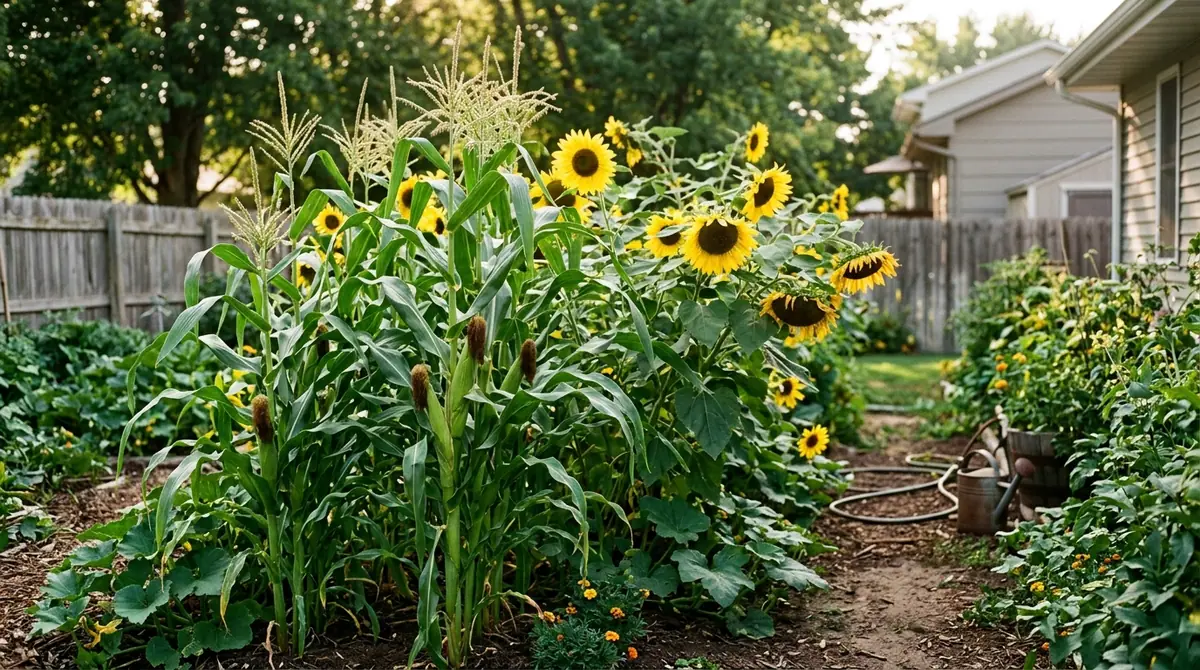
Stepping out onto my experimental terrace in late October, thermometer in hand, I watched the mercury plummet to -15°F (-26°C) overnight. For a landscape designer trying to establish delicate perennial borders, Nebraska’s notoriously fickle climate is a masterclass in horticultural resilience. When growers regularly ask, I always smile—because the short answer is that it spans three distinct zones, and the long answer is that every single square foot demands respect for wind, soil, and sudden continental shifts.
1. Botanical Overview & Natural Habitat

Understanding this geographical gradient is vital because Nebraska sits at a massive ecological intersection. Historically, the eastern third of the state supported dense deciduous woodlands and moist tallgrass prairies, characterized by rich, deep mollisol soils formed over millennia of grass roots decaying down to depths of 36 to 60 inches (91 to 152 cm). Moving westward into the Sandhills and the High Plains, the landscape shifts to mixed-grass and shortgrass prairie ecosystems. Here, annual precipitation drops sharply from 32 inches (81 cm) in the east down to a meager 15 inches (38 cm) in the west.
When you select plant stock for Nebraska, you are dealing with a continental climate defined by extreme thermal swings. Summer highs regularly exceed 95°F (35°C), while winter cold snaps can plunge below -20°F (-29°C) within a 48-hour window. Native species like Echinacea purpurea (Purple Coneflower) and Andropogon gerardii (Big Bluestem) thrive here because their root systems plunge up to 8 feet (2.4 meters) deep, anchoring them against gale-force prairie winds that frequently exceed 40 mph (64 km/h). As a designer, my primary job is translating these natural survival strategies into residential and commercial landscapes.
2. Essential Environmental & Care Requirements
Creating a thriving garden across Nebraska's diverse planting zones requires managing specific environmental parameters. Because the state experiences high solar radiation and relentless wind, moisture management is entirely different here than it is on the coasts.
Soil composition varies wildly depending on your county. In eastern river valleys, you will find fertile, loamy clay soils that retain moisture exceptionally well but can compact into brick-like structures if worked when wet. In the central and western regions, sandy loam and pure sand dominate, demanding frequent organic amendments to hold onto nutrients. Regardless of location, native Nebraska soils generally lean slightly alkaline, with pH levels hovering between 6.5 and 7.8.
💡 Pro-Tip: Always test your soil's percolation rate before planting woody ornamentals in Nebraska's heavy clay zones. Dig a hole 12 inches (30 cm) deep, fill it with water, and time how long it takes to drain. If it drains slower than 1 inch (2.5 cm) per hour, amend the surrounding backfill with coarse compost and consider mounding your planting beds to prevent root rot.
Sunlight is abundant, with the state averaging over 220 sunny days per year. Full sun parameters in Nebraska mean a minimum of 6 to 8 hours of direct, unfiltered solar exposure daily. However, afternoon sun combined with dry winds can scorch tender foliage.
Watering protocols must adapt to seasonal shifts. During the establishment phase of perennials and shrubs—typically the first 120 days—provide 1 inch (2.5 cm) of water weekly, delivered via deep, infrequent soakings rather than light, daily sprinkles. This forces roots to drive downward rather than staying dangerously close to the soil surface. Mulching is non-negotiable; apply a 3-inch (7.6 cm) layer of shredded hardwood bark across all beds to insulate roots against summer heat and the freeze-thaw cycles of late winter.
| Parameter | Optimal Condition | Common Mistake | Why It Matters |
|---|---|---|---|
| Soil pH | 6.5 to 7.8 (Neutral to slightly alkaline) | Forcing acid-loving plants without sulfur amendments | Extreme pH lockouts prevent roots from absorbing essential iron and manganese. |
| Irrigation Depth | 6 to 8 inches (15 to 20 cm) per watering session | Frequent, shallow surface watering (under 1 inch) | Shallow watering creates weak root systems vulnerable to drought and wind-throw. |
| Mulch Application | 3 inches (7.6 cm) depth, kept 2 inches away from stems | Piling mulch directly against tree trunks ("volcano mulching") | Trapped moisture causes bark decay, inviting fungal pathogens and wood-boring insects. |
| Wind Protection | Strategic placement of shelterbelts or living fences | Planting fragile specimens in unprotected, open-exposure corners | High wind velocity strips moisture from leaves faster than roots can absorb it, causing severe desiccation. |
3. Step-by-Step Cultivation, Feeding & Propagation
Establishing a resilient garden in Nebraska’s variable hardiness zones requires strict adherence to seasonal timing. Follow this step-by-step protocol to ensure high survival rates for your plantings.
- Conduct a Comprehensive Site and Soil Analysis: Before purchasing a single plant, map your yard's microclimates. Note where winter winds sweep unobstructed and where radiant heat from brick walls creates a warmer micro-zone. Test your soil texture and pH using a local extension service kit.
- Execute Deep Tillage and Organic Amendment: Clear existing sod within a 3-foot (91 cm) radius of your planting sites. Incorporate 2 inches (5 cm) of well-rotted compost or leaf mold into the top 8 inches (20 cm) of soil to improve microbial activity and drainage.
- Determine Your Last Frost Date and Timing: Check your specific county's historical data. In southeastern Zone 6b, the average last spring frost occurs around April 20th. In northwestern Zone 4b, frost risks persist until late May. Never plant warm-season annuals or tender perennials outdoors before these dates.
- Dig Correctly Sized Planting Holes: Dig holes twice as wide as the root ball but no deeper than the root flare. The top of the root ball must sit 0.5 to 1 inch (1.3 to 2.5 cm) above the surrounding grade to account for natural settling.
- Implement Initial Watering and Mulching: Saturate the root ball thoroughly immediately after placing the plant in the ground. Apply your 3-inch (7.6 cm) organic mulch ring, ensuring a 2-inch (5 cm) clearance around the main stems to prevent collar rot.
- Establish a Targeted Feeding Schedule: Apply a balanced, slow-release organic granular fertilizer (such as a 5-10-5 formulation) in early spring as new shoots emerge. Avoid high-nitrogen synthetic fertilizers late in the season, as they stimulate tender growth that will be instantly killed by early autumn freezes.
- Propagate Through Division or Hardwood Cuttings: For established perennials like hostas, daylilies, and native grasses, divide clumps every 3 to 4 years in early spring before active growth begins. Use a sterilized spade to slice through the root mass, ensuring each division retains at least 3 to 5 healthy buds.
⚠️ Important Caution: Never prune woody ornamentals, fruit trees, or established shrubs in late summer or early autumn. Doing so stimulates a final flush of vulnerable green growth that cannot harden off before sub-zero winter temperatures arrive, resulting in extensive dieback or total plant mortality. For official regional guidelines, consult the University of Nebraska-Lincoln Extension.
4. Common Problems, Pests & Troubleshooting
Nebraska's continental extremes present distinct plant health challenges. Recognizing symptoms early is the difference between a thriving landscape and total crop loss.
Chlorosis in Alkaline Soils: If your maples or pin oaks develop bright yellow leaves with stark green veins during June, your plants are signaling iron chlorosis. This occurs because Nebraska's native soils bind iron molecules, making them unavailable to plants. Correction: Apply chelated iron (EDDHA) directly to the root zone and incorporate elemental sulfur to lower the local soil pH.
Winter Desiccation (Winter Burn): Evergreen conifers and broadleaf shrubs frequently suffer severe leaf browning and needle drop in late winter. This is not caused by cold temperatures, but by dry, freezing winds that pull moisture from foliage while the soil remains frozen solid, blocking root uptake. Correction: Water evergreens deeply right up until the ground freezes solid in November, and erect burlap windbreaks around vulnerable specimens planted in exposed western locations.
Japanese Beetles (Popillia japonica): These metallic green pests emerge in massive swarms during July, chewing skeletonized patterns into the foliage of over 300 plant species, including roses, lindens, and fruit trees. Correction: Hand-pick adults in the early morning when they are sluggish, dropping them into a bucket of soapy water. Avoid using pheromone traps, as they inadvertently lure more beetles into your yard from surrounding properties. Reference the Lady Bird Johnson Wildflower Center database for regionally appropriate pest-resistant native alternatives.

5. Frequently Asked Questions
What zone is Omaha, Nebraska in for planting?
Omaha is situated squarely in USDA Hardiness Zone 5b. Gardeners here can expect average annual extreme minimum winter temperatures falling between -15°F and -10°F (-26°C to -23°C). This allows for a wide selection of cold-hardy perennials, ornamental grasses, and mid-sized deciduous trees, though tender tropicals must be treated as annuals or brought indoors for the winter.
When should I start seeds indoors in Nebraska?
The ideal timing depends on your specific frost zone, but generally, indoor seed starting begins 6 to 8 weeks before your region's average last spring frost date. For central Nebraska (Zone 5), this means starting warm-season crops like tomatoes and peppers indoors during mid-to-late March, ensuring they are ready for hardening off and outdoor transplanting by mid-May.
Can I grow Mediterranean herbs like lavender in Nebraska?
Yes, you can successfully grow lavender in Nebraska, provided you solve the drainage puzzle. Lavender fails not from the winter cold, but from wet winter roots and heavy clay soils. Plant your lavender in an elevated raised bed or slope amended generously with coarse sand and pea gravel, ensuring full, unobstructed south-facing sun exposure and a neutral to slightly alkaline pH.
What are the best drought-tolerant trees for western Nebraska?
For western Nebraska's drier climate (Zones 4b to 5a), prioritize species that have evolved to withstand intense wind and minimal precipitation. Excellent choices include the Bur Oak (Quercus macrocarpa), Hackberry (Celtis occidentalis), and Rocky Mountain Juniper (Juniperus scopulorum). Once established over a 2-year period, these trees require minimal supplemental irrigation and stand up exceptionally well to high-velocity prairie winds.
Related Guides
- What Zone is Nebraska for Planting
- What Planting Zone is Sacramento Ca
- What Zone is Columbus Ohio
- What Planting Zone is Virginia in
- Zone 9 Plants Full Sun
📋 Table of Contents ▼ Click to expand
Tags:
🌿 Related Plants You Might Like


PlantSavvyWorld
Editorial team
PlantSavvyWorld is an independent botanical education project. Articles are drafted with AI assistance, then edited and checked against university extension services, botanical garden collections and other published horticultural sources.