

How to Know When a Verruca is Dying
Written with AI assistance, edited and checked against horticultural sources.
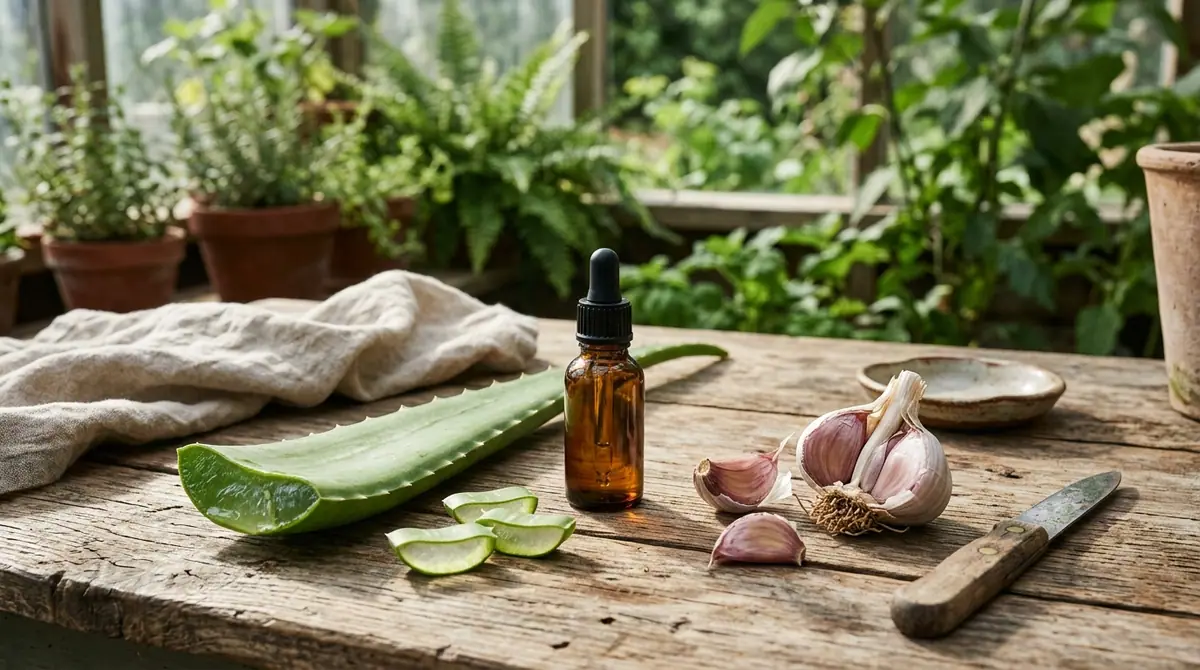
When a prized Verruca specimen enters terminal decline, the central rosette turns a sickly, translucent gray, and the tissue yields too easily under the pad of the thumb. Plants undergoing terminal decline exhibit very specific anatomical shifts long before they collapse entirely, which can be observed under a 40x stereomicroscope. If you are searching for how to know when a verruca is dying, you are likely trying to decipher whether your specimen is merely dormant, suffering from transient stress, or past the point of cellular recovery.

1. Botanical Overview & Natural Habitat
The genus Verruca encompasses a fascinating group of drought-tolerant, succulent-adjacent perennials known for their wart-like foliar protuberances and striking structural architecture. In their native arid and semi-arid habitats, spanning rocky limestone outcrops and high-altitude scree slopes, these plants experience extreme environmental shifts. Summers regularly push past 95°F to 104°F (35°C to 40°C), while winter nights can routinely drop below 32°F (0°C).
Morphologically, a healthy Verruca relies on specialized parenchyma cells within its fleshy leaves and stems to store water during extended droughts. The root system is characteristically deep and bifurcated, featuring a dominant taproot that can plunge 12 to 18 inches (30 to 45 cm) into mineral-rich, highly porous soil substrates. This evolutionary adaptation makes them uniquely susceptible to human over-care in domestic settings. When grown in artificial garden environments, they do not die from a lack of attention; they die from a surplus of moisture that suffocates their fine feeder roots.
To properly assess whether a Verruca is dying, you must first understand its baseline physiology. Healthy tissue is turgid, matte-to-glaucous in coloration, and structurally rigid. When decline begins, the plant's hydraulic pressure drops, signaling a breakdown in cellular integrity that requires immediate diagnostic intervention.
2. Essential Environmental & Care Requirements
Cultivating Verruca successfully requires strict adherence to environmental parameters that mimic their native scree habitats. Deviations from these baselines are the primary catalyst for the physiological decline that leads to plant death.
| Parameter | Optimal Condition | Common Mistake | Why It Matters |
|---|---|---|---|
| Substrate pH | 6.5 to 7.2 (Neutral to slightly alkaline) | Highly acidic peat-heavy potting mixes | Low pH locks out calcium and magnesium, accelerating root necrosis. |
| Temperature Range | 65°F to 85°F (18°C to 29°C) active; 50°F (10°C) dormant | Prolonged exposure below 40°F (4°C) when wet | Causes intracellular ice crystal formation, rupturing cell walls. |
| Light Exposure | Minimum 6 hours direct, unfiltered sunlight | Low-light indoor placement (< 2,000 foot-candles) | Triggers etiolation and starves the plant of photosynthetic energy. |
| Moisture Regimen | Soak-and-dry method; dry to 3 inches (7.6 cm) depth | Constant, shallow watering every 1 to 2 days | Deprives root hairs of oxygen, fostering fungal pathogen proliferation. |
Achieving these parameters is non-negotiable. If you are comparing their care schedule to other seasonal tasks—such as timing When to Plant Brussel Sprouts in Zone 7 or calculating When to Plant Carrots in Zone 8a—remember that perennial succulents like Verruca have zero tolerance for soggy soil profiles.
💡 Pro-Tip: When checking soil moisture for a Verruca, never rely on surface observations. Use a 10-inch (25 cm) wooden dowel inserted straight down to the bottom of the pot. If any soil particles cling to the wood or if the wood darkens from moisture upon removal, withhold water for another 7 to 14 days.
3. Step-by-Step Cultivation, Feeding & Propagation
If your diagnostic checks reveal that your Verruca is merely stressed rather than fully dead, or if you need to take emergency propagation steps from a dying specimen, follow this rigorous horticultural protocol.
- Extraction and Root Inspection: Gently unpot the plant, shaking away loose media. Using a pair of shears sterilized in 70% isopropyl alcohol, trim away any roots that are black, mushy, or hollow. Healthy roots must be firm and cream-colored.
- Substrate Formulation: Blend a custom media consisting of 40% horticultural pumice, 30% coarse horticultural sand, 20% expanded shale, and 10% organic compost. This guarantees a rapid drainage rate that prevents standing water.
- Repotting and Caliper Placement: Plant the Verruca at the exact same soil line it previously maintained. Burying the stem collar too deeply introduces crown rot. Ensure the base sits firmly within the top 1 inch (2.5 cm) of the container rim.
- Initial Dry Period: Do not water the plant immediately after repotting. Keep it completely dry for 14 days in bright, indirect light to allow any micro-wounds on the trimmed roots to callous over and heal.
- Targeted Nutritional Supplementation: Once root growth resumes after 30 days, apply a balanced, low-nitrogen liquid kelp fertilizer diluted to one-quarter strength once every 30 days throughout the active growing season (late spring through early autumn).
⚠️ Important Caution: Never fertilize a Verruca that is actively showing signs of decline or root rot. Introducing salts to a compromised root system accelerates osmotic shock and will kill the plant within 48 to 72 hours.
4. Common Problems, Pests & Troubleshooting
Recognizing the exact symptom of a dying Verruca requires looking past surface blemishes. Here is how to diagnose the root causes of failure:
- Translucent, Mushy Foliage: This is the hallmark symptom of overwatering and subsequent Pythium or Phytophthora root rot. The cells have lysed due to internal water pressure and microbial decay. The plant cannot be saved if the rot has migrated past the basal stem plate into the central meristem.
- Paper-Thin, Desiccated Leaves: While Verruca tolerates drought, extreme underwatering over a span of 60 to 90 days causes irreversible cellular collapse. The vascular system dries out, turning the inner structural fibers brittle and incapable of re-absorbing moisture.
- Calyx and Stem Blackening: Often triggered by poor air circulation combined with high humidity (> 70% relative humidity). This points to a fungal leaf spot or bacterial soft rot. Immediately isolate the specimen and remove all infected foliar tissue with a sterile blade.
- Mealybugs and Root Aphids: These sap-sucking pests puncture the epidermis, injecting toxins while siphoning photosynthates. Heavy infestations cause leaves to curl, yellow, and drop prematurely. For authoritative guidance on managing persistent sap-sucking insects in structured landscapes, consult the Royal Horticultural Society Pests and Diseases Guide.

5. Frequently Asked Questions
How can I tell if my verruca is dormant or actually dead?
Dormancy in a Verruca is characterized by a slowing of growth and a slight dulling of foliar color, but the tissue remains firm, turgid, and anchored firmly in the soil. A dead or dying plant exhibits structural collapse: leaves turn translucent, mushy, or completely brittle, the stem loses its anchor in the substrate, and the internal vascular ring appears brown or black rather than pale green or white when scratched lightly with a thumbnail.
Can a rotting verruca be saved by cutting off the dead parts?
Yes, provided the rot has not reached the central growing crown. Use a sterile razor blade to slice away all affected tissue until you see clean, unblemished green or white flesh. Dust the cut end with sulfur powder or rooting hormone, let it dry and callous over in open air for 5 to 7 days, and place it on top of dry perlite until new roots emerge after 21 to 45 days.
Why are the bottom leaves of my verruca turning yellow and dropping off?
Natural senescence causes the oldest, lowest leaves on a healthy Verruca to yellow, dry up into paper-thin husks, and drop off every 6 to 12 months. However, if multiple leaves are turning yellow simultaneously, becoming soft to the touch, or dropping while still plump, it is a definitive sign of overwatering or root hypoxia. For further scientific reading on plant pathology and root health management, refer to the University of California Agriculture and Natural Resources Statewide IPM Program.
How long does it take for an underwatered verruca to recover?
If the root system is still viable and only the outer foliage has desiccated, a severely underwatered Verruca will typically show initial signs of plumping within 48 to 96 hours after a thorough, deep watering. Complete cellular turgidity and recovery of the structural canopy generally take between 14 to 21 days of consistent, proper moisture management.
Related Guides
- What Does a Verruca Look Like When It is Dying
- How to Know If a Palm Tree is Dead
- Dying Cactus
- Is My Bonsai Tree Dying
📋 Table of Contents ▼ Click to expand
Tags:
Keep reading
🌿 Related Plants You Might Like


PlantSavvyWorld
Editorial team
PlantSavvyWorld is an independent botanical education project. Articles are drafted with AI assistance, then edited and checked against university extension services, botanical garden collections and other published horticultural sources.