

When to Plant Strawberries in Kansas: Zone 6a/6b Seasonal Calendar
Written with AI assistance, edited and checked against horticultural sources.
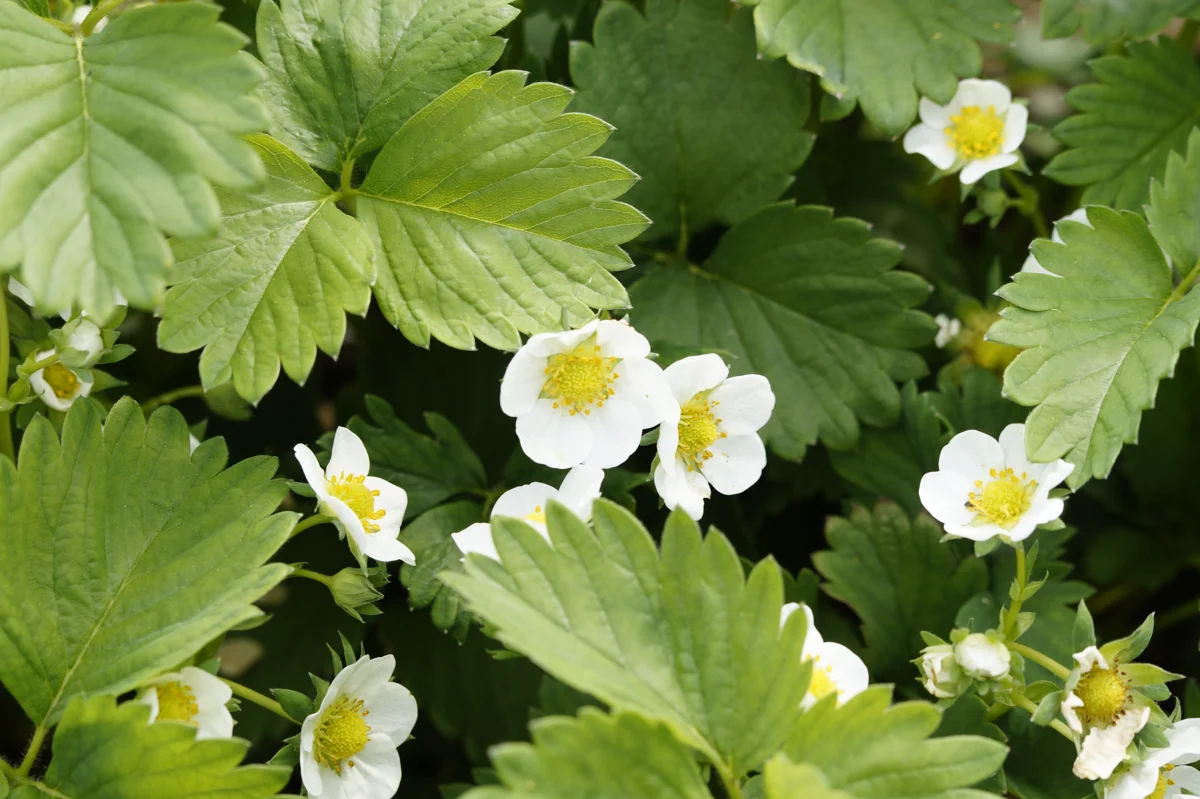
Dormant strawberry crowns can be planted in early March while the ground is still feeling the bite of winter and the soil remains a muddy mess. Although winds may still whip and conditions can feel like a gamble, taking the plunge with a little knowledge leads to a rewarding harvest of sweet, sun-warmed berries.

1. Botanical Overview & Natural Habitat
Strawberries, scientifically known as Fragaria, are perennial herbaceous plants belonging to the Rosaceae family, which also includes roses, apples, and pears. There are several species and numerous cultivars, but for home gardeners, we typically focus on Fragaria × ananassa (the common garden strawberry) and its various types. These plants are characterized by their creeping, above-ground runners (stolons) which root to form new plants, and their delicious aggregate-accessory fruits.
In their natural habitat, wild strawberries often thrive in woodland clearings, open meadows, and along forest edges. They prefer well-drained soil and can tolerate a range of light conditions, from full sun to partial shade. This adaptability is key to their success in diverse garden settings. In Kansas, understanding their natural inclination helps us mimic ideal conditions, ensuring they receive enough sunlight for fruit production while also being protected from the most extreme weather. The Midwest's continental climate, with its temperature swings, means our planting dates need to be carefully considered to avoid frost damage to tender new growth or heat stress during establishment.
2. Essential Environmental & Care Requirements
Successful strawberry cultivation in Kansas hinges on providing the right environmental conditions and consistent care. These plants, while resilient, have specific needs that, when met, lead to healthier plants and a more abundant yield.
- Sunlight: Strawberries are sun-lovers. Aim for at least 6-8 hours of direct sunlight per day. In Kansas's intensely hot summers, some afternoon shade can be beneficial for certain varieties, particularly ever-bearers, to prevent scorching and reduce water stress. However, insufficient light will drastically reduce flowering and fruit set.
- Soil: The ideal strawberry soil is fertile, well-drained, and slightly acidic, with a pH between 5.5 and 6.8. Excellent drainage is paramount to prevent root rot, a common issue in heavy, waterlogged soils. Amending clay-heavy Kansas soils with generous amounts of compost and organic matter is crucial. Raised beds are an excellent option here, providing superior drainage and allowing the soil to warm up more quickly in the spring.
- Watering: Consistent moisture is key, especially during fruit development and establishment. Aim for about 1-2 inches (2.5-5 cm) of water per week, either from rainfall or irrigation. Water deeply, but allow the soil surface to dry slightly between waterings. Drip irrigation or soaker hoses are ideal as they deliver water directly to the root zone, minimizing foliar diseases.
- Temperature: As a Zone 6a/6b climate, Kansas experiences significant temperature fluctuations. Strawberries are surprisingly hardy once established, with many varieties tolerating temperatures down to -10°F (-23°C) or lower in winter. However, newly planted crowns and blossoms are vulnerable to frost. Early spring planting aims to get the plants established before the intense summer heat and before late frosts have passed.
- Mulching: A layer of mulch (straw is traditional and gives the plant its name, but pine needles or shredded bark also work) is vital. It helps retain soil moisture, suppresses weeds, regulates soil temperature, and keeps berries clean. Apply mulch after planting and as needed throughout the season.
Here's a quick reference table to help you keep your strawberry planting on track:
| Parameter | Optimal Condition | Common Mistake | Why It Matters |
|---|---|---|---|
| Sunlight | 6-8+ hours of direct sun daily. | Planting in deep shade. | Insufficient light reduces flowering, fruit size, and overall plant vigor. |
| Soil pH | 5.5 - 6.8 (slightly acidic). | Ignoring soil pH; planting in alkaline soil. | Incorrect pH can lock up essential nutrients, leading to deficiencies and poor plant health. |
| Soil Drainage | Loamy, well-draining soil. Avoid heavy, compacted clay. | Planting in a location that stays soggy after rain. | Poor drainage leads to root rot, fungal diseases, and ultimately plant death. |
| Watering | Consistent moisture, 1-2 inches (2.5-5 cm) per week, especially during fruiting. Avoid waterlogged conditions. | Infrequent, deep watering or overwatering. | Inconsistent watering causes blossom drop and small, poorly formed berries. Waterlogging kills roots. |
| Temperature | Established plants tolerate cold. New growth/flowers vulnerable to frost. Summer heat can stress plants without water. | Planting too early before frost danger or too late into summer heat. | Frost can kill blossoms and young plants. Extreme heat without adequate water stresses the plants severely. |
| Mulching | 1-2 inch (2.5-5 cm) layer of organic mulch around plants. | No mulch or mulch too close to the crown. | Mulch conserves moisture, suppresses weeds, and protects roots from temperature extremes. |
| Planting Depth | For bare-root crowns: crown just at soil level. For potted plants: root ball even with soil surface. | Burying the crown or planting too high. | Burying the crown can lead to rot; planting too high dries out roots. |
3. Step-by-Step Cultivation, Feeding & Propagation
Successfully growing strawberries involves more than just planting. It requires a thoughtful approach to feeding, managing runners, and understanding how to propagate your plants for future seasons.
Planting Time: When to Get Your Hands Dirty
The existing article correctly highlights the critical timing for planting in Kansas Zone 6a/6b:
- Bare-Root Crowns: These are dormant, dormant plants, essentially dried roots with an attached crown. They are the earliest to plant. The ideal time is Early Spring, specifically Late March to mid-April, as soon as the ground can be worked. This means when you can dig into the soil without it being a solid block of ice or a sticky, unworkable mire. Aim for soil temperatures around 40-50°F (4-10°C). The goal is to get them established before the intense heat of summer and before they actively start growing and become susceptible to late frosts.
- Potted Transplants: These are young plants already started in pots. They offer a bit more flexibility. The best window is April 15 to May 10, after the hard freeze threats have diminished. While they can tolerate a light frost, a hard freeze can damage tender new foliage. Waiting until mid-April gives the soil more time to warm up and the plants a better chance to establish before facing extreme weather.
Step-by-Step Planting Process:
- Prepare Your Site: Ensure your chosen location receives ample sunlight and has well-draining soil. Amend the soil with compost, aiming for a loose, friable texture. If planting in rows, aim for rows about 3-4 feet (0.9-1.2 m) apart.
- Soak Bare-Root Crowns (if applicable): If using bare-root plants, soak their roots in a bucket of water for about 30 minutes to an hour before planting. Do not let them dry out once soaked.
- Dig Planting Holes: For bare-root plants, dig holes wide and deep enough to spread out the roots without bending them. For potted plants, dig holes large enough to accommodate the entire root ball.
- Position the Plant:
- Bare-Root: Place the crown (the short, thick stem between the leaves and roots) right at soil level. The roots should be spread downwards. Important Caution: Do not bury the crown; it will rot. Do not plant too high, or the roots will dry out.
- Potted: Set the plant so the top of the root ball is level with the surrounding soil surface.
- Backfill and Water: Gently fill the hole with soil, firming it around the roots to eliminate air pockets. Water thoroughly immediately after planting to settle the soil.
- Mulch: Apply a 1-2 inch (2.5-5 cm) layer of mulch around the plants, keeping it a little away from the immediate crown to prevent moisture buildup.
Feeding Your Strawberries:
- At Planting: Incorporate a balanced organic fertilizer or compost into the soil before planting.
- First Year: For June-bearing varieties, it's often recommended to remove all blossoms in the first year. This directs the plant's energy into establishing a strong root system and producing runners, leading to a much more productive second year. You can lightly fertilize after planting with a balanced fertilizer (e.g., 10-10-10) at a rate of about 1 ounce per 10 square feet (28 grams per square meter), worked gently into the soil surface.
- Subsequent Years:
- June-Bearers: Fertilize after the last harvest. This helps the plant replenish its energy reserves for the next season.
- Ever-Bearers/Day-Neutrals: Fertilize lightly every 4-6 weeks throughout the growing season when they are actively producing fruit. A balanced fertilizer or one slightly higher in nitrogen can be beneficial.
Propagation: The Magic of Runners
Strawberries naturally propagate themselves through runners. These are specialized stems that grow horizontally from the mother plant. At nodes along the runner, small plantlets form. These plantlets have tiny roots and leaves, and once they touch the soil, they will root and begin to grow into independent plants.
- Encouraging Runners: Ensure plants are well-fed and watered, especially in their first year. Removing first-year blossoms from June-bearers allows the plant to focus on runner production.
- Rooting Runners: You can gently guide runners to root by tucking them under a small amount of soil or a pebble. Once the plantlets have developed a good root system and a few leaves, they can be severed from the mother plant and transplanted to their permanent location. This is a fantastic, cost-effective way to expand your strawberry patch!
💡 Pro-Tip: When planting bare-root crowns, if you notice the roots are very long, you can trim them back slightly to about 4-6 inches (10-15 cm). This encourages the development of new feeder roots and makes them easier to plant without excessive bending.
4. Common Problems, Pests & Troubleshooting
Even with the best intentions, strawberry plants can encounter issues. Being prepared to identify and address common problems will save your crop.
- Poor Fruit Production: This is often due to insufficient sunlight, poor soil fertility, inconsistent watering, or the removal of too many blossoms in subsequent years. For June-bearers, a lack of winter chill or extremely late frosts can also impact yield.
- Diseases:
- Powdery Mildew: A white, powdery growth on leaves and fruit, favored by humid conditions and poor air circulation. Choose resistant varieties and ensure good spacing.
- Leaf Spot: Small, dark spots on leaves that can spread. Remove affected leaves and ensure good air circulation.
- Root Rot: Caused by waterlogged soil. Ensure excellent drainage.
- Gray Mold (Botrytis): Affects blossoms and fruit, causing them to rot. Remove affected parts promptly and avoid overhead watering.
- Pests:
- Slugs and Snails: These garden vandals love tender strawberries. Hand-picking them in the early morning or evening, using bait traps (beer traps are effective), or introducing beneficial nematodes can help.
- Aphids: Small, green or black insects that cluster on new growth. A strong blast of water, insecticidal soap, or attracting beneficial insects like ladybugs can control them.
- Spider Mites: Tiny pests that cause stippling on leaves and fine webbing. Increase humidity around plants and use insecticidal soap or neem oil.
- Birds and Squirrels: The ultimate challenge! Netting your plants as fruits begin to ripen is the most effective solution. Reflective tape or scare devices can offer some deterrence.

5. Frequently Asked Questions
When should I plant strawberries if I live in a colder part of Kansas, like Zone 6a?
For Zone 6a, you'll want to stick to the earlier end of the recommended planting windows to give your plants maximum time to establish. For bare-root crowns, aim for late March to the first week of April, as soon as the ground is workable. For potted transplants, aim for mid-April, keeping a close eye on the forecast for any late frost warnings. The key is to plant when the danger of a hard freeze has passed but the soil is still cool enough to not stress the young plants.
I bought strawberry plants, but the roots look dried out. Are they dead?
Dried-out roots are typical for bare-root strawberry crowns! This is how they are stored to remain dormant. As long as the crown (the central part where the leaves emerge) is firm and free from mold or rot, they are likely viable. Soaking them for 30 minutes to an hour in water before planting is crucial to rehydrate them. If the crown is mushy or black, it's likely no longer viable.
How do I know if my strawberry plants are getting enough sun in Kansas?
In Kansas, strawberry plants generally need a minimum of 6-8 hours of direct sunlight daily. If your plants are producing lush green leaves but very few flowers or fruits, insufficient sunlight is a prime suspect. You'll also notice that plants in shadier spots tend to be "leggy" and stretch towards the light. Observe the sun's path across your garden throughout the day to identify the sunniest spots. While some afternoon shade can be beneficial in extreme heat, a location that receives morning sun and at least part of the afternoon sun is ideal.
Can I plant strawberries in the fall in Kansas?
While spring planting is generally recommended for getting established plants and fruit in the following season, fall planting is possible for some strawberry types in Kansas (Zone 6a/6b) for next year's harvest. If planting in the fall, aim for late August to mid-September. This gives the plants enough time to establish their root systems before winter dormancy sets in, but it will mean you won't get a significant harvest until the following spring. You will need to provide good winter protection with a thick layer of mulch (straw is excellent) to shield the crowns from extreme cold and heaving. Spring planting is usually preferred for a more reliable first-year establishment and yield potential.
Related Guides
- When to Plant Onions in Southern California (Zone 9 & 10 Planting Calendar)
- When to Plant Strawberries Zone 6
- When to Plant Strawberries in Zone 6b
- When to Plant Strawberries in Zone 6
- When to Plant Beets in Kansas
Further Reading
Tags:
Keep reading
🌿 Related Plants You Might Like






PlantSavvyWorld
Editorial team
PlantSavvyWorld is an independent botanical education project. Articles are drafted with AI assistance, then edited and checked against university extension services, botanical garden collections and other published horticultural sources.