

When to Plant Purple Hull Peas
Written with AI assistance, edited and checked against horticultural sources.
1. Botanical Overview & Natural Habitat

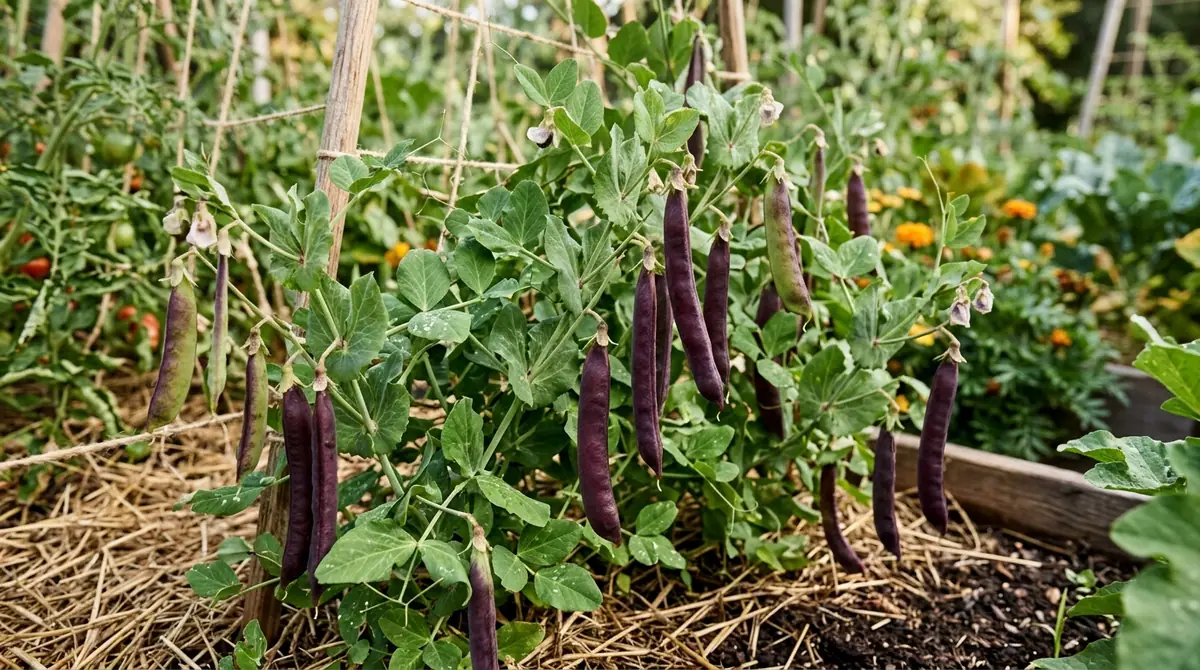
Botanically speaking, the plant features a taproot that can push 3 to 4 feet (90 to 120 cm) deep into the soil profile if conditions allow, searching out moisture long after shallow-rooted vegetables have given up. The leaves are trifoliate, dark green, and glossy, designed to minimize transpirational water loss. The characteristic "purple hull" color—ranging from a light lavender blush to a deep, striking violet—is caused by anthocyanin pigments concentrated in the pod walls in response to intense sunlight.
Because they are legumes, their roots establish a symbiotic relationship with Rhizobium bacteria. These microscopic partners fix atmospheric nitrogen into a plant-usable form, enriching the soil rather than depleting it. This makes them a phenomenal rotational crop in southern kitchen gardens, often planted after heavy feeders like those managed when planning When to Transplant Tomatoes or when preparing beds for autumn brassicas like When to Plant Brussel Sprouts in Zone 7.
2. Essential Environmental & Care Requirements
Timing your planting correctly is entirely dependent on soil temperature, not just the absence of frost. While a light frost will instantly kill a purple hull pea seedling, planting them too early in cold, wet soil is actually the leading cause of seed rot.
| Parameter | Optimal Condition | Common Mistake | Why It Matters |
|---|---|---|---|
| Soil Temperature | 65°F to 85°F (18°C to 29°C) | Planting below 60°F (15°C) | Cold soil causes seeds to rot before germination. |
| Air Temperature | 75°F to 95°F (24°C to 35°C) | Growing in perpetual shade | Lack of intense sun reduces anthocyanin development and pod set. |
| Soil pH | 6.0 to 6.5 | Highly acidic soil (< 5.5) | Low pH restricts nodulation and nitrogen fixation. |
| Watering Depth | 1 inch (2.5 cm) per week | Overhead sprinkler daily | Wet foliage invites fungal pathogens like powdery mildew. |
| Sun Exposure | Full sun (6–8+ hours) | Partial shade | Decreases overall harvest yield drastically. |
To dive deeper into regional soil management and climate-specific planting schedules, consult the comprehensive guides provided by the Clemson Cooperative Extension for southern growing zones.
💡 Pro-Tip: Do not rely on air temperature forecasts alone. Buy a digital soil thermometer, push it 4 inches (10 cm) into your garden bed at 9:00 AM, and do not drop your seeds until that reading consistently hits 65°F (18°C) for three consecutive days.
3. Step-by-Step Cultivation, Feeding & Propagation
Growing a bumper crop of purple hull peas requires precise timing, proper spacing, and minimal fuss once established. Follow this sequence for maximum pod production:
- Wait for the Soil to Warm: Ensure your local last frost date has passed and soil temperatures have stabilized at 65°F (18°C) or higher. In USDA Zones 7 through 10, this typically falls between April and June.
- Amend and Prepare the Bed: Work loose, well-draining loam or sandy loam to a depth of 8 inches (20 cm). Avoid heavy nitrogen fertilizers; excess nitrogen forces lush green vine growth at the expense of flower and pod production. If necessary, incorporate a small amount of phosphorus-rich bone meal.
- Inoculate the Seeds: Toss your dry seeds with a commercial Rhizobium inoculant right before planting, especially if you are growing in a new bed. This guarantees rapid nodule formation.
- Sow at the Correct Depth: Poke holes or trench rows 1 inch to 1.5 inches (2.5 to 3.8 cm) deep. Drop seeds every 3 to 4 inches (7.5 to 10 cm) within rows spaced 24 to 36 inches (60 to 90 cm) apart.
- Water Sparingly Until Germination: Water the bed thoroughly right after planting, then withhold heavy watering until seedlings emerge in 7 to 14 days. Too much moisture during germination leads to seed cracking and fungal rot.
- Thin and Weed: Once seedlings reach 4 inches (10 cm) tall, thin them to stand 6 inches (15 cm) apart so airflow remains unobstructed. Cultivate shallowly around them to keep weeds at bay without damaging the delicate taproot.
- Harvest at the Right Stage: Pick pods when they are fully plump, firm, and display their characteristic bright purple hue, but before the pods turn completely dry and brittle.
⚠️ Important Caution: Never soak purple hull pea seeds in water prior to planting to "speed up" germination. Their seed coats are extremely susceptible to splitting and rotting in wet soil; dry planting followed by gentle irrigation is vastly superior.
4. Common Problems, Pests & Troubleshooting
Even the toughest heirloom varieties encounter environmental stress and opportunistic pests. Here is how to diagnose and manage the most frequent issues in the field:
- Seed Rot and Damping-Off: If your seeds fail to emerge and turn mushy when dug up, the soil was too cold and wet. Always delay planting until spring genuinely settles in, mirroring the cautious timing required when learning When to Plant Bok Choy Zone 7.
- Cowpea Curculio (Chalcodermus aeneus): This small, dark brown snout beetle pierces the developing peas inside the pod to feed and lay eggs, leaving small dark spots on the hull. Hand-pick adults in the early morning, keep your garden clean of crop debris, and plant early in the season to outrun peak insect cycles.
- Flower Drop: If your vines are blooming profusely but dropping flowers without forming pods, daytime temperatures are likely exceeding 95°F (35°C) combined with high humidity, causing pollen sterility. Keep plants well-watered at the base to mitigate heat stress.
- Root-Knot Nematodes: Microscopic roundworms that cause galling on the roots, leading to stunted yellow plants. Practice a strict 3-year crop rotation and plant cover crops like marigolds or specific nematode-resistant cultivars to suppress populations.

5. Frequently Asked Questions
Can I plant purple hull peas in the fall?
Yes, in USDA Zones 8 through 10, you can plant a second crop in late summer (typically July through August) for a bountiful fall harvest before the first autumn freeze. Ensure the soil temperature remains warm enough for rapid germination and calculate backward from your expected first frost date, keeping in mind that most varieties require roughly 60 to 80 days from planting to harvest.
Do purple hull peas need a trellis?
Most traditional varieties are bush types that grow 18 to 24 inches (45 to 60 cm) tall and stand upright on their own without structural support. However, some heirloom or semi-vining types benefit from short stakes or low netting if grown in rich soil where heavy vine growth causes lodging.
How do I know when purple hull peas are ready to pick?
Harvest them when the pods are plump, firm, and display a vibrant purple or lavender coloration, and when the individual peas inside are fully formed but still tender and green. If you wait until the pods turn brown and dry, you will need to shell them as dry baking peas rather than fresh green southern peas.
Can I save seeds from my purple hull peas for next year?
Because purple hull peas are predominantly self-pollinating open-pollinated varieties, saving seeds is exceptionally reliable. Allow a few of the finest pods on your healthiest plants to dry completely brown and brittle on the vine, shell them, store the dry seeds in a cool, dark, airtight glass jar, and they will remain viable for up to three years.
Related Guides
- When to Pick Snap Peas
- When to Pick Peas
- When to Harvest Garden Peas
- When Can You Harvest Peas
- When Are Peas Ready to Pick
📋 Table of Contents ▼ Click to expand
Tags:
Keep reading
🌿 Related Plants You Might Like






PlantSavvyWorld
Editorial team
PlantSavvyWorld is an independent botanical education project. Articles are drafted with AI assistance, then edited and checked against university extension services, botanical garden collections and other published horticultural sources.