

When Plant Squash Seeds
Written with AI assistance, edited and checked against horticultural sources.
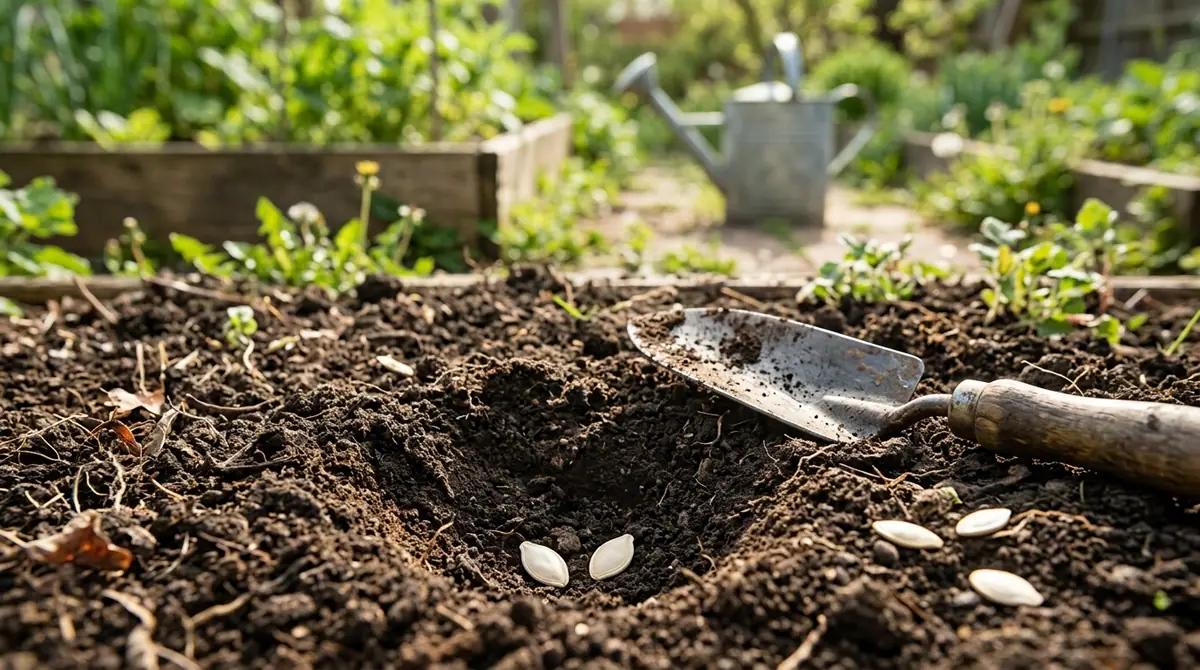
I still vividly remember standing in trial gardens three springs ago, holding a handful of flat, creamy-white 'Costata Romanesco' zucchini seeds while an unseasonal frost warning flashed across my phone. My garden beds were tilled, my soil thermometers were practically begging me to plant, yet I knew better. Squash are absolute heat-lovers; planting them a mere week too early traps them in cold, damp soil where they rot rather than germinate, or stunts their root systems for the rest of the season. Getting the timing right is the single most important decision you will make all year.

1. Botanical Overview & Natural Habitat
Squash plants belong to the vast and diverse Cucurbitaceae family, which includes pumpkins, melons, cucumbers, and gourds. Botanically, cultivated squash fall primarily into four distinct species within the genus Cucurbita: Cucurbita pepo (summer squash, acorn, zucchini, and many pumpkins), Cucurbita moschata (butternut and long-keeping tropical types), Cucurbita maxima (giant pumpkins, Hubbard, and turban squash), and Cucurbita argyrosperma (Cushaw types).
Understanding these species matters because their ancestral origins dictate their environmental tolerances. Evolutionary history ties squash to the Mesoamerican tropics and subtropics, where plants evolved alongside the "Three Sisters" polyculture system alongside maize and climbing beans. Because of this heritage, squash possess zero frost tolerance. Their metabolic processes completely shut down when ambient temperatures drop below 50°F (10°C).
Morphologically, squash plants feature a dual root system: a deep taproot that can plunge up to 3 or 4 feet (90 to 120 cm) into the subsoil searching for moisture, accompanied by an extensive, wide-reaching network of lateral feeder roots concentrated in the top 12 inches (30 cm) of soil. This structural design makes them exceptionally sensitive to root disturbance. When gardeners start seeds in containers that are too small or wait too long to transplant them, the root systems become root-bound and fail to establish that crucial taproot, permanently stunting fruit production.
For further reading on cucurbit genetics and regional growing trials, consult the Cornell University Vegetable Program.
2. Essential Environmental & Care Requirements
To successfully cultivate squash from seed, you must replicate their native warm-weather habitat. Soil temperature is your most critical metric. While air temperatures fluctuate wildly in spring, soil temperature dictates metabolic awakening in seeds.
| Parameter | Optimal Condition | Common Mistake | Why It Matters |
|---|---|---|---|
| Soil Temperature | 70°F to 95°F (21°C to 35°C) | Planting when soil is below 60°F (15°C) | Cold soil causes seeds to rot before germination. |
| Soil pH | 6.0 to 6.8 | Highly acidic soil (below 5.5) | Locks out essential micronutrients like calcium and phosphorus. |
| Sunlight | Full sun, 8+ hours daily | Shading by taller garden structures | Squash are high-energy plants; low light reduces pollination and yields. |
| Watering | 1 to 2 inches (2.5 to 5 cm) weekly | Overhead sprinkler irrigation on leaves | Wet foliage invites powdery mildew and fungal pathogens. |
Soil composition must be rich in organic matter. Work in a generous 3-inch (7.5 cm) layer of aged compost or well-rotted manure before planting. Because squash vines and bushes produce massive amounts of foliage and heavy fruit loads, they are heavy feeders. Adequate nitrogen fuels the expansive leaf canopy, while balanced phosphorus and potassium drive blossom development.
Air circulation is equally vital. Dense plantings trap humidity beneath the leaves, creating a breeding ground for fungal spores. Spacing bush varieties 3 feet (90 cm) apart and vining types 6 feet (1.8 meters) apart ensures adequate airflow. For companion planting insights or planning your layout alongside cool-season transitions like When to Transplant Snapdragon Seedlings, map your spatial requirements well in advance.
3. Step-by-Step Cultivation, Feeding & Propagation
Direct sowing is always the gold standard for squash because their sensitive taproots resent being transplanted. However, gardeners in short-season climates (USDA Zones 3 through 5) must start seeds indoors to secure an adequate harvest window. Here is the exact protocol I use in my professional design practice.
Step 1: Determine Your Timing
Calculate your target planting date backwards from your average last spring frost date. If direct sowing, plant seeds 1 to 2 weeks after your last frost date, once soil temperatures consistently hit 70°F (21°C). If starting indoors, sow seeds 3 to 4 weeks before your last frost date. Do not start them any earlier; squash seedlings outgrow indoor containers in less than a month and suffer severe transplant shock if root-bound.
Step 2: Select Your Containers and Medium (If Starting Indoors)
Use biodegradable peat pots, cow pots, or large 4-inch (10 cm) square nursery pots. Biodegradable pots are superior because you can plant the entire container directly into the ground, preserving the delicate taproot. Fill your containers with a sterile, lightweight seed-starting mix rather than heavy garden soil.
Step 3: Sow the Seeds at the Correct Depth
Push 2 to 3 seeds into each pot or planting hill at a depth of 1 inch (2.5 cm). Press the soil down gently to ensure good seed-to-soil contact, which is necessary for moisture absorption.
Step 4: Maintain Warmth and Moisture
Water the soil thoroughly with a fine mist or rose attachment to avoid displacing the seeds. Cover indoor trays with a humidity dome or clear plastic wrap until germination occurs. Maintain a soil temperature between 75°F and 85°F (24°C to 29°C) using a seedling heat mat. Germination typically occurs rapidly—within 4 to 10 days.
Step 5: Thin the Seedlings
Once your seedlings emerge and develop their first set of true leaves, select the strongest, most vigorous plant per pot or hill and snip the weaker ones away at the soil line using clean snips. Never pull them out; pulling disturbs the root system of the surviving plant.
Step 6: Harden Off (Indoor Starts Only)
Begin hardening off your indoor-started seedlings roughly 7 to 10 days before your outdoor planting date. Expose them gradually to outdoor conditions: start with 1 hour of filtered morning sunlight in a sheltered spot, increasing outdoor exposure by an hour each day.
Step 7: Transplant Into the Garden
Prepare your outdoor mounds or raised beds by amending the soil with compost. Dig a hole slightly larger than your container. If using biodegradable pots, tear away the top rim so it does not wick away surface moisture, and bury the pot completely. Tamp the soil firmly around the base and water deeply to settle the roots.
💡 Pro-Tip: If you live in a cooler region where late frosts threaten your young squash, create mini-greenhouses over your direct-sown hills by cutting the bottoms off clear plastic gallon jugs and pressing them 2 inches (5 cm) into the soil over your seeds. Remove them once true leaves appear to prevent overheating.
⚠️ Important Caution: Never handle squash plants when the foliage is wet from dew or rain. The microscopic water droplets act as a vehicle for spreading fungal spores like powdery mildew and bacterial wilt from plant to plant on your hands and tools.
4. Common Problems, Pests & Troubleshooting
Even with perfect timing, squash face a gauntlet of common physiological hurdles and insect pests. Identifying symptoms early saves your crop.
- Blossom Drop (No Fruit Set): Early flowers are almost exclusively male. Do not panic when the first wave of blossoms drops off the vine without setting fruit; female flowers (identifiable by the tiny swollen fruit at the base of the petal) will appear 7 to 10 days later. Lack of bees or extreme heat above 95°F (35°C) can also cause blossom abortion. Hand-pollinating with a cotton swab can salvage yields during poor weather.
- Squash Vine Borer (Melittia cucurbitae): This is the ultimate nemesis of squash growers. A clear sign of attack is a sudden wilting of a single vine accompanied by small holes at the base of the stem with damp, sawdust-like frass. Combat this by wrapping the lower 6 inches (15 cm) of the stem with aluminum foil at planting time, or inject Bacillus thuringiensis (Bt) directly into the stem if bores are detected.
- Powdery Mildew: Appearing as a white, powdery dusting on the upper and lower surfaces of leaves, this fungus thrives in humid, stagnant air. Prevent it by ensuring wide spacing and watering strictly at the base of the plant. For severe outbreaks, spray with a preventative solution of organic potassium bicarbonate or neem oil.
- Stunted Growth & Chlorosis: If your young plants refuse to grow and exhibit yellowing leaves, check your soil drainage. Squash despise "wet feet." Waterlogged soil starves the roots of oxygen, mimicking drought stress because damaged roots cannot take up water. If you are balancing multiple garden tasks—such as figuring out When to Start Tomatoes Indoors Zone 6—always prioritize dedicating your best-drained, sunniest plots specifically to your squash and tomatoes.

5. Frequently Asked Questions
Can I plant squash seeds directly in the ground?
Yes, direct sowing is actually preferred because squash hate having their taproots disturbed. As long as your local soil temperature has reached at least 70°F (21°C) and all danger of frost has passed, drop your seeds straight into prepared garden soil at a depth of 1 inch (2.5 cm). They will germinate rapidly and often outperform transplanted starts by mid-summer.
How many squash seeds should I plant per hole?
Plant 3 seeds per hole or planting hill. Planting multiple seeds ensures that at least one strong seedling emerges even if insect predation or poor germination affects one. Once the seedlings reach about 3 inches (7.5 cm) tall and display their first true leaves, thin them out by snipping away the weaker contenders, leaving just the single healthiest plant per spot.
What happens if I plant squash seeds too early in cold soil?
If you plant squash seeds when soil temperatures drop below 60°F (15°C), the seeds will sit dormant in the damp earth and rot before they ever have a chance to germinate. Even if a few manage to sprout, the cold shock permanently stunts their root system, resulting in weak plants that produce poor yields and succumb easily to disease.
Do squash seeds need light to germinate?
No, squash seeds do not require light to germinate. In fact, covering them with 1 inch (2.5 cm) of soil is essential because darkness combined with warm, moist soil triggers their biological cue to break dormancy and push upward. Once the green cotyledons break the soil surface, however, they immediately require 8 to 10 hours of bright sunlight daily. For guidance on light setups when managing mixed seedlings indoors, reference expert horticultural resources like the Royal Horticultural Society.
Related Guides
- When to Start Squash Seeds Indoors
- When to Plant Squash in Georgia
- Growing Harvesting Spaghetti Squash
📋 Table of Contents ▼ Click to expand
Tags:
Keep reading
🌿 Related Plants You Might Like






PlantSavvyWorld
Editorial team
PlantSavvyWorld is an independent botanical education project. Articles are drafted with AI assistance, then edited and checked against university extension services, botanical garden collections and other published horticultural sources.