

The Best Compost Bin Only Costs About 40
Written with AI assistance, edited and checked against horticultural sources.
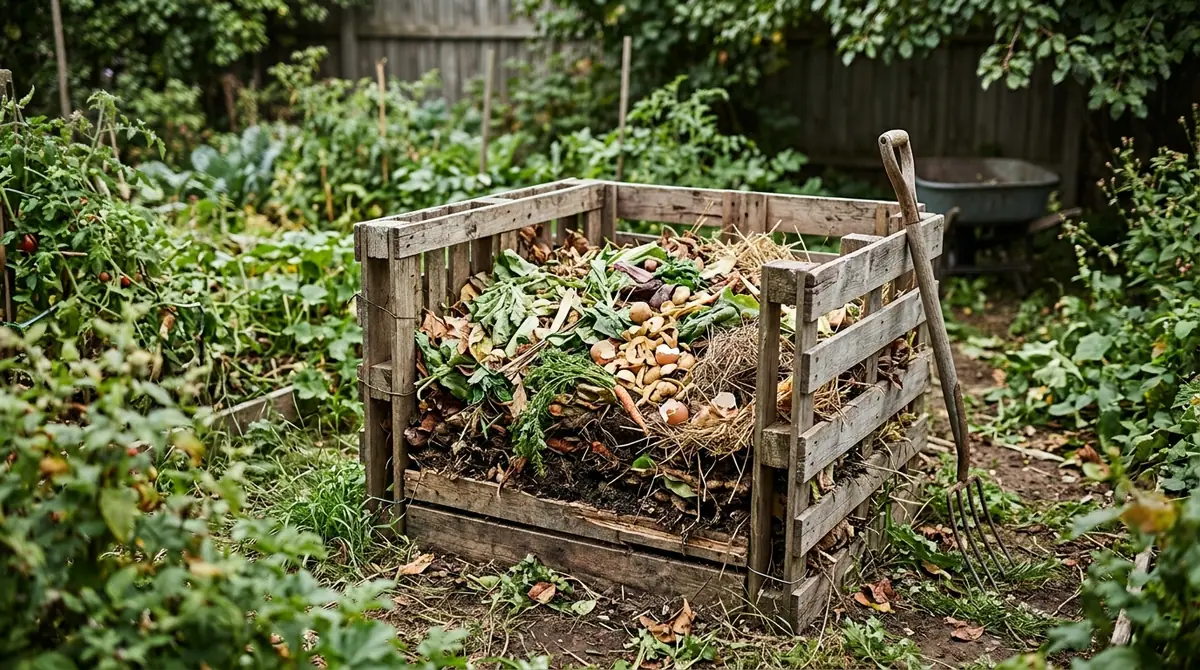
Raw kitchen scraps and autumn maple leaves inside a dark, rotating plastic tumbling composter undergo a furious biological transformation, radiating heat straight through the plastic shell into the crisp 45°F (7°C) morning air. While decades of horticultural practice have analyzed soil microbiomes, tested high-end stainless steel systems, and designed sprawling municipal landscapes, a modest, budget-friendly tumbler proves an undeniable truth: the best compost bin only costs about 40 dollars, outperforming elaborate wooden three-bin systems and expensive imported contraptions simply by engineering the physics of aerobic decomposition correctly. PlantSavvyWorld treats garden soil with rigorous science applied to rare botanical specimens.
1. Botanical Overview & Natural Habitat

When we replicate this natural habitat inside a compact, 40-dollar enclosed tumbling bin, we are essentially building a microscopic ecosystem optimized for carbon-to-nitrogen conversion. The botanical value of finished compost lies in its colloidal structure. It acts as a sponge, holding up to 20 times its dry weight in water while maintaining macro-pore spaces that prevent root suffocation.
Furthermore, high-grade compost introduces millions of beneficial microorganisms that colonize the rhizosphere of your ornamental plants and vegetables, creating a biological shield against soil-borne pathogens like Pythium and Fusarium. Whether you are amending heavy clay beds or preparing holes for specimens chosen from our guide to 15 Best Trees for Driveways That Won't Crack Concrete, integrating rich, home-produced humus ensures optimal root-zone aeration and nutrient exchange.
2. Essential Environmental & Care Requirements
Operating a budget-friendly compost bin successfully requires managing four primary environmental variables: moisture, aeration, carbon-to-nitrogen ratio, and internal temperature. Neglect any one of these, and your biological engine will stall, turning your bin into a foul-smelling, anaerobic sludge pit.
| Parameter | Optimal Condition | Common Mistake | Why It Matters |
|---|---|---|---|
| Moisture Content | 40% to 60% (feels like a wrung-out sponge) | Over-saturating with wet kitchen waste | Excess water expels oxygen, causing anaerobic rot and foul odors |
| Carbon:Nitrogen (C:N) | 30:1 initial ratio | Adding too much lawn grass or coffee grounds | Imbalances stunt microbial reproduction and stall heating phases |
| Aeration | Oxygen levels above 10% inside the core | Never rotating or turning the drum | Anaerobic bacteria take over, producing phytotoxic organic acids |
| Core Temperature | 130°F to 160°F (54°C to 71°C) | Allowing the mass to drop below 100°F (38°C) | High heat destroys weed seeds and plant pathogens effectively |
Maintaining these parameters within an affordable 40-dollar tumbler is remarkably straightforward because the enclosed, UV-stabilized polyethylene shell traps ambient heat and moisture far better than open wire bins exposed to drying winds. For deeper scientific backing on decomposition chemistry, consult the Cornell Waste Management Institute Composting Guide.
💡 Pro-Tip: When loading your budget tumbler, always layer your carbon and nitrogen materials rather than dumping them in massive clumps. I keep a dedicated bucket of shredded cardboard and dry autumn leaves right next to my back door, tossing a handful in every single time I empty a bowl of vegetable scraps.
3. Step-by-Step Cultivation, Feeding & Propagation
Transforming raw kitchen scraps and yard waste into nutrient-rich garden gold inside an affordable 40-dollar bin is an exact sequence of biological events. Follow this structured protocol to achieve finished compost in as little as 30 to 45 days.
- Pre-Conditioning and Sizing: Chop bulky garden stems and stubborn organic materials down to pieces measuring no larger than 1 to 2 inches (2.5 to 5 cm) to drastically increase the surface area available for microbial attack.
- Establishing the Base Layer: Fill your 40-dollar bin halfway, maintaining a strict 3-to-1 volumetric ratio of brown carbon materials (shredded paper, dry leaves, straw) to green nitrogen materials (fruit peels, coffee grounds, fresh grass clippings).
- Moisture Inoculation: Spray the dry layers gently with a garden hose until the aggregate mixture reaches a moisture level comparable to a damp, wrung-out sponge. Avoid soaking pools at the bottom of the drum.
- Initial Thermophilic Spike: Close the drum securely and allow the mixture to sit undisturbed for 48 to 72 hours, during which mesophilic bacteria multiply rapidly and drive internal core temperatures up to 130°F (54°C).
- The Rotation Schedule: Rotate the tumbler 3 to 4 full turns every 3 days to reintroduce fresh oxygen, keeping the aerobic bacteria thriving and preventing foul anaerobic pockets from forming.
- Curing and Harvesting: Once the contents cool down to ambient ground temperature and resemble dark, crumbly, sweet-smelling earth after 4 to 6 weeks, empty the bin through the sliding door and screen out any un-degraded twigs.
⚠️ Important Caution: Never add meat scraps, dairy products, cooking oils, pet wastes, or diseased plant foliage to an enclosed residential tumbler. These items attract rodents, generate overpowering sulfurous odors, and can introduce persistent animal pathogens or viral plant diseases that low-capacity residential bins cannot reliably reach temperatures high enough to sterilize.
4. Common Problems, Pests & Troubleshooting
Even the most efficient budget composting systems occasionally hit biological snags. Diagnosing and correcting these issues quickly prevents the breakdown process from failing entirely.
-
Symptom: The bin smells strongly of rotten eggs or sulfur. Cause: Anaerobic conditions caused by excess moisture and compacted, oxygen-starved organic matter. Solution: Stop adding wet green waste immediately. Open the sliding hatch for two days to vent trapped gases, add a generous scoop of dry, coarse sawdust or shredded cardboard, and rotate the drum twice daily.
-
Symptom: The compost pile remains cold and refuses to break down. Cause: Insufficient nitrogen or inadequate moisture volume, common during freezing winter months. Solution: Inject a nitrogen boost by adding fresh green grass clippings, coffee grounds, or diluted liquid kelp meal. Ensure moisture levels are restored to the damp-sponge benchmark.
-
Symptom: Infestation of fruit flies or fungus gnats around the loading hatch. Cause: Exposed green waste sitting on the outer rim of the entry port without a protective brown carbon covering. Solution: Always bury fresh kitchen scraps at least 4 inches (10 cm) deep into the core mass, and immediately top off the load with a handful of dry leaves or carbon dust.

5. Frequently Asked Questions
Can a 40-dollar compost bin really break down food waste as fast as an expensive electric composter?
Yes, and often with superior microbial diversity. While electric countertop units simply dehydrate and grind food waste into sterile, semi-dehydrated flakes, a 40-dollar outdoor tumbling bin utilizes true aerobic thermophilic digestion. This living process builds active populations of beneficial bacteria, fungi, and actinomycetes that actually inoculate your garden soil with life, whereas electric machines produce a dead, raw powder that requires subsequent soil digestion anyway.
How do I prevent pests like mice and raccoons from chewing through an inexpensive plastic bin?
Affordable 40-dollar tumblers are typically manufactured from durable, high-density polyethylene raised off the ground on a steel frame, which inherently deters most burrowing rodents. To ensure complete security, place your tumbler on a bed of heavy-gauge hardware cloth or concrete pavers, and ensure the sliding door latches securely so raccoons cannot pry the tracks apart during nocturnal foraging.
What should I do if my compost is too wet and sludgy?
Sludgy compost indicates that water has displaced all the vital oxygen pockets within the drum. Immediately halt all additions of wet kitchen scraps. Open the access door fully on a dry, sunny day to let excess moisture evaporate, and mix in dry, highly absorbent carbon sources such as kiln-dried wood shavings, shredded egg cartons, or dry autumn leaves until the mixture regains a loose, crumbly texture.
Can I leave my compost tumbler outside during freezing winter weather?
You can leave your 40-dollar plastic tumbler outside year-round, though biological decomposition will slow down significantly or pause altogether when internal core temperatures drop below 40°F (4°C). The heavy-duty plastic shell withstands sub-zero freezes remarkably well. To protect the mechanical gear tracks from warping or cracking under extreme ice expansion, try to harvest your finished compost late in autumn, leaving the drum relatively empty until spring warmth reactivates microbial life.
Related Guides
- Topsoil and Compost Mix
- Compost As Topsoil
- Can You Compost Pistachio Shells
- Compost for Topsoil
- Maggots in Compost
📋 Table of Contents ▼ Click to expand
Tags:
Keep reading
🌿 Related Plants You Might Like





PlantSavvyWorld
Editorial team
PlantSavvyWorld is an independent botanical education project. Articles are drafted with AI assistance, then edited and checked against university extension services, botanical garden collections and other published horticultural sources.