

Best Compost Shredder
Written with AI assistance, edited and checked against horticultural sources.
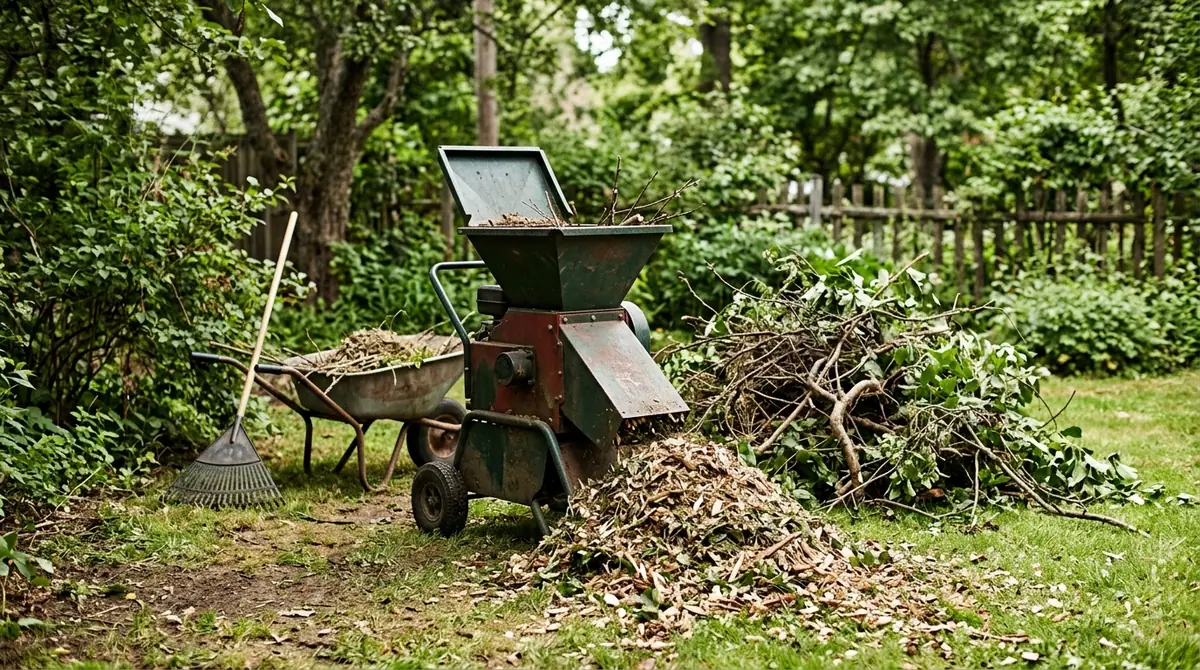
Last Tuesday morning, standing knee-deep in a steaming 3-foot (91 cm) mountain of autumn oak leaves and spent sunflower stalks behind a greenhouse, my heavy-duty rotary-blade shredder finally seized mid-feed on a stubborn, thumb-thick privet branch. I stood there wiping a layer of carbon dust from my forehead, listening to the cooling hum of an overloaded motor, and realized something fundamental: most gardeners treat composting like a passive graveyard for garden waste, when it is actually an aggressive biological digestion engine. And like any high-performance engine, its internal chemistry—specifically the carbon-to-nitrogen ratio—stalls out completely if you feed it whole, woody debris that takes 730 days to break down instead of shredded fragments that reach thermophilic maturity in just 30 to 45 days.
1. Botanical Overview & Natural Habitat
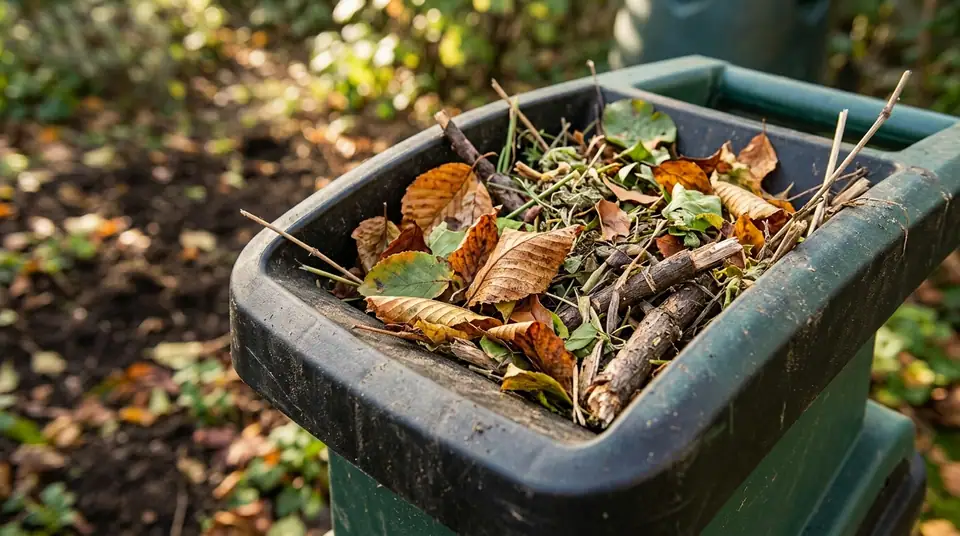
In an undisturbed woodland ecosystem, there is no such thing as "yard waste." Fallen timber, senescing perennial crowns, and shedding deciduous foliage create a continuous, multi-layered forest floor. Fungal hyphae, saprophytic bacteria, and macro-invertebrates like earthworms and isopods work in concert to break down this organic matter. However, nature operates on a geologic timeline. A fallen oak branch takes years to decompose entirely on a shaded forest floor because the surface-area-to-mass ratio of whole wood is remarkably low.
When we transition this natural cycle to an urban or suburban landscape, we compress that timeline. By introducing a mechanical compost shredder—often referred to interchangeably as a chipper-shredder or yard mulcher—we artificially maximize the surface area of carbon-rich woody materials and nitrogen-rich green waste. Mechanically fracturing woody cell walls ruptures the lignified vascular bundles (xylem and phloem), giving cellulolytic fungi and actinobacteria immediate, unobstructed access to simple sugars and structural polysaccharides.
Understanding the structural anatomy of your yard waste dictates the type of cutting mechanism you need. Soft, herbaceous plant stems, annual flower trimmings, and damp autumn leaves require high-speed slicing action (impacting blades), whereas woody shrub pruners, perennial fruit tree branches, and ornamental grass culms require low-speed mechanical crushing and shearing (milling gears). Attempting to process fibrous, wet green matter through a narrow chipping chute results in immediate clogging, while feeding thick, dense hardwood branches into a lightweight leaf mulcher will strip gears or burn out motor windings within minutes.
2. Essential Environmental & Care Requirements
Operating and maintaining a mechanical compost shredder requires strict adherence to operational parameters to protect both the machine's mechanical integrity and the biological health of the resulting compost pile.
| Parameter | Optimal Condition | Common Mistake | Why It Matters |
|---|---|---|---|
| Moisture Content | 40% to 60% internal moisture | Shredding bone-dry brush or dripping wet clippings | Dry material creates dangerous airborne dust and clogs chutes; soaking wet green waste mats together and jams blades. |
| C:N Feed Ratio | 30 parts Carbon to 1 part Nitrogen | Feeding 100% thick wood chips or 100% wet grass | Pure wood stalls microbial activity due to nitrogen starvation; pure grass turns into an anaerobic, foul-smelling slime. |
| Branch Diameter | Within 80% of manufacturer limit | Forcing oversized limbs or green, flexible forked branches | Exceeding capacity stresses the transmission, stalls the motor, and can cause dangerous kickback injuries. |
| Blade Maintenance | Inspected and cleaned every 8 hours of use | Running dull blades or letting sap bake onto cutters | Dull blades bruise and crush stems rather than slicing them cleanly, drastically reducing shred efficiency. |
💡 Pro-Tip: Never feed your shredder a monoculture of materials. Alternate between dry, brittle carbon sources (like autumn leaves or dried cornstalks) and damp nitrogen sources (like fresh garden weeds or green hedge trimmings). This pre-mixes the particle sizes and moisture levels right inside the hopper, saving you hours of manual fork-turning at the compost pile later.
To ensure your shredder operates at peak efficiency, you must also manage the thermal thresholds of the motor and the structural tension of the cutting assembly. Electric models draw heavy amperage during startup and under load; always plug them into a dedicated 15-amp or 20-amp circuit using a 12-gauge extension cord no longer than 50 feet (15 meters) to prevent voltage drop and motor burnout. Gas-powered units require high-octane, ethanol-free fuel to prevent carburetor varnish during periods of seasonal storage.
3. Step-by-Step Cultivation, Feeding & Propagation
Treat your composting process as an agronomic cultivation protocol. The shredder is your primary tool for preparing the soil amendment substrate. Follow this systematic workflow to transform raw yard debris into rich, biologically active humus.
- Sort and Stage Material: Separate your yard waste into three distinct piles: soft greens (nitrogen-rich annuals, vegetable garden waste), fibrous browns (dry leaves, straw), and woody pruners (branches up to the maximum diameter specified by your machine's manual).
- Inspect and Prepare the Machine: Clear the hopper and discharge chute of any residual debris from previous sessions. Check that safety interlock switches are fully engaged and that the cutting blades or roller teeth are properly torqued and sharp.
- Adjust the Reduction Setting: If your shredder features an adjustable crushing plate (common on electric roller-mill shredders), tighten the gap for fine leaf mulching or loosen it slightly for coarser woody mulch intended for garden bed pathways.
- Feed the Hopper Strategically: Feed woody branches butt-end first, allowing the machine to draw the material inward. Alternate woody inputs with handfuls of dry leaves to naturally clean sap and resin buildup off the cutting edges. Never force material down the chute with your hands; always use the manufacturer-provided plastic paddle tamper.
- Inoculate and Build the Pile: As the shredded material exits the chute directly into a collection bag or wheelbarrow, layer it immediately into your compost system. Maintain a loose, fluffy structure to ensure adequate aeration.
- Monitor Pile Thermodynamics: Within 48 to 72 hours of building the pile with your freshly shredded material, internal temperatures should rise into the thermophilic range between 130°F and 160°F (54°C to 71°C). Maintain core moisture levels equivalent to a wrung-out sponge (roughly 50% moisture).
- Cure and Screen: After 30 to 60 days of active thermophilic digestion and subsequent cooling, screen the finished compost through a 1/4-inch (0.6 cm) mesh screen to remove any lingering coarse particles, returning oversized bits back to the shredder for a second pass.
⚠️ Important Caution: Never wear loose-fitting clothing, dangling jewelry, or long hair unbound while operating a compost shredder. The high-torque rotational forces of both impact shredders and gear-reduction chippers can instantly grab fabric or hair, resulting in severe physical trauma. Always wear ANSI-approved eye protection and heavy-duty hearing protection during operation.
For deeper scientific guidelines on municipal yard waste management and safe composting practices, consult the Cornell Waste Management Institute, which offers exceptional peer-reviewed resources on pathogen destruction and thermophilic composting parameters.
4. Common Problems, Pests & Troubleshooting
Even with the highest-rated shredders, field issues arise when handling variable organic matter. Here is how to diagnose and correct mechanical and biological failures:
- Symptom: The motor hums or bogs down, but the blades stop spinning.
- Cause: Overfeeding, wet green leaves jamming the cutting chamber, or an oversized branch wedged against the housing.
- Correction: Turn off the machine immediately and disconnect the power source. Reverse the cutting direction if your electric model has a reverse switch, or use a stout stick to clear the jam from the discharge chute. Never clear a jam from the top hopper while the machine is connected to power.
- Symptom: The machine produces long, stringy, un-shredded strips of plant material instead of fine fragments.
- Cause: Dull cutting blades, incorrect clearance gap between the roller and the anvil plate, or processing wet, stringy vines like ivy or morning glory.
- Correction: Remove and sharpen or replace the blades. Adjust the counter-plate closer to the cutting cylinder. Avoid processing un-dried vines, which wrap around shafts instead of cutting.
- Symptom: The compost pile fed by the shredder smells like sulfur (rotten eggs) or ammonia.
- Cause: The shredded material was too wet and compact, cutting off oxygen and driving the pile into anaerobic bacterial decomposition.
- Correction: Turn the pile immediately with a pitchfork, and mix in a fresh batch of dry, coarse carbon material—such as finely shredded autumn leaves or wood chips processed through your machine—to restore air porosity.
- Symptom: Excessive vibration and knocking noises during operation.
- Cause: Loose mounting bolts on the engine or motor block, a bent cutting blade, or an unbalanced rotor load caused by uneven material feeding.
- Correction: Shut down the unit, let it cool, and check all external frame and blade bolts with a torque wrench. Replace any nicked or bent blades immediately to prevent catastrophic bearing failure.
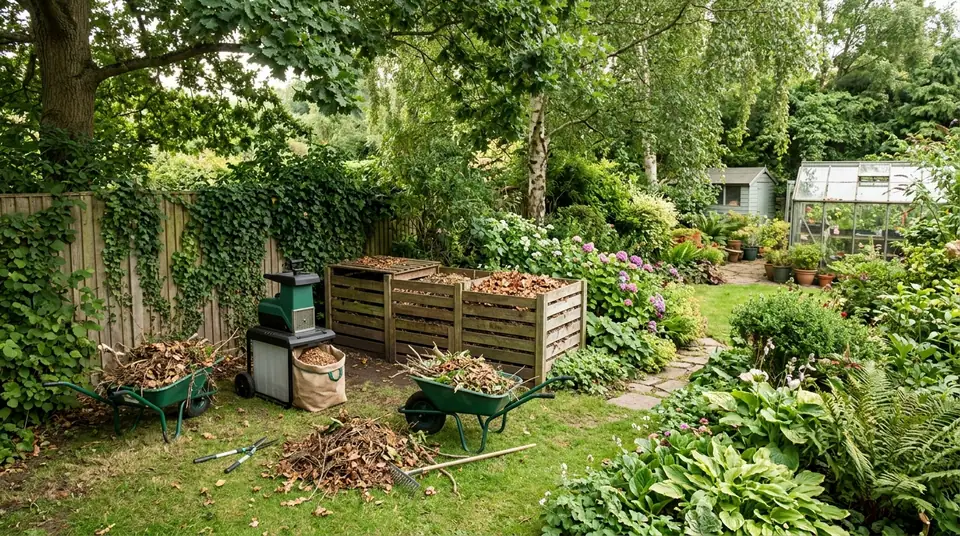
Green compost shredder, wheelbarrows filled with garden waste, and wooden bins in a lush backyard
5. Frequently Asked Questions
What is the difference between a chipper, a shredder, and a mulch blower?
A chipper uses heavy-duty steel knives mounted on a heavy flywheel to slice thick branches (usually 1.5 inches to 3 inches / 3.8 cm to 7.6 cm in diameter) into uniform wood chips. A shredder (or mulcher) uses flails, hammers, or a toothed roller-mill (gearless or gear-reduction) to tear, mash, and slice soft green waste, leaves, and small twigs into fine organic particles. A mulch blower is a commercial machine that propels pre-processed mulch via an air stream. For residential composting, a hybrid chipper-shredder provides the best of both worlds.
Can I put wet leaves and green garden waste through an electric shredder?
Yes, but with strict limitations. High-speed electric blade shredders will quickly gum up and clog if fed wet, matted leaves or dripping-wet garden weeds because the moisture creates a sticky pulp that adheres to the housing walls. If you are processing wet green waste, alternate every two handfuls of wet material with a handful of dry twigs, straw, or dry cardboard to keep the cutting chamber clear and maintain structural integrity. Alternatively, use a low-speed roller-mill (gear-reduction) shredder, which handles damp vegetation much more effectively.
How do I sharpen the blades on my compost shredder?
First, unplug the unit or disconnect the spark plug wire. Access the cutting chamber by removing the housing bolts according to your manual's safety instructions. Remove the blades, noting their precise orientation and bevel angle. Use a flat medium-grit diamond hone or a bench grinder to restore the factory bevel, taking care not to overheat the steel and ruin its temper. Balance the blades before reinstallation. If the blades are deeply pitted, cracked, or worn past the manufacturer's wear line, replace them with OEM parts immediately.
What size branch can a standard residential compost shredder handle?
Most residential electric shredders are rated for branches between 1.25 inches and 1.75 inches (3.2 cm to 4.4 cm) in diameter. Gas-powered residential chipper-shredders typically handle branches from 2 inches up to 3 inches (5 cm to 7.6 cm) in diameter. Never force wood that exceeds the manufacturer's stated maximum capacity, as doing so strains the centrifugal clutch, warps the rotor shaft, and invalidates your equipment warranty. For arboricultural waste exceeding 3 inches, consult guidelines from the RHS Science Department regarding professional wood-chipping and safe timber reduction practices.
Related Guides
- Topsoil and Compost Mix
- Compost As Topsoil
- Can You Compost Pistachio Shells
- Compost for Topsoil
- The Best Compost Bin Only Costs About 40
📋 Table of Contents ▼ Click to expand
Tags:
Keep reading
🌿 Related Plants You Might Like





PlantSavvyWorld
Editorial team
PlantSavvyWorld is an independent botanical education project. Articles are drafted with AI assistance, then edited and checked against university extension services, botanical garden collections and other published horticultural sources.