

Can You Compost Pistachio Shells
Written with AI assistance, edited and checked against horticultural sources.
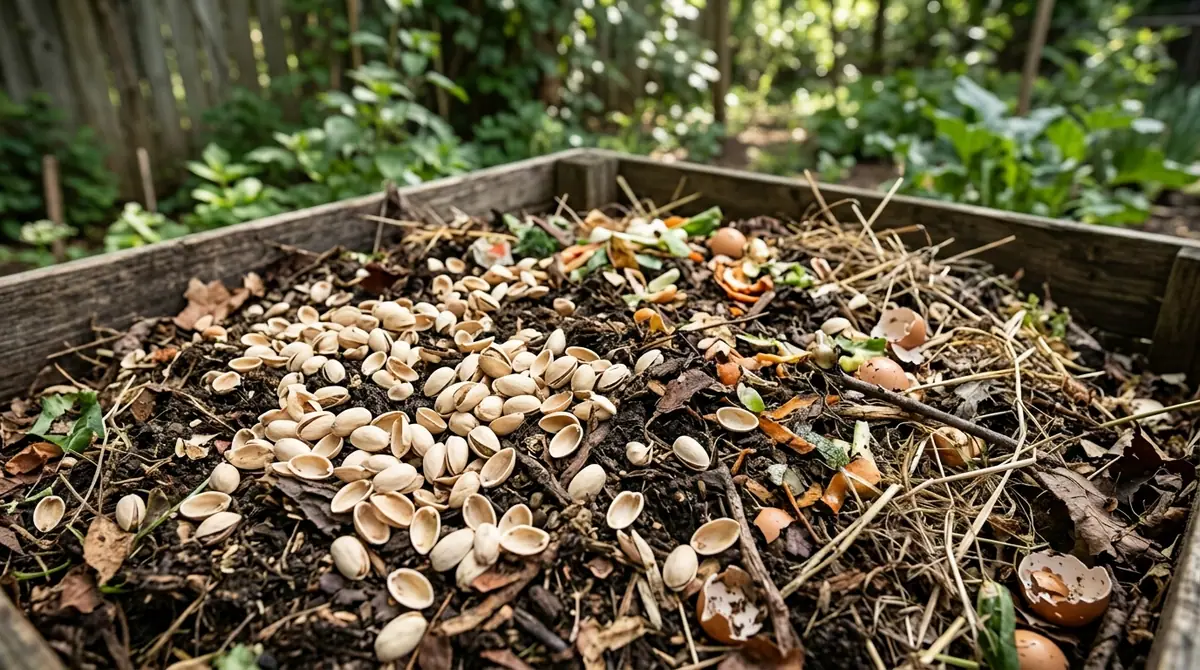
Standing knee-deep in my experimental cold frame last autumn, clutching a heavy earthenware bowl of spent pistachio hulls, I realized just how stubborn raw woody material can be in a residential pile. I had tossed two pounds of salted snack shells directly into the center of my The Best Compost Bin Only Costs About 40 unit, expecting them to break down alongside my spent brassicas and coffee grounds. Six months later, while turning the windrow, I found nearly every single half-shell completely intact, acting like tiny, indestructible ceramic boats holding pockets of stagnant anaerobic muck. That afternoon sparked a rigorous trial into how these dense drupe endocarps actually decompose, transforming my approach to kitchen scrap recycling and teaching me the exact carbon-to-nitrogen mechanics required to turn snack waste into rich garden gold.
1. Botanical Overview & Natural Habitat
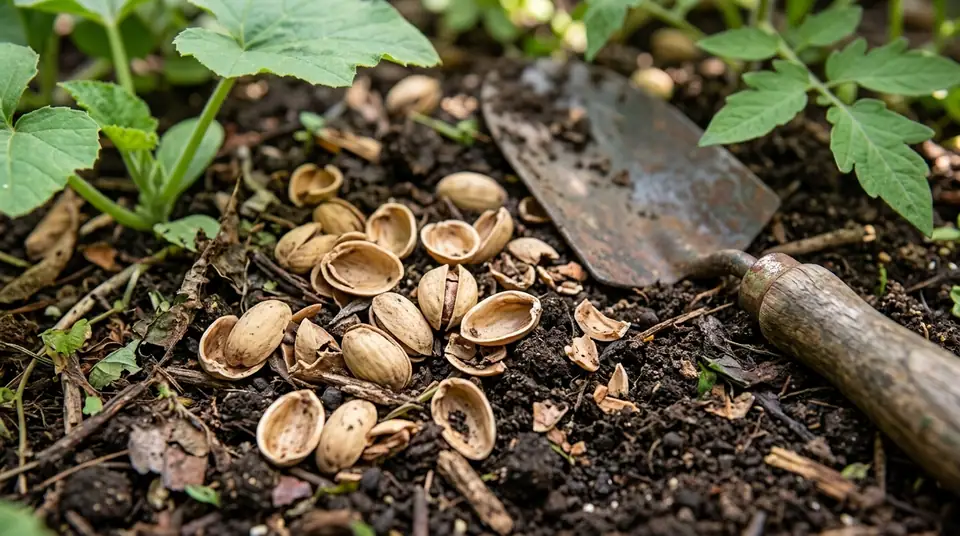
From a composting perspective, this evolutionary defense mechanism presents a unique structural challenge. The shell's cell walls are heavily reinforced with lignin and suberin, complex biopolymers designed by nature to resist moisture penetration, fungal decay, and insect boring. When you drop a pistachio shell onto a damp garden bed, it behaves almost like hardwood chips rather than a soft vegetable peel. Understanding this stubborn botanical architecture is the first step in learning How to Make Organic Compost for Vegetable Gardens at Home without ruining your soil balance or attracting unwanted pests.
2. Essential Environmental & Care Requirements
Composting pistachio shells successfully requires balancing the pile's environmental parameters to coax microbial life into breaking down heavy lignocellulosic compounds. Raw shells are classified as a "brown" (carbon-rich) material, boasting an estimated carbon-to-nitrogen (C:N) ratio of roughly 60:1 to 80:1. Because they decay exceptionally slowly on their own, you must tightly manage moisture, oxygen exchange, and thermal energy within your containment system.
| Parameter | Optimal Condition | Common Mistake | Why It Matters |
|---|---|---|---|
| Particle Size | Crushed to <0.25 inches (0.6 cm) | Throwing whole, intact shells into the pile | Whole shells create air pockets and take 3 to 5 years to decompose naturally. |
| Moisture Content | 50% to 60% (damp sponge consistency) | Leaving shells bone dry or soaking them in standing water | Microbes require ambient moisture to secrete the lignase enzymes needed to digest woody walls. |
| Pile Temperature | 130°F to 160°F (54°C to 71°C) | Allowing the compost to stay cold (<70°F / 21°C) | High thermal thresholds accelerate the breakdown of tough plant resins and eliminate phytotoxins. |
| Aeration Frequency | Turned every 5 to 7 days | Compacting layers of unbroken shells | Oxygen is mandatory for aerobic actinomycetes and fungi that specialize in wood decay. |
💡 Pro-Tip: If you process large quantities of nuts seasonally, invest in a heavy-duty Best Compost Shredder to pulverize the shells into a coarse dust before inoculation. This single step reduces breakdown time from years to mere weeks by multiplying the available surface area for fungal hyphae to colonize.
3. Step-by-Step Cultivation, Feeding & Propagation
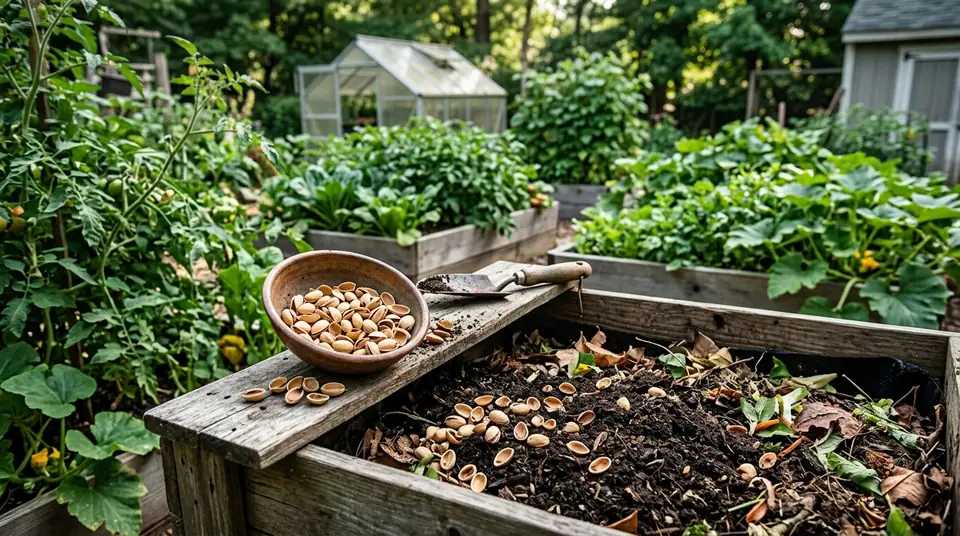
If you want to integrate pistachio shells into an active composting workflow without stalling your microbial decomposition, follow this strict protocol. Skipping steps—particularly the salt-rinsing phase—can introduce phytotoxic sodium levels that stunt your delicate garden seedlings.
- Rinse and Desalt: Gather your discarded pistachio shells and place them in a large colander. Rinse them thoroughly under running tap water for 3 to 5 minutes to dissolve and wash away surface sodium and residual oils from roasting.
- Mechanical Reduction: Spread the rinsed shells across a clean concrete surface and crush them using a heavy garden roller, a masonry hammer, or pass them through a mechanical shredder until the fragments measure no larger than 0.25 inches (0.6 cm).
- Pre-Soak for Hydration: Submerge the crushed fragments in a bucket of warm water (approx. 90°F to 100°F / 32°C to 38°C) for 48 hours to soften the lignified cell walls and jumpstart microbial absorption.
- Layer with Greens: In your compost vessel, alternate 1 part prepared pistachio shells with 3 parts high-nitrogen "green" inputs, such as fresh grass clippings, green vegetable scraps, or spent coffee grounds, ensuring a balanced overall C:N ratio of 30:1.
- Inoculate and Wet: Sprinkle a handful of finished, microbe-rich compost or garden soil over each layer to introduce native wood-decay fungi, then mist the pile until it reaches the damp-sponge moisture threshold.
- Monitor and Turn: Maintain pile temperatures between 130°F and 160°F (54°C to 71°C). Turn the entire mass every 5 to 7 days to maintain aerobic conditions, adding water if the internal matrix feels dry at a depth of 6 inches (15 cm).
- Cure and Screen: After 60 to 90 days of active thermal cycling, let the compost cure for an additional 30 days. Pass the finished material through a 0.5-inch (1.2 cm) wire mesh screen to catch and recycle any remaining stubborn shell fragments back into the next batch.
⚠️ Important Caution: Never add heavily salted, flavored, or honey-coated pistachio shells directly to a worm bin or an untended cold pile. High salt concentrations will rapidly dehydrate and kill earthworm populations, while sugar coatings attract rodents, raccoons, and can accidentally trigger anaerobic infestations like Maggots in Compost if left unmanaged.
4. Common Problems, Pests & Troubleshooting
Composting woody kitchen scraps occasionally invites specific ecological imbalances. If your pile stalls or begins to attract unwanted attention, check against these common failure modes:
- Pests and Rodents: Mice and rats are frequently drawn to unwashed or flavored shells due to residual fats and proteins. If you notice burrowing or gnawed bin plastic, immediately bury your shell waste at least 12 inches (30 cm) deep in the center of a hot pile, or switch to a secure, locking tumbling composter.
- Extremely Slow Breakdown: If your shells look identical after two months, your pile is either too dry, too cold, or lacks sufficient nitrogen. Boost the microbial activity by adding high-nitrogen amendments like blood meal or fresh manure, and ensure internal temperatures consistently exceed 130°F (54°C).
- Fungal Odors or Slime: A sour, sulfurous smell indicates that whole shells have settled into dense pockets, blocking airflow and creating an anaerobic swamp. Turn the pile immediately, mix in dry shredded cardboard or straw to restore structural porosity, and monitor moisture levels closely.
5. Frequently Asked Questions
Can you compost salted pistachio shells?
Yes, but only if you rinse them thoroughly first. Commercial roasting salts will accumulate in your compost, raising electrical conductivity (EC) levels and potentially damaging salt-sensitive plants like tomatoes and peppers. A thorough 5-minute water rinse removes surface sodium effectively.
How long do pistachio shells take to decompose in compost?
Uncrushed whole shells can persist in soil or a cold compost pile for 3 to 5 years due to their dense lignin content. However, if you crush them into small pieces and maintain a hot, active compost pile (130°F to 160°F / 54°C to 71°C), they will break down completely within 60 to 90 days.
Do pistachio shells attract bugs to the compost?
Unrinsed or flavored shells coated in oils, dust, or spices can attract ants, flies, and rodents. To prevent pest infestations, always wash the shells, crush them to eliminate hollow air chambers that pests use for nesting, and bury them deep within the thermophilic center of your pile.
Are pistachio shells good for mulch?
Coarsely cracked pistachio shells make an exceptional, highly decorative top mulch for acid-loving ornamental plants, drought-tolerant perennials, and potted container gardens. Because they do not pack down tightly, they allow rain to penetrate freely while suppressing weed germination and retaining sub-surface soil moisture.
Related Guides
- Topsoil and Compost Mix
- Compost As Topsoil
- Compost for Topsoil
- The Best Compost Bin Only Costs About 40
- Maggots in Compost
- Best Compost Shredder
📋 Table of Contents ▼ Click to expand
Tags:
Keep reading
🌿 Related Plants You Might Like


PlantSavvyWorld
Editorial team
PlantSavvyWorld is an independent botanical education project. Articles are drafted with AI assistance, then edited and checked against university extension services, botanical garden collections and other published horticultural sources.