

Red Insects on Plants
Written with AI assistance, edited and checked against horticultural sources.
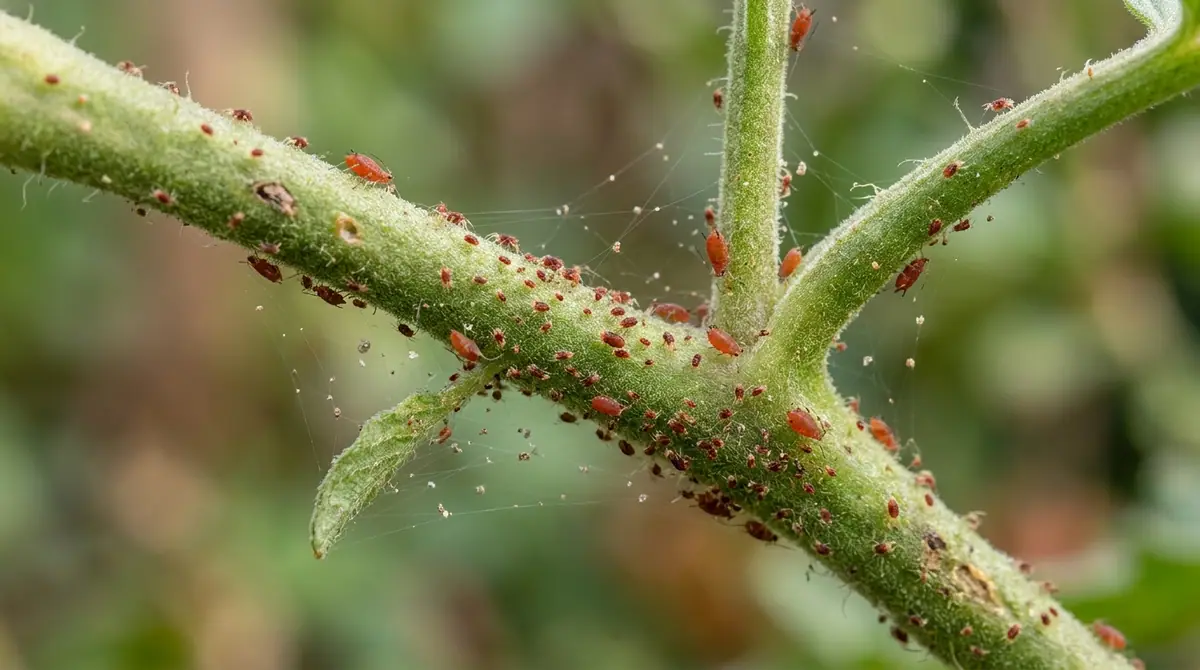
Stepping out onto my experimental terrace at 6:15 AM last Tuesday, I noticed a sticky, shimmering crimson film coating the tender terminal shoots of my prize heirloom pepper plants. Temperatures had spiked to 88°F (31°C) the previous afternoon, and within forty-eight hours, an explosion of tiny, ruby-red aphids had established a thriving colony. I see this panic-inducing sight every single spring. Gardeners rush to judgment—and often to harsh synthetic insecticides—when they spot red insects on plants, mistaking a manageable ecosystem imbalance for an incurable plague.

1. Botanical Overview & Natural Habitat
When we talk about "red insects on plants," we are rarely talking about a single species. This color palette typically encompasses several distinct agricultural pests and beneficial predators. The most common culprits include the red form of the green peach aphid (Myzus persicae), the two-spotted spider mite (Tetranychus urticae—which turns reddish-orange in diapause), lily leaf beetles (Lilioceris lilii), and red velvet mites (Trombidium. Genus).
From a botanical perspective, sap-sucking red insects like aphids and mites target the vascular system of plants, specifically the phloem. Phloem sap is rich in sugars and amino acids, pressurized and easily accessible to piercing-sucking mouthparts called stylets. When populations exceed critical thresholds—often more than 50 aphids per linear inch (2.5 cm) of stem—they disrupt the plant's carbohydrate distribution, stunting leaf expansion and causing chlorosis, leaf curl, and premature drop.
Conversely, beneficial red insects like lady beetle larvae (Coccinellidae) and pirate bugs (Orius insidiosus) patrol these same habitats. Ladybug larvae look like tiny, black-and-orange alligators and can consume up to 400 aphids during their 21-day developmental stage. Misidentifying a beneficial insect for a pest leads to unnecessary pesticide applications that wipe out your garden's natural defense system. If you are balancing pest control while planning companion blocks—such as designing functional guilds similar to those outlined in our guide on Zucchini Companion Plants Good Bad—conserving these beneficial predators is non-negotiable.
2. Essential Environmental & Care Requirements
Managing pest outbreaks starts with environmental optimization. Stressed plants emit volatile organic compounds (VOCs) that act like an open invitation to sap-sucking insects.
| Parameter | Optimal Condition | Common Mistake | Why It Matters |
|---|---|---|---|
| Ambient Temperature | 65°F – 75°F (18°C – 24°C) | Allowing sustained heat spikes above 85°F (29°C) | High heat accelerates aphid and spider mite reproductive cycles exponentially. |
| Soil Moisture | Consistent 60% field capacity | Alternating between drought and waterlogging | Drought-stressed phloem sap concentrates sugars, making it hyper-nutritious for pests. |
| Relative Humidity | 50% – 60% | Maintaining arid conditions below 30% | Low humidity creates the ideal breeding ground for spider mites and soft-bodied scale. |
| Nitrogen Levels | Balanced, slow-release fertility | Heavy applications of synthetic high-N fertilizers | Excess nitrogen triggers rapid flushes of soft, succulent growth that pests easily pierce. |
Soil health directly influences plant resilience against red pests. If you are operating in warmer southern microclimates, pay close attention to your regional hardiness metrics—reference data such as What Zone is South Carolina for Plants to gauge seasonal insect emergence windows.
💡 Pro-Tip: When dealing with red spider mites on ornamental foliage, increase ambient humidity by misting surrounding paving stones rather than the plant leaves themselves. This deters fungal pathogens while making the microclimate inhospitable for mites.
3. Step-by-Step Cultivation, Feeding & Propagation
When red insect populations breach your aesthetic or economic threshold, swift physical and biological intervention restores balance. Follow this precise operational sequence for eradication without chemical collateral damage:
- Isolate and Inspect: Move affected potted plants at least 6 feet (1.8 meters) away from healthy specimens. Use a 10x jeweler's loupe to inspect the undersides of leaves for eggs, webbing, or beneficial insect larvae.
- Execute High-Pressure Water Blasting: Take the plant outdoors or into a utility sink. Direct a sharp, targeted stream of water at 40 to 50 PSI (pounds per square inch) across all stem junctions and leaf undersides to mechanically dislodge up to 80% of soft-bodied red aphids and mites.
- Apply Horticultural Oil or Insecticidal Soap: Once the foliage dries, thoroughly coat all plant surfaces with a potassium salt of fatty acids or a 2% solution of horticultural dormant oil. Ensure the spray contacts the insects directly; it suffocates them by blocking their spiracles within 15 minutes of application.
- Introduce Biological Controls: For greenhouse or large garden settings, release convergent lady beetles (Hippodamia convergens) at a rate of 1,500 insects per 1,000 square feet (93 square meters) at dusk to prevent immediate flight.
- Adjust Cultural Inputs: Flush the soil with water to leach excess synthetic nitrogen, and apply a 2-inch (5 cm) layer of organic compost mulch to moderate root temperatures and suppress weed hosts.
For gardeners timing their spring crops, aligning your planting calendar with regional frost dates prevents plants from sitting dormant and vulnerable in cold, wet soil. For instance, growers timing warm-season solanaceous crops should consult regional guides like When to Plant Tomato Plants in California to ensure vigorous early-season root establishment.
4. Common Problems, Pests & Troubleshooting
Misdiagnosing the vector of damage leads to wasted time and chemical resistance. Here is how to troubleshoot specific red insect manifestations:
- Symptom: Fine yellow stippling on leaves, accompanied by fine silken webbing on leaf axils.
- Culprit: Two-spotted spider mites (red form).
- Correction: Stop using broad-spectrum synthetic pyrethroids (which kill predatory mites); instead, apply predatory mites like Phytoseiulus persimilis or spray with cold water mixed with 1% neem oil.
- Symptom: Complete defoliation of lily foliage, leaving behind slimy, dark-colored larvae.
- Culprit: Lily leaf beetle (Lilioceris lilii).
- Correction: Hand-pick the bright red adults immediately in early spring before they lay eggs. Dust foliage with agricultural-grade diatomaceous earth. For deeper insights on managing plant architecture during pest recovery phases, review strategies in When to Top Pepper Plants.
- Symptom: Sticky, clear honeydew dripping onto lower leaves, followed by black sooty mold.
- Culprit: Red aphids or soft scales.
- Correction: Wash away the honeydew with a mild solution of castile soap and water to discourage ants (which farm aphids for honeydew), then treat the underlying pest.
⚠️ Important Caution: Never apply horticultural oils when ambient temperatures exceed 90°F (32°C) or within 30 days of an application containing sulfur. The combination causes severe phytotoxicity, resulting in leaf burn, defoliation, and plant death.

5. Frequently Asked Questions
Are red bugs on plants dangerous to humans or pets?
Most red insects found on garden plants—such as red aphids, spider mites, and lily leaf beetles—are entirely harmless to humans and pets. They do not bite, sting, or transmit diseases to mammals. The exception is the red velvet mite, which is a harmless, free-living soil predator that will not harm your pets or your skin.
Why are my aphids turning red instead of green?
Aphid color polymorphism is driven by genetics, temperature, and predator pressure. When temperatures rise or when parasitic wasps are actively hunting the colony, some aphid species produce morphs with red pigmentation (derived from carotenoids synthesized internally or stolen from host plants), which are less attractive to certain parasitic wasps.
How do I get rid of red spider mites naturally without chemicals?
You can eradicate red spider mites naturally by physically washing foliage every three days for a two-week cycle to disrupt their egg-hatching schedule. Introduce predatory mites (Neoseiulus californicus) into the canopy, and maintain high ambient humidity around the plants to halt their reproduction.
Will dish soap kill red insects on my indoor houseplants?
Yes, standard liquid dish soap can kill soft-bodied red insects by dissolving their protective cuticular waxes, but use caution. Household dish soaps frequently contain degreasers and detergents that cause leaf burn. Always use a dedicated horticultural insecticidal soap formulated specifically for indoor plant safety.
Related Guides
📋 Table of Contents ▼ Click to expand
Tags:
🌿 Related Plants You Might Like






PlantSavvyWorld
Editorial team
PlantSavvyWorld is an independent botanical education project. Articles are drafted with AI assistance, then edited and checked against university extension services, botanical garden collections and other published horticultural sources.