

Planting Zones Colorado
Written with AI assistance, edited and checked against horticultural sources.
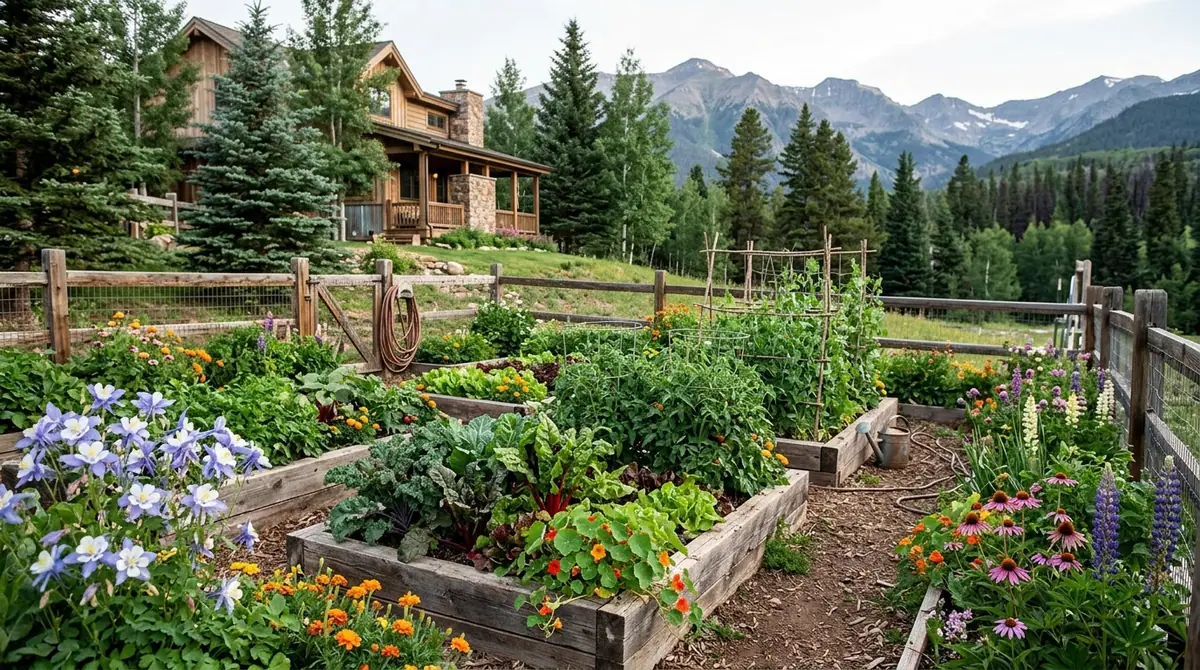
Gardening in Colorado is a high-altitude high-wire act where intense solar radiation, volatile temperature swings, and sweeping USDA hardiness zones demand absolute precision from every landscaper and home botanist. A soil thermometer can read 32°F (0°C) while the afternoon sun blasts down at a deceptive 70°F (21°C), explaining why delicate nursery-grown tomatoes can crisp by June and freeze solid by September.
1. Botanical Overview & Natural Habitat

If you are transitioning your planning between states, you will notice that Colorado's arid, continental climate bears little resemblance to the humid, temperate environments found further east, such as the conditions detailed in our guide on What Zone is Wisconsin for Planting, or the diverse microclimates covered in What Zone is West Virginia for Planting. For northern gardeners plotting cross-border layouts, our analysis on What Zone is Wyoming for Planting offers helpful comparative data.
Native flora here—from the iconic Blue Columbine (Aquilegia coerulea) to Ponderosa Pine (Pinus ponderosa)—has evolved to survive intense ultraviolet radiation, drying winds, and alkaline soils. The native soil profile across much of the Front Range is heavy clay or decomposed granite, characterized by a high pH (often 7.5 to 8.2) and very low organic matter. Understanding these baseline botanical parameters is the single most important step in preventing plant failure.
2. Essential Environmental & Care Requirements
Mastering Colorado’s planting zones requires managing four strict environmental pillars: solar intensity, moisture availability, temperature volatility, and soil chemistry.
- Solar Radiation: At high elevations, the atmosphere is thinner, filtering out fewer UV rays. Plants receive up to 30% more intense sunlight than they would at sea level, which accelerates transpiration and causes leaf scorch in shade-loving species.
- Moisture Management: The state averages only 10 to 18 inches (25 to 46 cm) of precipitation annually across most populated areas. Supplemental irrigation is non-negotiable for non-native ornamentals and heavy-yielding vegetable gardens.
- Temperature Extremes: Winter low temperatures can plunge to -40°F (-40°C) in Zone 3 mountain valleys, while summer daytime highs can reach 100°F (38°C) on the eastern plains. A 50-degree temperature swing within a 24-hour window is entirely common during spring and autumn transition months.
- Soil pH and Structure: Colorado soils are typically mineral-rich yet deficient in humus. Iron chlorosis is a constant threat to maples, birches, and other acid-loving plants because high alkalinity locks up available soil iron.
| Parameter | Optimal Condition | Common Mistake | Why It Matters |
|---|---|---|---|
| Soil pH | 6.5 to 7.0 (adjusted) or native alkaline adaptation | Forcing acid-loving plants into native alkaline soil without heavy amendment | High pH locks out essential micronutrients like iron, causing severe chlorosis and decline. |
| Irrigation Depth | 6 to 8 inches (15 to 20 cm) per deep watering cycle | Frequent, shallow watering that encourages surface root mats | Deep roots survive sudden freezes and high summer heat much better than shallow ones. |
| Mulch Application | 3 inches (7.6 cm) of organic wood chips, keeping 2 inches clear of stems | Piling mulch directly against plant trunks or tree crowns | Volcanic mulching traps moisture against bark, inviting fungal rot and stem borers. |
| Wind Protection | Burlap screens or strategic windbreaks for newly planted evergreens | Planting tender evergreens in open, wind-swept western exposures | Winter desiccation kills evergreens when dry winds pull moisture faster than frozen roots can absorb it. |
💡 Pro-Tip: Never trust the calendar alone when tracking your local frost dates in Colorado. Microclimates dictated by slope, building thermal mass, and windbreaks can push your actual last frost date two weeks earlier or later than the regional average. Always keep floating row covers on hand for unexpected June snowstorms in the foothills.
3. Step-by-Step Cultivation, Feeding & Propagation
Establishing a resilient landscape in Colorado's diverse zones requires a disciplined, step-by-step methodology. Because soils are tight and weather is erratic, shortcuts invariably lead to transplant shock and root failure.
- Site Assessment and Soil Testing: Dig a test hole 12 inches (30 cm) deep and conduct a percolation test. Fill it with water and time how fast it drains; if it drains less than 1 inch (2.5 cm) per hour, you are dealing with heavy clay that requires structural remediation with coarse organic matter.
- Bed Preparation: Broadcast 2 to 3 inches (5 to 7.6 cm) of aged compost over the planting area and till or fork it into the top 8 inches (20 cm) of native soil. Avoid creating a distinct boundary between amended planting holes and native soil, as this creates a "bathtub effect" that traps water around roots.
- Plant Selection: Choose species rated explicitly for your specific USDA zone and microclimate. When timing your annual crops, consult our comprehensive guide on When to Start Planting Seeds Outdoors to align your sowing schedule with Colorado's notoriously compressed growing season.
- Excavation and Planting: Dig a hole twice as wide as the root ball but no deeper than the root flare. The top of the root ball must sit 0.5 to 1 inch (1.3 to 2.5 cm) above the surrounding grade to account for post-planting settling.
- Initial Watering and Settling: Fill the planting hole halfway with native soil, tamp lightly to remove large air pockets, and saturate with water. Finish filling, tamp gently again, and apply a final deep soak.
- Mulching: Apply a 3-inch (7.6 cm) layer of shredded bark mulch across the root zone to moderate soil temperatures and suppress weed germination.
- Maintenance Feeding: Apply a balanced, slow-release organic fertilizer in early spring as new growth emerges. Avoid high-nitrogen synthetic fertilizers late in the season, which stimulate tender growth that is easily damaged by early autumn freezes.
⚠️ Important Caution: Do not heavy-prune woody ornamentals or fruit trees past late July in Colorado. Late-season pruning stimulates a final flush of vegetative growth that will not harden off before the first hard freeze, exposing the plant to catastrophic winter dieback.
4. Common Problems, Pests & Troubleshooting
Colorado's unique climate creates specific stressors that manifest as distinct plant maladies. Diagnosing them early is the key to remediation.
- Winter Desiccation (Freeze-Burn): Evergreen needles turn brown and brittle on the windward side of the plant by late winter. This occurs because the foliage transpires moisture into dry winter air while the root system remains locked in frozen soil. Prevent this by applying deep winter waterings on warm winter days when air temperatures rise above 40°F (4°C) and the soil is thawed.
- Iron Chlorosis: Leaves turn bright yellow with dark green veins, typically seen in red maples and aspens planted in alkaline soils. Correct this by applying chelated iron (Fe-EDDHA) directly to the soil or foliar spray, and long-term, by increasing organic matter to lower soil pH.
- Aphids and Spider Mites: Thriving in hot, dry summer conditions, these sap-sucking insects multiply rapidly on stressed plants. Blast them off with a strong jet of water from a garden hose, or introduce beneficial insects like lady beetles (Hippodamia convergens) to manage populations naturally.
- Hail Damage: Summer afternoon thunderstorms frequently drop destructive hail, shredding foliage and bruising woody stems. Resist the urge to aggressively prune storm-damaged plants immediately; wait until new vegetative buds break so the plant can direct its own recovery. For regional extension resources on managing localized pests and weather events, consult the Colorado State University Extension platform.

5. Frequently Asked Questions
What planting zone is Denver, Colorado?
Denver primarily spans USDA Hardiness Zones 5b to 6a, depending on the specific neighborhood, urban heat island effects, and elevation variations. Downtown microclimates often trend warmer, while outlying suburban developments sit firmly in cooler pockets.
When is the average last frost date in Colorado?
Across the populated Front Range, the average last spring frost occurs between mid-May and late May. Mountain valleys and high-altitude zones (Zones 3 and 4) frequently experience freezing temperatures well into June, making season-extension tools essential for warm-season crops.
How do I find my exact USDA planting zone in Colorado?
You can determine your precise zone by checking the updated USDA Plant Hardiness Zone Map using your specific postal zip code. For hyper-local guidance tailored to native and adaptive species selection, the Denver Botanic Gardens offers exceptional research publications and regional gardening guides.
Can I grow tropical plants outdoors in Colorado?
Perennial tropical plants cannot survive Colorado's freezing winters outdoors without protection. However, you can successfully grow many tropicals as annuals or container plants during the summer months, provided you bring them indoors before nighttime temperatures drop consistently below 50°F (10°C).
Related Guides
📋 Table of Contents ▼ Click to expand
Tags:
🌿 Related Plants You Might Like
PlantSavvyWorld
Editorial team
PlantSavvyWorld is an independent botanical education project. Articles are drafted with AI assistance, then edited and checked against university extension services, botanical garden collections and other published horticultural sources.