

Is Pine Bark Mulch Good
Written with AI assistance, edited and checked against horticultural sources.
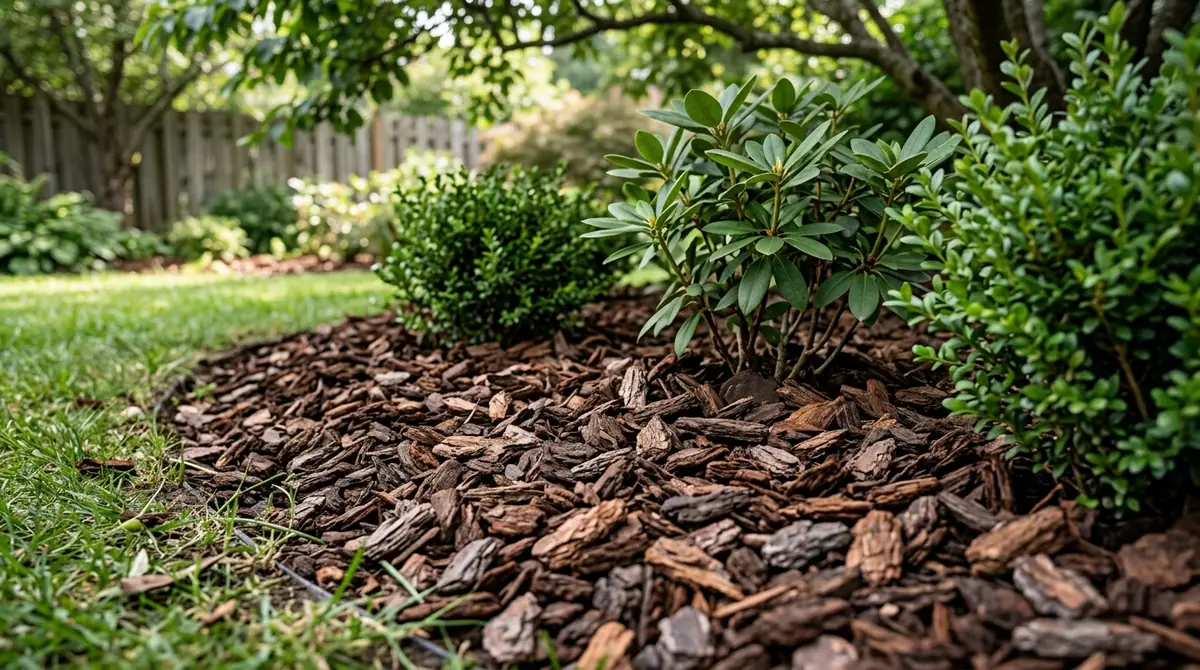
I stood kneeheep in red clay three summers ago, staring at a landscape bed where a gardener's prized Japanese maples were slowly suffocating under six inches of heavy, dyed hardwood mulch. The soil underneath was sour, matted, and bone-dry despite heavy weekly irrigation. We stripped the suffocating layers away, hauled in cubic yards of aged pine bark nuggets, and watched those stressed trees bounce back within forty-five days. That transformation is why every homeowner who asks me is pine bark mulch good gets a resounding, highly qualified yes—provided you understand how it interacts with soil chemistry and plant biology.

1. Botanical Overview & Natural Habitat
To understand why pine bark mulch performs the way it does, we must look at the natural ecology of pine forests. Pine trees develop thick, corky bark layers rich in suberin—a hydrophobic, waxy biopolymer that protects the living vascular cambium from fire, temperature swings, and insect boring. When harvested and processed into nuggets, mini-nuggets, or soil conditioner grades, this bark retains its structural integrity far longer than fast-rotting inner wood.
Unlike shredded wood mulches that mat down into a dense, oxygen-impermeable sheet, pine bark chunks maintain irregular air pockets. This porosity is critical. Plant roots require continuous gas exchange, absorbing oxygen ($\text{O}_2$) and releasing carbon dioxide ($\text{CO}_2$) through the rhizosphere. Pine bark's chunky geometry allows atmospheric oxygen to diffuse freely into the root zone while simultaneously buffering soil temperatures against extreme fluctuations. During a July heatwave where surface temperatures can hit 115°F (46°C), a 3-inch (7.6 cm) layer of pine bark keeps underlying soil temperatures up to 10°F (5.5°C) cooler than bare earth.
From a chemical standpoint, pine bark is naturally acidic, typically registering a pH between 4.0 and 5.0. This makes it an exceptional partner for acid-loving plants such as rhododendrons, azaleas, blueberries, and conifers. However, this acidity requires careful management if you are applying it around plants that demand neutral to alkaline soils. For a broader look at how organic amendments impact soil systems, consult the Benefits of Using Mulch in Organic Vegetable Gardening.
2. Essential Environmental & Care Requirements
Applying pine bark mulch successfully requires matching its physical and chemical properties to your garden's specific environmental parameters. Because pine bark is lightweight compared to heavy hardwood or rock, it floats easily during heavy downpours, making depth and grading crucial on sloped properties.
If you are dealing with challenging runoff areas or steep grades where mulch tends to wash away, you might also look into How to Make a Drainage Ditch Look Good to manage heavy water flow before laying your organic layers.
| Parameter | Optimal Condition | Common Mistake | Why It Matters |
|---|---|---|---|
| Application Depth | 2.0 to 3.0 inches (5.0 to 7.6 cm) | Piling mulch 6+ inches deep against tree trunks | Thick layers trap moisture against bark, causing rot and inviting rodents |
| Soil pH Range | 4.5 to 6.5 (Acidic to slightly acidic) | Using exclusively on high-pH loving plants without amendments | Long-term breakdown can slowly lower soil pH, stressing alkaline-loving species |
| Particle Size | 0.5 to 1.5 inches (1.3 to 3.8 cm) nuggets | Using ultra-fine pine dust or shredded sawdust | Fine particles pack down tightly, repelling water and starving roots of oxygen |
| Reapplication Interval | Every 18 to 24 months | Adding fresh thick layers annually without scraping back old material | Over-accumulation creates a physical barrier that sheds rainfall entirely |
For comprehensive guidance on managing acidic soil profiles and native vegetation under conifer canopies, reference the RHS Gardening Advice on Mulches.
💡 Pro-Tip: When calculating how much pine bark mulch to buy, remember that it compacts by roughly 10% to 15% within the first 30 days after installation as natural settling occurs. Always order an extra half-yard for beds larger than 200 square feet (18.6 square meters) to account for settling and uneven terrain grading.
3. Step-by-Step Cultivation, Feeding & Propagation
Installing pine bark mulch correctly ensures maximum moisture retention, weed suppression, and aesthetic longevity. Follow this strict protocol to prepare your beds and apply the material without harming your plantings.
- Clear and Weed the Bed: Remove all perennial weeds, grass runners, and debris from a 12-inch (30.5 cm) radius around existing plant bases. Expose the structural root flare of trees and shrubs—never bury the root collar.
- Amend Underlying Soil: Test your soil pH. If planting acid-loving species, incorporate a slow-release organic fertilizer. If your water source has unique mineral profiles, review Using Well Water in the Garden a Good Idea to ensure you aren't compounding soil alkalinity or salinity issues.
- Establish Correct Depth: Spread pine bark nuggets or mini-nuggets to a uniform depth of exactly 2.5 inches (6.4 cm). Use a garden rake to feather the edges where the mulch meets lawns or walkways.
- Create a Maintenance Buffer: Leave a 2-inch (5 cm) gap of bare soil or gravel directly against the stems of woody plants and tree trunks. This "volcano mulching" prevention step stops fungal pathogens, voles, and collar rot from destroying your plants.
- Water in Thoroughly: Apply 0.5 inches (1.3 cm) of water via irrigation or rainfall immediately after installation to settle the light bark pieces and lock them into place before heavy winds occur.
- Monitor and Maintain: Inspect the bed depth every 180 days. Top off thin spots with a light 1-inch (2.5 cm) layer rather than burying old, compacted material.
⚠️ Important Caution: Never use fresh, uncomposted pine bark or industrial waste wood that has a sour, vinegar-like smell. Unaged bark can contain high levels of organic acids and resins that temporarily tie up available nitrogen in the top layer of soil and burn tender root hairs. Always source triple-shredded or aged bark from reputable horticultural suppliers.
4. Common Problems, Pests & Troubleshooting
Even high-grade pine bark mulch can present challenges if environmental conditions shift. Here is how to diagnose and solve the most frequent issues landscape designers encounter:
- Nitrogen Immobilization (Yellowing Foliage): As soil microbes begin breaking down the carbon-rich pine bark, they temporarily consume available nitrogen in the top 0.5 inches (1.3 cm) of soil. If your annuals or shallow-rooted perennials turn pale yellow 20 to 30 days after mulching, broadcast a balanced organic nitrogen fertilizer (such as blood meal or feather meal) over the mulch at a rate of 1 lb per 100 square feet (450g per 9.3 square meters) and water it in.
- Fungus and Artillery Fungus (Sphaerobolus stellatus): Warm, humid weather (sustained temperatures above 75°F / 24°C) can trigger artillery fungus in organic mulches, shooting small, sticky black spore cups onto nearby light-colored siding and vehicles. To prevent this, rake your pine bark mulch weekly during humid spells to expose it to sunlight and disrupt fungal mycelium development.
- Hydrophobic Crust Formation: If pine bark dries out completely for 14 or more consecutive days, the natural resins can create a water-repellent surface crust. Water runs right off the surface instead of penetrating to the roots. Fix this by using a soil wetting agent or running a gentle, slow-drip irrigation cycle for 3 hours to slowly rehydrate the fibrous layers.
- Pest Habitat Concerns: Homeowners frequently ask if organic mulches attract destructive pests. For a detailed breakdown of safety regarding household animals and ground covers, read Is Mulch Bad for Dogs. Generally, pine bark does not attract termites more than bare soil, but piling it directly against foundation walls provides a hidden bridge for subterranean insects.

5. Frequently Asked Questions
Does pine bark mulch attract termites?
Pine bark mulch does not actively attract termites any more than bare earth or other organic matter. Termites feed on cellulose found in structural lumber and decaying wood in contact with the soil. However, piling thick layers of any mulch directly against the wooden siding of a house creates a dark, moisture-rich highway that makes it easier for termites to infest a structure. Always maintain a 6-inch (15 cm) bare soil or gravel buffer between your foundation and your mulch beds.
Will pine bark mulch make my soil too acidic?
Pine bark is naturally acidic (pH 4.0 to 5.0), but its acidifying effect is largely confined to the uppermost layer of the soil profile. Over a single season, it will not drastically lower the pH of neutral or alkaline native clay or loam. If you are gardening in naturally alkaline soil (pH 7.5+), the buffering capacity of your native soil will neutralize the pine bark's acidity. However, continuous application over 5 to 10 years around acid-loving plants like blueberries and azaleas will help maintain a favorable, lower pH environment.
How often should pine bark mulch be replaced?
Pine bark decomposes slower than shredded hardwood, typically lasting 18 to 24 months before breaking down into rich humus. You do not need to scrape away all the old mulch every spring. Instead, rake the existing layer to break up any crusting, remove accumulated leaves or debris, and apply a fresh 1-to-2-inch (2.5 to 5 cm) top-dressing to maintain color, weed suppression, and moisture retention.
Can I use pine bark mulch in vegetable gardens?
Yes, pine bark mulch—especially the finer soil-conditioner grades—works wonderfully in vegetable gardens. It keeps developing fruit (such as strawberries and tomatoes) clean by preventing soil splash during rainstorms and dramatically reduces weed germination. Just be aware of the minor nitrogen drawdown mentioned earlier, and apply a light side-dressing of organic nitrogen fertilizer beneath the mulch if your vegetable crops show signs of early nutrient deficiency. If you are designing complex vegetable polycultures, check out Zucchini Companion Plants Good Bad to ensure your mulched beds are optimized for companion planting success.
Related Guides
- Live Oak Tree Bark
- How Fast Does Pine Grow
- Planting Landscaping Under Pine Trees
- Mulch for Peonies
- Mulch Bagged vs Bulk
📋 Table of Contents ▼ Click to expand
Tags:
Keep reading
🌿 Related Plants You Might Like






PlantSavvyWorld
Editorial team
PlantSavvyWorld is an independent botanical education project. Articles are drafted with AI assistance, then edited and checked against university extension services, botanical garden collections and other published horticultural sources.