

Is Mulch Bad for Dogs
Written with AI assistance, edited and checked against horticultural sources.
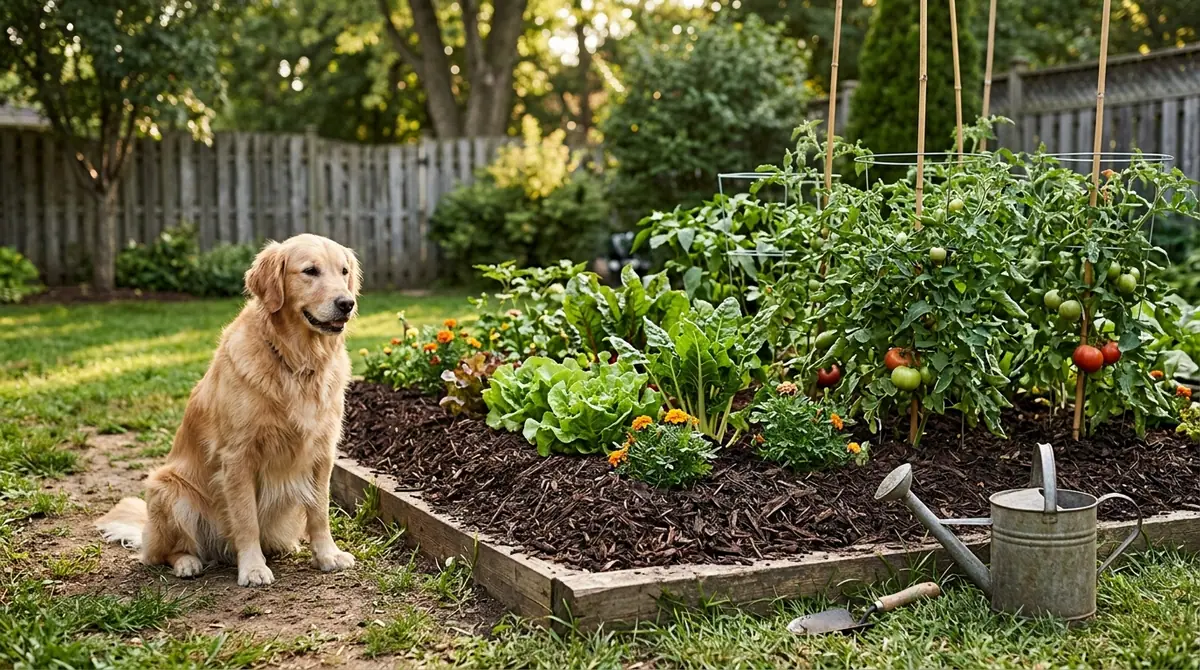
1. Botanical Overview & Natural Habitat

When we transplant this concept into residential landscape design, we select specific organic and inorganic materials to replicate these natural protective layers around cultivated ornamentals. However, the commercial mulch products we bring home—ranging from shredded cedar and pine bark to dyed engineered wood and recycled rubber—introduce synthetic dyes, toxic botanical compounds, and foreign textures that the forest floor never intended for curious canine digestion.
Understanding how different mulches interact with a dog’s digestive tract and sensory world requires looking closely at their composition. Cocoa bean hulls, for instance, smell richly enticing to a dog because they contain theobromine and caffeine—the exact same toxic compounds found in chocolate. Meanwhile, fresh hardwood mulches can harbor hidden fungal spores, such as Stinkhorns or toxic molds (Aspergillus), which thrive in the warm, humid microclimates beneath a 3-inch (7.6 cm) blanket of decaying organic matter.
2. Essential Environmental & Care Requirements
Maintaining a landscape that is both visually stunning and physically safe for dogs requires strict adherence to depth, moisture management, and material selection parameters. When applying mulch to garden beds, precision is everything.
The ideal organic mulch layer should be maintained at a consistent depth of 2 to 3 inches (5.0 to 7.6 cm). Anything shallower than 2 inches (5.0 cm) fails to suppress weeds or retain soil moisture effectively. Anything deeper than 4 inches (10.2 cm) restricts oxygen exchange to the root zones of your ornamental plants, creates a damp breeding ground for harmful anaerobic bacteria, and offers an appealing, deep-digging pit for high-energy dogs.
Temperature regulation is another crucial factor. During peak summer months, when ambient air temperatures climb above 85°F (29.4°C), dark-dyed wood mulches can absorb excessive solar radiation, raising the surface temperature of the mulch layer to over 110°F (43.3°C). This extreme heat can burn a dog's paw pads and accelerate the fermentation of trapped organic matter, producing volatile organic acids that irritate canine respiratory tracts.
| Parameter | Optimal Condition | Common Mistake | Why It Matters |
|---|---|---|---|
| Mulch Depth | 2 to 3 inches (5.0 to 7.6 cm) | Piling mulch 6+ inches (15.2+ cm) deep | Prevents root suffocation, mold growth, and deep digging |
| Particle Size | Shredded bark (> 2 inches / 5.1 cm long) | Fine dust or rubber nuggets (< 0.5 inches / 1.3 cm) | Minimizes accidental ingestion and digestive blockages |
| Moisture Level | Damp, aerobic decomposition | Soggy, stagnant anaerobic layers | Stops the growth of toxic mycotoxins and molds |
| Application Radius | 6 inches (15.2 cm) away from tree trunks | "Volcano mulching" against bark | Prevents collar rot and eliminates hiding spots for pests |
For further reading on safe landscape practices and toxicity management in pets, consult the comprehensive guides provided by the ASPCA Animal Poison Control Center.
3. Step-by-Step Cultivation, Feeding & Propagation
When designing or renovating a dog-friendly landscape, you must install mulch using a systematic approach that discourages foraging while maintaining optimal soil health for your plantings. Here is my proven protocol for pet-safe mulch installation:
- Clear and Weed the Zone: Rake away all old, moldy mulch debris and pull existing weeds manually within a 3-foot (0.9 m) radius of your target planting beds. This removes old fungal hotspots and lingering weed seeds.
- Amend and Aerate the Soil: Apply a balanced, organic slow-release fertilizer or compost across the bare soil. Gently fork the top 1 inch (2.5 cm) of soil to improve microbial activity and oxygen penetration before laying down any protective barriers.
- Select Pet-Safe Materials: Choose certified non-toxic, un-dyed shredded hardwood, pine straw, or cedar chips. Avoid all cocoa bean mulch, rubber nuggets, and fine cocoa-shell byproducts entirely.
- Establish the Boundary Buffer: Install sturdy metal, stone, or heavy-duty plastic landscape edging that rises at least 2 inches (5.0 cm) above the planned mulch surface to physically discourage dogs from kicking material onto walkways.
- Apply at the Correct Calibrated Depth: Distribute your chosen organic mulch evenly across the bed, maintaining a strict depth of exactly 2.5 inches (6.4 cm). Use a hand rake to level out any thick clumps.
- Create the "Donut" Ring: Pull the mulch back completely from the base of trees and shrubs, leaving a clear 6-inch (15.2 cm) breathing ring around plant collars to stop moisture accumulation and stem rot.
- Water and Settle: Thoroughly water the newly applied mulch bed with a gentle shower setting for 15 minutes to settle the particles, suppress airborne dust, and initiate beneficial aerobic decomposition.
💡 Pro-Tip: If your dog insists on snacking on wood chips, spray the perimeter of your mulch beds with a natural, bitter apple deterrent or dust the top layer with a light application of agricultural gypsum. Gypsum not only discourages canine grazing by altering the taste profile, but it also flocculates clay soils and provides essential calcium and sulfur to your ornamentals!
4. Common Problems, Pests & Troubleshooting
Even with careful planning, managing a mulched landscape frequented by dogs brings specific challenges. The most alarming issue you may encounter is the sudden appearance of bright yellow, slime-like masses or fungal growths known colloquially as "Dog Vomit Fungus" (Fuligo septica). Despite its gross appearance and alarming name, this slime mold is technically harmless to dogs and plants alike; it simply feeds on decaying wood lignin in response to prolonged damp weather. However, ingestion of any moldy organic matter can cause acute canine gastroenteritis, leading to vomiting and lethargy.
Another persistent issue is splintering and mechanical injury. Cheaply processed pallet wood mulches often contain hidden nails, staples, or jagged, razor-sharp splinters that can puncture a dog's delicate gum tissue or paw pads. If your dog frequently digs in the beds, switch immediately to a fibrous, stringy cedar or shredded pine bark that mats together securely rather than scattering into loose, hazardous shards.
⚠️ Important Caution: Never use cocoa bean shell mulch if you own a dog. Cocoa shells contain concentrated levels of theobromine. Even a small handful ingested by a medium-sized dog can trigger rapid heart rates, severe muscle tremors, seizures, and fatal cardiac arrest within 12 to 24 hours. If your dog consumes cocoa mulch, contact your veterinarian or an emergency animal poison hotline immediately.

5. Frequently Asked Questions
Can dogs eat wood mulch safely?
No, dogs should never eat wood mulch. While standard un-dyed cedar or pine chips are generally non-toxic, swallowing large quantities of wood can cause severe mechanical obstructions in the canine gastrointestinal tract, requiring emergency surgery. Furthermore, sharp wood splinters can lacerate the esophagus, stomach lining, and intestines.
What kind of mulch is toxic to dogs?
Cocoa bean mulch is the most acutely toxic variety because it retains high concentrations of theobromine and caffeine from chocolate processing. Additionally, mulches treated with chemical colorants, synthetic preservatives, or those heavily contaminated with mycotoxins and molds (Aspergillus species) pose serious poisoning and respiratory risks to dogs.
How do I stop my dog from eating mulch?
To stop this behavior, first rule out nutritional deficiencies or boredom by increasing your dog's daily exercise and offering safe chew toys like durable rubber Kongs. You can physically block access using raised garden beds or sturdy landscape fencing, or apply a pet-safe bitter deterrent spray directly onto the outer perimeter of the mulch beds.
Is rubber mulch safe for dogs?
Rubber mulch is generally considered a poor choice for dog owners. While rubber nuggets will not rot or attract fungi, they can become scorching hot under direct summer sun—often exceeding 130°F (54.4°C)—which causes severe thermal burns on a dog's paw pads. Additionally, rubber is completely indigestible; if swallowed, it creates permanent, life-threatening blockages in the digestive tract and may leach heavy metal compounds into the soil.
Related Guides
- Mulch for Peonies
- Mulch Bagged vs Bulk
- Mulch Bulk vs Bag
- Is Pine Bark Mulch Good
- Benefits of Using Mulch in Organic Vegetable Gardening
📋 Table of Contents ▼ Click to expand
Tags:
Keep reading
🌿 Related Plants You Might Like






PlantSavvyWorld
Editorial team
PlantSavvyWorld is an independent botanical education project. Articles are drafted with AI assistance, then edited and checked against university extension services, botanical garden collections and other published horticultural sources.