
Can Rabbits Have Basil
Written with AI assistance, edited and checked against horticultural sources.
1. Botanical Overview & Natural Habitat
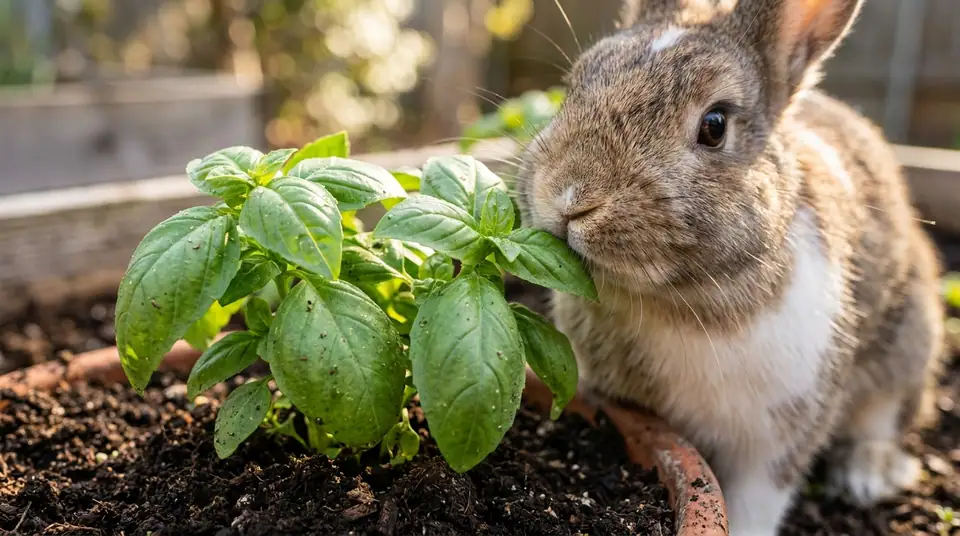
To understand how basil interacts with a rabbit's digestive tract, we must examine its chemical constituents. Basil leaves are densely packed with essential oils—predominantly linalool, eugenol, estragole, and methyl cinnamate. In the wild, these potent phytochemicals serve as a chemical defense mechanism, deterring generalist herbivores through strong aromas and astringent tastes. Domesticated and wild rabbits (Oryctolagus cuniculus), however, possess specialized hindgut-fermenting digestive systems. Their cecum is home to a complex microflora capable of breaking down diverse plant matter.
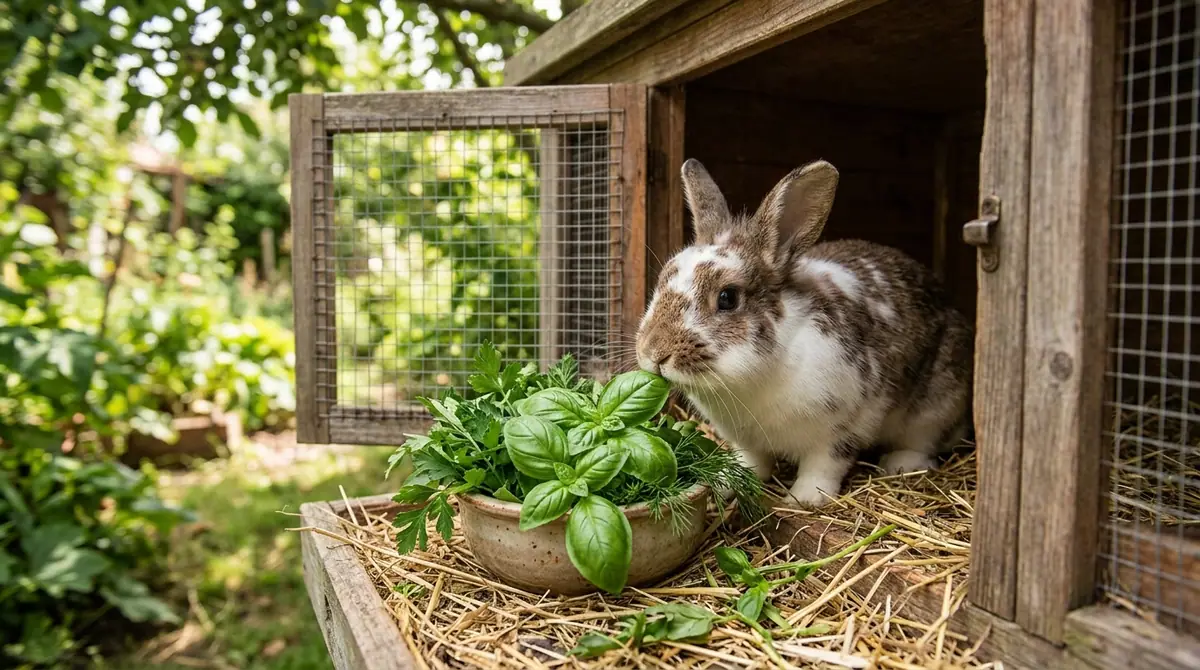
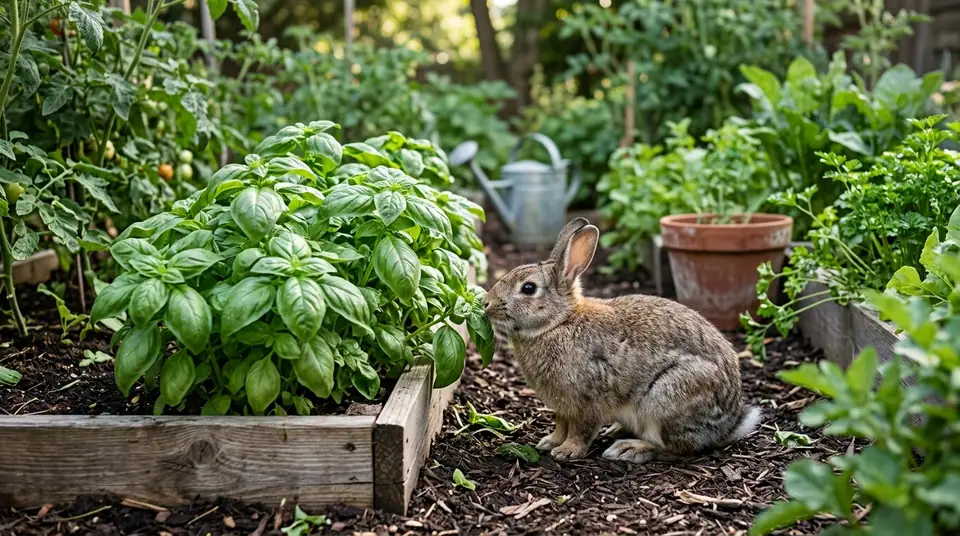
When answering the core question—can rabbits have basil?—the short botanical answer is a resounding yes, but with crucial caveats regarding quantity and concentration. Basil is entirely non-toxic to rabbits. Unlike plants containing soluble calcium oxalates or cardiac glycosides, sweet basil poses no systemic toxicity risk. However, because of its high concentration of essential oils and trace compounds, it must be treated as a botanical supplement or culinary treat rather than a dietary staple. A rabbit's daily diet should consist of 80 to 90 percent high-fiber grass hay, complemented by fresh leafy greens, with aromatic herbs making up no more than 5 to 10 percent of their daily fresh intake. Feeding too much concentrated aromatic foliage can occasionally lead to transient gastrointestinal stasis or gas if the animal's gut microbiome is overwhelmed by unfamiliar volatile compounds. For a broader look at managing garden visitors, you might want to review our guide on How to Keep Rabbits Out of the Garden 5 Humane Solutions That Work if you are trying to protect your outdoor crops from grazing pets or wild wildlife.
2. Essential Environmental & Care Requirements
Growing lush, nutrient-dense basil for both your kitchen and your furry companions requires a precise alignment of environmental factors. Basil is a notorious lover of warmth; it possesses zero frost tolerance and reacts poorly to thermal shock.
| Parameter | Optimal Condition | Common Mistake | Why It Matters |
|---|---|---|---|
| Temperature | 70°F–85°F (21°C–29°C) | Planting outdoors when soil dips below 60°F (15°C) | Cold soil stunts root development and invites damping-off pathogens. |
| Soil pH | 6.0 to 7.5 | Highly acidic soil below 5.5 | Locks out essential macronutrients like phosphorus and magnesium. |
| Light Exposure | 6 to 8 hours of direct sunlight | Shading plants in northern indoor corners | Reduces essential oil production, leading to bland, leggy foliage. |
| Watering Depth | 1 to 2 inches (2.5 to 5 cm) deep per irrigation | Frequent, shallow surface sprinkling | Encourages shallow root systems vulnerable to drought and rot. |
Soil composition is equally critical. Basil demands well-draining, loamy soil rich in organic matter. Heavy clay soils retain excessive moisture, suffocating the fine root hairs and paving the way for Fusarium wilt and root rot (Pythium species). If you are growing basil indoors to keep a steady supply for your house rabbit, ensure your containers feature adequate drainage holes and use a lightweight potting mix amended with perlite or coarse horticultural sand.
Nutrient management should favor balanced growth over excessive nitrogen. While nitrogen produces larger leaves, it dilutes the concentration of beneficial minerals and aromatic oils. A monthly application of a balanced, water-soluble organic fertilizer diluted to half-strength keeps plants robust without forcing rapid, weak cellular expansion. For comprehensive timing strategies on when to plant your crops, consult our detailed reference on When to Start Basil.
3. Step-by-Step Cultivation, Feeding & Propagation
Whether you are cultivating basil for your own culinary use or harvesting fresh sprigs as a safe botanical treat for your rabbit, establishing a reliable propagation and harvesting routine is essential. Follow this step-by-step protocol for optimal results:
- Select Quality Seed or Cuttings: Choose disease-resistant cultivars such as Genovese, Italian Large Leaf, or Lemon Basil. If growing from seed, ensure ambient room temperatures hover around 70°F (21°C).
- Sow at the Proper Depth: Plant seeds at a depth of 0.25 inches (0.6 cm). Because light can aid germination in certain varieties, lightly press seeds into the soil surface without burying them deep, keeping alignment with principles outlined in our guide Does Basil Need Light to Germinate? Soil Depth & Sprouting Science.
- Maintain Moisture and Heat: Keep the soil consistently moist using a misting bottle until germination occurs within 7 to 14 days. Maintain an ambient temperature range of 70°F to 75°F (21°C to 24°C).
- Thin and Transplant: Once seedlings develop two sets of true leaves, thin them to a spacing of 8 to 12 inches (20 to 30 cm) apart to ensure maximum airflow and sunlight penetration.
- Pinch for Bushiness: When plants reach a height of 6 inches (15 cm), pinch out the growing tip just above a node. This stimulates lateral branching, doubling your harvest potential.
- Harvest and Serve: Snip clean sprigs in the morning after dew has evaporated. Wash thoroughly in cold water to remove any soil residue or insect traces before offering a small, washed leaf to your rabbit as an occasional treat.
💡 Pro-Tip: Never feed your rabbit basil that has been treated with chemical insecticides, synthetic fertilizers, or systemic pesticides. Always grow a dedicated, organic patch specifically earmarked for your pets, located safely away from wild rabbit populations that could transmit parasites or lagomorph diseases.
4. Common Problems, Pests & Troubleshooting
Even the most dedicated botanist encounters cultivation hurdles when growing basil. Recognizing environmental stressors and biological pathogens early ensures a continuous harvest.
- Downy Mildew (Peronospora belbahrii): This oomycete is the single most destructive pathogen affecting basil globally. It manifests as yellowing chlorotic patches on the upper leaf surface, accompanied by a grayish-purple fuzzy sporulation layer on the underside. Solution: Increase plant spacing to guarantee air circulation, water exclusively at the base of the plant in the early morning, and immediately remove and destroy heavily infected foliage. Avoid overhead irrigation entirely.
- Fusarium Wilt: A soil-borne fungus (Fusarium oxysporum f. Sp. basilicum) that plugs the plant's vascular system. Symptoms include one-sided plant stunting, brown streaks in the stems, and sudden wilting despite adequate soil moisture. Solution: Practice strict crop rotation, discard infected soil, and purchase certified disease-resistant seed lines.
- Aphids and Whiteflies: These sap-sucking insects colonize the tender undersides of basil leaves, excreting sticky honeydew that fosters unsightly sooty mold. Solution: Introduce beneficial predatory insects such as ladybeetles (Coccinellidae) or lacewings, or wash foliage thoroughly with a gentle solution of potassium salts of fatty acids (insecticidal soap), ensuring it is completely rinsed before any leaves are harvested for animal consumption.
- Leaf Scorch and Edger Necrosis: Caused by intense ultraviolet radiation paired with irregular watering cycles. Leaves develop crisp, brown margins. Solution: Provide afternoon shade during peak summer heatwaves when ambient outdoor temperatures exceed 90°F (32°C), and maintain a consistent soil moisture profile.
⚠️ Important Caution: Never feed your rabbit basil that shows signs of fungal decay, mold, or powdery mildew. Fungal mycotoxins can cause severe digestive distress, enterotoxemia, or fatal dysbiosis in sensitive lagomorph digestive tracts. When in doubt, compost the entire plant.
5. Frequently Asked Questions
Can baby rabbits eat basil?
No. Kits (baby rabbits) under 12 weeks of age possess extremely fragile, developing gastrointestinal tracts that are colonized by maternal milk flora transitioning to solid forage. Introducing fresh greens, herbs, or high-moisture foods at this stage can trigger fatal enteritis or severe diarrhea. Wait until your rabbit is fully mature and accustomed to a stable base diet of grass hay before introducing fresh herbs in tiny increments.
How much basil can I give my rabbit daily?
Basil should be viewed strictly as a garnish or occasional treat rather than a primary food group. For an average-sized adult rabbit (around 4 to 6 pounds or 1.8 to 2.7 kg), a safe serving size is 1 to 2 fresh leaves, offered 2 to 3 times per week. Monitor your rabbit's fecal output and behavior following the introduction of any new botanical to ensure their digestive system processes it smoothly.
Can rabbits eat dried basil leaves?
Yes, rabbits can eat dried basil, but with important caveats. Dried herbs have concentrated flavors and lack the high water content of fresh foliage. If you offer dried culinary basil, ensure it contains zero added salts, oils, garlic, or chemical preservatives. Because the aromatic oils are concentrated in dried forms, offer even smaller pinches than you would with fresh leaves to avoid discouraging consumption through overwhelming scents.
What happens if my rabbit eats basil flowers?
Basil flowers (and the small green seed pods that follow) are entirely non-toxic to rabbits. However, once a basil plant transitions from vegetative growth to flowering (bolting), the leaves become bitter, tough, and woody due to redirected cellular energy. While eating the flowers will not harm your rabbit, it signals that your harvest window for tender, palatable culinary foliage has closed for that specific stem.
Related Guides
- Can Bunnies Have Basil
- Can Rabbits Eat Fresh Basil
- Can Rabbits Eat Sweet Basil
- How to Keep Rabbits Out of the Garden 5 Humane Solutions That Work
- Can Bunnies Eat Basil
📋 Table of Contents ▼ Click to expand
Tags:
Keep reading
🌿 Related Plants You Might Like
PlantSavvyWorld
Editorial team
PlantSavvyWorld is an independent botanical education project. Articles are drafted with AI assistance, then edited and checked against university extension services, botanical garden collections and other published horticultural sources.