Written with AI assistance, edited and checked against horticultural sources.
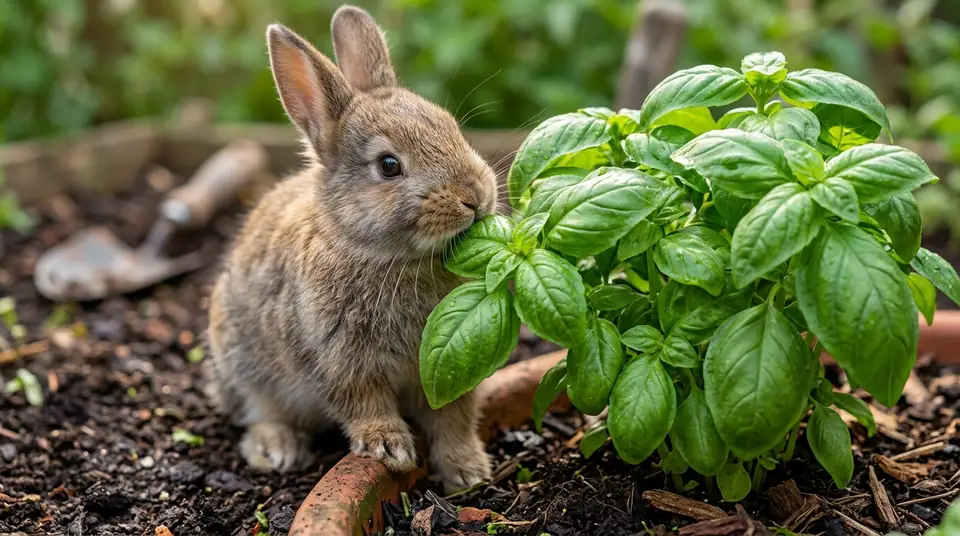
Last Tuesday morning, I walked out to my east-facing trial beds with a basket in hand, intending to harvest a generous bunch of Genovese basil for dinner, only to find my favorite two-year-old Netherland Dwarf rabbit, Pip, perched triumphantly inside the raised herb planter. He had carefully nibbled every tender, upper-most growing tip off six distinct Ocimum basilicum plants, leaving behind clean, angled stems and a very satisfied twitching nose. That close encounter between a curious lagomorph and my prized culinary greens raises the exact question every pet owner and gardener asks me: can bunnies eat basil? The short answer is yes, absolutely, but with critical caveats regarding essential oils, portion control, and garden safety that every responsible plant parent needs to understand.
1. Botanical Overview & Natural Habitat
Basil (Ocimum basilicum) belongs to the vast Lamiaceae family, sharing taxonomic traits with mint, sage, and oregano. Native to tropical regions spanning from Central Africa to Southeast Asia, this tender herbaceous annual thrives in warm, frost-free climates where daily temperatures remain consistently high. Botanically, the plant is characterized by square stems, opposite decussate leaves, and a dense root system that seeks out well-draining, nutrient-rich substrates.
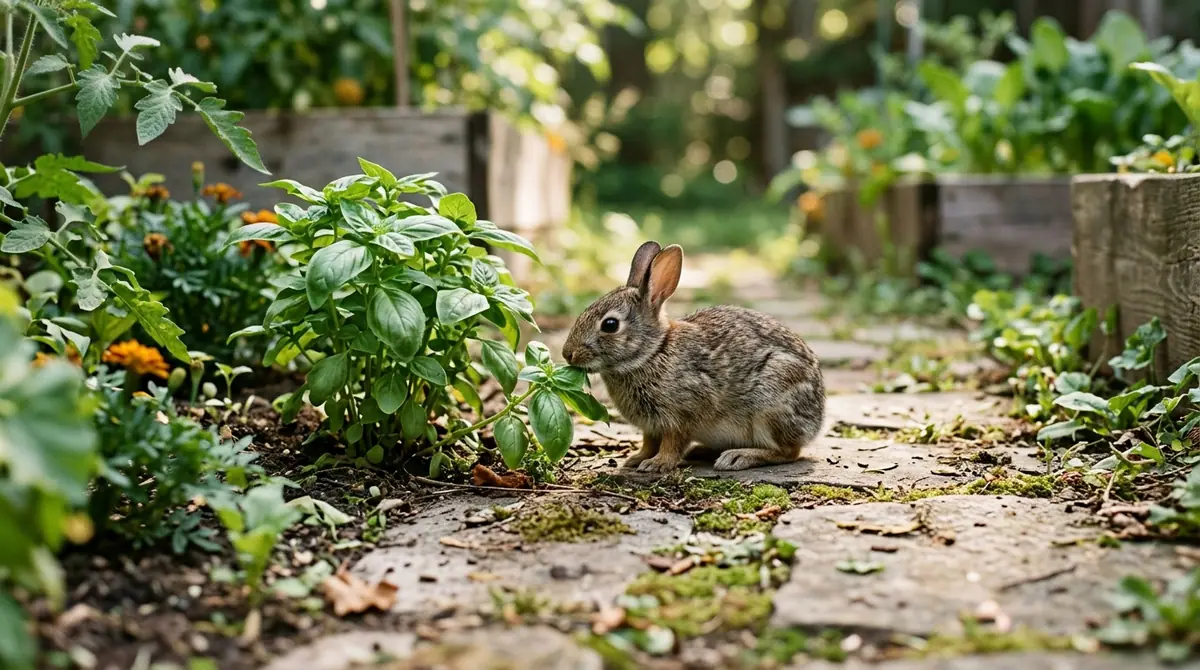
Small brown rabbit nibbling on green basil leaves in a garden bed
For wild rabbits (Sylvilagus species) and domestic house bunnies (Oryctolagus cuniculus), plants in the Lamiaceae family represent an intriguing dietary puzzle. In their native Mediterranean and temperate habitats, wild rabbits graze on a diverse array of grasses, wild weeds, and aromatic herbs. However, their digestive tracts are finely tuned to handle high-fiber, low-calorie vegetation. Basil is packed with aromatic essential oils—primarily linalool, eugenol, and estragole—which give the plant its characteristic pungent fragrance and flavor.
When a bunny consumes basil, these aromatic compounds pass through their sensitive gastrointestinal tract. While domestic rabbits can safely process small amounts of these volatile oils, a sudden influx can disrupt the delicate balance of microbial flora in their cecum. Unlike dogs or cats, rabbits are strict hindgut fermenters. They possess a specialized organ called the cecum, housing billions of beneficial bacteria that break down structural plant fiber. Because basil is low in structural fiber and high in water and volatile oils, it must be treated strictly as a botanical treat or forage supplement, never as a staple component of their daily diet. A staple diet must instead consist of unlimited grass hay (such as Timothy or orchard grass), fresh water, and high-quality pellets, supplemented daily by a measured cup of leafy greens.
2. Essential Environmental & Care Requirements
Growing lush, nutrient-dense basil ensures that if you do share a leaf with your bunny, the plant is free of chemical residues and packed with beneficial vitamins A, C, and K, as well as calcium and iron. Achieving this requires strict adherence to environmental parameters. Basil is notoriously intolerant of cold stress and waterlogged soil conditions.
Parameter
Optimal Condition
Common Mistake
Why It Matters
Soil Temperature
70°F to 85°F (21°C to 29°C)
Planting in soil below 60°F (15°C)
Cold soil stunts root development and invites damping-off pathogens.
Air Temperature
75°F to 90°F (24°C to 32°C)
Exposing plants to sub-50°F (10°C) nights
Chilling injury causes leaf blackening and cellular collapse.
Soil Depth
8 to 12 inches (20 to 30 cm) for containers
Crowding into shallow 3-inch (7.5 cm) trays
Restricts the taproot and limits access to vital moisture and nutrients.
Light Exposure
6 to 8 hours of direct sun daily
Placing in deep, stagnant shade
Reduces essential oil synthesis, leading to bland leaves and leggy growth.
Watering technique is equally critical for preventing root rot caused by Pythium species. Always allow the top 1 inch (2.5 cm) of soil to dry completely between irrigation cycles. When growing culinary herbs indoors or outdoors for pet consumption, you must avoid synthetic systemic pesticides entirely. If your rabbit is going to graze near or on your plants, chemical residues can prove rapidly fatal to their delicate internal systems. Instead, rely on organic companion planting and physical barriers.
💡 Pro-Tip: To maximize the aromatic volatile oils in your basil without stressing the plant, water your container-grown herbs strictly in the morning hours using lukewarm water (around 70°F or 21°C). This allows foliage to dry completely before nightfall, deterring fungal spores while encouraging robust secondary metabolite production.
Whether you want to cultivate a dedicated patch for yourself or safe foraging zones for your pet, starting basil from seed or cuttings is a straightforward horticultural process. For gardeners looking to time their crops effectively, consult comprehensive guides such as When to Start Basil to align your planting calendar with your local frost-free dates. Furthermore, understanding the precise mechanics of seed dormancy is vital; review Does Basil Need Light to Germinate? Soil Depth & Sprouting Science for deep insights into the biology of successful sprouting.
Here is my proven, step-by-step protocol for growing vigorous, bunny-safe basil:
Select and Prepare the Substrate: Fill clean seedling flats or small containers with a sterile, well-draining seed-starting mix composed of peat moss, perlite, and vermiculite. Ensure the medium is pre-moistened to a sponge-like consistency before planting.
Sow the Seeds: Press the basil seeds gently into the surface of the medium. Because they require light to break dormancy, cover them with no more than 1/8 inch (0.3 cm) of fine vermiculite or leave them largely uncovered, pressing them firmly into contact with the soil.
Manage Germination Conditions: Place the trays in a warm location where ambient temperatures remain between 70°F and 75°F (21°C and 24°C). Keep the surface evenly moist using a fine mist spray bottle to avoid displacing the tiny seeds. Germination typically occurs within 7 to 14 days.
Provide Optimal Lighting: The moment green cotyledons emerge, provide 14 to 16 hours of direct sunlight or intense LED grow lighting daily to prevent etiolation (leggy, weak stems).
Transplant Out: When seedlings reach 3 inches (7.5 cm) tall and have developed at least two sets of true leaves, harden them off over 7 days by gradually increasing outdoor exposure. Transplant them into garden beds or larger containers spaced 10 to 12 inches (25 to 30 cm) apart, ensuring soil temperatures have stabilized above 65°F (18°C).
Pinch for Bushiness: When the main stem reaches 6 inches (15 cm) in height, use clean bypass pruners to pinch out the central growing tip just above a node. This encourages lateral branching, doubling your harvest potential and keeping the plant compact.
Even with meticulous care, growing basil comes with challenges. Recognizing early warning signs saves your crop and keeps your foraging pet safe from contaminated foliage.
Fusarium Wilt (Fusarium oxysporum): This soil-borne fungal pathogen causes sudden wilting, stem twisting, and brown streaks inside the vascular system. Prevention is your only defense: use sterile potting mixes, practice a 3-year crop rotation, and never reuse infected soil where rabbits might forage.
Powdery Mildew (Podosphaera macularis): Appears as a white, powdery dusting on the upper and lower surfaces of leaves, usually triggered by high humidity and poor air circulation. Prune crowded stems to improve airflow and apply organic potassium bicarbonate sprays if caught early.
Aphids and Spider Mites: These tiny sap-suckers colonize the undersides of tender basil leaves, causing yellow stippling and distorted growth. Never use chemical insecticides on plants accessible to rabbits. Instead, knock pests off with a strong jet of water or introduce beneficial predatory insects like lady beetles (Hippodamia convergens).
Nutrient Deficiencies: Interveinal chlorosis (yellowing between green veins) typically points to a nitrogen or iron deficiency in container-grown plants. Feed every 14 days during the active growing season with a balanced, organic liquid kelp fertilizer diluted to half strength.
⚠️ Important Caution: Never feed your rabbit basil that has been treated with systemic insecticides, chemical fungicides, or artificial fertilizers containing synthetic heavy metals. These compounds accumulate in the plant tissue and can cause severe systemic toxicity, liver failure, or fatal gastrointestinal stasis in lagomorphs. Always wash freshly harvested herbs thoroughly in cool water before offering them to your pet.
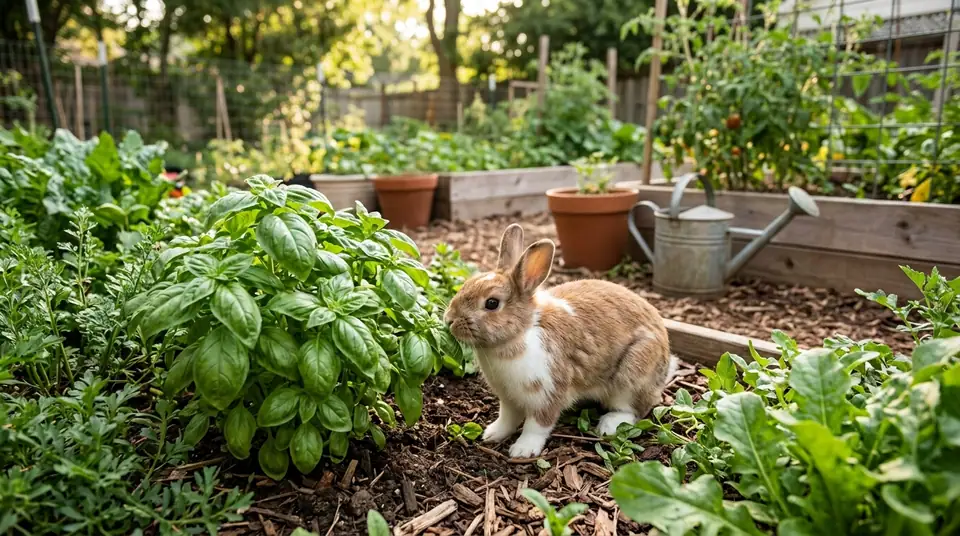
Cute brown and white bunny standing next to a fresh basil plant in a garden
5. Frequently Asked Questions
Can rabbits eat sweet basil every day?
No. While sweet basil (Ocimum basilicum) is non-toxic to rabbits, its high concentration of aromatic essential oils means it should be offered only as an occasional treat. Limit portions to one or two small leaves two to three times a week. Overfeeding aromatic herbs can disrupt the delicate balance of beneficial gut bacteria in their cecum, leading to gas, soft stools, or gastrointestinal distress.
Are all varieties of basil safe for bunnies?
Most culinary varieties—including Genovese, Thai basil, lemon basil, and cinnamon basil—are non-toxic to rabbits. However, rabbits may reject intensely spicy or strongly scented cultivars like Thai basil due to their high eugenol content. Always introduce a new variety in tiny amounts (a single half-leaf) and monitor your pet for 24 hours for any signs of digestive upset, decreased appetite, or changes in fecal output.
What should I do if my rabbit eats an entire basil plant?
If your rabbit has broken into your herb garden and consumed a large amount of basil, do not panic, but monitor them closely. Remove access to any remaining plants. Ensure they have a constant supply of fresh water and long-stemmed grass hay, which encourages gut motility. Watch for signs of abdominal discomfort, lethargy, or a refusal to eat or poop. If your rabbit stops eating or producing stool for more than 12 hours, contact an exotic animal veterinarian immediately, as GI stasis is a life-threatening emergency.
Can baby rabbits eat basil?
No. Young rabbits (kits) under 12 weeks of age have extremely fragile, developing digestive systems that are exclusively adapted to mother's milk and, later, plain alfalfa hay and plain pellets. Introducing fresh greens, vegetables, or herbs too early can trigger severe, fatal enteritis and diarrhea. Wait until a rabbit is at least 6 months old and fully transitioned to an adult diet before introducing fresh herb treats in strict moderation.
PlantSavvyWorld is an independent botanical education project. Articles are drafted with AI assistance, then edited and checked against university extension services, botanical garden collections and other published horticultural sources.