

Azalea Seeds
Written with AI assistance, edited and checked against horticultural sources.
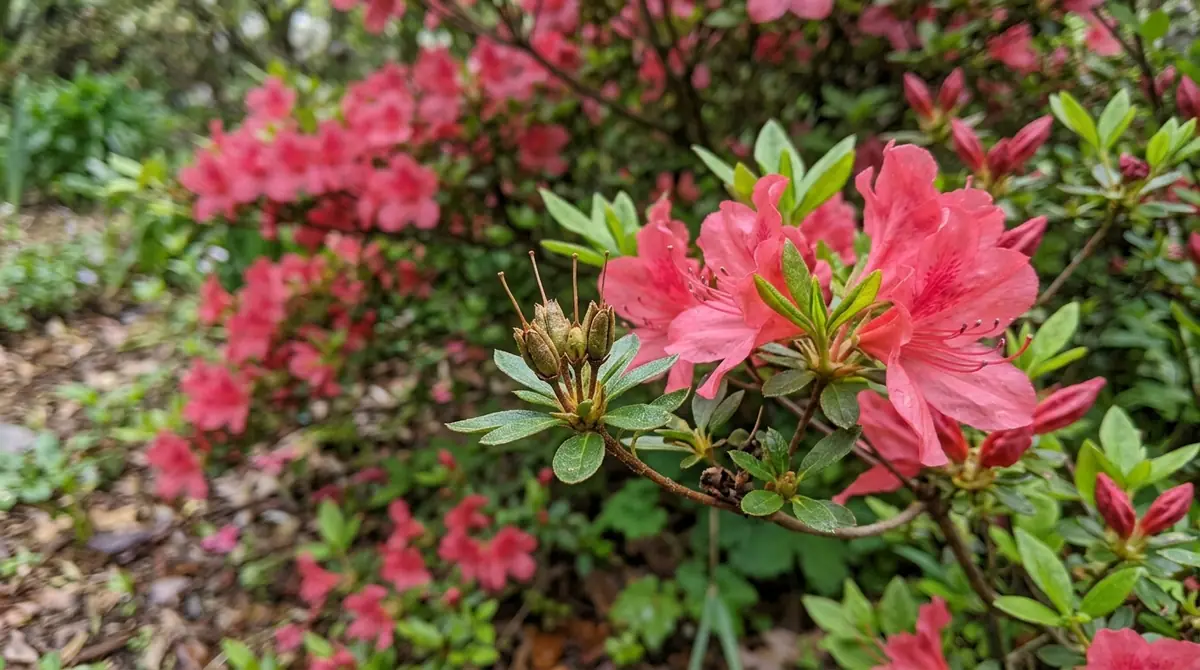
I still vividly remember the morning I harvested my first batch of Rhododendron prinophyllum seed capsules from the damp woodland edge behind my experimental plots. They looked like tiny, woody canoe-shaped pods, brittle and brown, packed with hundreds of dust-like seeds smaller than a period at the end of a sentence. Most gardeners assume azaleas are propagated solely through stem cuttings or layering, missing the thrill of growing these acid-loving masterpieces from scratch. I find that growing azaleas from seed unlocks genetic variations in flower color, bloom time, and hardiness that cloned nursery stock simply cannot match. Whether you are timing your indoor sowing similarly to how you plan When to Start Seeds Indoors Zone 7a or experimenting with woodland perennials, mastering azalea seeds requires precision, patience, and an understanding of their wild origins.
1. Botanical Overview & Natural Habitat
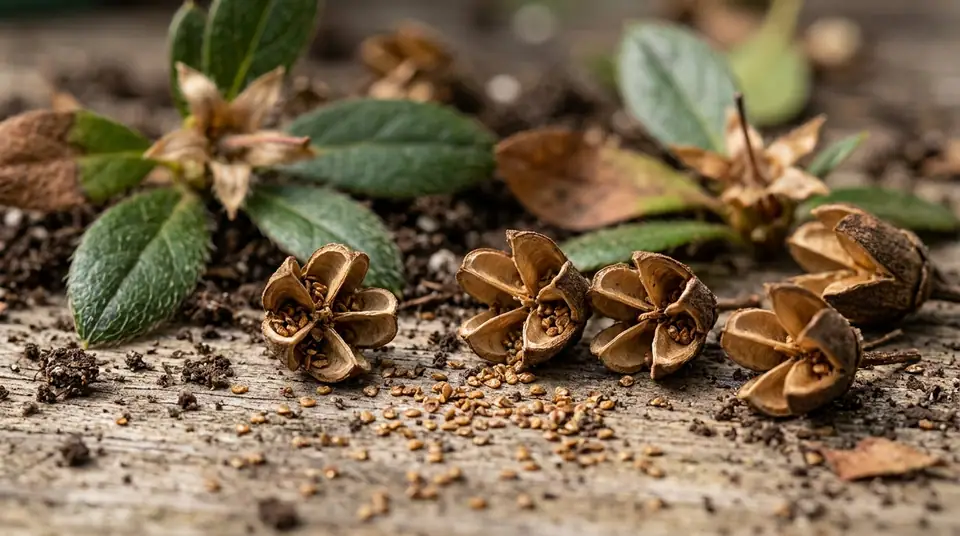
The botanical structure of an azalea seed is specialized for wind and water dispersal. Each seed is extremely minute—often running between 1 to 2 million seeds per pound—and is frequently winged or elongated, allowing it to catch air currents and settle into the damp, mossy organic matter of a forest floor. Unlike large-seeded vegetables where you calculate planting depth similarly to When Plant Squash Seeds, azalea seeds must never be buried deeply. In the wild, they rely on surface germination where light is an absolute trigger for breaking dormancy.
Taxonomically, azaleas were once separated into the genus Azalea, but modern botanists classify them under Rhododendron subgenera Tsutsuji (evergreens) and Pentanthera (deciduous). Understanding this lineage helps us replicate their native environment in a controlled setting. They demand a soil pH ranging tightly between 4.5 and 6.0. If the pH creeps above 6.5, iron becomes chemically unavailable, leading to severe chlorosis. Their root systems are exceptionally fine, hair-like, and shallow, making them highly vulnerable to both drought and waterlogged compaction.
2. Essential Environmental & Care Requirements
Replicating an Appalachian woodland floor on a propagation bench requires meticulous attention to environmental parameters. Because azalea seeds are tiny and lack heavy endosperm reserves, they need steady moisture, continuous light, and high humidity during their first 90 days of life.
| Parameter | Optimal Condition | Common Mistake | Why It Matters |
|---|---|---|---|
| Soil pH | 4.5 – 6.0 | Using standard garden compost or alkaline potting soil | High pH locks out iron and stunts fine root development. |
| Germination Temp | 65°F – 70°F (18°C – 21°C) | Exceeding 75°F (24°C) or dropping below 55°F (13°C) | Extreme temperatures halt enzymatic activity and trigger secondary dormancy. |
| Light Exposure | 14–16 hours of bright, indirect light | Direct, harsh midday sun | Intense light scorches microscopic seedlings and dries out the surface medium. |
| Moisture Level | Constantly damp via bottom-watering | Allowing the surface to dry out even once | Dehydration kills delicate, newly emerged radicles instantly. |
Lighting is non-negotiable for azalea seed success. Unlike vegetable crops that you might manage indoors using schedules similar to When to Start Tomato Seeds Indoors Zone 6, azalea seeds require photoblastic exposure. They need light to signal germination. Place your containers under LED shop lights or fluorescent fixtures providing 1,500 to 2,000 lumens, positioned 6 inches (15 cm) above the tray.
Humidity management is equally critical. Azalea seedlings possess rudimentary root systems incapable of drinking from dry ambient air. Enclosing your propagation trays in clear humidity domes or polyethylene bags maintains a relative humidity of 90% to 100% during the critical first month.
For further reading on ericaceous plant care and soil science, consult the comprehensive guides provided by the Royal Horticultural Society on growing rhododendrons and azaleas.
3. Step-by-Step Cultivation, Feeding & Propagation
Growing azaleas from seed is a marathon, not a sprint. Fresh seed collected in autumn yields the highest germination rates, though stratified dry-stored seed also performs well.
💡 Pro-Tip: Never sow azalea seeds on standard potting soil or garden dirt. Use a sterile, highly organic, and extremely fine medium composed of equal parts milled sphagnum peat moss and perlite, or finely sifted ericaceous compost.
Follow this sequential protocol to take your azalea seeds from packet to established liners:
- Prepare the Containers: Fill clean propagation trays or small pots with your sterile peat-perlite mix. Press the medium down gently to eliminate large air pockets, then water thoroughly from the bottom by setting the containers in a tray of distilled water until the surface glistens.
- Surface Sow the Seed: Carefully tap the dust-like azalea seeds evenly across the damp surface of the medium. Do not cover the seeds with soil, as they require light to germinate.
- Seal for Humidity: Cover the container with a clear plastic dome or slip it inside a transparent zip-top bag to trap moisture completely. Place the setup under your grow lights maintaining 65°F to 70°F (18°C to 21°C).
- Monitor Germination: Check daily for moisture condensation. Germination typically occurs within 21 to 42 days. Keep a watchful eye, much like the precision required when timing When to Start Seeds Outdoors, because neglecting moisture for even a few hours at this stage is fatal.
- Acclimate to Ambient Air: Once the first true leaves appear around day 50, prop the humidity dome open by 0.5 inches (1.2 cm) for two days, then remove it entirely. Maintain high ambient humidity in the room to prevent shock.
- Initial Feeding: At 90 days post-germination, apply a water-soluble, acid-forming fertilizer formulated for acid-loving plants, diluted to one-quarter strength. Feed every 3 weeks through the active growing season.
- First Transplanting: When seedlings reach 1.5 inches (3.8 cm) in height—usually around 5 to 6 months—transplant them individually into 2-inch (5 cm) pots filled with a mix of peat, pine bark fines, and perlite.
⚠️ Important Caution: Never use municipal tap water high in calcium or chlorine to water azalea seedlings. The resulting alkalinity will rapidly spike your growing medium's pH above 6.0, causing irreversible iron chlorosis and root burn. Always use rain water, distilled water, or reverse-osmosis water.
4. Common Problems, Pests & Troubleshooting
Even with careful execution, growing azaleas from seed presents distinct botanical challenges. Recognizing symptoms early separates success from total crop loss.
- Damping-Off Fungus: If you notice seedlings collapsing at the soil line, appearing pinched and water-soaked, you are dealing with Pythium or Rhizoctonia fungi. This occurs when air circulation is stagnant and the medium is overly saturated. Prevent this by dusting the surface lightly with milled sphagnum moss prior to sowing, which possesses natural anti-fungal properties.
- Algae and Liverwort Invasion: Green fuzz or small flat liverwort leaves overtaking the surface of your seeding medium indicate excessive light combined with high humidity and stagnant air. Scrape the surface gently with a toothpick and increase gentle air movement using a small computer fan on its lowest setting.
- Yellowing Foliage (Chlorosis): If young leaves turn bright yellow while veins remain green, your soil pH has drifted upward or your water source is too alkaline. Flush the medium immediately with rainwater adjusted with a drop of horticultural vinegar, and apply a chelated iron drench.
- Stalled Growth: If seedlings stall at the 4-month mark without growing new leaves, they have likely exhausted the minute nutrients in the peat and need their first weak application of ericaceous fertilizer.
5. Frequently Asked Questions
Can I collect azalea seeds from my own garden plants?
Yes, you can harvest seed pods in autumn just as they turn brown and begin to split open. However, if your garden plants are hybrid cultivars rather than wild species, seeds collected from them will not come true to type. The resulting offspring will display a wide and unpredictable array of flower colors and growth habits due to genetic segregation.
Do azalea seeds need cold stratification in the refrigerator?
Most deciduous and evergreen azalea seeds do not strictly require cold stratification to break dormancy. However, providing a 2-to-4-week cold stratification period at 35°F to 40°F (1.5°C to 4.5°C) can improve overall germination speed and uniformity, especially for wild-collected northern species.
How long does it take for azalea seedlings to flower?
Patience is essential. Grown from seed, azaleas typically take anywhere from 2 to 4 years to produce their very first blossoms. The initial blooms may be small and atypical, but flower size, color intensity, and structural form will improve significantly as the shrub matures into its second and third bloom cycles.
Can I plant azalea seeds directly into the garden soil outdoors?
Direct-sowing azalea seeds outdoors is rarely successful. Because the seeds are microscopic, surface-sown outdoors, they are easily washed away by heavy rain, devoured by insects, or dried out by wind and sun. Controlled indoor propagation under lights and humidity domes is necessary to achieve viable survival rates during the delicate seedling phase.
Related Guides
- Poetic Plant
- Polyculture Farming What is It and Why is It Better Than Monoculture
- Plant Plumeria Cutting
📋 Table of Contents ▼ Click to expand
Tags:
Keep reading
🌿 Related Plants You Might Like






PlantSavvyWorld
Editorial team
PlantSavvyWorld is an independent botanical education project. Articles are drafted with AI assistance, then edited and checked against university extension services, botanical garden collections and other published horticultural sources.