

Poetic Plant
Written with AI assistance, edited and checked against horticultural sources.
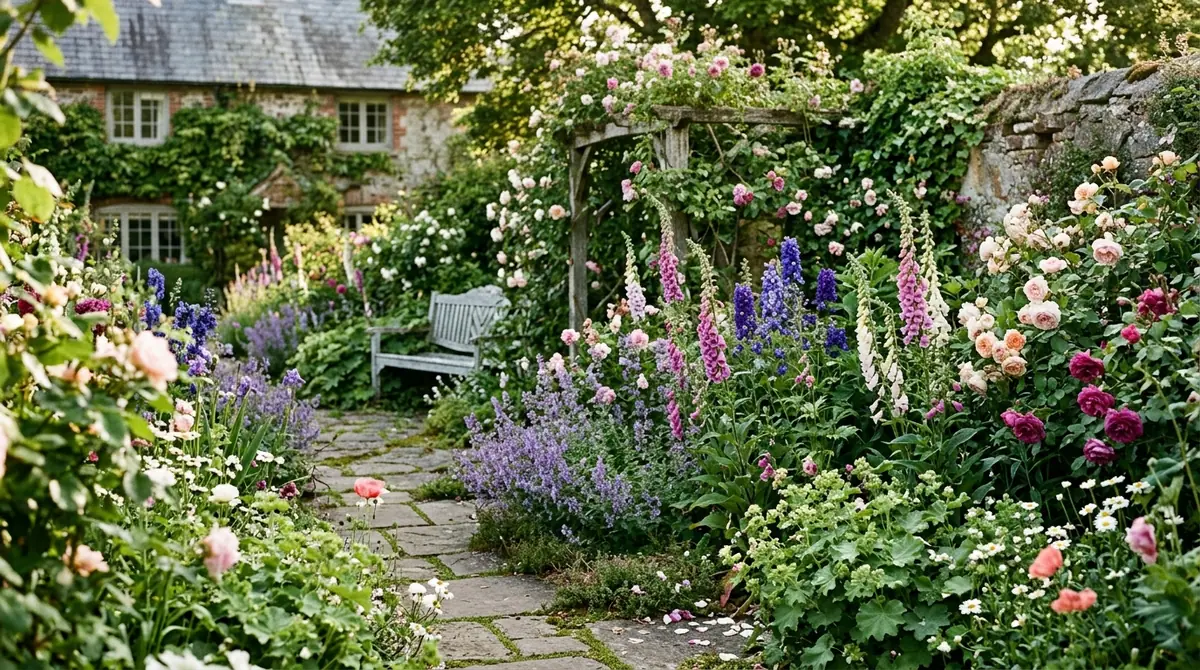
Bleeding hearts (Dicentra spectabilis) feature arching, heart-shaped blossoms that catch low light under a dense canopy of ancient oaks. Gardeners often chase architectural dominance or riotous color, but the true "poetic plant" offers something rarer: a moment of quiet, evocative narrative that transforms a mundane courtyard into a living poem. Whether orchestrating a delicate shade garden or interplanting the landscape with utilitarian crops like those detailed in the guide on When to Plant Carrots in Zone 8a, understanding the nuanced needs of these lyrical specimens elevates the entire design philosophy.
1. Botanical Overview & Natural Habitat

In their native understory and temperate margin habitats—stretching from the deciduous forests of Siberia and Northern China to the damp woodlands of the Pacific Northwest—these plants thrive in dappled light and organic-rich soil matrices. Botanically, they have adapted to short, cool springs and long, dormant winters. Their rhizomes and fleshy root systems act as underground carbohydrate reserves, allowing them to erupt into rapid, delicate foliage and cascading blooms as soon as soil temperatures climb above 45°F (7°C).
Morphologically, the poetic plant relies on asymmetry and gesture. Unlike rigid, upright cultivars bred for mass commercial sales, true poetic specimens feature pendulous pedicels, weeping habits, and translucent petal structures that catch morning dew like glass beads. When designing with them, their natural habitat dictates their placement: they are not meant for baking in full southern sun or competing with aggressive taproots. Instead, they require the gentle, humic-rich leaf mold environments typical of temperate woodland floors.
2. Essential Environmental & Care Requirements
Cultivating a plant with such delicate aesthetic qualities requires rigorous attention to environmental parameters. Deviate too far from their native woodland conditions, and the foliage quickly scorches or the rhizomes succumb to rot.
| Parameter | Optimal Condition | Common Mistake | Why It Matters |
|---|---|---|---|
| Light Exposure | Dappled shade to morning sun (2–4 hours) | Full, unfiltered afternoon sun | Intense ultraviolet radiation scorches translucent foliage and causes premature dormancy. |
| Soil pH & Type | 6.0 to 6.8; loamy, rich in organic humus | Heavy, compacted clay or dry sand | Poor drainage suffocates fleshy roots, while high clay content impedes delicate rhizome expansion. |
| Moisture Levels | Consistently moist, never waterlogged | Allowing the root zone to dry completely | Drought triggers a survival response, forcing the plant to die back weeks ahead of schedule. |
| Temperature | 55°F to 75°F (13°C to 24°C) | Sustained ambient heat above 85°F (29°C) | High temperatures signal physiological stress, leading to foliar yellowing and dormancy. |
Feeding these specimens demands a delicate touch. Unlike heavy-feeding vegetables—such as those you might manage when checking out When to Plant Brussel Sprouts in Zone 7—poetic plants require minimal chemical intervention. Over-fertilization results in lush, weak stems that topple under their own weight. Instead, top-dress the root zone annually with a 1-inch (2.5 cm) layer of well-rotted leaf mold or compost each spring.
💡 Pro-Tip: If your woodland garden soil leans toward heavy clay, do not amend individual planting holes with sand or peat. This creates a bathtub effect where water pools around the roots. Instead, amend the entire bed broadly with aged compost to maintain a uniform hydraulic conductivity across the soil profile.
3. Step-by-Step Cultivation, Feeding & Propagation
Establishing a poetic plant requires patience and precision. Because many of these species undergo summer dormancy, timing your interventions is critical for long-term survival. Follow this step-by-step protocol to successfully plant, nurture, and propagate your specimens.
- Select the Planting Window: Procure container-grown or bare-root specimens in early spring (soil temperatures at 45°F–50°F / 7°C–10°C) or early autumn, allowing root establishment without heat stress.
- Prepare the Micro-Site: Dig a hole twice as wide as the root mass but only as deep. Incorporate a generous handful of mycorrhizal fungi inoculant directly into the base of the excavation to stimulate fine root hairs.
- Position the Rhizome/Crown: Place the plant so the crown sits precisely 1 inch (2.5 cm) below the soil surface. Burying crowns too deeply invites fungal decay, while exposing them leaves them vulnerable to frost heaving.
- Initial Watering & Mulching: Water deeply to settle the soil particles around the root network. Apply a 2-inch (5 cm) layer of shredded hardwood bark or leaf mulch around the base, maintaining a 1-inch (2.5 cm) clearance from the stems to prevent collar rot.
- Establish Maintenance Watering: Provide 1 inch (2.5 cm) of water per week via rainfall or irrigation during the active growing season. Monitor soil moisture using a tensiometer or by probing 2 inches (5 cm) deep into the soil.
- Propagating via Division: Every 3 to 4 years, lift established clumps in early spring just as new red shoots emerge. Use a sterile, sharp hori-hori knife to slice the fleshy root mass, ensuring each division contains at least 3 distinct vegetative buds and an intact root system. Replant immediately at the original depth.
⚠️ Important Caution: Wear thick nitrile gloves and wash your tools thoroughly after dividing or pruning plants like Dicentra, as many poetic woodland perennials contain isoquinoline alkaloids that can cause skin irritation or mild toxicity if ingested by domestic pets.
For further botanical reference on perennial selection and woodland management, consult the Royal Horticultural Society (RHS) and the Missouri Botanical Garden Plant Finder, both of which offer exhaustive peer-reviewed databases on hardiness and cultivation nuances.
4. Common Problems, Pests & Troubleshooting
Even with meticulous care, the fragile nature of poetic plants makes them susceptible to environmental and biological stressors. Recognizing symptoms early prevents total crop or specimen loss.
Foliar Yellowing in Mid-Summer
If your plants begin turning yellow and dropping leaves by July, do not panic. Many poetic woodland perennials are genetically programmed to go dormant when summer temperatures peak and soil moisture drops. Check the root zone: if the soil is damp and firm, this is natural senescence. Cut back the withered foliage to the ground and allow the plant to rest until autumn or the following spring.
Slug and Snail Damage
The tender, succulent foliage of emerging spring shoots acts as a beacon for gastropods. Ragged holes in leaves and slimy trails indicate an infestation. Handpick pests at dusk or apply certified organic iron phosphate baits around the drip line. Avoid high-nitrogen chemical fertilizers, which create overly lush, soft tissue that invites even heavier feeding.
Crown Rot (Pythium or Rhizoctonia)

5. Frequently Asked Questions
Can I grow a poetic plant in a container on a shaded balcony?
Yes, provided you select a wide, frost-proof container measuring at least 16 inches (40 cm) in diameter to insulate the delicate root system from extreme temperature swings. Use a high-organic potting mix blended with perlite to maintain aeration, and ensure the pot features adequate drainage holes. Keep in mind that container-grown specimens require more frequent winter protection than in-ground plants.
Why did my established bleeding heart fail to emerge this spring?
The most common culprit is winter root rot caused by stagnant soil moisture during freezing-thawing cycles. Alternatively, unseasonably late hard freezes can damage emerging red shoots before they break the soil surface. If the crown feels firm and crisp rather than mushy when gently excavated, the plant may simply be delayed; wait two weeks before discarding.
How do I collect and start seeds from my poetic plants?
Allow the elongated seed pods to mature and turn brown on the plant, but harvest them just before they split open to prevent seed loss. Sow the fresh seeds immediately in flats filled with a moist peat-perlite medium. They typically require a cold stratification period of 60 to 90 days at 35°F to 40°F (1.5°C to 4.5°C) to break internal dormancy before germination will occur in spring.
Do poetic plants require deadheading to prolong their bloom cycle?
Unlike summer annuals, most classic poetic perennials have a genetically determined bloom window lasting 4 to 6 weeks in spring. Deadheading spent blossoms does not trigger a second flush of flowers; however, clipping off the faded seed stalks can improve the visual tidiness of the plant and redirect plant sugars back into the root rhizomes for next year's performance.
Related Guides
📋 Table of Contents ▼ Click to expand
Tags:
🌿 Related Plants You Might Like




PlantSavvyWorld
Editorial team
PlantSavvyWorld is an independent botanical education project. Articles are drafted with AI assistance, then edited and checked against university extension services, botanical garden collections and other published horticultural sources.