

Mammoth Jalapeno Seeds
Written with AI assistance, edited and checked against horticultural sources.
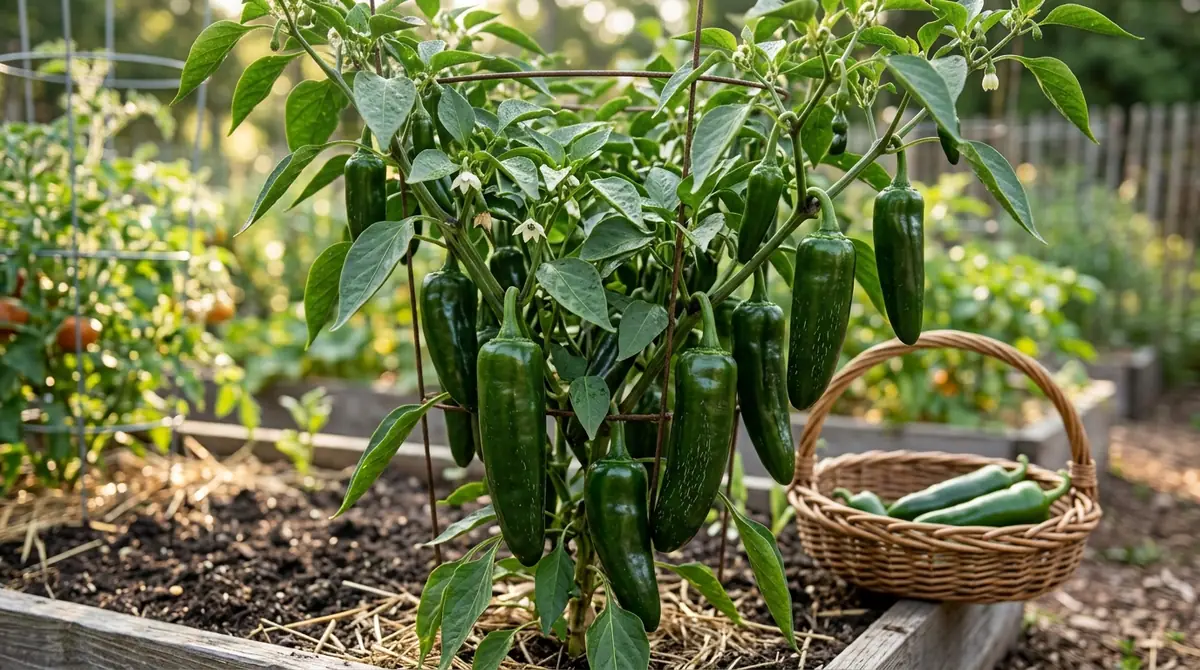
Harvesting mammoth jalapeno seeds can yield a pepper measuring a staggering 5.5 inches (14 cm) long, weighing nearly a quarter-pound, and possessing a thick, crisp flesh that surpasses standard supermarket peppers.

1. Botanical Overview & Natural Habitat
Mammoth jalapeños (Capsicum annuum 'Mammoth') are an open-pollinated, large-fruited selection of the classic domesticated pepper native to the river valleys of Mexico. Botanically, they belong to the nightshade family (Solanaceae), sharing close evolutionary traits with tomatoes, eggplants, and potatoes.
Unlike determinate bush peppers, mammoth jalapeños grow as robust, semi-woody perennial tender subshrubs that are treated as annuals in temperate climates. They typically reach a mature height of 30 to 48 inches (75 to 120 cm) and a spread of 24 to 36 inches (60 to 90 cm). The leaves are dark green, ovate, and arranged alternately along sturdy, branching stems designed to support the immense weight of the developing fruit.
The heat profile of the mammoth jalapeño ranges between 2,500 and 8,000 Scoville Heat Units (SHU), placing it firmly in the mild-to-medium heat category. The capsaicin—the chemical compound responsible for the heat—is concentrated primarily in the placental membranes (the white ribs) rather than the seeds. Because of their extra-large fruit cavity, these peppers are ideal for stuffing, roasting, and pickling.
In their natural habitat, these plants thrive in high-light, semi-arid environments with deep, well-draining alluvial soils. Replicating these conditions in your garden or container setup is the key to unlocking their massive potential. If you enjoy planning diverse garden timelines, timing your pepper starts alongside projects like learning when to start seeds indoors zone 7a will help you establish a seamless spring schedule.
2. Essential Environmental & Care Requirements
To grow peppers that live up to the "mammoth" name, you must provide optimal environmental conditions. Pepper plants are notoriously sensitive to cold temperatures and stagnant moisture.
| Parameter | Optimal Condition | Common Mistake | Why It Matters |
|---|---|---|---|
| Soil Temperature | 80°F to 85°F (26°C to 29°C) for germination | Planting in cold soil below 60°F (15°C) | Cold soil causes seed rot and delays germination from 10 days to over 4 weeks. |
| Soil pH | 6.0 to 6.8 slightly acidic | Highly alkaline or overly acidic native clay | Nutrient lockup occurs outside this range, starving the plant of calcium and phosphorus. |
| Watering Volume | 1 to 2 inches (2.5 to 5 cm) per week | Frequent shallow sprinklers | Shallow watering promotes surface roots, making plants vulnerable to drought and lodging. |
| Sunlight | 6 to 8+ hours of direct, unfiltered sun | Growing in partial shade | Insufficient light reduces photosynthesis, stunting fruit size and lowering capsaicin levels. |
Soil structure is equally critical. For expert guidance on amending garden beds and understanding regional soil profiles, consult the Clemson Cooperative Extension Home & Garden Information Center.
💡 Pro-Tip: Mammoth jalapeños demand significantly more calcium than standard varieties due to their rapid fruit expansion. If you notice dark, sunken patches on the bottom of your ripening peppers, you are dealing with blossom end rot. Incorporate a slow-release bone meal or crushed eggshells into the root zone at planting time, and supplement with a liquid calcium-foliar spray during heavy fruit set.
3. Step-by-Step Cultivation, Feeding & Propagation
Growing giant peppers requires patience and precision. Because mammoth jalapeno seeds have a long maturity timeline—typically 80 to 90 days from transplanting—you must start them indoors well ahead of your final spring frost.
- Initiate Indoor Sowing: Start your mammoth jalapeno seeds indoors 8 to 10 weeks before your region's average last spring frost date. This mirrors the early-season planning required when determining when to start seeds outdoors or scheduling warm-season crops like squash; for timing guidelines on related vine crops, review when to start squash seeds indoors.
- Planting Depth: Fill sterile seed-starting trays with a fine, pre-moistened, peat-based potting mix. Plant each seed exactly 0.25 inches (0.6 cm) deep. Press the medium down lightly to ensure good seed-to-soil contact.
- Apply Heat and Moisture: Place the trays on a horticultural heating pad set to maintain a soil temperature of 80°F to 85°F (26°C to 29°C). Cover the trays with a clear plastic humidity dome to trap moisture. Check daily and mist with a spray bottle if the surface begins to dry.
- Provide Immediate Light: Remove the humidity dome the moment green cotyledons (seed leaves) break the soil surface—usually within 10 to 14 days. Position full-spectrum LED grow lights 2 to 3 inches (5 to 7.5 cm) above the seedlings, leaving them on for 14 to 16 hours daily.
- Pot Up (Transplanting): When the seedlings develop their second set of true leaves, pot them up individually into 4-inch (10 cm) containers filled with an enriched potting mix. Bury the stems slightly deeper than they grew in the tray to encourage a stronger root system.
- Harden Off: Two weeks before transplanting outdoors, begin the hardening-off process. Expose the plants to outdoor conditions for 1 hour on the first day, gradually increasing exposure to full sun and wind over 14 days until they can remain outside overnight without dropping below 55°F (13°C).
- Outdoor Transplanting: Space your hardened plants 24 inches (60 cm) apart in rows spaced 30 inches (76 cm) apart. Dig a hole twice as wide as the root ball, mix in a handful of compost, and water thoroughly to settle the soil.
⚠️ Important Caution: Never plant warm-season crops like peppers into un-warmed garden soil just because the calendar says it is spring. Soil temperatures persistently below 60°F (15°C) will shock the root system, causing permanent stunting that the plant will rarely outgrow, drastically reducing your final mammoth jalapeño harvest.
4. Common Problems, Pests & Troubleshooting
Even with careful management, environmental stress and opportunistic pests can impact your mammoth jalapeño crop.
- Edema (Water Blisters): Appearing as bumpy, water-soaked blisters on the undersides of leaves, edema occurs when roots take up water faster than the leaves can transpire it. This is common indoors when humidity is high and airflow is stagnant. Solution: Improve air circulation with a small oscillating fan and reduce watering frequency.
- Aphids: These soft-bodied, pear-shaped insects cluster on the tender new growing tips and undersides of leaves, sucking plant sap and excreting sticky honeydew that attracts sooty mold. Solution: Blast colonies off with a strong stream of water from a hose, or apply insecticidal soap directly to the affected areas every 5 to 7 days until populations crash.
- Sunscald: Mammoth jalapeños grow large, heavy fruit that can pull down branches, suddenly exposing previously shaded peppers to intense, direct afternoon sun. This results in bleached, papery, sunken patches on the fruit skin. Solution: Support heavy branches with sturdy tomato cages or stakes, and ensure the plant maintains a healthy canopy of foliage to shield developing peppers.

5. Frequently Asked Questions
How long do mammoth jalapeno seeds take to germinate?
Under ideal soil temperatures between 80°F and 85°F (26°C to 29°C) combined with consistent moisture, mammoth jalapeno seeds typically germinate in 10 to 18 days. If soil temperatures drop below 70°F (21°C), germination can stretch past 28 days or fail entirely due to seed rot.
Do mammoth jalapeño plants need to be staked?
Yes. Because these plants produce exceptionally large, heavy fruits—often weighing up to a quarter-pound each—the branches are prone to snapping under the weight or leaning heavily into the mud. Support them early using sturdy stakes, tomato cages, or a Florida weave trellising system.
Why are my mammoth jalapeño flowers dropping off without setting fruit?
Flower drop is usually triggered by environmental stress. Temperatures consistently exceeding 90°F (32°C) during the day, night temperatures dropping below 55°F (13°C), or drastic fluctuations in soil moisture will cause the plant to abort blossoms. Over-fertilizing with high-nitrogen fertilizers can also cause the plant to drop flowers in favor of growing excessive green foliage.
Can I save seeds from my mammoth jalapeños to plant next year?
Yes, but with a caveat. If you grew your mammoth jalapeños near other hot pepper varieties, cross-pollination via bees and other insects is highly likely. To ensure the resulting seeds grow true to the parent mammoth variety, you must isolate the plants with insect netting or hand-pollinate bagged blossoms.
Related Guides
📋 Table of Contents ▼ Click to expand
Tags:
Keep reading
🌿 Related Plants You Might Like
PlantSavvyWorld
Editorial team
PlantSavvyWorld is an independent botanical education project. Articles are drafted with AI assistance, then edited and checked against university extension services, botanical garden collections and other published horticultural sources.