

Arizona Backyard Ideas
Written with AI assistance, edited and checked against horticultural sources.
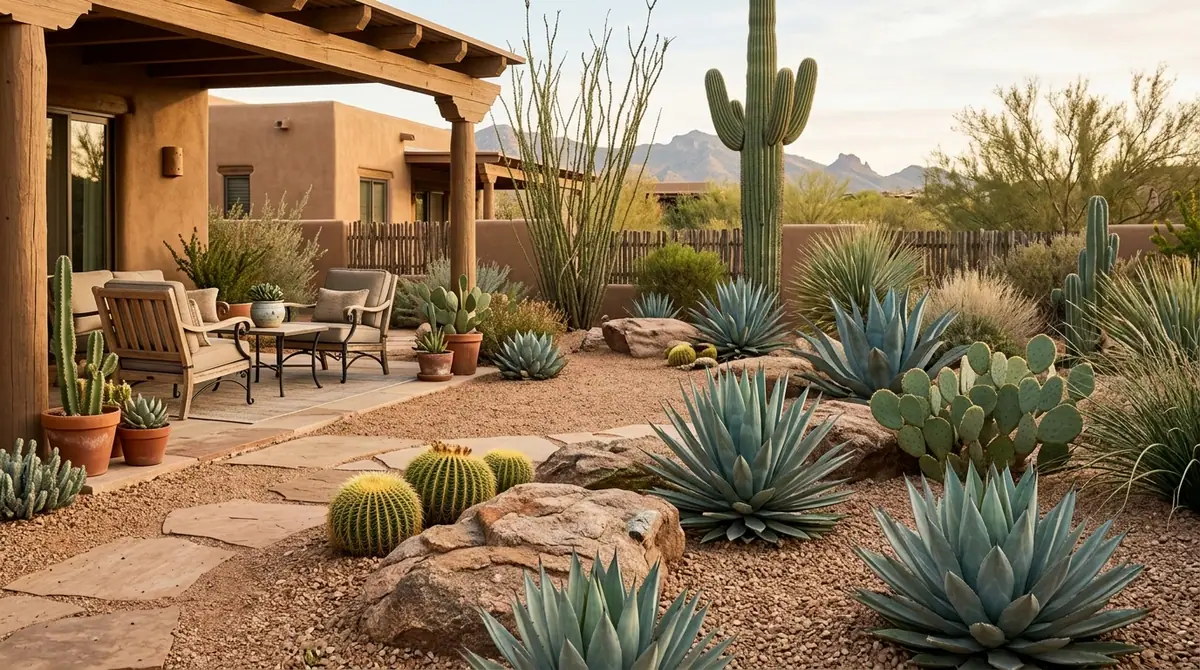
I stood in my own Phoenix backyard at 6:15 AM in July, staring at a patch of scorched, yellowing Bermuda grass that was guzzling 2 inches (5 cm) of municipal water every week while ambient temperatures had already breached 105°F (40.5°C). That was the morning I ripped out the turf, stopped fighting the Sonoran Desert, and began designing landscapes that lean into the native ecology rather than mimicking the Pacific Northwest. Designing a functional, striking Arizona backyard is not about forcing a green oasis into an arid environment; it is about orchestrating structural form, thermal comfort, and drought-hardy textiles that thrive in USDA Hardiness Zones 9a through 11b.
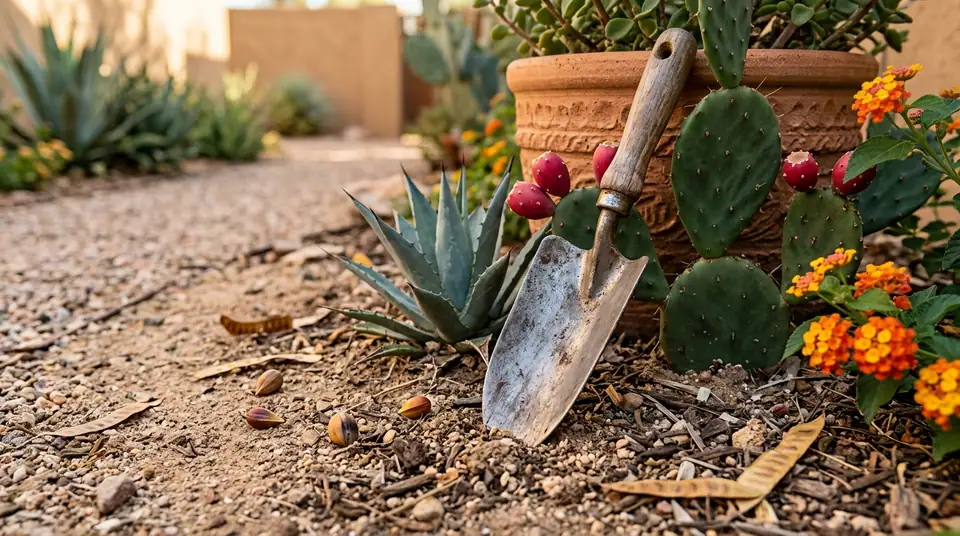
1. Botanical Overview & Natural Habitat
The foundational error in Southwestern landscape design is treating the desert as a blank slate for water-loving exotics. True Arizona backyard design honors the Sonoran, Chihuahuan, and Mojave ecologies. Plants native to this region have evolved specific morphological adaptations to survive protracted droughts, intense solar radiation, and extreme diurnal temperature swings that can span 40°F (22°C) in a single day.
When designing your layout, you must incorporate structural evergreen specimens, seasonal color bursts, and functional shade providers. Layering is essential for both aesthetic depth and microclimate management.
Key Native and Adapted Plant Categories
- Structural Anchors: Carnegiea gigantea (Saguaro) and Pachycereus pringlei (Giant Cardon) provide vertical architectural scale. For softer architectural lines, use Dasylirion wheeleri (Desert Spoon) or Yucca rostrata (Beaked Yucca), which feature symmetrical, spherical pom-poms of blue-gray foliage.
- Canopy and Shade Trees: Parkinsonia florida (Blue Palo Verde) and Prosopis velutina (Velvet Mesquite) offer filtered dappled shade. Unlike non-native deciduous trees, their micro-leaf structures reduce wind resistance during intense monsoon microbursts while dropping minimal seasonal litter.
- Shrubs and Accent Color: Tecoma stans (Yellow Bells) and Caesalpinia pulcherrima (Red Bird of Paradise) withstand reflected heat from masonry walls while producing continuous blooms from April through October. For native appeal, Encelia farinosa (Brittlebush) offers silver foliage and bright yellow daisy-like flowers following winter rains.
- Ground Covers: Dalea greggii (Trailing Indigo Bush) forms dense, fragrant mats of purple-blue flowers that suppress weed germination and stabilize topsoil without requiring heavy foot traffic.
Botanically speaking, these plants succeed because their stomata remain closed during the heat of the day to prevent transpiration, opening only at night via Crassulacean Acid Metabolism (CAM) photosynthesis or possessing deep taproots capable of reaching perched water tables 20 to 30 feet (6 to 9 meters) below the soil surface.
2. Essential Environmental & Care Requirements
Creating a resilient Arizona backyard requires balancing sun exposure, soil composition, and precise irrigation strategies. The environment is unforgiving of poor planning, but highly rewarding when managed correctly.
| Parameter | Optimal Condition | Common Mistake | Why It Matters |
|---|---|---|---|
| Soil Structure | Sandy loam with native caliche broken up; pH 7.5 to 8.5 | Adding heavy organic compost directly to planting holes | Organic amendments decompose rapidly, causing plants to sink and creating moisture traps that rot roots. |
| Sun Exposure | Full sun (6–8+ hours) for desert natives; afternoon shade (after 2 PM) for non-native accents | Placing low-desert cacti in north-facing, perpetually shaded corners | Insufficient light leads to etiolation (stretching) and makes plants susceptible to fungal pathogens. |
| Irrigation Volume | Deep, infrequent soakings: 1.5 to 2 inches (3.8 to 5 cm) per watering cycle | Frequent, shallow surface watering (daily sprinklers) | Shallow watering encourages shallow root systems, which dehydrate instantly when surface soil bakes. |
| Mulch Layer | 2 to 3 inches (5 to 7.5 cm) of 3/4-inch screened decomposed granite or mineral gravel | Using thick wood mulch directly against succulent stems | Wood mulch holds moisture against the root crown, initiating stem rot and attracting subterranean termites. |
To master local soil mechanics, consult resources provided by the University of Arizona Cooperative Extension, which offers extensive literature on amending desert soils and managing local mineral profiles.
💡 Pro-Tip: Never amend the backfill soil of a single planting hole when installing desert trees or shrubs. Dig a hole three times as wide as the root ball but no deeper. Fill it with native unamended soil. If you create a rich, amended pocket surrounded by dense native caliche, water will pool in that hole like a bathtub during the monsoon season, drowning your specimen.
3. Step-by-Step Cultivation, Feeding & Propagation
Transforming a bare Arizona dirt lot into a thriving, water-wise backyard requires a methodical execution plan. Follow this structured protocol for a successful installation.
- Site Assessment and Grading: Map your yard's solar angles and existing drainage patterns. Grade the soil so that surface water flows at least 5 feet (1.5 meters) away from your home's foundation. If you encounter hardpan caliche layers, use a pneumatic breaker or mini-excavator to fracture the crust at least 3 feet (0.9 meters) down to allow deep root penetration.
- Design and Irrigation Mapping: Lay out your hardscaping, patios, and planting zones. Install an inline drip irrigation system utilizing pressure-compensating emitters (typically 1 to 4 gallons per hour). Run separate zones for high-water accent plants and low-water desert natives.
- Soil Preparation and Mineral Topdressing: Clear all existing weed seeds and Bermuda grass rhizomes. Spread a 2-inch (5 cm) layer of mineral amendments (such as gypsum to break up sodium-heavy soils) across the layout if recommended by a soil test.
- Plant Positioning and Installation: Place container-grown plants in their pots across the yard to check spatial balance before digging. Dig planting pits twice as wide as the nursery container, keeping the top of the root ball 1 inch (2.5 cm) above grade. Backfill with native soil and tamp down firmly to eliminate air pockets.
- Deep Watering and Settling: Hand-water newly installed plants immediately following installation to settle the soil profile around the root hairs. Run your automated drip system for 90 minutes to saturate the root zone down to 24 inches (60 cm).
- Mineral Mulching: Apply a 2-inch (5 cm) blanket of quarter-minus or three-quarter-inch decomposed granite across all exposed soil beds. Keep the rock mulch pulled back 3 inches (7.5 cm) from the trunks of all trees and cacti to prevent moisture accumulation.
- Establishment Phase Maintenance: Water new plantings every 3 to 5 days for the first 2 weeks, then taper the frequency over 90 days, increasing the duration of each watering to force roots downward. For authoritative plant performance data and regional adaptations, cross-reference your choices with the Lady Bird Johnson Wildflower Center.
⚠️ Important Caution: Avoid fertilizing newly planted desert trees, cacti, and agaves with high-nitrogen fertilizers during their first growing season. Rapid, forced growth produced by synthetic nitrogen results in weak, structurally unsound cellular walls that snap easily in monsoon winds and attract sap-sucking insects.
4. Common Problems, Pests & Troubleshooting
Even in a climate as predictable as the desert Southwest, biological imbalances occur. Early identification saves specimens from catastrophic decline.
- Agave Snout Weevil (Scyphophorus acupunctatus): This black, beetle-like insect burrows into the heart of agaves (such as Agave americana or Agave attenuata), laying eggs whose larvae consume the core. Symptoms include sudden, unseasonal leaf collapse and foul-smelling rot. Solution: Remove and destroy infected plants immediately. Preventative systemic insecticides containing imidacloprid applied to the soil in spring can protect healthy specimens.
- Scale Insects and Mealybugs: These sap-sucking pests coat stems and leaves in white, cottony secretions or hard, brown shells, particularly on agaves, yuccas, and ornamental figs. Solution: Spray affected areas with horticultural oil or insecticidal soaps in the early morning before temperatures exceed 85°F (29°C) to avoid foliar burn.
- Sunburn and Calico Damage: Intense summer solar radiation can scorch the south-facing sides of cacti and succulent leaves, creating bleached, corky patches that invite secondary fungal infections. Solution: When transplanting container-grown cacti into full sun, orient them in the ground facing the exact same compass direction they faced in the nursery. Provide temporary 30% shade cloth during their first June in the ground.
- Iron Chlorosis: Manifests as yellowing leaves with dark green veins, typically caused by alkaline Arizona soils (pH > 7.8) locking up available iron. Solution: Apply chelated iron (Fe-EDDHA) directly to the root zone via soil drench.
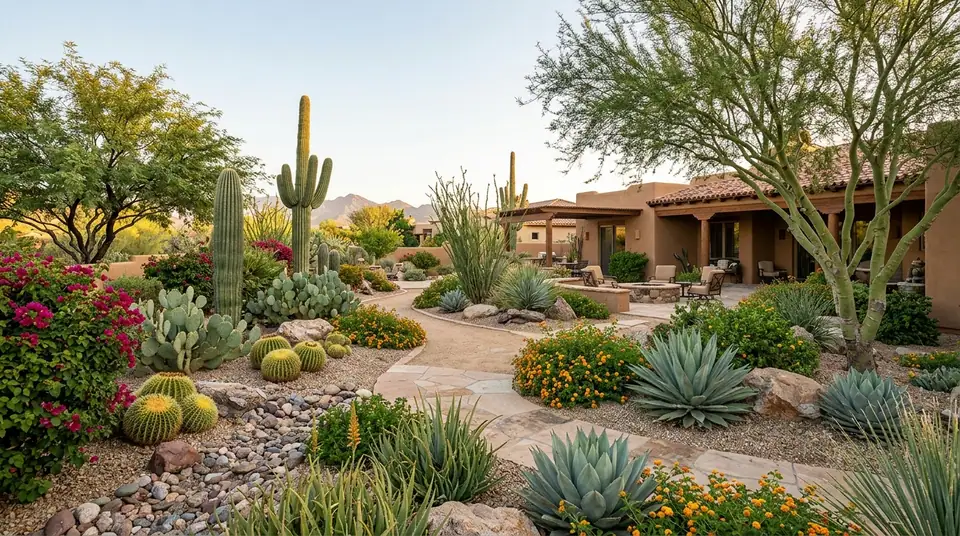
Lush Arizona backyard landscape with saguaro cacti, agave, and native shrubs along a stone path
5. Frequently Asked Questions
How do I keep my Arizona backyard cool in the summer?
Lowering ambient backyard temperatures requires eliminating large expanses of heat-absorbing concrete and artificial turf, both of which trap and radiate thermal energy. Plant multi-stem canopy trees such as Velvet Mesquite or Palo Verde to shade western-facing walls and patios. Incorporate misters along pergolas and utilize high-albedo paving materials or light-colored decomposed granite instead of dark asphalt or flagstone, which retain heat long after sunset.
How often should I water my desert landscape plants?
Establishment matters: newly installed trees and shrubs require watering every 3 to 5 days for the first month. Once established (after 12 to 18 months), native desert plants thrive on deep, infrequent irrigation. During peak summer, water mature trees once every 10 to 14 days for several hours to soak the soil 3 feet (0.9 meters) deep. In winter, reduce frequency to once every 30 to 45 days.
What are the best low-maintenance alternatives to grass in Arizona?
Decomposed granite (DG) is the gold standard for clean, low-maintenance ground cover, especially when stabilized with an organic binder to prevent shifting. Pair DG with drought-hardy ground covers like Dalea greggii, structural accent succulents (Yucca rostrata), and native perennial wildflowers. For functional play or sitting areas, consider pet-friendly, permeable artificial turf specifically rated for high UV resistance and low heat retention.
Can I grow citrus successfully in an Arizona backyard?
Yes, citrus trees—such as Washington Navel Oranges, Eureka Lemons, and Valencia oranges—thrive in Arizona's low desert, provided they are planted in well-drained soil and protected from frost during December and January freezes. Plant them in microclimates protected from harsh afternoon winds, and remember that citrus require significantly more water than native desert flora; they need deep weekly irrigation throughout the summer months and specialized citrus-formulated fertilizers containing zinc, manganese, and iron.
Related Guides
- Florida Backyard Landscape Ideas
- Cheap Diy Backyard Garden Layout Ideas on a Budget
- Can Avocado Trees Grow in Arizona
- When to Plant Watermelon in Arizona
- How to Protect Backyard Fruit Orchard from Winter Frost
📋 Table of Contents ▼ Click to expand
Tags:
Keep reading
🌿 Related Plants You Might Like






PlantSavvyWorld
Editorial team
PlantSavvyWorld is an independent botanical education project. Articles are drafted with AI assistance, then edited and checked against university extension services, botanical garden collections and other published horticultural sources.