

When to Plant Tomatoes in Minnesota
Written with AI assistance, edited and checked against horticultural sources.
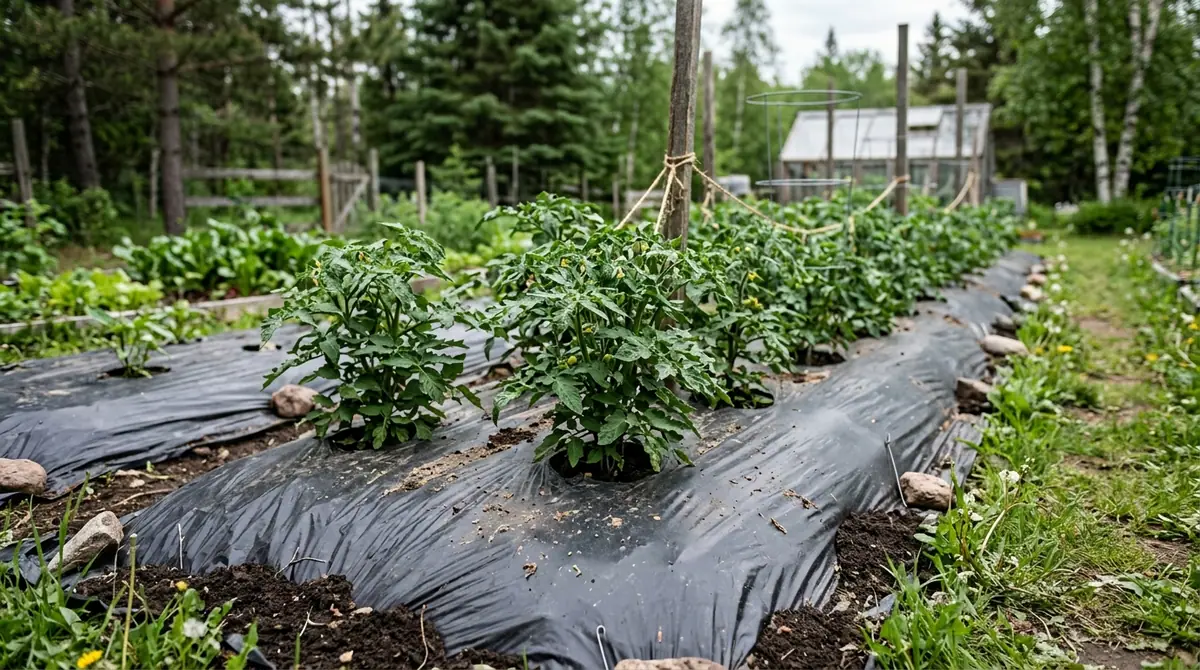
In Minnesota, soil temperature, frost dates, and microclimates dictate planting success rather than the calendar, whether tending a raised bed in Duluth or container yields on a balcony in the Twin Cities. Setting out plants like Brandywine tomatoes too early on a 62°F (16.7°C) afternoon risks rogue late-season frosts dropping temperatures to 28°F (-2.2°C) overnight and turning starts into limp, translucent mush, making timing the singular barrier between a prolific harvest and total crop failure.
1. Botanical Overview & Natural Habitat

When we cultivate tomatoes as annuals in Minnesota—where USDA hardiness zones range from a chilly 3a in the far north to a milder 5b in the southeast—we are attempting to compress a tropical perennial's multi-year lifecycle into a frantic 90-to-120-day frost-free window. Unlike cold-hardy root crops or cool-season brassicas that actually improve in flavor with a touch of frost, Solanum lycopersicum possesses zero frost tolerance. Cell walls rupture when internal plant water freezes at roughly 32°F (0°C), causing irreversible cellular collapse.
To manage this short growing season successfully, it helps to understand how these plants allocate resources. Tomatoes are categorized broadly by their growth habits:
- Determinate varieties grow to a fixed genetic height (typically 3 to 4 feet / 0.9 to 1.2 meters), set all their fruit within a concentrated 2-to-3-week window, and then decline. These are exceptional for short northern summers or canners looking for a massive harvest at once.
- Indeterminate varieties are vining plants that grow continuously, flowering and fruiting simultaneously until the first killing autumn frost terminates them. They require sturdy staking and aggressive pruning in Minnesota's compressed season to ensure sunlight reaches ripening fruit before autumn dampness sets in.
Understanding this tropical ancestry also clarifies why rushing the season outdoors fails. Planting too early forces roots into cold, saturated spring soils where they sit dormant, highly susceptible to soil-borne pathogens like Pythium and Fusarium wilt, mirroring the root stagnation issues often studied when figuring out How Deep Do Pepper Plant Roots Go? Pot Size & Substrate Depth Guide.
2. Essential Environmental & Care Requirements
If you want heavy yields in Minnesota, you must curate an artificial ecosystem that mimics the Andes as closely as possible during our fleeting summer months. Tomatoes demand intense, direct solar radiation and specialized soil conditions.
| Parameter | Optimal Condition | Common Mistake | Why It Matters |
|---|---|---|---|
| Soil Temperature | 60°F to 70°F (15.6°C to 21.1°C) | Planting when air feels warm but soil is below 55°F (12.8°C) | Cold soil halts phosphorus uptake, causing purple foliage, stunted growth, and root rot. |
| Air Temperature | 70°F to 85°F (21.1°C to 29.4°C) days; 60°F to 70°F nights | Leaving plants unprotected during sudden May/June cold snaps | Temperatures below 55°F (12.8°C) or above 90°F (32.2°C) cause pollen to sterilize, resulting in blossom drop. |
| Soil pH | 6.2 to 6.8 | Planting in highly acidic northern peat soils without amendments | Incorrect pH locks up essential micronutrients like calcium, leading directly to blossom end rot. |
| Sunlight | 8+ hours of direct, unobstructed sunlight | Planting in shady northern exposures or under dense tree canopies | Insufficient light reduces photosynthetic output, leading to weak vines and bland, watery fruit. |
| Watering Depth | 1 to 1.5 inches (2.5 to 3.8 cm) of water weekly | Frequent, shallow sprinkling that wets only the surface soil | Deep watering encourages downward root development, anchoring the plant against summer storms. |
To achieve these parameters in Minnesota, site selection is paramount. South-facing walls, brick facades, and concrete patios act as thermal masses, radiating heat long after sunset and protecting plants from the sudden temperature plunges common in Zones 3 and 4. Furthermore, managing your soil moisture carefully prevents the erratic swings that lead to fruit cracking. For those managing multiple garden zones or transitioning delicate starts like When to Transplant Cucumber Seedlings: Stop Root Shock & Boost Growth, maintaining uniform substrate moisture is the ultimate key to minimizing transplant stress.
3. Step-by-Step Cultivation, Feeding & Propagation
Getting your timing right in Minnesota means working backward from your region's average last spring frost date, which ranges from mid-May in the Twin Cities (Zone 4b/5a) to early or mid-June in northern ranges like Iron Range (Zone 3a/3b).
- Start Seeds Indoors: Sow seeds indoors 6 to 8 weeks before your local last frost date—typically late March in southern Minnesota and mid-April in the north. Maintain indoor ambient temperatures between 70°F and 75°F (21.1°C to 23.9°C) using a heat mat for optimal germination within 7 to 14 days.
- Harden Off the Seedlings: Begin hardening off your starts 10 to 14 days before your anticipated outdoor planting date. Move plants outdoors to a sheltered, shady spot for 1 hour on day one, gradually increasing exposure to direct sun and wind over two weeks to build sturdy cuticle layers.
- Test and Amend Soil: Verify that soil temperatures have sustained 60°F (15.6°C) at a 4-inch (10-cm) depth. Incorporate a balanced, slow-release organic fertilizer and compost to build a rich crumb structure.
- Trench Plant the Starts: Dig a trench or deep hole. Strip away the lower two-thirds of leaves from your tomato transplant. Lay the stem horizontally in a trench angled upward toward a stake, or plant it vertically up to the first true leaves at a depth of 6 to 8 inches (15 to 20 cm).
- Install Support Structures: Immediately install heavy-duty tomato cages, Florida weaves, or trellises into the ground alongside the newly planted starts to avoid driving stakes through established root systems later in the season.
- Mulch and Water Deeply: Apply a 3-inch (7.6-cm) layer of clean straw, shredded leaves, or untreated grass clippings around the base to suppress weeds and prevent soil-borne fungal spores from splashing onto lower foliage during summer downpours.
💡 Pro-Tip: When trench-planting your tomatoes horizontally in cold Minnesota soils, the buried stem will sprout adventitious roots along its entire length within 10 to 14 days. This creates an expansive, hyper-efficient root system that vastly improves drought resilience and nutrient uptake during mid-summer dry spells.
For gardeners transitioning from edible crops to ornamental landscaping later in the season, checking resources like The Complete Guide to Coleus Plants: 50+ Varieties, Care, Propagation & Landscaping can help you design a vibrant, multi-layered garden layout.
4. Common Problems, Pests & Troubleshooting
Minnesota’s humid mid-summer climate—particularly during July and August thunderstorms—creates an ideal breeding ground for fungal pathogens and physiological disorders.
Early Blight and Septoria Leaf Spot
Caused by the fungi Alternaria solani and Septoria lycopersici, these diseases manifest as dark brown spots with concentric rings or tiny circular spots with grey centers on the lower leaves.
- The Fix: Prune away all lower leaves within 18 inches (45.7 cm) of the soil line once the plant reaches 3 feet (0.9 meters) in height. Always water at the base early in the morning so any splashed moisture evaporates quickly. For academic validation on organic disease control strategies, consult the University of Minnesota Extension Yard and Garden guides.
Blossom End Rot
Appearing as a sunken, leathery black patch on the bottom of the fruit, this is not a disease but a physiological disorder caused by calcium deficiency within the developing fruit tissue. It is almost always triggered by erratic watering cycles that disrupt calcium transport from the soil.
- The Fix: Maintain consistent soil moisture through regular, deep irrigation and thick organic mulch. Avoid high-nitrogen synthetic fertilizers, which force rapid vegetative growth that outpaces the plant's ability to take up calcium.
Tomato Hornworms (Manduca quinquemaculata)
These massive green caterpillars can strip a tomato plant of its foliage and green fruit overnight.
- The Fix: Hand-pick them at dusk or dawn. If you spot white, rice-like cocoons on a hornworm's back, leave it alone; those are beneficial braconid wasp larvae that will parasitize and kill the pest naturally.
⚠️ Important Caution: Never handle wet tomato plants. Touching foliage when dew or rain is present easily spreads mechanical tobacco mosaic virus (TMV) and fungal spores from plant to plant. Always sterilize pruning shears between plants with a 70% isopropyl alcohol solution.

5. Frequently Asked Questions
What happens if I plant my tomatoes outside too early in Minnesota?
If you plant before soil temperatures reach 60°F (15.6°C) and the threat of frost has passed, your tomato plants will experience severe cold shock. Their roots will stop growing, phosphorus uptake will cease, and the foliage will turn a purplish hue. If an actual frost hits, ice crystals will rupture the cell walls, resulting in immediate plant death.
How do I know when the soil is warm enough in Minnesota?
Do not guess based on air temperature. Purchase a digital soil thermometer, insert it 4 inches (10 cm) deep into your garden bed at 9:00 AM, and take a reading for three consecutive days. If the thermometer reads a stable 60°F (15.6°C) or higher, your soil is ready for planting.
Can I grow tomatoes in containers in Minnesota's short summer?
Yes, container growing is exceptionally popular in Minnesota because soil in pots warms up faster than in-ground garden beds in the spring. Choose containers that hold at least 5 gallons (18.9 liters) of potting mix per plant—10 gallons (37.9 liters) is even better for indeterminate varieties—and ensure the pot has ample drainage holes to prevent waterlogging.
What are the best tomato varieties for a short Minnesota growing season?
Early-season determinate and semi-determinate varieties that mature in 60 to 70 days perform best. Look for tried-and-true northern performers like 'Early Girl', 'Celebrity', 'Glacier', 'Oregon Spring', and the classic Minnesota-bred 'Sweet Million' cherry tomato. For comprehensive regional climate data and frost maps, reference the USDA Plant Hardiness Zone Map.
Related Guides
- When to Plant Vegetables in Minnesota
- Epsom Salt for Peppers and Tomatoes
- Cluster Tomatoes
- When to Transplant Tomatoes
- When is Too Late to Plant Tomatoes
📋 Table of Contents ▼ Click to expand
Tags:
Keep reading
🌿 Related Plants You Might Like






PlantSavvyWorld
Editorial team
PlantSavvyWorld is an independent botanical education project. Articles are drafted with AI assistance, then edited and checked against university extension services, botanical garden collections and other published horticultural sources.