

What Zone is San Antonio Texas in for Planting
Written with AI assistance, edited and checked against horticultural sources.
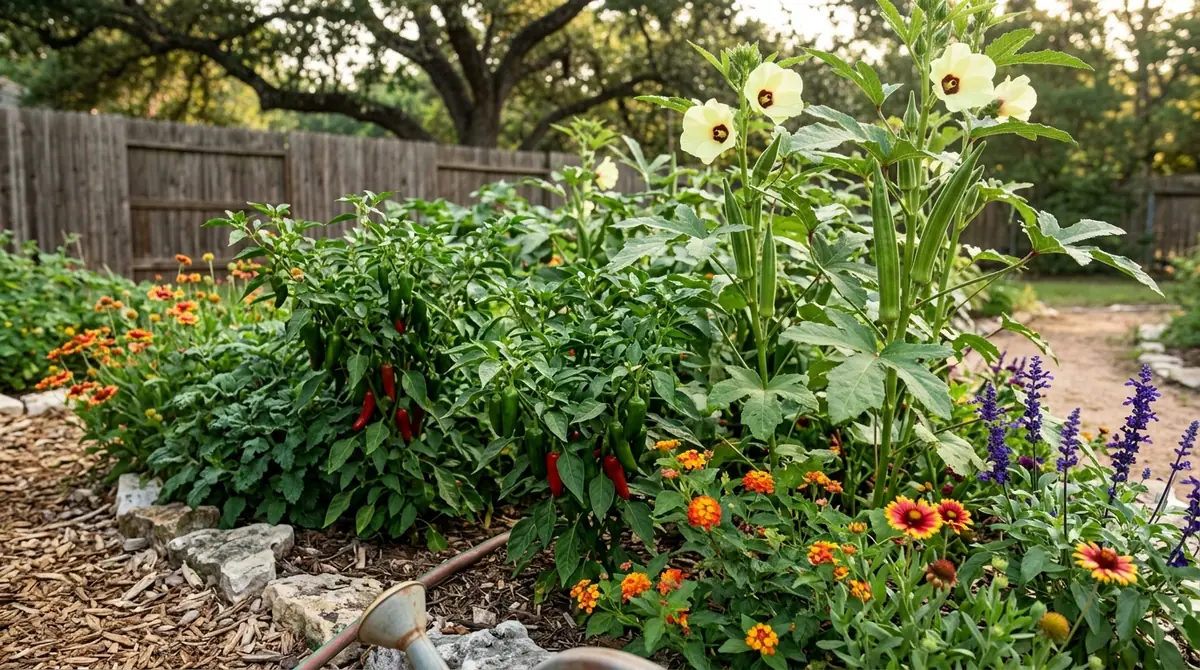
Gardening in San Antonio is an exercise in respecting extreme subtropical thermodynamics, as delicate, moisture-loving plants like British delphiniums will dissolve into crispy ruins within forty-eight hours of relentless 100°F (37.8°C) July afternoon glare, meaning that a thriving, resilient landscape requires mastering the local planting zone first.
1. Botanical Overview & Natural Habitat

To put this in perspective for your planting calendar, the American Horticultural Society (AHS) Heat Zone map places San Antonio squarely in Heat Zone 10, meaning we experience between 120 and 150 days per year where temperatures exceed 86°F (30°C).
Native plant communities here have evolved alongside these brutal metrics. The local ecosystem is defined by the Texas Hill Country transition zone, characterized by the Balcones Fault. Soils naturally swing between two extremes: the heavy, alkaline blackland prairies to the east and the shallow, rocky, caliche-laden clays over Edwards limestone to the west and north.
Native flora—such as Texas persimmon (Diospyros texana), agarita (Mahonia trifoliolata), and Mexican buckeye (Ungnadia speciosa)—survive by dropping leaves during summer droughts, developing deep taproots to mine moisture from 3 feet (91 cm) below the surface, and storing starches in woody structures to flush out new growth immediately following autumn rains. When designing a landscape here, we mimic these survival strategies by selecting taxa adapted to high mineral content, rapid drainage, and high radiant heat loads.
2. Essential Environmental & Care Requirements
To keep plants alive and thriving in San Antonio's unique climate, you must master sun exposure, irrigation frequency, and soil amendment protocols.
Sunlight intensity here is radically different from northern growing zones. Plants rated for "part shade" in Ohio or Oregon will frequently scorch if placed in western exposures in San Antonio. Provide afternoon shade (from 2:00 PM to 7:00 PM) for anything with thin or variegated foliage.
Soil structure is heavily alkaline, often hovering around pH 7.8 to 8.2. This high alkalinity locks up essential micronutrients like iron, leading to chronic interveinal chlorosis in sensitive plants.
| Parameter | Optimal Condition | Common Mistake | Why It Matters |
|---|---|---|---|
| Soil pH | 7.2 – 8.0 (Native Alkaline) | Forcing acidic amendments like peat moss | Extreme pH swings stunt root growth and lock out available iron. |
| Irrigation Volume | 1 inch (2.5 cm) per week (established) | Daily shallow sprinkling | Shallow watering encourages surface-rooting, making plants vulnerable to drought stress. |
| Mulch Depth | 3 to 4 inches (7.6 to 10 cm) | Piling mulch directly against stems ("volcano mulching") | Thick mulch insulates roots from 100°F+ (37.8°C+) soil temps, while trunk contact causes rot. |
| Sun Exposure | Morning sun, afternoon filtered shade | Unshaded western exposure in July/August | Intense afternoon radiant heat causes leaf scorch and rapid transpirational collapse. |
💡 Pro-Tip: When planting native trees or shrubs in San Antonio's heavy clay, never dig a hole deeper than the root ball. Dig it twice as wide, but keep the bottom undisturbed. Digging too deep causes the plant to sink as loose soil settles, which buries the root flare and invites collar rot during our torrential spring downpours.
3. Step-by-Step Cultivation, Feeding & Propagation
Planting in San Antonio requires strict adherence to seasonal timing. Because our summers are punishing and our winters are short, spring and autumn planting windows are entirely inverted compared to northern states. Fall is actually our premier planting season; soil temperatures remain warm enough for root development through winter without the transpirational stress of summer.
Follow this step-by-step cultivation protocol to establish new perennials, shrubs, or trees:
- Site and Soil Evaluation: Test your soil percolation by digging a hole 12 inches (30 cm) deep and filling it with water. If it drains slower than 1 inch (2.5 cm) per hour, incorporate organic compost to improve aggregation, or select drought-hardy plants that tolerate poorly drained clay.
- Excavation: Dig a shallow, basin-shaped hole 2 to 3 times wider than the nursery container, ensuring the top of the root ball sits 1 to 2 inches (2.5 to 5 cm) above the surrounding grade.
- Pre-Planting Hydration: Submerge the plant's container in a bucket of water for 15 minutes until air bubbles cease rising, ensuring the root ball is thoroughly saturated before it hits dry native soil.
- Placement and Backfilling: Center the plant, backfill with native soil (avoid heavy amendments that create a "bathtub effect"), and gently tamp down to eliminate large air pockets.
- Initial Deep Watering: Saturate the root zone slowly with 2 gallons (7.6 liters) of water to settle the soil particles around the roots.
- Mulching: Apply a 3-inch (7.6 cm) layer of shredded native hardwood mulch across the root zone, maintaining a 2-inch (5 cm) clearance ring around the main stem or trunk.
- Establishment Irrigation Schedule: Provide 1 inch (2.5 cm) of water every 7 to 10 days for the first 60 days, tapering off as the root system extends into the surrounding landscape.
For authoritative guidance on regional plant selections that perform reliably in this climate, consult the Texas A&M AgriLife Extension Service.
4. Common Problems, Pests & Troubleshooting
San Antonio's climate fosters specific pest and disease pressures driven by high humidity swings and alkaline conditions.
Root rot caused by Phytophthora and Pythium fungi is rampant during wet spring seasons, particularly in poorly draining urban clay soils. If your plants show sudden wilting despite adequate soil moisture, inspect the root collar; dark, water-soaked, foul-smelling bark indicates advanced root rot. Remove the plant entirely and solarize the soil before replanting.
Leaf-cutter ants (Atta texana) are another local menace. These insects can strip a prized citrus tree or rose bush of its entire foliage canopy overnight. Rather than consuming the leaves directly, they drag them underground to cultivate a symbiotic fungus for food. Combat them by locating their sprawling underground nests and treating them with targeted baits labeled specifically for leaf-cutter ants during dry weather windows.
⚠️ Important Caution: Never use broad-spectrum synthetic insecticides to combat minor pest outbreaks in San Antonio gardens. Our local beneficial insect populations—including green lacewings, lady beetles, and native pollinators—are crucial for natural pest control. Indiscriminate spraying often triggers secondary outbreaks of spider mites, which thrive in hot, dusty urban conditions.

5. Frequently Asked Questions
What planting zone is San Antonio, Texas?
San Antonio spans USDA Hardiness Zones 8b and 9a, with average annual extreme minimum temperatures ranging between 15°F and 25°F (-9.4°C to -3.8°C). Additionally, the city falls within AHS Heat Zone 10, experiencing over 120 days of temperatures exceeding 86°F (30°C) annually.
When is the best time to plant trees and perennials in San Antonio?
The absolute best time to plant is mid-October through December. Planting during this autumn window allows root systems to establish extensively in warm soil while avoiding the scorching summer heat and high evaporation rates. Spring (March to April) is a secondary planting window, though plants will require more intensive irrigation management as summer approaches.
Can I grow tropical plants outdoors year-round in San Antonio?
Many subtropical plants—such as esperanza (Tecoma stans), pride of Barbados (Caesalpinia pulcherrima), and certain palms—thrive outdoors here, though they may die back to the ground during rare hard freezes (dropping below 20°F / -6.7°C). True tropicals require indoor overwintering or heavy frost cloth protection during severe winter weather events.
How do I fix San Antonio's alkaline soil for acid-loving plants?
Trying to permanently alter San Antonio's naturally alkaline soil (pH 7.8–8.2) is an uphill battle due to the underlying limestone shelf. Instead of fighting your native soil chemistry, grow acid-loving plants like blueberries, azaleas, and gardenias in raised beds filled with custom acidic potting mixes, or keep them in containers where you can control the pH directly.
Related Guides
- What Zone is San Antonio Texas for Plants
- What Zone is San Antonio Tx
- Cherry Trees in Texas
- Lavender Plant Texas
- Japanese Maple in Texas
📋 Table of Contents ▼ Click to expand
Tags:
Keep reading
🌿 Related Plants You Might Like



PlantSavvyWorld
Editorial team
PlantSavvyWorld is an independent botanical education project. Articles are drafted with AI assistance, then edited and checked against university extension services, botanical garden collections and other published horticultural sources.