

What Zone is San Antonio Tx
Written with AI assistance, edited and checked against horticultural sources.
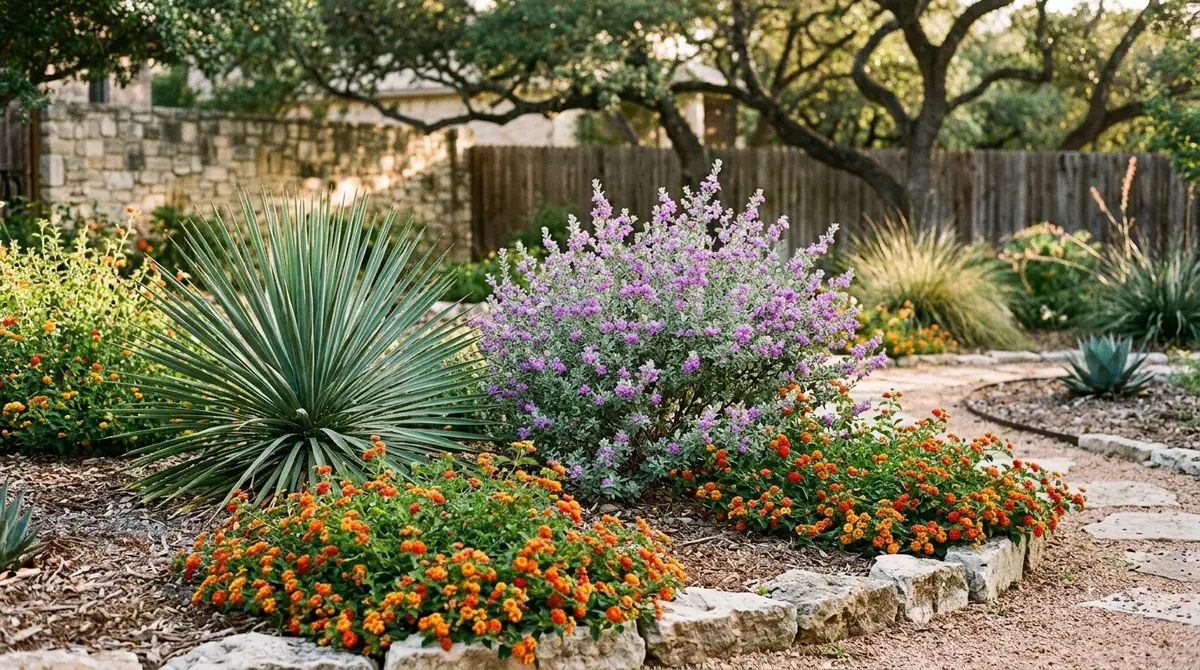
Standing on a limestone outcropping in North San Antonio during a scorching July afternoon, watching a struggling Japanese maple crisp its leaves within forty-eight hours, taught me everything I needed to know about gardening in Bexar County. That was the year I stopped fighting the native caliche soil and started working with it. If you are searching for "what zone is san antonio tx," you are likely standing in your own yard right now, wondering how to turn a patch of baked earth and caliche clay into a thriving landscape. Let’s get straight to the horticultural reality: San Antonio, Texas spans USDA Hardiness Zones 8b to 9a.

1. Botanical Overview & Natural Habitat
San Antonio sits at a fascinating ecological crossroads where the Texas Hill Country meets the South Texas Plains and the Blackland Prairie. This convergence creates a distinct regional profile that heavily influences plant selection and landscape design.
The native landscape is dominated by live oak (Quercus virginiana), cedar elm (Ulmus crassifolia), and Ashe juniper (Juniperus ashei). Underneath these canopy trees, you find drought-resistant understory species like the Texas persimmon (Diospyros texana) and redbud (Cercis canadensis var. texensis). The native soils are predominantly alkaline clays and clay loams overlaying hard limestone bedrock, known locally as caliche. This bedrock restricts root depth in many areas, often leaving plants with only 12 inches (30.4 cm) to 24 inches (61 cm) of topsoil before hitting impermeable calcium carbonate layers.
Rainfall averages around 32 inches (81.3 cm) annually, but it is notoriously volatile. You may experience months of drought punctuated by torrential downpours that drop 5 inches (12.7 cm) of rain in a single afternoon. Because of this, native and adapted plants have evolved deep taproots, succulent water-storage tissues, or small, waxy leaves designed to minimize transpiration during hundred-degree summer stretches.
When designing a garden in this environment, understanding your microclimate is vital. Urban heat islands in downtown San Antonio often nudge properties firmly into Zone 9a, while low-lying rural pockets along creeks can dip into cold air drainage pools that act more like Zone 8a during sudden Arctic cold snaps.
2. Essential Environmental & Care Requirements
Managing a San Antonio garden requires a delicate balance between providing sufficient moisture during establishment and preventing root rot during heavy autumn rains.
Sun exposure is intense. Most plants listed for Zone 8b/9a require at least 6 hours of direct sunlight, but in San Antonio, afternoon shade from 1:00 PM to 6:00 PM is often the difference between a thriving perennial and a crispy casualty. Soil pH ranges from 7.8 to 8.4, which locks up iron availability and frequently causes interveinal chlorosis in non-native species like azaleas and gardenias.
| Parameter | Optimal Condition | Common Mistake | Why It Matters |
|---|---|---|---|
| Soil pH | 7.8 to 8.4 (Alkaline) | Applying acidic fertilizers (e.g., for acid-loving shrubs) | Alkaline lock-up prevents iron uptake, leading to severe chlorosis and plant decline. |
| Irrigation | Deep, infrequent soaking (1 inch / 2.5 cm per week via rainfall or drip) | Shallow, daily overhead sprinkling | Frequent shallow watering encourages shallow root systems that scorch during summer droughts. |
| Mulching | 3 inches (7.6 cm) of native shredded hardwood | Piling mulch directly against the plant trunk ("volcano mulching") | Thick mulch moderates root zone temperatures, but trunk contact invites fungal decay and pests. |
| Sun Exposure | Morning sun with afternoon dappled shade | Placing shade-loving plants in full western exposure | Western exposure fries foliage and desiccates tissues faster than roots can absorb water. |
💡 Pro-Tip: When planting in San Antonio's caliche-heavy soils, never dig a deep, narrow hole. Dig your planting hole three times as wide as the root ball, but only as deep as the root ball itself. Sloping the sides of the hole encourages outward root expansion across the hardpan rather than trapping water in a literal stone bowl.
3. Step-by-Step Cultivation, Feeding & Propagation
Establishing a new landscape bed in Bexar County requires patience and respect for the local geology. Follow this proven protocol to set your plants up for long-term success.
- Site Assessment & Excavation: Mark your planting beds and test your soil depth with a rebar stake. If you hit solid limestone within 12 inches (30.4 cm), plan to build berms or raised beds at least 8 inches (20.3 cm) high using a native soil and compost blend.
- Soil Amendment & Preparation: Spread a 2-inch (5 cm) layer of well-aged native compost across the entire bed. Broadfork or loosen the underlying soil without completely inverting the layers, working the organic matter into the top 4 inches (10 cm) of native soil to improve microbial activity.
- Plant Selection & Placement: Select container-grown plants with well-developed root systems. For perennials and shrubs, autumn (October through November) is the absolute best planting window in San Antonio, allowing 4 to 5 months of root growth before summer stress hits.
- Installation & Watering In: Dig planting holes twice as wide as the nursery container. Place the plant so the root flare sits 1 inch (2.5 cm) above the surrounding grade. Fill halfway, water thoroughly to settle the soil and eliminate air pockets, finish filling, and water again.
- Mulch Application: Apply a 3-inch (7.6 cm) layer of coarse, shredded hardwood mulch across the entire bed, maintaining a 2-inch (5 cm) clearance around all plant stems to prevent collar rot.
- Establishment Irrigation Schedule: Provide 1 inch (2.5 cm) of water every 5 to 7 days for the first month. Gradually taper frequency while increasing duration to encourage deep root penetration over the next 90 days.
4. Common Problems, Pests & Troubleshooting
San Antonio's unique climate produces specific plant health challenges that every local gardener must monitor.
Root rot (Phytophthora and Pythium species) is the silent killer of landscapes during rainy springs or when plants are installed in poorly drained clay pockets. If your shrubs show sudden wilting despite adequate soil moisture, check the root crown. Peeling bark and dark, mushy roots indicate fungal decay caused by water saturation.
⚠️ Important Caution: Avoid heavy nitrogen fertilization during late summer or early fall. Pushing tender new growth in September or October makes plants exceptionally vulnerable to sudden, severe damage when an Arctic cold front drops temperatures by 40°F (22°C) overnight.
Insect pressures peak during hot, dry stretches. Lace bugs frequently target ornamental grasses and Texas persimmons, leaving stippled, silvery foliage. Spider mites thrive in dusty, hot conditions; blast them off with a strong jet of water early in the morning. For deeper insights into managing regional plant diseases and sustainable pest control, consult the Texas A&M AgriLife Extension Service.

5. Frequently Asked Questions
What planting zone is San Antonio Texas?
San Antonio primarily spans USDA Hardiness Zones 8b and 9a. Average annual extreme minimum winter temperatures range from 15°F to 25°F (-9.4°C to -3.9°C). Gardeners should note their specific microclimate, as downtown areas retain more heat (Zone 9a), while rural river basins often experience colder winter lows (Zone 8b).
When is the last average frost date in San Antonio?
The average last spring frost date typically occurs between mid-March and late March. However, historical weather data shows occasional freezes as late as early April. Tender warm-season vegetables and tropical plants should not be planted outdoors unprotected until all danger of frost has passed.
What vegetables grow best in San Antonio's climate?
San Antonio features two distinct growing seasons. Fall and winter gardens thrive with cool-season crops like broccoli, kale, spinach, radishes, carrots, and leaf lettuce planted from September through November. Spring gardens succeed with tomatoes, peppers, squash, and beans planted in March, provided they mature before intense summer temperatures above 95°F (35°C) halt fruit set.
How do I deal with caliche soil when planting trees?
Caliche is a hard layer of calcium carbonate found beneath San Antonio topsoils. To plant trees successfully, avoid digging deep, narrow post-hole style holes that trap water. Instead, dig a shallow, wide basin three to five times the diameter of the root ball, scarify the sides of the excavation, and plant the tree slightly high, mounding native soil and compost gently around the root ball to ensure adequate surface drainage.
Related Guides
- What Zone is San Antonio Texas in for Planting
- What Zone is San Antonio Texas for Plants
- What Hardiness Zone is Sacramento
- What Planting Zone is Sacramento Ca
- What Zone is Columbus Ohio
📋 Table of Contents ▼ Click to expand
Tags:
🌿 Related Plants You Might Like




PlantSavvyWorld
Editorial team
PlantSavvyWorld is an independent botanical education project. Articles are drafted with AI assistance, then edited and checked against university extension services, botanical garden collections and other published horticultural sources.