

How Do I Keep Cut Hydrangeas Fresh
Written with AI assistance, edited and checked against horticultural sources.
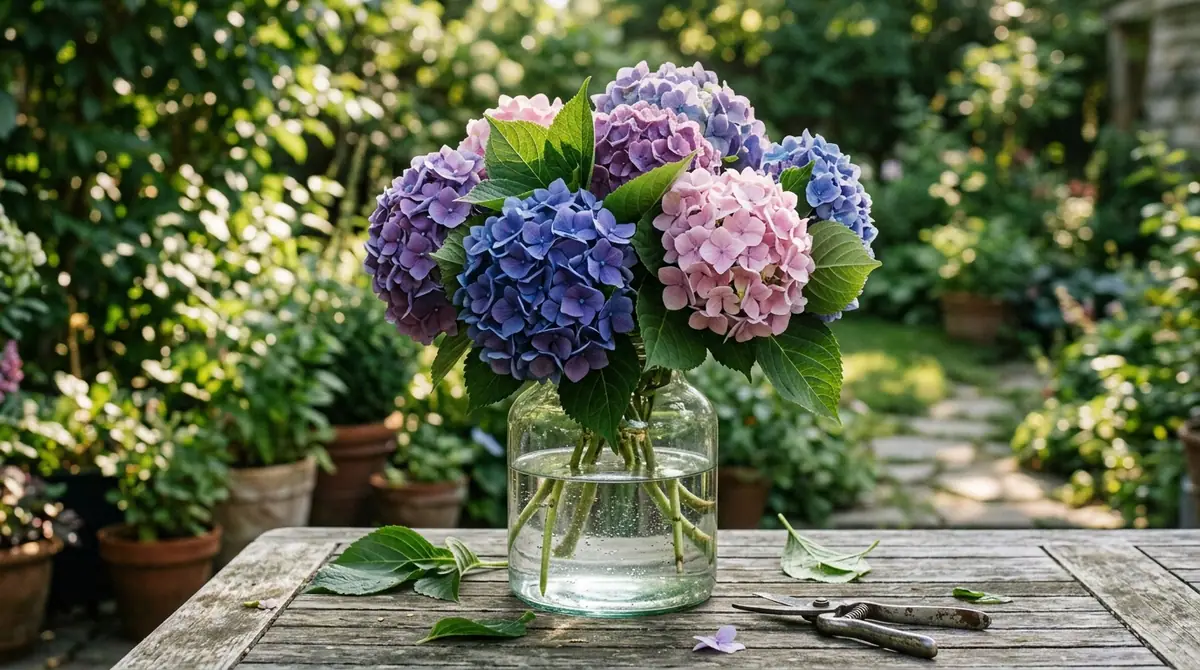
I found myself standing in my design studio three summers ago, staring in quiet horror at a breathtaking arrangement of pristine 'Limelight' hydrangeas I had harvested just four hours earlier for a gardener's milestone anniversary dinner. Every single bloomhead was draped downward, limp and parchment-dry, looking as though they had endured a brutal desert drought rather than sitting in clean vases. My heart sank. I had conditioned the stems just like the old text books advised—a simple diagonal snip under the kitchen faucet—yet they were failing catastrophically. That frustrating afternoon drove me deep into botanical physiology, vascular anatomy, and post-harvest horticulture. Today, I am going to share the exact science-backed protocols that completely transformed my cut flower longevity, turning frustrating, wilting mopheads into stunning floral displays that easily last 14 to 21 days.
1. Botanical Overview & Natural Habitat

The botanical secret to their notorious post-harvest tantrums lies in two distinct physiological features: their massive surface area of bracts (the showy petalloid structures we call flowers) and the unique chemistry of their woody stems. Hydrangea stems contain a sticky, viscous fluid known as sap, packed with a complex carbohydrate called hydrangenol and various natural resins. When you sever a stem, atmospheric air rushes into the open xylem vessels—the microscopic water-conducting pipelines—creating an air embolism. Simultaneously, as the sap is exposed to oxygen, it oxidizes and hardens almost instantly like amber, sealing the pipeline shut.
Furthermore, hydrangeas do not just drink water through their cut stem ends; their broad, delicate petals transpire moisture at an astonishing rate. If the rate of transpirational water loss from the petals exceeds the rate of uptake through the blocked stem, the internal turgor pressure drops instantly. The cells deflate, and the bloom collapses. Understanding this vascular bottleneck is the single most important step in extending cut life. If you are designing landscape beds to harvest from, or balancing your garden ecosystem against other challenges—such as learning How to Keep Rabbits Out of the Garden 5 Humane Solutions That Work—keeping your stock plants vigorous and deeply hydrated at the cellular level ensures your cut stems start their vase life with maximum structural integrity.
2. Essential Environmental & Care Requirements
Post-harvest success depends entirely on managing the microclimate surrounding your cut arrangements. Once hydrangeas are indoors, they require precise environmental controls to minimize transpirational stress while maximizing water uptake through their conditioned vascular systems.
Ambient room temperature plays a massive role in vase life. Keep your arrangements in a cool room where temperatures hover steadily between 65°F and 68°F (18°C to 20°C). Avoid placing vases near heating vents, south-facing windows receiving direct, intense solar radiation, or drafty hallways. Direct sunlight accelerates transpiration exponentially, forcing the petals to expel moisture much faster than even a perfectly cleared stem can pull it up.
Water quality and vessel hygiene are equally critical. Bacteria and fungi thrive in stagnant vase water, rapidly multiplying and clogging the micro-channels of the hydrangea stems within 48 to 72 hours. Always use sparkling clean glass or ceramic vessels scrubbed with a mild bleach solution or antibacterial soap. Fill the vessel with cool, clean tap water mixed with a professional floral preservative package containing a bactericide and a sugar source to nourish the florets.
| Parameter | Optimal Condition | Common Mistake | Why It Matters |
|---|---|---|---|
| Water Temperature | Cool to tepid (50°F–55°F / 10°C–13°C) | Using ice-cold water or boiling water incorrectly | Extreme cold shocks tissue; improper hot water treatments can cook delicate stem cells. |
| Stem Cut Angle | 45-degree angle | Cutting straight across horizontally | A flat cut rests flush against the vase bottom, blocking water intake completely. |
| Foliage Management | Strip all leaves below water line | Leaving foliage submerged | Submerged leaves rot rapidly, breeding bacteria that clog xylem vessels. |
| Ambient Humidity | Moderate to high (45%–60%) | Placement in dry, forced-air drafts | Low humidity supercharges petal transpiration, causing rapid wilting. |
💡 Pro-Tip: If you ever find your cut hydrangeas starting to droop prematurely despite proper conditioning, do not panic. Submerge the entire flower head and stem horizontally in a basin of cool water for 30 to 45 minutes. The broad bracts can absorb moisture directly through their cellular membranes via foliar osmosis, instantly reviving a seemingly dead stem.
3. Step-by-Step Cultivation, Feeding & Propagation
Mastering post-harvest handling requires precision and a strict sequence of actions executed immediately after harvest. Follow this step-by-step protocol every single time you bring hydrangeas indoors to guarantee maximum freshness.
- Harvest at the Optimal Time: Cut your hydrangeas early in the morning between 6:00 AM and 8:00 AM, before the sun drives up ambient temperatures and triggers high transpiration. Alternatively, harvest late in the evening after photosynthesis has slowed down. Never cut stems in the scorching midday heat.
- Select Mature Blooms: Look for flower heads that feel papery and firm to the touch, with small central fertile flowers just beginning to open. Avoid very young, bright green heads, as they lack the cellular structural maturity to survive off the bush.
- Execute the Initial Cut: Immediately plunge the freshly severed stem ends into a bucket of clean water in the garden. Take your stems indoors and use a pair of extremely sharp, sanitized bypass pruners to re-cut the stems at a sharp 45-degree angle, removing 1 to 2 inches (2.5 to 5 cm) of stem length while submerged in water or right under a running tap.
- Strip Excess Foliage: Carefully prune away all lower leaves, leaving no more than one or two small sets of leaves near the top of the stem. Any leaf falling below the water line will rot and ruin the vase water.
- Manage the Sap Viscosity: Scrape the outer green bark of the bottom 1 inch (2.5 cm) of the stem with a sharp knife to expose the inner green cambium layer, or split the bottom stem vertically about 0.5 inches (1.3 cm) to widen the intake surface area. Avoid crushing stems with a hammer, as this destroys the delicate xylem structure entirely.
- Apply the Hydration Solution: Dip the freshly cut and split stem ends into commercial alum powder (aluminum potassium sulfate) for 30 seconds. Alum acts as a natural vascular irritant that dissolves the sticky sap and prevents air embolism formation.
- Arrange and Monitor: Place the treated stems into your sanitized vase filled with fresh water and floral food. Change the water, re-cut the stems by 0.5 inches (1.3 cm), and clean the vase every 2 to 3 days religiously.
For comprehensive guidelines on post-harvest handling of woody ornamental stems, you can review the technical bulletins provided by the University of Florida IFAS Extension. Additionally, maintaining soil health and beneficial soil microbes around your garden beds using organic principles—similar to techniques explored when learning How to Keep Worms Alive Red Wriggler Earthworm Raising Guide—ensures your plants possess the robust nutrient profiles required for superior cut-flower durability.
4. Common Problems, Pests & Troubleshooting
Even with meticulous care, cut hydrangeas can occasionally present sudden challenges. Recognizing the root cause of post-harvest failure allows you to intervene before the cellular damage becomes irreversible.
The most frequent issue is sudden stem collapse, where a flower head goes from vibrant to completely limp within hours. This is almost universally caused by an air bubble trapped in the xylem or a buildup of anaerobic bacteria sealing the stem base. To fix this, lift the drooping stem from the vase, cut off the bottom 1 inch (2.5 cm) under water, and plunge the stem base into boiling water for exactly 7 to 10 seconds (protecting the flower head from steam with a piece of newspaper). The thermal shock forces trapped air out of the xylem vessels and melts the hardened resin, opening the pipeline back up. Immediately transfer the stem back into your cool vase water.
Petal browning or transparent, water-soaked edges typically indicate ethylene gas exposure or physical bruising. Keep your cut hydrangeas far away from ripening fruit bowls, as ethylene gas emitted by bananas, apples, and tomatoes triggers premature senescence and petal drop in cut flowers.
⚠️ Important Caution: Never use industrial household bleach in excessive amounts as a DIY vase preservative. While a single tiny drop per quart of water can inhibit bacteria, too much bleach will chemically burn the delicate internal vascular tissue of the hydrangea stem, causing irreversible brown necrosis and immediate death of the blooms.

5. Frequently Asked Questions
Why do cut hydrangeas wilt so fast compared to other flowers?
Hydrangeas wilt quickly because their stems produce a sticky resin and sap that hardens rapidly when exposed to air, blocking water uptake. Additionally, their massive surface area of delicate petals transpires moisture faster than a restricted stem can replace it, causing a rapid loss of internal cellular turgor pressure.
Can I use boiling water to revive drooping hydrangeas?
Yes, but with strict timing. Submerging the bottom 1 inch (2.5 cm) of a freshly cut stem into boiling water for 7 to 10 seconds forces air bubbles out of the xylem vessels and melts hardened sap blockages. Always shield the delicate flower head from rising steam with paper during this process.
How long should cut hydrangeas actually last in a vase?
When properly conditioned using sharp tools, alum powder, clean vases, and routine water changes every 48 hours, fresh cut hydrangeas easily last between 10 and 14 days, and occasionally up to 21 days depending on the cultivar and ambient room temperature.
Do hydrangea stems need to be split at the bottom?
Splitting the bottom 0.5 inches (1.3 cm) of the stem vertically can help widen water uptake channels, provided it is done with a razor-sharp blade. However, avoid crushing stems with a hammer, as smashing the wood completely destroys the delicate vascular system and accelerates decay.
Related Guides
📋 Table of Contents ▼ Click to expand
Tags:
Keep reading
🌿 Related Plants You Might Like

PlantSavvyWorld
Editorial team
PlantSavvyWorld is an independent botanical education project. Articles are drafted with AI assistance, then edited and checked against university extension services, botanical garden collections and other published horticultural sources.