

Do Apples Grow in Florida
Written with AI assistance, edited and checked against horticultural sources.
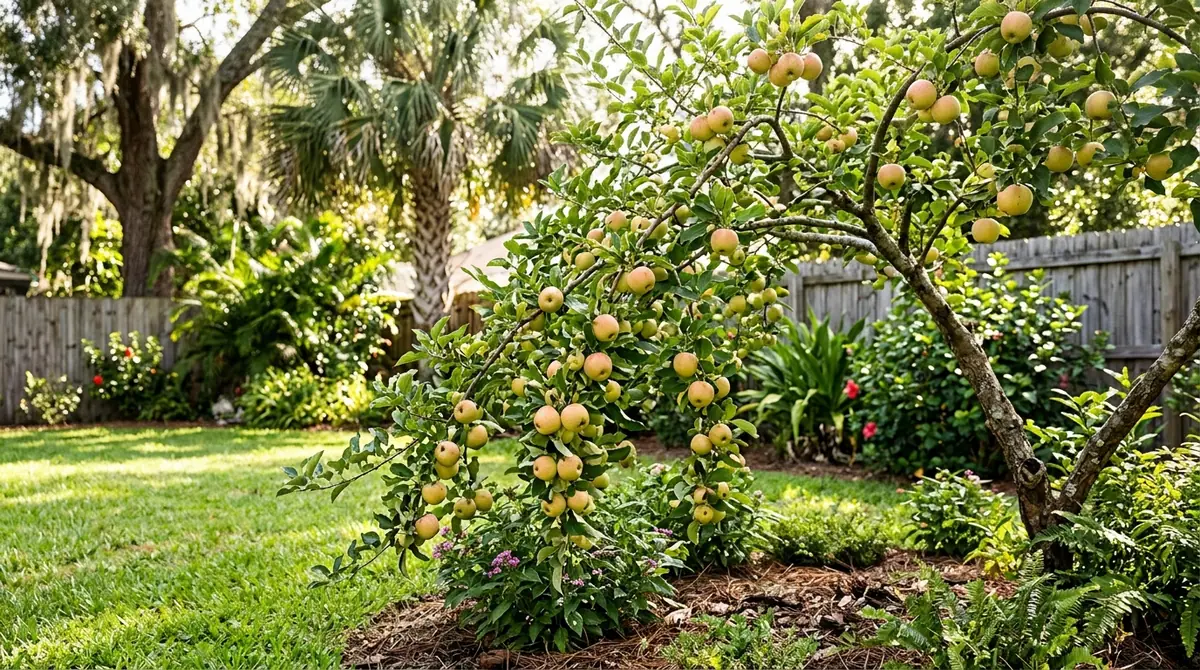
I stood in a sprawling backyard nursery in Ocala, Florida, holding a withered branch of a Honeycrisp apple tree that a frustrated homeowner had dragged to my consultation desk. "I bought it mail-order because it had the biggest fruit on the catalog cover," she sighed, "and after three years, it hasn't given me a single bite." I had to gently break the news: her tree had endured a Florida winter that barely dipped below 65°F (18°C), completely starving it of the 1,000 chilling hours it required to break dormancy.
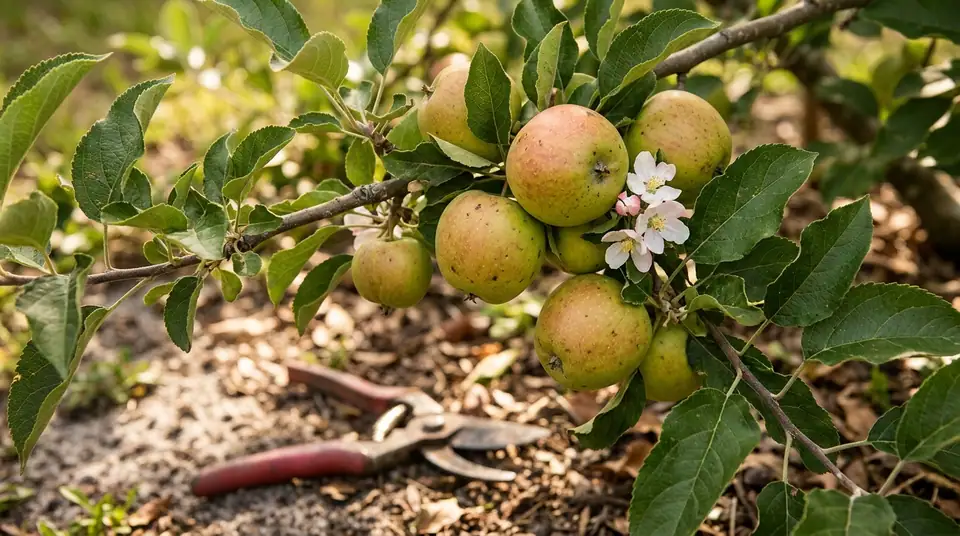
Growing functional, heavy-yielding apple trees in the Sunshine State requires understanding specific botanical adaptations, exact chill hour math, and vigilant pest management. Whether you are expanding a suburban backyard layout or designing an integrated polyculture system similar to what you might build using our How to Grow a Wild Food Forest Self Sufficiency Garden framework, apples can thrive in Florida if you follow strict ecological parameters.
1. Botanical Overview & Natural Habitat
The domestic apple (Malus domestica) belongs to the Rosaceae family and originated in the Tian Shan mountains of Central Asia. Wild ancestors evolved in temperate climates characterized by freezing winters, mild summers, and distinct seasonal dormancy. In its native habitat, an apple tree relies on cold winter temperatures to trigger hormonal shifts that break bud dormancy and allow synchronized spring flowering.
When we attempt to cultivate Malus domestica in Florida, we are pushing the botanical envelope. Florida's climate is predominantly subtropical to tropical, featuring mild winters, intense summer ultraviolet radiation, and high humidity. Traditional varieties like 'Granny Smith', 'Fuji', and 'McIntosh' require between 600 and 900 chilling hours—accumulated periods where temperatures remain between 32°F and 45°F (0°C to 7°C). Most of the Florida peninsula experiences only 100 to 400 chill hours annually.
Fortunately, decades of breeding programs by the University of Florida and private horticulturists have yielded low-chill cultivars. Varieties such as 'Anna', 'Dorsett Golden', and 'TropicSweet' require as few as 150 to 300 chill hours, dropping their leaves, setting fruit, and ripening successfully in regions that never see a true winter. Botanically, these cultivars share the same pomaceous fruit structure—an inferior ovary where the fleshy floral tube swells around the core—but their internal physiological clock has been reprogrammed to respond to minimal thermal resets.
To maximize space and integrate companion species efficiently in a humid southern climate, you can review our insights on When to Plant Strawberries in North Florida for ideas on managing understory fruit zones beneath your newly established low-chill apple canopy.
2. Essential Environmental & Care Requirements
Success with apples in Florida dictates strict adherence to environmental controls. Because Florida soils are notoriously sandy, nutrient-leached, and prone to nematode infestations, you cannot treat planting sites like the rich, loamy clays of the Pacific Northwest or the Northeast.
| Parameter | Optimal Condition | Common Mistake | Why It Matters |
|---|---|---|---|
| Soil pH | 6.0 to 6.5 (Slightly Acidic) | Ignoring pH tests in alkaline limestone soils | Extreme pH locks out essential micronutrients like iron and manganese, causing chlorosis. |
| Chill Hours | 150 – 300 hours (32°F–45°F / 0°C–7°C) | Planting high-chill northern varieties (800+ hours) | Insufficient cold prevents spring bud break, erratic flowering, and total fruit failure. |
| Sunlight | Full sun (Minimum 8 hours direct daily) | Planting in partial shade under live oaks | Reduced light diminishes photosynthesis, lowers sugar content in fruit, and increases fungal disease. |
| Irrigation | 1 to 2 inches (2.5 to 5 cm) weekly via drip | Overhead sprinkler irrigation wetting leaves | Wet foliage in humid Florida climates triggers rapid fungal spore germination. |
Temperature thresholds in Florida require careful management. While mature low-chill apple trees tolerate summer highs of 95°F to 100°F (35°C to 38°C), prolonged heat stress combined with drought can cause premature fruit drop.
💡 Pro-Tip: Always install a drip irrigation system with emission emitters placed 12 to 18 inches (30 to 45 cm) away from the trunk. Never use overhead oscillating sprinklers; keeping the foliage dry is your primary line of defense against Florida’s aggressive fungal pathogens like apple scab and powdery mildew.
Soil drainage is non-negotiable. Apples will quickly succumb to Phytophthora root rot if left in standing water during the summer wet season (June through September). If your property features heavy muck or dense compaction, build raised berms at least 12 inches (30 cm) high and 4 feet (1.2 meters) wide before planting. For further reading on selecting adaptable, high-output tropical and subtropical perennials that handle challenging Florida microclimates, check out the Total Guide to Moringa Why You Should Grow the Miracle Tree or Drumstick Vegetable.
3. Step-by-Step Cultivation, Feeding & Propagation
Establishing an apple tree in Florida's unique environment demands precision. Follow this step-by-step cultivation protocol to ensure deep root establishment and long-term structural integrity.
- Site Selection and Soil Testing: Choose an open, full-sun location with good air circulation. Collect core soil samples from a depth of 6 to 8 inches (15 to 20 cm) and test for pH and mineral content. Amend with organic compost if necessary to target a pH of 6.0 to 6.5.
- Excavating the Planting Hole: Dig a hole twice as wide as the nursery container but no deeper than the root ball. The top root (root flare) must sit 1 to 2 inches (2.5 to 5 cm) above the surrounding soil grade to prevent settling and subsequent crown rot.
- Positioning and Cross-Pollination Setup: Plant at least two compatible low-chill varieties—such as pairing 'Anna' with 'Dorsett Golden'—spaced 12 to 15 feet (3.6 to 4.5 meters) apart. Honeybee cross-pollination is essential for heavy fruit set.
- Backfilling and Initial Watering: Backfill with native unamended soil to prevent creating a perched water table. Tamp gently to remove air pockets, then apply 5 gallons (19 liters) of water immediately to settle the soil around the roots.
- Applying Organic Mulch: Spread a 3-inch (7.6 cm) layer of hardwood bark or arborist wood chips in a 3-foot (0.9-meter) radius around the base. Keep the mulch pulled back 6 inches (15 cm) from the trunk to prevent rodent nesting and moisture accumulation against the bark.
- Structural Pruning: Cut back the main whip to 30 inches (76 cm) above ground level at planting time to encourage scaffold branch development. Select 3 to 4 well-spaced lateral branches growing outward at wide angles during the subsequent dormant season (January).
- Nutritional Management: Begin fertilizing in early spring of the second year. Apply a balanced, slow-release fruit tree fertilizer (such as 10-10-10 with minor elements) at a rate of 1 pound (0.45 kg) per year of tree age, split into three applications in February, May, and July. Stop all fertilization by August to prevent late flush growth that is vulnerable to early winter freezes.
4. Common Problems, Pests & Troubleshooting
Growing apples in a humid subtropical environment invites specific agricultural challenges. Recognizing symptoms early allows you to intervene before your harvest is compromised.
- Root-Knot Nematodes (Meloidogyne spp.): These microscopic roundworms attack Florida sandy soils, causing root galling, stunting, and eventual tree collapse. Mitigation: Always purchase trees grafted onto nematode-resistant rootstocks, such as MM.106 or MM.111 when available, though finding specific clonal rootstocks in retail nurseries can be challenging. Incorporating heavy layers of chitin-rich organic matter or planting French marigolds (Tagetes patula) as a living mulch helps suppress nematode populations naturally.
- Apple Scab and Powdery Mildew: Fungal pathogens thrive in Florida's warm, humid spring rains. Leaves develop olive-green spots that turn velvety brown, followed by premature defoliation. Mitigation: Apply preventive copper fungicide or sulfur-based sprays beginning at green tip stage and repeat every 7 to 10 days during wet spring weather, adhering strictly to label instructions.
- Codling Moth and Plum Curculio: These insect pests burrow directly into developing fruit, causing premature drop and larval infestation. Mitigation: Hang pheromone traps in early spring to monitor adult moth emergence. Enclose developing fruit in porous barrier bags (such as nylon mesh or specialized fruit protection bags) about 30 to 45 days after full bloom to physically block insect oviposition.
- Nutritional Deficiencies (Zinc and Iron): High pH limestone soils frequently lock up iron and zinc, resulting in interveinal chlorosis (yellowing leaves with green veins). Mitigation: Apply chelated iron (Fe-EDDHA) to the soil or foliar-spray liquid micronutrient mixes during active flush periods.
⚠️ Important Caution: Never use high-nitrogen synthetic fertilizers late in the growing season (after August 1st). This forces succulent new growth that cannot harden off before erratic winter temperature swings, leaving your tree vulnerable to bacterial canker and frost damage.
5. Frequently Asked Questions
What are the best apple varieties to grow in Florida?
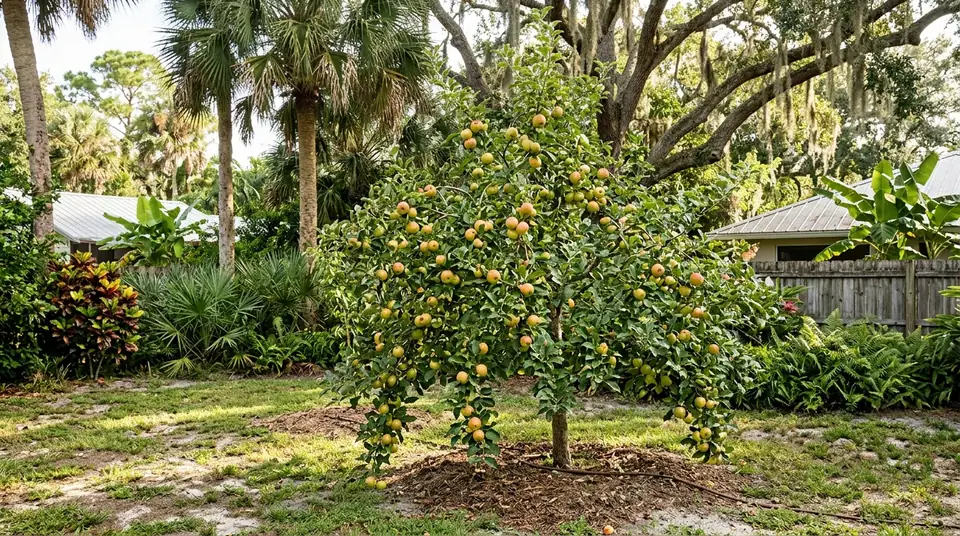
The top-performing low-chill apple varieties for Florida are 'Anna' (requires approximately 200 chill hours, crisp, slightly tart fruit ripening in early summer), 'Dorsett Golden' (requires 100 to 200 chill hours, sweet, golden-yellow fruit with a crisp texture), and 'TropicSweet' (requires 150 to 200 chill hours, producing low-acid, very sweet fruit). Planting at least two of these compatible cultivars is required for cross-pollination and successful fruit production.
Do I need two apple trees for pollination in Florida?
Yes. Almost all low-chill apple cultivars are self-incompatible, meaning their blossoms cannot set fruit using their own pollen. You must plant at least two different low-chill varieties that bloom concurrently—such as 'Anna' and 'Dorsett Golden'—within 50 feet (15 meters) of each other to ensure honeybees and native pollinators can transfer pollen effectively.
When do low-chill apples ripen in Florida?
Unlike northern apples that harvest in September and October, low-chill varieties in Florida bloom early (typically February to March) and ripen quickly under the intense subtropical sun. Most varieties like 'Anna' and 'Dorsett Golden' are ready for harvest between late May and early July, roughly 90 to 110 days after full bloom. Harvest when the fruit background color shifts from deep green to a pale greenish-yellow or golden hue, and the fruit separates easily from the branch with a gentle upward tilt.
Can I grow apples in containers in South Florida?
Yes, you can grow low-chill dwarf apple varieties in containers if you live in USDA Zones 9b through 11, provided you manage the container environment carefully. Select a container with a minimum capacity of 25 gallons (95 liters) filled with a well-draining potting mix containing pine bark, peat, and perlite. Because container roots are more exposed to temperature extremes, ensure the pot receives afternoon shade during peak summer months and is watered daily during dry spells.
Related Guides
- Will Kiwi Grow in Florida
- When to Plant Strawberries in North Florida
- Florida Backyard Landscape Ideas
📋 Table of Contents ▼ Click to expand
Tags:
Keep reading
🌿 Related Plants You Might Like
PlantSavvyWorld
Editorial team
PlantSavvyWorld is an independent botanical education project. Articles are drafted with AI assistance, then edited and checked against university extension services, botanical garden collections and other published horticultural sources.