

Can Kiwi Grow In Florida — Complete Care, Planting & Growth Masterclass
Written with AI assistance, edited and checked against horticultural sources.
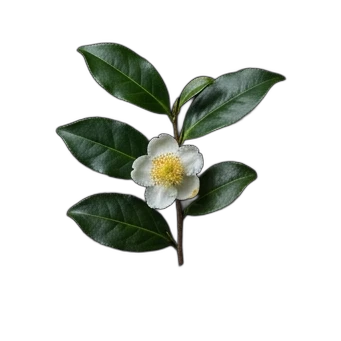
Growing kiwi in Florida is entirely possible, allowing gardeners to harvest sweet, tangy, and vibrant fruits straight from the vine. Through proper research and care, this tropical delight can thrive in the Sunshine State and produce homegrown fruit far superior to store-bought varieties.
1. Botanical Overview & Natural Habitat

Kiwi vines are dioecious, meaning you generally need both a male and a female plant to produce fruit. The female flower is what develops into the fuzzy, delicious fruit, while the male flower is essential for pollination. Interestingly, one male plant can pollinate up to 8 female plants, provided they are within a reasonable distance. This is a crucial piece of information when planning your kiwi patch in Florida.
When considering Florida, we need to acknowledge its specific climate: hot, humid summers, mild winters (though occasional freezes can occur in the northern parts), and a unique soil composition that can range from sandy to clayey. These factors influence everything from vine establishment to fruit development. The key to success lies in understanding how to work with Florida’s environment, rather than against it.
2. Essential Environmental & Care Requirements
Growing kiwi in Florida is entirely achievable with the right approach. It’s not as straightforward as planting a citrus tree, but the rewards are well worth the effort.
Sunlight: The Golden Rule
Kiwi vines are sun-worshippers. They require full sun, which translates to at least 6 to 8 hours of direct sunlight per day. In the intense Florida heat, especially during the peak summer months, providing partial afternoon shade can be beneficial. This is particularly true for young plants or those grown in containers, which are more susceptible to heat stress. Too little sun will result in leggy growth and minimal fruit production.
Soil Preparation and Root Health: The Foundation of Success
Healthy plants truly start from the ground up. Kiwi vines prefer well-draining, fertile soil rich in organic matter. Florida soils can often be sandy and lack nutrients, or conversely, heavy clay that retains too much water.
- Ideal pH: The recommended soil pH for kiwi is 6.0 to 6.8. This slightly acidic to neutral range allows for optimal nutrient uptake.
- Drainage is Paramount: Compacted, waterlogged soils are the nemesis of kiwi vines. They lead to root rot and make the plants highly susceptible to fungal diseases. If your native soil is heavy clay, consider amending it generously with compost, aged manure, and coarse sand or perlite to improve aeration and drainage. For container growing, use a high-quality potting mix designed for fruit trees and shrubs, ensuring it has excellent drainage.
- Organic Matter: Incorporating compost, aged manure, and worm castings enriches the soil, providing essential nutrients and improving soil structure. Aim for at least 2-3 inches of organic matter worked into the top 6-8 inches of the planting area.
Moisture Management: Deep, Infrequent Irrigation
Kiwi vines have moderate water needs, but consistency is key, especially during establishment and fruiting. The goal is to promote a deep, resilient root system.
- Establishment Phase: For the first year, water newly planted vines regularly to keep the soil consistently moist but not soggy. This usually means watering every few days, depending on rainfall and temperature.
- Mature Plants: Once established, kiwi vines benefit from deep, infrequent irrigation. Water thoroughly when the top 2-3 inches of soil feel dry. This encourages roots to grow deeper in search of moisture, making the plant more drought-tolerant. In Florida’s hot, dry spells, you might need to water deeply once a week. During prolonged wet periods, natural rainfall may suffice.
- Container Plants: Container-grown kiwi vines will dry out much faster and require more frequent watering, potentially daily during hot weather. Always check the moisture level before watering.
Environmental & Climate Optimization: Navigating Florida's Seasons
- Temperature: Kiwi vines generally prefer a range of temperatures, but extreme heat can be challenging. While established vines can tolerate high temperatures, young plants need protection. USDA Plant Hardiness Zones 7-9 are typically ideal, and much of Florida falls within Zones 8b-10b. The key is managing the heat of the day.
- Frost Protection: While Florida winters are mild, the northern parts of the state can experience occasional frosts. Young kiwi plants are more vulnerable. If a frost is predicted, cover young vines with frost cloths, blankets, or burlap to protect them from damage.
- Heat Waves: During intense summer heatwaves, particularly in South Florida, providing afternoon shade with shade cloth (30-50%) can prevent leaf scorch and stress on the vines. Good air circulation is also vital; avoid planting them in stagnant, overly humid pockets.
Nutrient Cycling & Organic Fertilization: Feeding Your Vines
Kiwi vines are heavy feeders, especially when young and actively growing. A balanced approach to fertilization will yield the best results.
- Establishing Plants: For young vines, focus on promoting root and shoot growth. Use an organic fertilizer with a higher phosphorus content during root establishment and bud formation. This supports a strong root system and encourages flowering. Look for blends that also contain essential micronutrients.
- Mature Plants: As the vines mature and begin to fruit, a shift towards potassium-rich fertilizers becomes beneficial. Kelp meal is an excellent source of potassium, which enhances cellular wall strength, improves disease resistance, and can increase drought tolerance.
- Application Schedule: Fertilize in early spring as new growth begins and again in mid-summer. Avoid fertilizing too late in the season, as this can encourage new, tender growth that may be damaged by early frosts.
3. Step-by-Step Cultivation, Feeding & Propagation
Let’s get our hands dirty! Here’s a practical guide to planting and nurturing your kiwi vines for bountiful harvests.
- Site Selection: Choose a location that receives at least 6-8 hours of direct sunlight daily. Ensure there is ample space for the vine to grow and spread, as kiwi can become quite large. Provide a sturdy support structure like a strong trellis, arbor, or pergola, as these are vigorous climbers. Consider proximity to pollinators and ease of access for harvesting.
- Soil Preparation: If planting in the ground, dig a hole that is twice as wide and as deep as the plant's root ball. Amend the removed soil with generous amounts of compost, aged manure, and well-rotted leaf mold. For containers, select a pot at least 15-20 gallons in size, with excellent drainage holes, and use a high-quality, well-draining potting mix.
- Planting: Carefully remove the kiwi plant from its nursery container. Gently loosen any circling roots. Place the plant in the center of the hole or pot, ensuring the top of the root ball is level with or slightly above the surrounding soil. Backfill with the amended soil, firming gently to remove air pockets.
- Initial Watering: Water the newly planted vine thoroughly to settle the soil and provide immediate moisture.
- Mulching: Apply a 2-3 inch layer of organic mulch (wood chips, straw, shredded bark) around the base of the plant, keeping it a few inches away from the trunk. Mulch helps retain soil moisture, suppress weeds, and regulate soil temperature.
- Trellising and Pruning: As the vine grows, train it onto its support structure. Pruning is crucial for managing size, shape, and maximizing fruit production. Winter pruning involves removing dead, diseased, or crossing branches. Summer pruning can involve thinning out overly dense growth to improve air circulation and sunlight penetration. For most varieties, fruit is borne on one-year-old wood, so prune to encourage this.
- Pollination Strategy: Remember to plant a male and female variety! Space them appropriately, typically within 50 feet of each other, for effective pollination. Some newer varieties are self-pollinating, but it's always good to check the specific cultivar.
- Fertilization: Begin fertilizing in early spring as growth starts. Use a balanced organic fertilizer or one suited for fruit production. Follow the package instructions, but a general guideline is to apply about 1/2 pound of fertilizer per year of the plant's age, split into two applications. For established vines, you might transition to a potassium-rich fertilizer like kelp meal during the growing season.
- Watering: Water deeply when the top 2-3 inches of soil are dry. This is especially important during fruit development. For container plants, monitor moisture daily and water as needed.
Propagation: Starting from Scratch
While purchasing established plants is the easiest way to start, propagation can be done through:
- Cuttings: Taking hardwood cuttings in late winter or softwood cuttings in summer can be successful, but requires patience and specific rooting hormone applications.
- Grafting: This is a common method for commercial growers and can be used to combine desirable traits or to establish new varieties.
- Seed: Growing from seed is possible but often results in plants that are not true to the parent variety and may take many years to produce fruit, if any. It's also difficult to determine sex from seed.
4. Common Problems, Pests & Troubleshooting
Even in ideal conditions, you might encounter a few challenges. Early detection and intervention are key.
| Parameter | Optimal Condition | Common Mistake | Why It Matters |
|---|---|---|---|
| Sunlight | Full sun (6-8+ hours) to partial afternoon shade | Too much shade, or too much intense afternoon sun without protection | Insufficient light reduces flowering and fruiting; intense sun scorches leaves. |
| Soil pH | 6.0 – 6.8 | Too acidic (<5.5) or too alkaline (>7.0) | Nutrient lockout occurs, leading to deficiencies and poor plant health. |
| Watering | Deep, infrequent; 2-3 inches dry before watering | Overwatering, or infrequent shallow watering | Overwatering causes root rot; shallow watering leads to weak, shallow roots. |
| Drainage | Excellent, free-draining | Compacted, waterlogged soil | Root rot is rampant, and plants become susceptible to diseases. |
| Temperature | Mild winters, warm summers; avoid hard freezes | Extreme heatwaves without shade, sudden frosts | Young plants can be damaged or killed by frost; extreme heat causes stress. |
| Nutrient Balance | Balanced organic feeding, with P for roots, K for maturity | Over-fertilizing with synthetics, or neglecting nutrients | Imbalanced feeding leads to weak growth, poor fruiting, or nutrient burn. |
| Pollination | Presence of both male and female plants | Only one sex planted, or male too far away | No fruit production occurs without successful pollination. |
Pests
- Aphids: These small, sap-sucking insects can infest new growth. A strong blast of water from a hose or an insecticidal soap can usually manage them.
- Spider Mites: In hot, dry conditions, spider mites can become a problem. They cause stippling on leaves. Increasing humidity around the plant and using insecticidal soap or horticultural oil can help.
- Fruit Flies/Vine Weevils: These can damage fruit. Good sanitation, netting, or specific traps might be necessary.
Diseases
- Root Rot: Caused by overwatering and poor drainage. Ensure excellent drainage and avoid soggy soil.
- Fungal Leaf Spots: Can occur in humid conditions. Improving air circulation through pruning and avoiding overhead watering can help prevent these.
⚠️ Important Caution: Florida's climate can be a double-edged sword. While it provides ample warmth for growth, the high humidity and intense summer sun can also create an environment ripe for fungal diseases and heat stress if not managed carefully. Always err on the side of caution with watering and ensure excellent air circulation around your vines.

5. Frequently Asked Questions
Can I grow kiwi in a pot in Florida?
Yes, you absolutely can grow kiwi in pots in Florida! Choose a large container (at least 15-20 gallons for mature plants) with excellent drainage. Use a high-quality potting mix and be diligent about watering, as pots dry out much faster than the ground, especially in Florida's heat. You'll still need to consider pollination, so perhaps start with a self-pollinating variety or plan for a companion male plant in another large pot nearby.
What's the biggest mistake people make when trying to grow kiwi in Florida?
The #1 issue reported by home gardeners is overwatering and poor container drainage, often leading to root rot. It’s easy to overcompensate for Florida's heat by watering too frequently without checking the soil moisture. Always check the top 2 inches of soil before hydrating. If it’s still moist, wait!
How soon can I expect to get fruit from my kiwi plant?
With proper temperature, photoperiod lighting (which simply means adequate sunlight exposure), and balanced organic feeding, you can expect your kiwi vine to start bearing fruit within 2 to 4 years after planting, depending on the variety and the health of the plant. Noticeable vigor and healthy development of new growth will occur within 10 to 14 days of planting if conditions are optimal.
Are there any kiwi varieties that do better in Florida than others?
Absolutely! While Actinidia deliciosa varieties can be grown, they might struggle with our warmer winters and intense heat. Consider Arctic Beauty Kiwi (Actinidia kolomikta) or Hardy Kiwi (Actinidia arguta). These are generally more cold-hardy, but their adaptability to Florida's heat and humidity can vary. Some newer hybrids and specific cultivars are being developed or trialed for subtropical climates. Always check with local nurseries or university extension services for recommendations specific to your region within Florida.
💡 Pro-Tip: For Florida growers, paying close attention to managing afternoon heat is paramount. Even with full sun requirements, consider strategically placing your kiwi vines where they receive dappled shade or installing shade cloth during the hottest parts of the day, especially during their first couple of years and during the peak summer months. This simple step can make a world of difference in plant vitality.
Happy growing, and may your kiwi vines flourish under the Florida sun!
Tags:
Keep reading
🌿 Related Plants You Might Like






PlantSavvyWorld
Editorial team
PlantSavvyWorld is an independent botanical education project. Articles are drafted with AI assistance, then edited and checked against university extension services, botanical garden collections and other published horticultural sources.