

Best Plants to Grow in your Survival Garden Part 2 16 Must Grow Perennial Edibles
Written with AI assistance, edited and checked against horticultural sources.
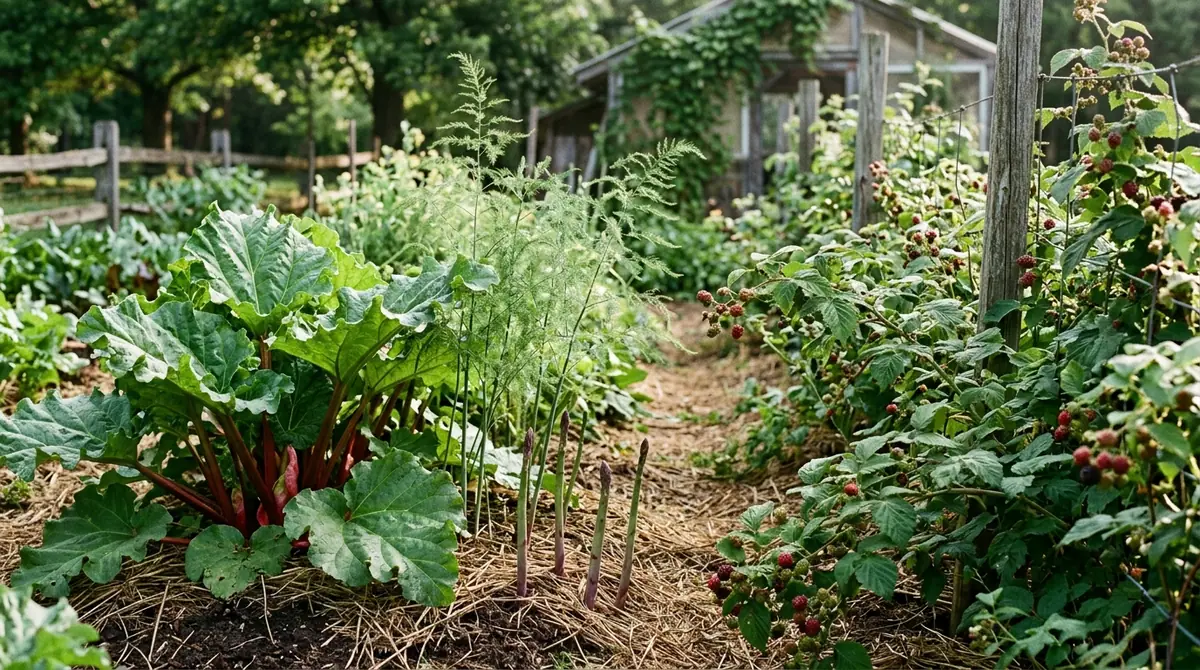
An unexpected early frost in October 2018 can decimate annual brassicas, highlighting why replacing ornamental foundation plants with sea kale and perennial onions is advantageous. In a survival garden, annuals are fragile promises while perennials are ironclad guarantees. Welcome back to this ongoing food security series. In Part 1, the groundwork was laid for robust homestead production. Here in Part 2, attention turns to 16 indispensable, long-lived perennial edibles that return year after year with minimal intervention, anchoring the food supply against economic volatility, supply chain disruptions, and shifting weather patterns.
1. Botanical Overview & Natural Habitat
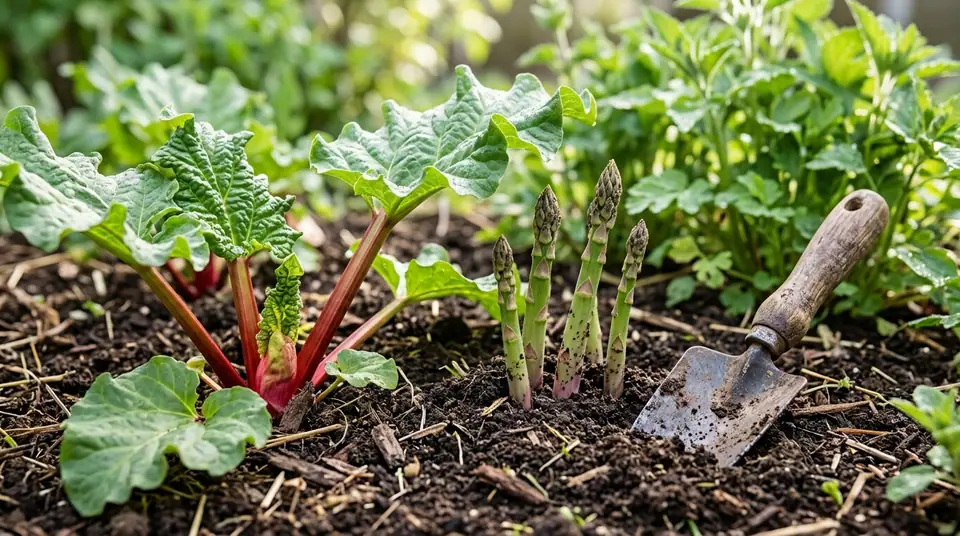
Our curated list of 16 must-grow perennial edibles spans multiple botanical families, each bringing distinct survival advantages to your homestead:
- Jerusalem Artichoke (Helianthus tuberosus): A towering member of the Asteraceae family native to central North America. It produces crisp, nutty tubers packed with inulin rather than starch, making it an ideal survival calorie source for diabetics.
- Sea Kale (Crambe maritima): Native to the coastal shingle beaches of Europe. It thrives in high-salt, wind-swept maritime climates, producing thick, glaucous-blue spring shoots tasting of nutty broccoli and asparagus.
- Good King Henry (Blitum bonus-henricus): An ancient European potherb from the Amaranthaceae family. Unlike modern spinach, this tough perennial tolerates poor, chalky soils and yields tender greens from early spring through autumn.
- Perennial Leek / Welsh Onion (Allium fistulosum): Bulb-forming, clump-spreading alliums native to Asiatic steppes. They endure temperatures down to -40°F (-40°C) without missing a beat.
- Skirret (Sium sisarum): An ancient umbellifer native to East Asia. It produces clusters of sweet, fleshy root fingers that taste like a cross between parsnip and coconut.
- Groundnut (Apios americana): A nitrogen-fixing North American vine producing edible protein-rich tubers and fragrant, chocolate-scented flowers. This plant fits wonderfully into intensive polyculture spaces, echoing the spatial strategies recommended in Sweet Potato Companion Plants: 8 Best Garden Friends & 3 Foes to Avoid.
- Rhubarb (Rheum rhabarbarum): Originating in the high plateaus of Siberia and western China. Its massive taproot stores enough energy to thrust tart, vitamin-rich petioles upward at the very first thaw.
- Artichoke (Cynara cardunculus var. scolymus): Mediterranean natives adapted to mild winters and dry summers. They produce massive, thistle-like flower buds before they open.
- Dwarf Siberian Kale (Brassica oleracea var. acephala): Exceptionally cold-hardy brassicas that convert starches to natural sugars when exposed to freezing air, sweetening as winter deepens.
- Babington's Leek (Allium ampeloprasum var. babingtonii): A rare, wild-clumping British perennial leek that produces edible bulbils on its flower heads in addition to underground cloves.
- Warrigal Greens (Tetragonia tetragonioides): Also known as New Zealand Spinach, this creeping succulent groundcover thrives in coastal, high-saline soils and handles intense summer heat where traditional greens turn bitter.
- Japanese Forest Yam / Chinese Yam (Dioscorea polystachya): A vigorous climbing vine producing subterranean tubers that reach depths of 36 inches (91 cm) alongside aerial bulbils rich in restorative starches.
- Wild Garlic / Ramsons (Allium ursinum): Woodland ephemerals native to damp European deciduous forests. They carpet the shaded understory in spring with broad, garlic-scented leaves before going dormant by mid-summer.
- Perennial Broccoli / Nine Star Perennial (Brassica oleracea var. botrytis): A rare heirloom variety that yields multiple seasons of small, tender white heads across 3 to 5 productive years.
- Hops (Humulus lupulus): Vigorous bines originating in temperate northern wetlands. Beyond brewing, young spring shoots are harvested and eaten raw or lightly steamed as an early forest-garden delicacy.
- Asparagus (Asparagus officinalis): Native to European river basins and coastal dunes. Established crowns send up tender spears for decades when given proper root room.
2. Essential Environmental & Care Requirements
Establishing a long-term survival garden requires matching each plant's biological baseline to your microclimate. Most perennial vegetables demand full sun (at least 6 to 8 hours of direct sunlight daily), though shade-tolerant taxa like Ramsons and Good King Henry excel under forest canopy edges.
Soil drainage is the single most critical environmental factor. Perennial roots spend months or years underground; heavy, waterlogged clay during winter freeze-thaw cycles leads directly to crown rot. Incorporating coarse organic matter to maintain a loamy texture with a neutral pH between 6.0 and 7.0 ensures nutrient uptake across all 16 species.
| Parameter | Optimal Condition | Common Mistake | Why It Matters |
|---|---|---|---|
| Soil Drainage | Loamy, well-amended, drains within 24 hours of heavy rain | Planting in compacted clay without organic amendments | Prevents anaerobic bacterial rot in over-wintering roots, corms, and rhizomes. |
| Sun Exposure | Full sun (6–8 hours daily) for 14 species; dappled shade for Ramsons/Good King Henry | Forgetting to map light shifts between summer canopy and bare winter trees | Insufficient light halts carbohydrate storage in roots, stunting next year’s yields. |
| Soil pH | 6.0 to 7.0 for maximum nutrient availability | Ignoring soil acidity, leading to micronutrient lock-out | Optimal pH ensures roots can access phosphorus and calcium needed for structural cell walls. |
| Mulching Depth | 3 to 4 inches (7.6 to 10 cm) of shredded arborist wood chips | Piling mulch directly against stems or crowns | Keeps roots insulated against extreme temperature drops while preventing collar rot. |
💡 Pro-Tip: When planning your perennial layout, cluster your heavy root crops like Skirret and Jerusalem Artichoke in a dedicated, uncultivated zone. Tilling destroys the delicate subterranean network of these perennial root systems, whereas sheet-mulching around them preserves their architecture year after year.
3. Step-by-Step Cultivation, Feeding & Propagation
Perennial establishment requires patience. Unlike fast-turnaround annuals, these crops invest heavily in root architecture during their first year. Follow this exact sequence to ensure high survival rates and rapid canopy closure.
- Site Selection and Soil Preparation: Clear all perennial weeds (like bindweed or couch grass) from your planting site. Dig trenches or broadfork the earth to a depth of 12 inches (30 cm) without inverting soil layers. Work in 2 inches (5 cm) of aged compost and a balanced organic fertilizer to jump-start microbial life.
- Timing and Planting: Plant bare-root crowns, tubers, or divisions in early spring as the soil warms above 45°F (7°C), or in early autumn while the earth retains summer warmth. Space plants according to their mature spread: 18 inches (45 cm) for smaller greens like Good King Henry, and up to 36 inches (91 cm) for massive root crops like Jerusalem Artichoke. Dig holes twice as wide as the root mass, ensuring the crown rests level with the surrounding soil line.
- Initial Watering and Settling: Soak the root zone thoroughly with 1 inch (2.5 cm) of water immediately after planting to eliminate air pockets around fine root hairs.
- Applying Protective Mulch: Apply a 3-inch (7.6 cm) layer of leaf mold or straw around the base of each plant, maintaining a 2-inch (5 cm) clear gap around woody stems to prevent moisture-induced fungal infections.
- Establishment-Year Pruning: For the first 12 to 18 months, resist the urge to heavily harvest foliage or tubers. Pinch back early flower stalks on young perennial brassicas and artichokes to force the plant to redirect its sugars back into root and crown expansion.
- Maintenance Feeding: Each spring as new shoots emerge, top-dress the root zones with 1 inch (2.5 cm) of vermicompost and an application of organic kelp meal to supply trace minerals essential for robust cell development.
⚠️ Important Caution: Never consume wild-foraged alliums or tubers unless you have positively identified them through floral and bulb structures. Deadly lookalikes such as death camas (Toxicoscordion species) share habitats with wild garlic and ramps, and ingestion can result in fatal systemic toxicity.
4. Common Problems, Pests & Troubleshooting
Even resilient perennial beds face biological pressures. Because these plants stay in the ground year-round, persistent pest populations can build if left unchecked.
- Slugs and Snails on Sea Kale and Good King Henry: Spring shoots emerge tender and succulent, making them prime targets for gastropods during wet springs. Control populations using physical copper barriers, hand-picking at dusk, or applying iron phosphate baits around the perimeter of the bed.
- Rust and Downy Mildew on Perennial Brassicas: Humid, stagnant air encourages fungal spores to latch onto lower leaves. Prune away heavily infected bottom leaves immediately, thin surrounding vegetation to maximize airflow, and spray preventative bio-fungicides like Bacillus subtilis in early spring.
- Voles and Gophers Tunneling Beneath Tubers: Jerusalem Artichokes and Groundnuts are prime winter targets for burrowing rodents who feast on underground starch. Install hardware cloth baskets 1/4-inch (0.6 cm) mesh beneath planting beds during initial installation in heavy pest zones.
- Nutrient Deficiencies (Chlorosis): Yellowing leaves accompanied by green veins indicate iron or magnesium lock-out, often caused by soil compaction or incorrect pH. Aerate the surrounding soil with a garden fork and apply a liquid chelated iron or foliar fish emulsion spray. For broader strategies on managing heavy feeder plants and soil nutrition, review our advanced guide on How to Grow Huge Tomato Plants: Pruning, Trenching & Heavy Yields.
5. Frequently Asked Questions
Can I grow perennial edibles in containers if my yard has poor soil?
Yes, container culture works exceptionally well for species like Welsh onions, sea kale, and alpine strawberries. Use large containers holding a minimum of 5 to 10 gallons (19 to 38 liters) of a well-draining, soil-less potting mix blended with compost. Keep in mind that perennial roots in containers lack the thermal mass of the earth, so pots must be insulated or moved to sheltered spots in USDA zones below USDA Zone 6 to prevent winter root freeze.
How long do perennial vegetable beds produce before needing replanting?
Most established perennial beds remain highly productive for 5 to 15 years depending on the species. Asparagus crowns can yield for over 20 years, while perennial brassicas typically decline in vigor after 4 to 5 years. When yields drop or crowns become overcrowded in the center, divide the clumps in early spring or autumn, discard woody central cores, and replant vigorous outer divisions into freshly amended soil.
Do survival garden perennials require winter dormancy protection?
Most temperate perennials require a chilling hour requirement (temperatures below 45°F / 7°C) to break dormancy and trigger spring growth. However, in regions experiencing extreme freeze-thaw cycles without reliable snow cover, applying a heavy 6-inch (15 cm) blanket of straw or chopped leaves over crowns prevents frost heaving, which can snap delicate root systems and expose them to lethal desiccation.
How do I handle the aggressive spread of Jerusalem Artichokes?
Jerusalem artichokes produce an abundance of underground tubers, and any missed fragment during harvest will sprout next spring. Contain their vigorous spread by installing heavy-duty polyethylene root barrier fabric sunk 24 inches (61 cm) vertically into the soil around your planting patch, or plant them in a dedicated, isolated corner of your homestead where their aggressive nature acts as an asset rather than a weed.
Related Guides
- Hydrangeas for Part Shade
- How to Condition a Straw Bale for Gardening Straw Bale Gardening Guide
- When to Plant Watermelons in Texas
📋 Table of Contents ▼ Click to expand
Tags:
Keep reading
🌿 Related Plants You Might Like






PlantSavvyWorld
Editorial team
PlantSavvyWorld is an independent botanical education project. Articles are drafted with AI assistance, then edited and checked against university extension services, botanical garden collections and other published horticultural sources.