

Best Cucumber Varieties
Written with AI assistance, edited and checked against horticultural sources.
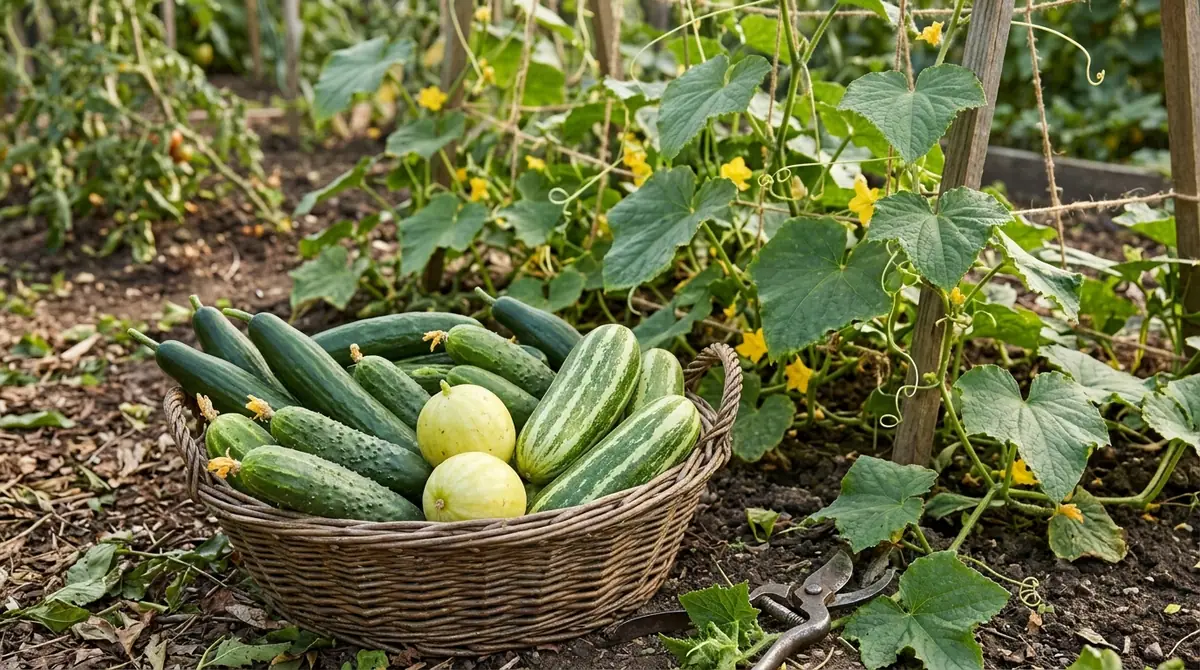
When unseasonal cold snaps dip soil temperatures below 60°F (15.5°C), 'Marketmore 76' cucumbers can turn pale and bitter. Selecting the right variety requires matching the genetic profile of Cucumis sativus to specific climates, space constraints, and culinary goals. Whether hunting for crunchiest pickling types, burpless greenhouse cultivars, or heavy-yielding slicing varieties, finding the best cucumber varieties helps avoid powdery mildew and yields an overflowing harvest.
1. Botanical Overview & Natural Habitat
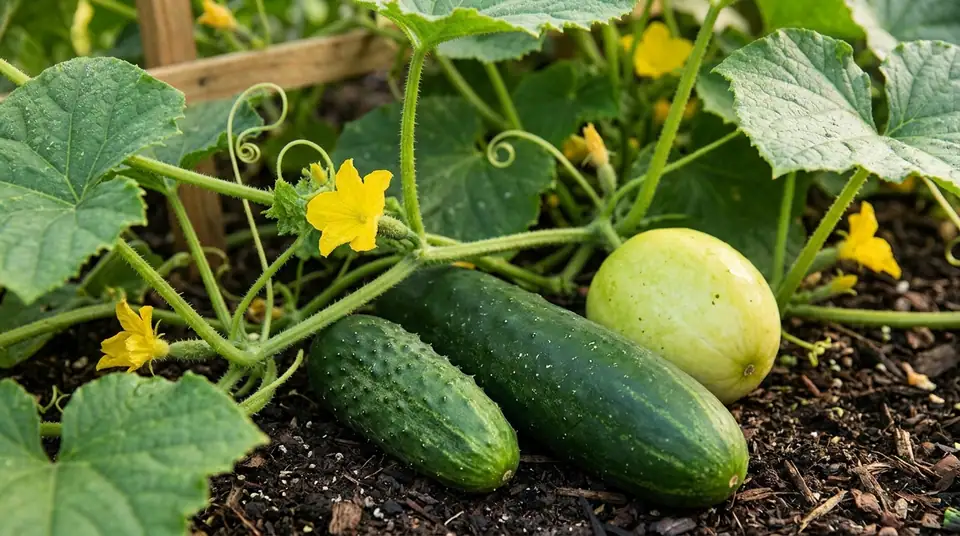
Understanding this ancestral habitat explains why cucumbers demand warmth, consistent moisture, and rich, organic soil. Unlike many modern crops bred for sterile environments, Cucumis sativus possesses a specialized root architecture featuring a dominant taproot that can plunge down to 36 inches (91 cm) if soil conditions allow, supported by a dense, shallow lateral feeding network that spreads out roughly 24 inches (61 cm).
When evaluating the best cucumber varieties, you must understand their sexual expression. Traditional varieties are monoecious, bearing separate male and female flowers on the same plant, requiring bees and beneficial insects for pollination. Modern slicing and burpless cultivars are often gynoecious (bearing almost exclusively female flowers) or parthenocarpic (capable of setting fruit without pollination). Parthenocarpic varieties are uniquely suited for greenhouses, row covers, or urban balconies where pollinator access is limited.
For a deeper dive into managing these plants during their most vulnerable stage, consult our guide on When to Transplant Cucumber Seedlings: Stop Root Shock & Boost Growth.
2. Essential Environmental & Care Requirements
To unlock the genetic potential of the best cucumber varieties, you must replicate their native Himalayan warmth and humidity. Cucumbers are decidedly frost-tender and will experience cellular damage at temperatures below 32°F (0°C).
Soil temperatures must reach a consistent 70°F (21.1°C) before direct sowing, though seed germination occurs fastest when soil sits between 85°F and 90°F (29.4°C to 32.2°C). Air temperatures should ideally range from 75°F to 85°F (23.9°C to 29.4°C) during the day and not drop below 60°F (15.5°C) at night.
💡 Pro-Tip: If you live in a cooler northern climate with a short growing season, do not wait for outdoor soil to hit 70°F. Lay black plastic mulch over your beds two weeks before planting to absorb solar radiation and artificially warm the soil profile by 5°F to 8°F (-15°C to -13°C).
Water management is the single most critical factor in determining fruit quality. Inconsistent moisture causes the fruit to accumulate cucurbitacin, an organic compound that results in intensely bitter cucumbers. Your plants require a minimum of 1 inch (2.5 cm) of water per week, increasing to 2 inches (5 cm) during peak fruiting and high summer temperatures.
For comprehensive climatic guidelines and regional planting dates, consult the Royal Horticultural Society Cucumber Growing Guide.
| Parameter | Optimal Condition | Common Mistake | Why It Matters |
|---|---|---|---|
| Soil Temperature | 70°F – 90°F (21.1°C – 32.2°C) | Planting in cold soil below 60°F (15.5°C) | Causes seed rot and stunts root development. |
| Soil pH | 6.0 – 6.8 | Allowing soil to become overly acidic (< 5.5) | Locks out essential micronutrients like calcium. |
| Watering Volume | 1–2 inches (2.5–5 cm) per week | Shallow, daily sprinkling | Encourages shallow roots and drought stress. |
| Sunlight Exposure | Full sun (6–8+ hours daily) | Planting in partial shade | Reduces fruit set and increases fungal disease. |
3. Step-by-Step Cultivation, Feeding & Propagation
Growing the best cucumber varieties successfully requires a methodical approach from soil preparation to harvest. Follow this step-by-step cultivation sequence:
- Site Selection and Soil Amending: Choose a location receiving at least 8 hours of direct sunlight. Work 3 to 4 inches (7.5 to 10 cm) of aged compost and a balanced organic fertilizer into the top 8 inches (20 cm) of soil to ensure high fertility and excellent drainage.
- Direct Sowing or Transplanting: Plant seeds 1 inch (2.5 cm) deep. Space seeds 6 inches (15 cm) apart along a trellis, or plant in hills of 3 seeds, later thinning to the single strongest seedling per station. If transplanting, handle root balls delicately to avoid transplant shock.
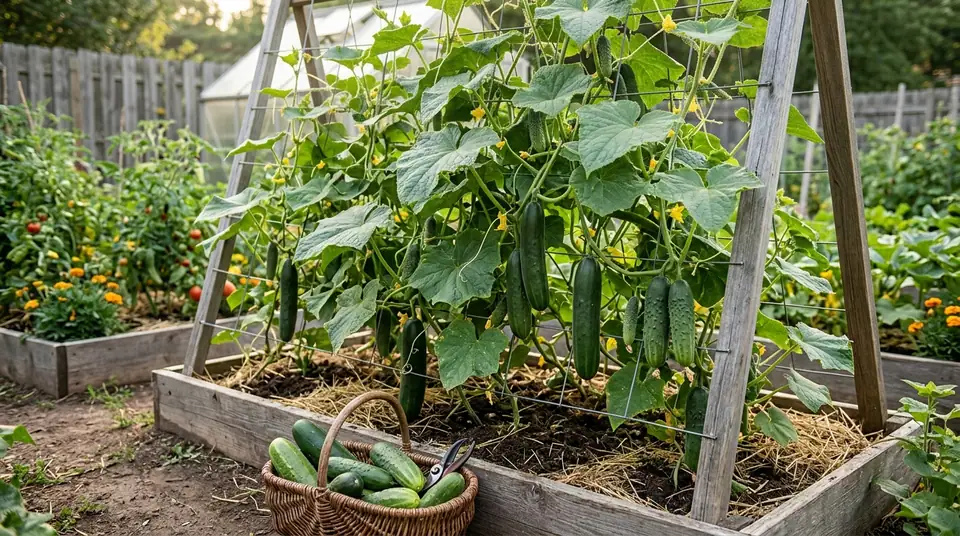
- Installing Vertical Support: Erect sturdy trellises, cattle panels, or netting at planting time. Vertical growing increases airflow, prevents soil-borne fungal pathogens, and yields straighter, unblemished fruit.
- Mulching for Moisture Retention: Apply a 2-inch (5-cm) layer of clean straw, shredded leaves, or untreated grass clippings around the base of the plants once they reach 6 inches (15 cm) tall to suppress weeds and retain soil moisture.
- Targeted Feeding: Apply a low-nitrogen, high-potassium organic fertilizer (such as a 5-10-10 blend) when the first female blossoms appear. High nitrogen at this stage encourages lush, vegetative vine growth at the expense of fruit production.
- Harvesting Protocol: Harvest slicing varieties when they reach 6 to 8 inches (15 to 20 cm) long, and pickling types at 3 to 4 inches (7.5 to 10 cm). Use sharp pruners or scissors rather than pulling, as twisting vines can snap the main stem and kill the plant.
⚠️ Important Caution: Never handle or harvest your cucumber vines when the leaves are wet from morning dew or overhead irrigation. Wet foliage easily spreads fungal spores, particularly powdery mildew and downy mildew, throughout your entire crop in a matter of days.
To ensure your landscape remains functional and aesthetically balanced while planning your kitchen garden, you might also want to review options like our 15 Best Trees for Driveways That Won't Crack Concrete when designing your overall property layout.
4. Common Problems, Pests & Troubleshooting
Even when choosing the best cucumber varieties, you will inevitably encounter environmental and biological stressors.
Blossom Drop and Poor Fruit Set
If your vines are flowering profusely but dropping their blossoms without setting fruit, you are likely experiencing a pollination failure or extreme heat stress. Temperatures sustained above 90°F (32.2°C) render pollen sterile. Hand-pollinate using a soft artist's paintbrush to transfer pollen from male to female flowers, or construct temporary shade cloth netting providing 30% shade during peak afternoon hours.
Powdery Mildew and Downy Mildew
Powdery mildew appears as white, talcum-powder-like spots on upper leaf surfaces, while downy mildew forms angular yellow patches bounded by leaf veins. Prevent these fungal issues by spacing plants at least 12 to 18 inches (30 to 45 cm) apart to maximize air circulation. Treat early infections with a bi-weekly spray of potassium bicarbonate or copper fungicide.
Cucumber Beetles and Bacterial Wilt
Striped and spotted cucumber beetles are more than a nuisance; they vector Erwinia tracheiphila, the bacterium responsible for fatal bacterial wilt. Protect young seedlings immediately with floating row covers until flowering begins. Once blossoms open, use neem oil sprays applied strictly at dusk to avoid harming foraging honeybees.
5. Frequently Asked Questions
What are the best cucumber varieties for containers and small spaces?
Bush-type varieties such as 'Spacemaster' and 'Bush Champion' are specifically bred for compact growth habits, producing full-sized slicing cucumbers on vines that rarely exceed 2 to 3 feet (60 to 90 cm) in length. Plant them in containers holding a minimum of 5 gallons (19 liters) of potting mix per plant to accommodate their root systems.
Which cucumber varieties are truly burpless?
Burpless varieties like 'English Telegraph', 'Armenian', and 'Suyo Long' contain lower levels of cucurbitacin, the compound responsible for digestive discomfort and bitter flavors. These varieties also possess thin skins that do not require peeling, making them exceptionally easy to digest.
How do I stop my cucumbers from tasting bitter?
Bitterness is almost always triggered by environmental stress—specifically, irregular watering schedules or prolonged heat waves. Maintain a strict, even soil moisture level by using drip irrigation and organic mulch, and harvest fruits promptly before they over-ripen on the vine.
Can I grow slicing cucumbers and pickling cucumbers together?
Yes, slicing and pickling varieties share identical cultural requirements regarding temperature, soil, and sunlight. However, ensure you harvest them at the correct stage: pickling types must be harvested small (under 4 inches or 10 cm) to maintain crisp cell walls, whereas slicing types require extra days on the vine to reach their mature size and crispness.
Related Guides
- The Complete Guide to Coleus Plants: 50+ Varieties, Care, Propagation & Landscaping
- Why your Cucumber Leaves Are Turning Yellow and How to Fix Them
- When to Repot Cucumber Seedlings
📋 Table of Contents ▼ Click to expand
Tags:
🌿 Related Plants You Might Like






PlantSavvyWorld
Editorial team
PlantSavvyWorld is an independent botanical education project. Articles are drafted with AI assistance, then edited and checked against university extension services, botanical garden collections and other published horticultural sources.