

What Zone is Washington Dc for Planting
Written with AI assistance, edited and checked against horticultural sources.
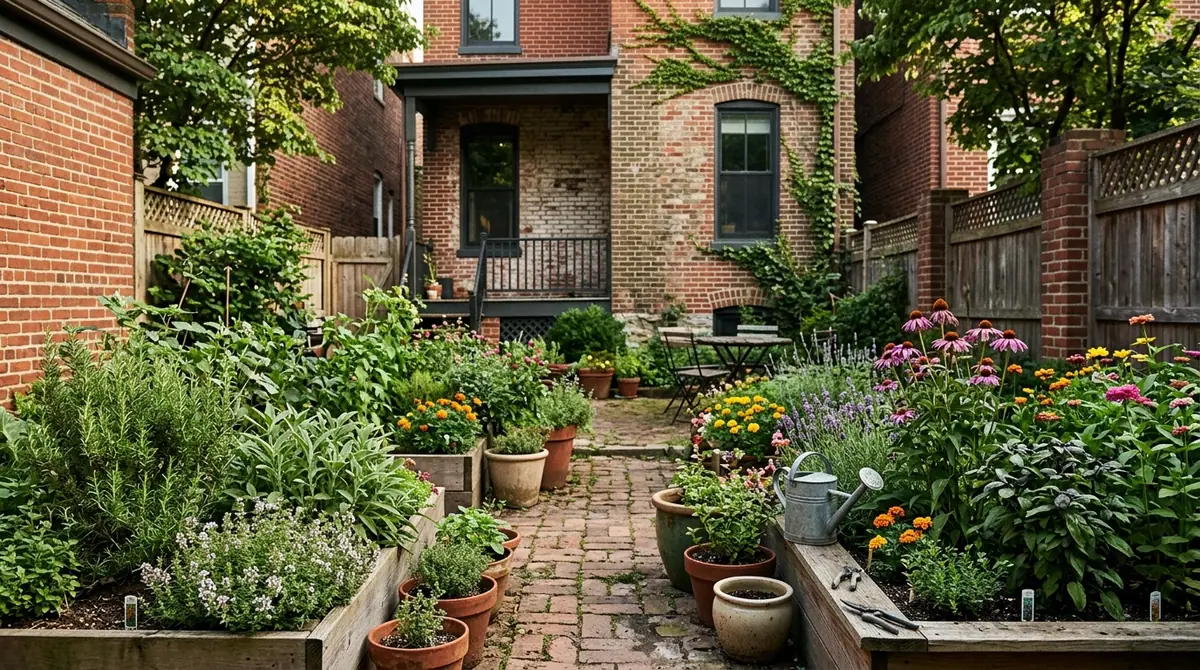
I stood in the middle of the National Arboretum on a biting mid-November morning five years ago, shivering beside a gardener who had just lost three mature Japanese maples. She had planted them based on a generic catalog listing for the Mid-Atlantic, failing to account for the ferocious urban heat island and the dramatic microclimates created by the Potomac and Anacostia rivers. That day cemented a truth I preach to every gardener who walks into my landscape design studio: understanding Washington DC's planting zone is not just about memorizing a number; it is about respecting the complex interplay of river moisture, masonry heat retention, and shifting winter extremes.
1. Botanical Overview & Natural Habitat

However, looking at the region strictly through the lens of hardiness zones misses the ecological reality. DC sits at the fall line, where the Piedmont plateau meets the Atlantic Coastal Plain. Historically, our native habitat is an oak-hickory-pine forest interspersed with rich alluvial floodplains. The native flora—from the towering Liriodendron tulipifera (tulip poplar) down to the delicate spring ephemerals like Claytonia virginica (spring beauty)—evolved to handle hot, humid summers where temperatures regularly exceed 90°F (32.2°C), paired with moderate winters featuring fluctuating freeze-thaw cycles.
In my landscape designs, I treat DC not as a monolith, but as a patchwork of distinct microclimates. The downtown urban core—surrounded by asphalt, concrete, and brick row houses—functions securely within USDA Zone 8a, often staying 3°F to 5°F warmer than the outlying neighborhoods in upper Northwest or across the border in Maryland and Virginia. Conversely, low-lying areas near Rock Creek Park or the riverbanks can experience cold air pooling, occasionally behaving more like Zone 7a during polar vortex events. Understanding this botanical context allows us to select specimens that will not merely survive, but thrive across the District's demanding seasonal shifts.
2. Essential Environmental & Care Requirements
To cultivate a resilient garden in DC's climate, you must design for extremes. Our summers are defined by oppressive humidity and baking sun, while our winters bring wet, heavy soils that freeze and thaw with frustrating unpredictability.
Soil composition across the District is notoriously variable. Much of the urban core rests on heavy, compacted clay or disturbed fill dirt, while areas closer to waterways feature sandy loam. For most ornamental and edible plantings, amending your soil to achieve a loamy texture with a neutral pH between 6.0 and 7.0 is non-negotiable.
Water management is your primary daily task from June through September. DC averages around 40 inches (101.6 cm) of rainfall annually, but it is rarely distributed evenly. We experience torrential summer thunderstorms followed by weeks of drought. Irrigation must be deep and infrequent rather than shallow and daily to encourage deep root establishment.
| Parameter | Optimal Condition | Common Mistake | Why It Matters |
|---|---|---|---|
| Soil pH | 6.0 to 7.0 | Ignoring soil tests and planting in raw, compacted urban clay | Incorrect pH locks out essential micronutrients like iron and phosphorus. |
| Watering Depth | 1 to 1.5 inches (2.5 to 3.8 cm) per week via rain or irrigation | Frequent, shallow sprinkling that wets only the topsoil | Deep watering trains roots to grow downward, surviving summer dry spells. |
| Sun Exposure | 6 to 8 hours of direct morning sun | Planting full-sun species in heavy afternoon shade or baking them against south-facing brick | Inadequate light reduces flowering; intense reflected heat scorches foliage. |
| Mulch Layer | 2 to 3 inches (5.0 to 7.6 cm) of shredded hardwood | Piling mulch directly against plant stems (volcano mulching) | Proper mulching regulates soil temperature and moisture; piling causes rot. |
💡 Pro-Tip: When designing raised beds or foundation plantings in DC's Zone 7b/8a, take advantage of thermal mass. Planting heat-tolerant perennials like Echinacea purpurea or ornamental grasses within 24 inches (61 cm) of brick or stone foundation walls capitalizes on radiant heat, effectively pushing your microclimate half a zone warmer in the winter.
3. Step-by-Step Cultivation, Feeding & Propagation
Establishing a new garden bed in the Mid-Atlantic requires disciplined timing. Follow this proven protocol to set your plants up for success.
- Site Assessment and Soil Testing: Clear the area of debris and submit a core soil sample (taken from a depth of 6 inches / 15 cm) to a local testing facility like the University of Maryland Extension Home and Garden Information Center to determine exact nutrient deficiencies and pH adjustments.
- Bed Preparation: Till or broadfork the soil only if severely compacted, then incorporate a 3-inch (7.6 cm) layer of well-rotted leaf mold or compost, working it into the top 8 inches (20 cm) of earth.
- Planting Timing: Schedule perennial and woody plant installations for early autumn (mid-September through October) or early spring (late March through April). Fall planting in DC allows roots to establish in warm soil while top growth is dormant.
- Digging the Hole: Dig a hole twice as wide as the nursery container, but keep the depth equal to the root ball. The root flare must sit 1 inch (2.5 cm) above the surrounding soil grade to prevent crown rot during wet winter months.
- Initial Watering and Settling: Fill the planting hole halfway with native soil, tamp gently to remove air pockets, water thoroughly to settle the soil, then fill the remainder and water again.
- Mulching and Finishing: Apply a 2-inch (5.0 cm) layer of shredded hardwood mulch across the bed, maintaining a 2-inch (5.0 cm) clearance ring around the stems of all woody plants.
- Fertilization Protocol: Apply a balanced, slow-release organic fertilizer (such as a 5-10-5 formulation) in early spring as new growth emerges. Avoid fertilizing after August 1st, as late stimulation invites tender frost-vulnerable growth.
⚠️ Important Caution: Never work or amend DC clay soil when it is soaking wet after a heavy spring rain. Tilling or heavy walking on wet clay destroys its granular structure, turning it into concrete-like clods that stunt root development for seasons to come.
4. Common Problems, Pests & Troubleshooting
Gardening in Washington DC presents a specific suite of biological challenges. High summer humidity creates a breeding ground for fungal pathogens, while our urban wildlife puts every tender shoot at risk.
Fungal issues such as powdery mildew (Erysiphe spp.) and black spot (Diplocarpon rosae) run rampant from June through August, particularly on native dogwoods (Cornus florida) and hybrid roses. To combat this, ensure your planting layout maximizes air circulation by spacing shrubs at least 4 feet (1.2 meters) apart. Water only at the base of plants using drip irrigation rather than overhead sprinklers, and prune out crowded interior branches annually.
Pest pressures require vigilance. The brown marmorated stink bug and Japanese beetle are regional plagues that defoliate vegetable crops and ornamentals alike. Hand-picking beetles into soapy water at dawn when they are sluggish is often more effective than broad-spectrum insecticides, which kill beneficial predatory insects. Furthermore, white-tailed deer have adapted remarkably well to DC's suburban fringes and parks; use physical barriers like 8-foot (2.4-meter) fencing or reliable repellents containing putrescent egg solids for vulnerable hostas and arborvitaes.

5. Frequently Asked Questions
What exact planting zone is Washington DC?
Washington DC primarily spans USDA Hardiness Zones 7b and 8a. Urban areas and heat-trapping microclimates fall securely into Zone 8a (minimum temperatures of 10°F to 15°F / -12.2°C to -9.4°C), while cooler suburban pockets or lower elevations lean toward Zone 7b (5°F to 10°F / -15°C to -12.2°C).
When should I plant tomatoes outside in Washington DC?
You should transplant tomatoes outdoors after all danger of frost has passed, which typically occurs between April 20th and May 5th in the DC area. Soil temperatures should consistently reach 60°F (15.6°C) at a 4-inch (10-cm) depth before setting out warm-season crops.
Can I grow tropical plants outdoors in DC year-round?
Most true tropicals cannot survive DC winters outdoors because freezing temperatures will rupture their cell walls. However, you can successfully grow them outside from late May through September, then overwinter them indoors as houseplants or store dormant tubers (like elephant ears and canna lilies) in a cool, dry basement once foliage dies back.
What are the best trees for small urban yards in DC?
For compact DC row-house yards, choose ornamental trees that tolerate urban pollution and restricted root spaces. Excellent choices include the native Serviceberry (Amelanchier canadensis), Eastern Redbud (Cercis canadensis), and Paperbark Maple (Acer griseum), all of which stay under 30 feet (9 meters) at maturity.
Related Guides
- When to Plant Zucchini in Washington State
- When to Plant Strawberries in Washington State
- What Hardiness Zone is Sacramento
- What Planting Zone is Sacramento Ca
- What Zone is Columbus Ohio
📋 Table of Contents ▼ Click to expand
Tags:
Keep reading
🌿 Related Plants You Might Like



PlantSavvyWorld
Editorial team
PlantSavvyWorld is an independent botanical education project. Articles are drafted with AI assistance, then edited and checked against university extension services, botanical garden collections and other published horticultural sources.