

What Zone is Virginia for Plants
Written with AI assistance, edited and checked against horticultural sources.
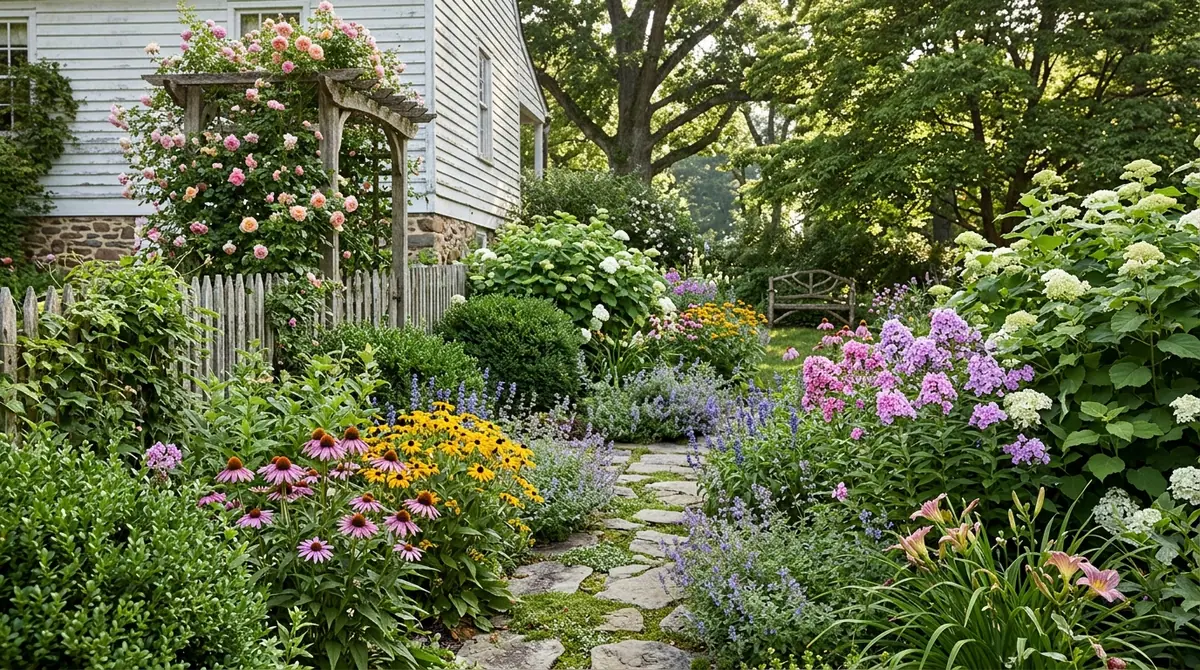
English lavender suffers from root rot in the late-season humidity of the Mid-Atlantic, while heirloom tomatoes twenty feet away continue dropping heavy yields. Virginia is not a single gardening climate; it is a complex mosaic of microclimates spanning USDA Hardiness Zones 5a through 8b.

1. Botanical Overview & Natural Habitat
Virginia’s diverse topography creates distinct botanical regions that dictate plant survival, root development, and seasonal performance. The state is divided into five primary physiographic provinces: the Appalachian Plateau, the Ridge and Valley, the Blue Ridge, the Piedmont, and the Coastal Plain. Each province alters the local plant hardiness zone, shifting temperatures and altering soil compositions dramatically over short geographic distances.
The USDA Plant Hardiness Zone map, updated using winter low temperatures averaged over a 30-year period, places Virginia broadly across Zones 6 through 8, with small pockets of Zone 5 in the highest elevations of Highland County.
- Zone 5 (e.g., Monterey): Minimum average winter temperatures of -20°F to -10°F (-29°C to -23°C).
- Zone 6 (e.g., Blacksburg, Winchester): Minimum winter lows between -10°F and 0°F (-23°C to -18°C).
- Zone 7 (e.g., Richmond, Roanoke, Fredericksburg): Minimum winter lows from 0°F to 10°F (-18°C to -12°C).
- Zone 8 (e.g., Norfolk, Virginia Beach, parts of the Eastern Shore): Minimum winter lows between 10°F and 20°F (-12°C to -6°C).
Native species here have evolved to handle this transition. In the western mountains, you will find understory plants like Eastern Hemlock (Tsuga canadensis) and Mountain Laurel (Kalmia latifolia) thriving in acidic, rocky soils with heavy winter snow cover. Moving east into the Piedmont, the native clay transitions to rolling red loam, home to American Beech (Fagus grandifolia) and Flowering Dogwood (Cornus florida). In the sandy, high-humidity Coastal Plain, Loblolly Pines (Pinus taeda) and Wax Myrtles (Morella cerifera) dominate, adapted to salt-laden air and saturated water tables.
Understanding your hyper-local zone requires looking beyond zip codes. Urban heat islands in cities like Richmond or Arlington can push a backyard into a warmer half-zone (e.g., bumping a 7b yard into a micro-8a), while frost pockets in low-lying valleys can trap cold air and drop temperatures 5°F (-15°C) lower than surrounding hillsides. For a deep dive into official regional mapping, consult the USDA Plant Hardiness Zone Map.
2. Essential Environmental & Care Requirements
Growing successfully in Virginia demands a keen awareness of moisture, soil structure, and seasonal heat stress. The state averages 40 to 48 inches (101 to 122 cm) of rainfall annually, but this precipitation is rarely distributed evenly. Summer droughts frequently stress plants just as high humidity triggers fungal pathogens.
| Parameter | Optimal Condition | Common Mistake | Why It Matters |
|---|---|---|---|
| Soil pH | 6.0 to 6.8 for general beds; 4.5 to 5.5 for ericaceous plants | Neglecting to test; assuming all Virginia soil is acidic clay | Incorrect pH locks out vital micronutrients like iron and phosphorus, leading to chlorosis and stunted growth. |
| Moisture / Irrigation | 1 inch (2.5 cm) of water per week via rain or deep-soaking irrigation | Frequent, shallow sprinkling that encourages surface rooting | Deep watering forces roots downward 8 to 12 inches (20 to 30 cm), increasing drought tolerance during July dry spells. |
| Sun Exposure | 6–8 hours of direct morning sun with afternoon relief in Zones 7b–8b | Planting cool-season crops in blazing afternoon western exposures | Intense mid-summer solar radiation scorches foliage and causes premature bolting in brassicas and greens. |
| Mulching Depth | 2 to 3 inches (5 to 7.5 cm) of organic shredded bark | Piling mulch 6+ inches deep or creating "volcano mulch" against tree trunks | Excessive mulch suffocates root flares, traps excess moisture, and invites collar rot and rodent nesting. |
When designing landscapes or food gardens in this climate, soil amendment is non-negotiable. Piedmont clay holds moisture well but compacts into brick-like density when dry, suffocating fine root hairs. Coastal sands drain too quickly, leaching nitrogen and potassium before plants can uptake them. Incorporating 3 inches (7.5 cm) of well-rotted compost annually into the top 6 inches (15 cm) of soil builds the microbial life necessary to buffer these extremes.
To maximize your vegetable yields in Virginia's fluctuating climate, proper crop management is critical. For instance, managing soil temperature and nutrient uptake is just as important for heavy feeders as it is for ornamentals; read our guide on How to Grow Huge Tomato Plants: Pruning, Trenching & Heavy Yields to see how regional microclimates affect root depth and fruit set.
💡 Pro-Tip: Never rely solely on your USDA hardiness zone when buying perennials. Pay equal attention to the American Horticultural Society (AHS) Heat Zone map, which measures the number of days a region exceeds 86°F (30°C). Much of Virginia experiences 60 to 90+ days of high heat, which can cause cool-loving perennials like delphiniums and lupines to collapse even if winter temperatures are mild enough to keep them alive.
3. Step-by-Step Cultivation, Feeding & Propagation
Establishing a resilient garden in Virginia requires timing your interventions with the state's distinct spring thaw and autumn cooling periods. Whether you are planting a perennial border or establishing a diverse vegetable plot, follow this tested cultivation protocol.
- Perform a Comprehensive Soil Test: Collect 10 to 15 core samples from your garden beds at a depth of 6 inches (15 cm). Send them to the Virginia Tech Soil Testing Laboratory to determine exact pH and nutrient deficits before adding amendments.
- Clear and Amend the Bed: Strip existing turf or weeds. Spread a 3-inch (7.5 cm) layer of compost and any recommended lime or sulfur across the surface. Broadfork or spade the soil to a depth of 8 to 10 inches (20 to 25 cm), taking care not to invert the soil layers if you practice no-till gardening.
- Determine Your Safe Planting Windows: In Zone 7 Virginia, target the average last spring frost date between April 10 and April 25, and the first fall frost date between October 15 and November 5. Start warm-season seeds indoors 6 to 8 weeks prior to your local spring frost date.
- Dig Proper Planting Holes: Dig holes twice as wide as the root ball but no deeper than the root flare. For container-grown plants, gently score the outer 0.5 inches (1.3 cm) of root mass with a knife to prevent circling roots.
- Install and Water in Deeply: Place the plant so the root crown sits 0.5 inches (1.3 cm) above the surrounding grade. Build a small soil berm 2 inches (5 cm) high around the outer edge of the planting hole to act as a water basin. Deliver 1 gallon (3.8 L) of water immediately to settle soil particles around the roots.
- Apply Protective Mulch: Spread a 2-inch (5 cm) layer of shredded hardwood mulch across the bed, maintaining a 2-inch (5 cm) clearance zone completely free of mulch around all woody stems and trunks.
- Establish a Feeding Schedule: Feed heavy-feeder ornamentals and edibles with a balanced, slow-release organic fertilizer (such as a 4-3-4 blend) in early spring as new growth emerges, followed by a lighter side-dressing of compost in mid-summer.
When planning your vegetable layouts alongside these beds, remember to space companion plants strategically to deter pests native to the Mid-Atlantic. You can explore effective pairing strategies in our Sweet Potato Companion Plants: 8 Best Garden Friends & 3 Foes to Avoid guide, which highlights how certain ground covers protect soil moisture during scorching Virginia Julys.
4. Common Problems, Pests & Troubleshooting
Virginia's high summer humidity (often exceeding 80% relative humidity from June through August) creates a playground for fungal pathogens and sap-sucking insects. Recognizing these symptoms early saves plants from irreversible decline.
Powdery Mildew (Erysiphe and Podosphaera species)
- Symptoms: White, talcum-powder-like spots appearing on the upper and lower surfaces of leaves, particularly on bee balm, phlox, squash, and crape myrtles.
- Cause: Warm days, cool nights, high relative humidity, and poor air circulation.
- Solution: Prune surrounding vegetation to improve airflow. Apply a preventive bio-fungicide containing Bacillus subtilis or potassium bicarbonate every 7 to 14 days during high-risk humid spells. Avoid overhead watering late in the day.
Japanese Beetles (Popillia japonica)
- Symptoms: Skeletonized leaves where only the tough leaf veins remain, coupled with rapid defoliation of roses, hibiscus, linden trees, and fruit crops from June to August.
- Cause: Adult beetles emerging from turfgrass soils where grubs overwintered.
- Solution: Hand-pick beetles early in the morning when they are sluggish and drop them into a bucket of soapy water. Avoid using commercial pheromone traps, as they release chemical scents that draw more beetles into your yard from surrounding properties.
⚠️ Important Caution: Never use broad-spectrum systemic insecticides (such as neonicotinoids) on flowering plants in Virginia landscapes. These chemicals translocate into pollen and nectar, posing a severe, documented threat to native pollinators, honeybees, and beneficial predatory wasps that naturally control garden pests.
Root Rot (Phytophthora and Pythium species)
- Symptoms: Sudden wilting despite adequate soil moisture, yellowing foliage, stunted growth, and dark, mushy, foul-smelling roots.
- Cause: Poorly draining clay soils combined with excessive irrigation or heavy, prolonged spring rains.
- Solution: Improve sub-surface drainage by amending beds with coarse organic matter and creating raised planting beds. If a plant is infected, remove it entirely along with the surrounding soil; do not compost diseased root tissue.

5. Frequently Asked Questions
What exact planting zone is Richmond, Virginia?
Richmond, Virginia spans USDA Hardiness Zone 7b, with minimum winter low temperatures averaging between 5°F and 10°F (-15°C to -12°C). However, densely built urban sectors within the city frequently experience microclimates that lean into a mild Zone 8a.
When should I plant vegetable seeds outside in Virginia?
Cool-season crops like spinach, kale, peas, and lettuce can be sown directly outdoors as soon as the soil can be worked, typically from mid-March to early April in Central Virginia. Warm-season crops—such as tomatoes, peppers, and squash—must wait until all danger of spring frost has passed, usually between mid-April and early May depending on whether you are in the mountains or the coastal plain.
Can I grow tropical plants outdoors year-round in Virginia?
Most tropical plants (such as citrus, true palms, and tender bananas) will not survive Virginia winters unprotected, as freezing temperatures will rupture their cell walls. However, you can successfully grow them outdoors from May through September, moving them indoors or into a greenhouse before the first autumn frost drops temperatures below 40°F (4°C). For indoor overwintering tips regarding sensitive seasonal specimens, see our Holiday Plants Care Guide: How to Force Poinsettias to Rebloom & Holiday Cacti ID.
Why do my hydrangeas turn pink in some parts of Virginia and blue in others?
Hydrangea macrophylla flower color is determined entirely by soil pH and aluminum availability, not the plant variety. In the acidic soils found naturally in many Virginia mountain and woodland regions (pH below 6.0), aluminum is readily available, turning blooms a striking blue. In the alkaline or heavily limed clay soils common in parts of the Piedmont and urban residential developments (pH above 6.5), aluminum is locked up, resulting in pink or purple flowers.
Related Guides
- What Planting Zone is Virginia in
- What Zone is West Virginia for Planting
- What Zone is Virginia for Planting
- When Do You Plant Potatoes in Virginia
- What Hardiness Zone is Sacramento
📋 Table of Contents ▼ Click to expand
Tags:
Keep reading
🌿 Related Plants You Might Like






PlantSavvyWorld
Editorial team
PlantSavvyWorld is an independent botanical education project. Articles are drafted with AI assistance, then edited and checked against university extension services, botanical garden collections and other published horticultural sources.