

Vegetables for Ontario
Written with AI assistance, edited and checked against horticultural sources.
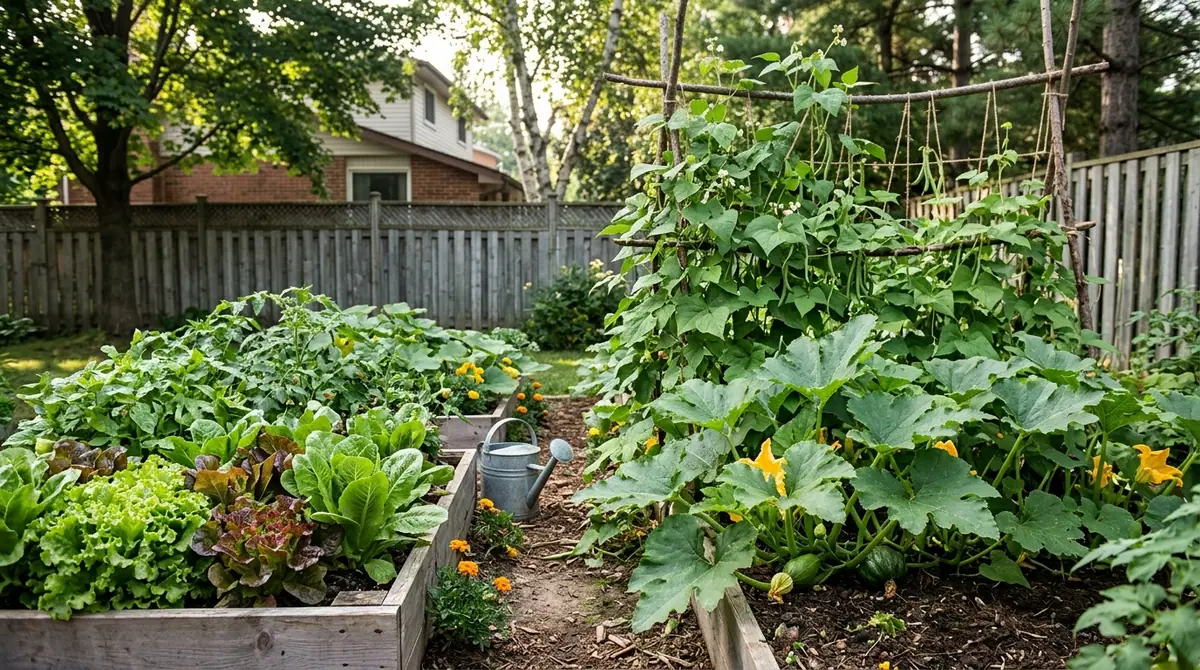
A sudden late frost dropping the ambient temperature to 28°F (-2.2°C) just three days after bell peppers go into the soil can destroy thriving starts. Ontario's climate is a masterclass in extremes. From the humid, moderated lake-effect zones of Southwestern Ontario (USDA Zone 6b to 7a) to the unforgiving, short-season frost pockets of the Canadian Shield (Zone 3a), growing vegetables here requires absolute precision, botanical insight, and unflinching timing.

1. Botanical Overview & Natural Habitat
To successfully cultivate vegetables in Ontario, we must first understand their evolutionary origins and how they map onto our Canadian growing conditions. Most of our dietary staples are domesticated variants of wild ancestors from the Mediterranean, Mesoamerica, or temperate Eurasia.
Take Solanum lycopersicum (the tomato), a perennial vine native to the high-altitude Andes and the coastal regions of western South America. In its natural habitat, it experiences consistent warmth, intense UV radiation, and dry heat. In Ontario, we treat it as an annual, forcing it to complete its vegetative and reproductive cycles within a compressed 90-to-120-day window. When we select cultivars, we are looking for genetic traits that can handle our cooler night temperatures—typically below 55°F (13°C)—which can cause blossom drop and poor pollination in heirloom varieties.
Root crops such as Daucus carota (carrots) and Beta vulgaris (beets) hail from temperate coastal and inland Eurasian zones. They thrive in Ontario because our spring soils remain cool and damp, satisfying the vernalization and moisture triggers required for rapid taproot development. However, our native soils are often glacial till, meaning they are frequently choked with heavy clay or compacted silt. If a carrot encounters a dense layer of Ontario clay at a depth of 2 inches (5 cm), its lateral roots explode outward, resulting in the forked, hairy distortions that frustrate so many backyard growers.
Leafy greens like Lactuca sativa (lettuce) and Spinacia oleracea (spinach) are evolutionary champions of our spring and fall shoulders. Originating in the Mediterranean and Western Asia, they initiate bolting (premature flowering and bitter leaf production) when exposed to day lengths exceeding 14 hours and sustained temperatures surpassing 75°F (24°C). Ontario’s long, intensely sunny June days act as a biological trigger for these crops, forcing us to carefully time our succession plantings.
2. Essential Environmental & Care Requirements
Every vegetable species has a strict set of physiological thresholds. Meeting these parameters dictates whether your garden thrives or stalls.
| Parameter | Optimal Condition | Common Mistake | Why It Matters |
|---|---|---|---|
| Soil pH | 6.0 to 6.8 (Slightly Acidic) | Ignoring native acidic pine-belt soils or alkaline limestone zones | Controls nutrient solubility; outside this range, phosphorus and micronutrients lock up. |
| Sunlight | 6 to 8 hours of direct, unfiltered sun | Planting sun-lovers like Solanaceae under the canopy of mature maples | Insufficient solar radiation reduces photosynthetic rates, stunting fruit set and favoring fungal pathogens. |
| Moisture | 1 inch (2.5 cm) of water per week via rain or irrigation | Frequent, shallow surface watering | Encourages shallow root architecture, making plants vulnerable to mid-summer droughts. |
| Temperature | Soil temp 60°F–75°F (15°C–24°C) for warm-season crops | Planting tender crops during the first warm spell in April | Cold soil arrests root uptake, causing nutrient deficiencies and susceptibility to soil-borne rots. |
To understand regional nuances across the province, consult the comprehensive climate data provided by the Ontario Ministry of Agriculture, Food and Agribusiness. Their maps outline exact frost dates and growing degree days, which are crucial for scheduling your direct-sow and transplant timelines.
💡 Pro-Tip: Never rely solely on air temperature when deciding to plant. Use a digital soil thermometer pushed 4 inches (10 cm) into the ground. Direct-seeded crops like beans and corn will rot in soils below 55°F (13°C), regardless of how warm the afternoon sun feels on your face.
3. Step-by-Step Cultivation, Feeding & Propagation
Growing vegetables in Ontario requires strict adherence to a seasonal timeline. Follow this proven sequence to maximize your harvest window.
- Site Selection and Soil Testing: In early April, clear debris from your beds and take core soil samples from a depth of 6 inches (15 cm). Send them to an agricultural lab or use a reliable home test kit to assess your baseline nitrogen, phosphorus, potassium, and pH levels.
- Bed Preparation and Amendment: Once the soil has dried sufficiently that it no longer sticks to your boots or forms a wet, compacted ball when squeezed, incorporate 2 to 3 inches (5 to 7.5 cm) of well-aged organic compost. For heavy clay soils found widely across Southern Ontario, mix in coarse horticultural sand and aged leaf mold to permanently alter the aggregate structure and improve pore space.
- Indoor Seed Starting: For long-season crops like tomatoes, peppers, and eggplants, initiate seeds indoors under high-output grow lights 6 to 8 weeks before your region's average last frost date (typically mid-May for Zone 5b, early June for Zone 4a). Maintain an indoor ambient temperature of 70°F to 75°F (21°C to 24°C) using propagation heating mats.
- Hardening Off: Starting two weeks prior to your intended transplant date, introduce your indoor-started seedlings to the elements. Begin with 1 hour of filtered morning light in a protected, windless spot, increasing exposure by 1 hour daily while gradually exposing them to full sun and cooler night temperatures.
- Transplanting Out: Plant your cool-season crops (kale, broccoli, Swiss chard) out in late April to early May. Wait until all danger of frost has passed—usually late May to early June in most populated Ontario zones—before setting out warm-season crops. Dig a hole twice as wide as the root ball, gently tease apart bound roots, and bury tomato stems up to their first set of true leaves to encourage adventitious root formation.
- Mulching and Irrigation: Apply a 2-inch (5 cm) layer of clean straw, untreated grass clippings, or shredded bark around your plants, leaving a 1-inch (2.5 cm) clearance around stems to prevent collar rot. Install drip irrigation or soaker hoses beneath the mulch to deliver deep, targeted moisture directly to the root zone while keeping foliage dry.
- Mid-Season Feeding and Maintenance: Side-dress heavy feeders—such as squash, brassicas, and indeterminate tomatoes—with organic granular balanced fertilizers or liquid kelp emulsion every 3 to 4 weeks throughout July and August. Prune tomato suckers regularly to improve air circulation and direct plant energy toward fruit maturation before the September temperature drop.
⚠️ Important Caution: Avoid using uncomposted horse or livestock manure sourced from farms that utilize persistent aminopyralid herbicides on their hay fields. These synthetic plant growth regulators survive the animal digestive tract and composting process, remaining chemically active in the soil for years and causing catastrophic, irreversible leaf cupping and death in nightshades and legumes.
4. Common Problems, Pests & Troubleshooting
Ontario's variable summers—marked by high humidity, sudden torrential downpours, and stagnant dry spells—create ideal conditions for specific physiological disorders and insect pressures.
- Blossom End Rot (BER): You notice dark, sunken, leathery patches on the bottom of your ripening tomatoes and peppers. This is not a pathogen, but a calcium uptake failure caused by erratic soil moisture fluctuations. When the plant dries out completely and is then heavily watered, calcium cannot move fast enough through the transpiration stream to support rapidly expanding fruit cells. Correction: Maintain even soil moisture using consistent drip irrigation and mulch deeply. Avoid high-nitrogen fertilizers, which push excessive vegetative growth and outpace calcium transport.
- Imported Cabbageworm (Pieris rapae): Small, velvety green caterpillars chew ragged, devastating holes through the leaves of your kale, cabbage, and broccoli, leaving behind dark green frass. Correction: Handpick larvae daily, install floating row covers immediately after planting to block egg-laying white butterflies, and apply Bacillus thuringiensis (Bt kurstaki) directly to leaf surfaces in the evening.
- Early Blight (Alternaria solani): Lower tomato leaves develop concentric brown spots with distinct yellow halos, slowly progressing upward and defoliating the plant by late August. Correction: Prune off all infected lower leaves to a height of 18 inches (45 cm) from the soil line to prevent rain-splash spore transmission. Space plants at least 30 inches (75 cm) apart to maximize airflow, and always water at the base of the plant rather than overhead.

5. Frequently Asked Questions
When is the exact right time to plant tomatoes outdoors in Ontario?
You should transplant tomatoes outdoors only after all risk of frost has passed and night-time temperatures consistently remain above 50°F (10°C). For the Toronto and Ottawa regions, this typically falls between May 24th and the first week of June. If you plant earlier, use low tunnels or cloches to protect them from sudden late-spring cold snaps.
How do I stop my garlic from turning yellow in spring in Ontario?
Yellowing garlic leaves in May are usually caused by nitrogen leaching due to heavy spring rains, or minor damage from the allium leaf miner. Side-dress your garlic beds with a high-nitrogen organic amendment such as blood meal or alfalfa meal at a rate of 1 pound per 100 square feet (450 g per 9 square meters), and water it in thoroughly. Ensure your soil is draining well, as waterlogged roots cannot take up nutrients effectively.
Can I grow root vegetables like carrots and potatoes in Ontario clay soil?
Yes, but you must modify your approach. For carrots, avoid heavy unamended clay, which causes forking. Instead, build raised beds at least 8 to 12 inches (20 to 30 cm) deep and fill them with a loose mix of topsoil, compost, and coarse sand. For potatoes, plant seed tubers in trenches amended with plenty of organic matter, and hill soil or straw around the stems as they grow to prevent tubers from turning green upon sun exposure.
What are the best cold-hardy vegetables to grow for an early spring harvest in Ontario?
The most reliable cold-hardy crops include spinach, kale, Swiss chard, radishes, peas, and head lettuce. These vegetables can withstand temperatures dropping to 25°F (-4°C) without damage. You can direct-sow these seeds as soon as the soil can be worked in early to mid-April, well before the frost-free date, allowing you to harvest fresh greens weeks before anyone else's garden is established.
Related Guides
- Homegrown Vegetables That Save the Most Money
- When to Plant Vegetables in Minnesota
- Scary Vegetables for Halloween
- Best Vegetables to Grow in Apartment Balcony Gardens
- Best Vegetables for British Columbia
📋 Table of Contents ▼ Click to expand
Tags:
Keep reading
🌿 Related Plants You Might Like


PlantSavvyWorld
Editorial team
PlantSavvyWorld is an independent botanical education project. Articles are drafted with AI assistance, then edited and checked against university extension services, botanical garden collections and other published horticultural sources.