

How to Stop a Dog from Digging Up Plants
Written with AI assistance, edited and checked against horticultural sources.
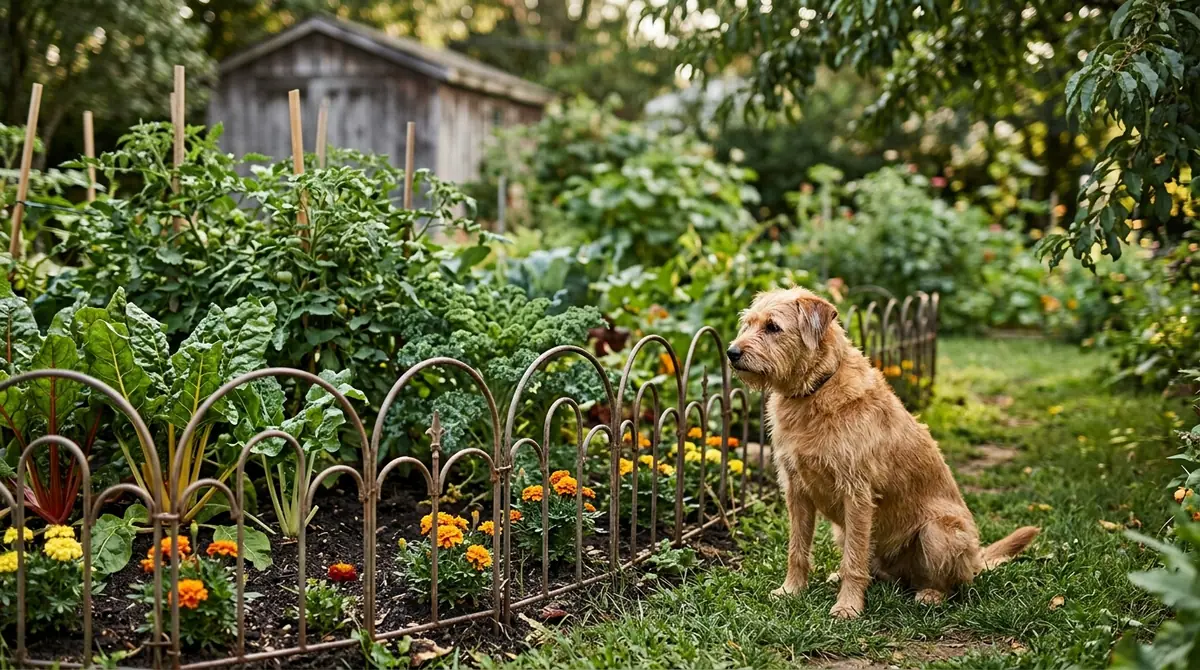
I stood on the back patio holding a garden trowel, staring down at what used to be a pristine bed of Echinacea purpurea when a muddy snout poked out from behind the shed. My rescue terrier-mix, Buster, had just excavated four weeks of meticulous perennial establishment in under ninety seconds. If you are reading this, you likely share my exact frustration: the eternal war between a pristine landscape and a canine companion who views your prized root systems as an invitation to unearth buried treasures. I have learned that stopping this behavior requires looking past mere discipline and understanding the botanical cues, soil moisture levels, and scent profiles that trigger a dog's instinctual digging. Let us dive into the science and practical design principles required to protect your garden beds once and for all.
1. Botanical Overview & Natural Habitat

From a botanical perspective, plants with high root-mass density or those mulched with animal-derived amendments (such as blood meal or bone meal) act as prime attractants. When you amend soil with organic fertilizers, you inadvertently create a sensory beacon. Furthermore, soil temperatures that stay 5°F to 10°F (-15°C to -12°C) cooler beneath heavy mulch layers than out in the open sun provide an ideal cooling spot for a hot dog during summer heatwaves peaking above 85°F (29°C). Understanding that your dog is interacting with the physical properties of the soil—its moisture, temperature, and scent—is the first step in redesigning your landscape to deter them without resorting to harsh punishments.
2. Essential Environmental & Care Requirements
To successfully deter a dog from your plants, you must manage both the botanical environment and your pet's behavioral triggers simultaneously. Creating physical and sensory barriers requires attention to detail regarding bed depth, mulch choice, and deterrent application.
| Parameter | Optimal Condition | Common Mistake | Why It Matters |
|---|---|---|---|
| Mulch Selection | Hardwood bark, river rock (2–4 inches / 5–10 cm) | Using fine compost or cocoa shell mulch | Fine mulches mimic soil texture and cocoa shell contains toxic theobromine. |
| Physical Barrier Height | 18–24 inches (45–60 cm) for low borders | Relying on flimsy plastic edging | Dogs easily hop or shove past flexible borders under 12 inches (30 cm). |
| Soil Moisture Management | Even moisture maintained at 2–3 inches (5–7 cm) depth | Allowing soil to dry out completely, then soaking | Dry, loose soil is far easier and more satisfying for a dog to kick up than compact, moist earth. |
| Deterrent Reapplication | Every 7 to 14 days post-rain | Applying once and expecting permanent results | Volatile organic deterrents (citrus oils, garlic washes) degrade quickly in sunlight and rain. |
💡 Pro-Tip: Swap out lightweight organic fertilizers like blood meal for vegan-based alternatives such as alfalfa meal or seaweed extract. Blood meal smells like a dinner bell to a dog, triggering aggressive digging right at the root zones of your favorite specimens—including heavy feeders you might be cultivating like those discussed in our guide on How to Grow Huge Tomato Plants: Pruning, Trenching & Heavy Yields.
3. Step-by-Step Cultivation, Feeding & Propagation
If you want to establish robust plantings that can withstand canine curiosity, or if you need to rehabilitate a bed that has been repeatedly churned up, follow this systematic protocol to fortify your landscape design.
- Perform a Subterranean Pest Audit: Check the affected soil for grubs, beetles, and rodent tunnels. If your dog is persistently digging in one exact spot down to a depth of 6 to 12 inches (15 to 30 cm), they likely hear or smell prey. Treat lawn grubs organically with beneficial nematodes (Heterorhabditis bacteriophora) applied when soil temperatures reach 60°F (15°C).
- Install Heavy-Duty Sub-Surface Barriers: Before planting new specimens, lay down galvanized hardware cloth with a 1/2-inch (1.3 cm) mesh grid directly beneath the top 2 inches (5 cm) of soil around vulnerable perennials. Plants grow easily through the wire grid, but a dog's claws will hit the metal, instantly discouraging further scratching.
- Establish Unappealing Surface Textures: Cover bare soil between plants with prickly pinecones, spiky sweetgum balls, or jagged, fist-sized river stones. Dogs dislike the uneven tactile feedback against their paw pads. Ensure stones are heavy enough (at least 1 lb / 0.45 kg each) that a paw cannot easily flip them aside.
- Deploy Botanical Olfactory Deterrents: Spray the perimeter of your garden beds with a dilution of water, white vinegar, and a few drops of eucalyptus or citrus essential oil. Alternatively, interplant strong aromatic herbs like rosemary (Salvia rosmarinus), lavender (Lavandula angustifolia), and rue (Ruta graveolens), whose volatile oils naturally offend canine noses.
- Create a Dedicated Canine Digging Zone: If your dog has an irrepressible urge to dig, designate a 4x4 foot (1.2x1.2 meter) sandbox filled with loose playground sand or clean topsoil in a shaded corner of the yard. Bury safe toys 4 inches (10 cm) deep and reward your dog enthusiastically when they excavate the designated area instead of your flower beds.
⚠️ Important Caution: Never use commercial dog repellents containing high concentrations of chemical pesticides or undiluted essential oils like tea tree oil (Melaleuca alternifolia), pennyroyal, or wintergreen. These substances can cause severe skin irritation, chemical burns on paw pads, or systemic toxicity if ingested during grooming.
When designing your broader edible or ornamental landscape, remember that companion planting strategies can also influence animal traffic. For instance, pairing root crops with pungent deterrent herbs not only protects your harvest but also keeps pests at bay, a principle we explore deeply when analyzing Sweet Potato Companion Plants: 8 Best Garden Friends & 3 Foes to Avoid.
4. Common Problems, Pests & Troubleshooting
Even with physical barriers in place, you may encounter persistent digging behaviors driven by subtle environmental cues. Here is how to diagnose and resolve them:
- The Problem: The dog digs exclusively after you water the beds.
- The Cause: Soft, damp soil has a lower shear resistance, making excavation effortless and satisfying.
- The Solution: Switch to drip irrigation systems that deliver water directly to root zones via subsurface emitters, keeping the top 1 inch (2.5 cm) of surface soil dry and crusty.
- The Problem: Potted patio plants are being upended daily.
- The Cause: Potted soil stays warmer and holds moisture differently than open ground, and dogs often mistake large pots for chew toys or scratching posts.
- The Solution: Top-dress your containers with a 2-inch (5 cm) layer of sharp pine straw or broken pinecones, and anchor lightweight pots using heavy ceramic saucers filled with gravel. For indoor container troubleshooting, review our insights on How to Grow Strawberries Indoors: From Fruit Seeds to Sweet Berries.
- The Problem: Nighttime digging resulting in torn-up roots by morning.
- The Cause: Nocturnal critters (rabbits, raccoons, neighborhood cats) are visiting your garden at night, leaving scent trails that your dog investigates and digs up the next day.
- The Solution: Install motion-activated sprinklers or solar-powered ultrasonic deterrent stakes along the perimeter to disrupt nocturnal visitors before your dog wakes up.
- The Problem: Seasonal digging surges during autumn leaf drop.
- The Cause: Accumulations of fallen leaves create a rustling sound and hide insects, mimicking the sensory environment of a natural forest floor.
- The Solution: Rake and clear leaf litter from garden beds daily, and ensure tender plants—as well as delicate specimens discussed in our Holiday Plants Care Guide: How to Force Poinsettias to Rebloom & Holiday Cacti ID—are shielded by sturdy wire plant cages.

5. Frequently Asked Questions
Why does my dog only dig in newly planted garden beds?
Newly planted beds feature loose, freshly turned soil that offers zero resistance to paws and releases a rich surge of organic aromas from the root ball and soil amendments. This combination triggers a dog's instinctual curiosity and prey drive. To stop this, firmly tamp down soil around new plantings, install physical mesh barriers just below the surface, and apply a chunky bark mulch.
Do vinegar and citrus peels actually keep dogs away from plants?
Yes, temporarily. Dogs possess an extremely sensitive sense of smell and strongly dislike the pungent, acidic profiles of citrus and vinegar. However, these volatile compounds evaporate quickly in the sun and wash away during rain. For lasting results, you must reapply liquid deterrent sprays weekly and supplement them with physical barriers like stones or wire mesh.
What are the best plants to act as natural living fences against dogs?
Spiky, dense, or strongly scented plants work best to deter physical access. Consider planting thorny shrub roses, barberry (Berberis), or dense hedges of rosemary and lavender. The combination of prickly foliage and potent aromatic oils creates an effective biological deterrent that most dogs will naturally choose to walk around rather than push through.
How can I train my dog to stop digging permanently without building fences?
Permanent behavioral change requires redirecting the underlying motivation. Provide a designated legal digging zone—such as a sandbox filled with loose earth—and reward your dog with treats and praise every time they dig there. Simultaneously, use positive reinforcement, remove food-based soil amendments like bone meal, and interrupt unwanted digging in the flower beds with a sharp verbal cue followed by redirection to their designated spot.
Related Guides
- How to Place Rocks on a Slope to Stop Erosion
- How to Make a Bubbling Rock Fountain
- What is the Drip Line of a Tree
📋 Table of Contents ▼ Click to expand
Tags:
Keep reading
🌿 Related Plants You Might Like




PlantSavvyWorld
Editorial team
PlantSavvyWorld is an independent botanical education project. Articles are drafted with AI assistance, then edited and checked against university extension services, botanical garden collections and other published horticultural sources.