

Glass for Greenhouse
Written with AI assistance, edited and checked against horticultural sources.
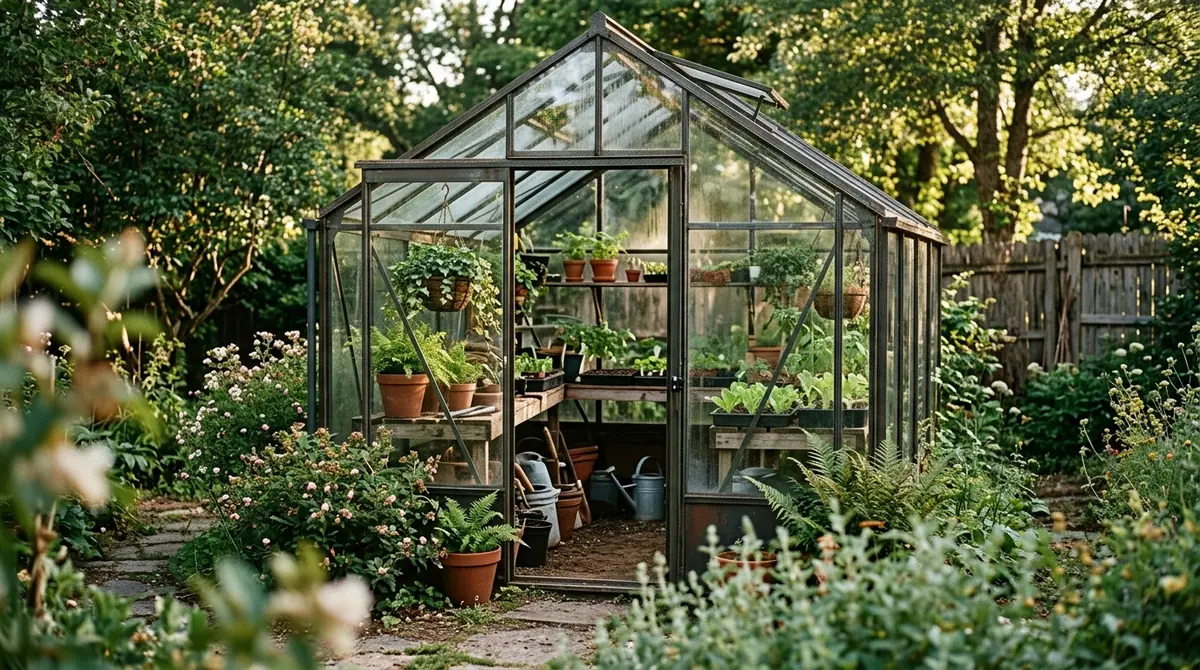
When the thermometer plunges to 34°F (1.1°C) during an unexpected overnight freeze while outside winds batter valleys at 45 mph, condensation beads and rolls down 4mm tempered lites, protecting delicate Nepenthes collection and half-grown heirloom tomato starts. That thermal integrity and structural rigidity is precisely why choosing the right glass for greenhouse design remains the single most impactful structural decision a grower can make.

1. Botanical Overview & Natural Habitat
When we select glass for greenhouse construction, we are essentially engineering a micro-ecosystem that mimics or optimizes the natural habitats of our cultivated plants. Tropical understory species, high-altitude alpines, and arid succulents have vastly different evolutionary relationships with solar radiation. Glass acts as the primary filter for this light spectrum, transmitting photosynthetically active radiation (PAR) while blocking harmful wavelengths.
Standard horticultural glass transmits approximately 88% to 90% of visible light. Unlike polyethylene films or aged polycarbonate panels that yellow and degrade over time, high-quality glass maintains its light transmission rate indefinitely. This stability is critical for plants requiring precise photoperiods and high light integrals. For instance, sun-loving Mediterranean herbs and fruiting crops require direct, unfiltered light spectra, whereas shade-dwelling ferns and epiphytic orchids thrive under diffused glass options.
Understanding how light interacts with structural glazing directly influences plant morphology. When light transmission drops below optimal thresholds—often seen in dirty or low-grade plastics—plants exhibit etiolation, stretching their internodal distances to 3 inches (7.6 cm) or more where 1 inch (2.5 cm) is normal, weakening cell walls and inviting disease. Glass eliminates this variable by delivering consistent, uncompromised solar energy year-round.
2. Essential Environmental & Care Requirements
Managing a glass-glazed structure requires strict attention to thermal dynamics, ventilation, and structural load capacities. Glass is an exceptionally heavy material, weighing roughly 1.6 to 3.2 pounds per square foot (7.8 to 15.6 kg/m²) depending on whether you choose single-strength or double-strength lites. Your framing must support this dead load alongside environmental live loads like snow accumulation and wind shear.
Thermal regulation under glass demands active intervention. Because glass has a high U-value (poor natural insulation unless double-glazed), heat escapes rapidly once ambient exterior temperatures drop below 45°F (7.2°C). To maintain a steady interior root-zone temperature of 68°F to 72°F (20°C to 22°C) for tropical propagation, supplemental heating systems must be paired with thermal curtain assemblies or double-paned insulated glass units (IGUs).
| Parameter | Optimal Condition | Common Mistake | Why It Matters |
|---|---|---|---|
| Light Transmission | 88% - 90% PAR light | Using tinted or stained glass | Reduces photosynthetic efficiency and stunts growth |
| Glass Thickness | 1/8 in to 1/4 in (3mm - 6mm) | Using thin craft glass | Fails under standard wind and snow loads |
| Internal Humidity | 60% - 80% RH for tropicals | Allowing condensation pooling | Invites fungal pathogens like Botrytis cinerea |
| Ventilation Rate | 1 to 2 air exchanges per minute | Sealing structure entirely | Prevents extreme heat spikes and carbon dioxide depletion |
Humidity management is equally vital. Glass surfaces readily form condensation when warm, humid indoor air meets cold exterior glazing. While moderate condensation is harmless, uncontrolled dripping onto sensitive foliage can trigger outbreaks of Botrytis gray mold or bacterial leaf spot. Strategic placement of horizontal-airflow (HAF) fans prevents stagnant microclimates against the glass walls.
💡 Pro-Tip: When planning your glass layout, install operable roof vents equal to at least 15% to 20% of your total floor area. Warm air rises rapidly; having high-level exhaust vents prevents heat pockets from scorching the canopy of taller specimens while pulling fresh CO2 in through louvered lower vents.
3. Step-by-Step Cultivation, Feeding & Propagation
Integrating glass into your horticultural workflow requires methodical planning, especially when timing crop cycles or transitioning sensitive seedlings from indoor chambers to a sunlit greenhouse. Before planting your first tray, consult resources like the Cornell University Controlled Environment Agriculture guidelines to understand optimal greenhouse microclimates.
Here is the systematic protocol for setting up and utilizing a glass greenhouse for high-success seed starting and vegetative propagation:
- Structural Inspection and Thermal Sealing: Inspect all glass panes, glazing bars, and rubber or silicone seals before the season begins. Replace any cracked lites with tempered or laminated safety glass rated for impact resistance, sealing gaps with a high-grade horticultural silicone to eliminate drafts that can cause sudden 10°F (-12.2°C) temperature drops across growing benches.
- Sanitation and Light Scrubbing: Wash all interior and exterior glass surfaces using a solution of warm water and mild biodegradable soap. Remove accumulated algae, dust, and hard-water mineral deposits to restore the glass's full 90% light transmittance rating.
- Bench Layout and Microclimate Zoning: Arrange propagation benches away from direct exterior walls if single-glazed, or use insulating bubble wrap lining along the lower 2 feet (60 cm) of glass during winter months. Position your propagation mats and humidity domes to capture optimal morning light while avoiding midday scorching zones.
- Seed Sowing and Timing Execution: Align your sowing schedule with natural light availability. For precise timing models, review our guide on when to start seeds in greenhouse environments to prevent leggy growth and ensure synchronized root development.
- Irrigation and Nutrient Delivery: Water propagation trays and potted specimens using tepid water (65°F to 70°F / 18°C to 21°C) to prevent root shock. Apply a balanced, water-soluble fertilizer at half-strength (50 ppm nitrogen) every 14 days once true leaves emerge, adjusting frequency based on daily solar radiation levels recorded by your pyranometer.
⚠️ Important Caution: Never use harsh chemical solvents, petroleum-based cleaners, or abrasive scouring pads on polycarbonate or acrylic coatings if your greenhouse uses mixed-material glazing. Even on pure glass, abrasive pads scratch the surface, scattering light and creating permanent micro-abrasions that harbor fungal spores.
4. Common Problems, Pests & Troubleshooting
Even with pristine glass framing, environmental imbalances inside a glasshouse create windows of opportunity for pests and physiological disorders. Because glass amplifies sunlight, minor cultural errors manifest rapidly.
- Excessive Algae and Green Slime on Glass: Caused by high humidity combined with stagnant air and direct light exposure. Clean affected panes with a 10% solution of horticultural hydrogen peroxide, and increase internal air circulation using oscillating fans.
- Severe Condensation Dripping ("Glass Rain"): Occurs when the dew point of the interior air matches the cold surface temperature of single-pane glass. Install anti-condensate drip tracks on your framing profiles, or upgrade to double-paned insulated glass units (IGUs) to raise the interior glass surface temperature.
- Aphid and Thrips Infestations: Warm, protected greenhouse environments allow sap-sucking insects to reproduce exponentially. Introduce beneficial predatory insects such as Encarsia formosa or Amblyseius swirskii early in the season, and monitor populations using yellow sticky cards hung at canopy level.
- Leaf Scorch and Sunburn: Sudden intense sunlight piercing through clean glass can bleach tender foliage, particularly on ferns and newly rooted cuttings. Apply a breathable exterior shade cloth providing 30% to 50% light reduction from late spring through early autumn.

5. Frequently Asked Questions
Is single-pane or double-pane glass better for a greenhouse?
Double-pane insulated glass units (IGUs) are vastly superior for heat retention, reducing winter heating costs by up to 40%. However, single-pane glass is significantly lighter, less expensive, easier to install, and transmits slightly more raw light because there are fewer glass layers for light to pass through. Choose double-pane if you operate year-round in USDA zones 6 and colder; choose single-pane for mild climates or unheated seasonal use.
What thickness of glass should I use for a greenhouse?
Standard horticultural glass is typically 1/8 inch (3mm) thick, known as single-strength. For commercial operations, larger hobby structures, or areas prone to high winds and heavy hail, upgrade to 3/16 inch (4.7mm) or 1/4 inch (6mm) tempered safety glass. Tempered glass is four to five times stronger than annealed glass and crumbles into small, blunt-edged granules when broken rather than dangerous shards.
How do I clean and maintain greenhouse glass without damaging the seals?
Wash exterior and interior glass annually using a soft-bristle brush, warm water, and a few drops of dish soap or specialized horticultural glass cleaner. Avoid high-pressure washers, which can force water past rubber gaskets, strip structural silicone sealant, and crack aged glass lites. Inspect all seals annually and re-caulk any dried or shrinking joints before winter sets in.
Why are my plants burning inside a greenhouse even with ventilation?
Glass creates a localized greenhouse effect by trapping long-wave infrared radiation. If ventilation fans are underpowered or positioned incorrectly, ambient heat builds up rapidly despite open louvers. Additionally, high solar noon angles in spring and summer can easily overwhelm unshaded plants. Ensure your ventilation system moves the entire volume of air inside the greenhouse at least once every 60 seconds, and install interior or exterior shade cloth rated for 30% to 40% reduction during peak summer months. For further research on structural thermodynamics, consult the Royal Horticultural Society (RHS) guidance on greenhouse management and climate control.
Related Guides
- How to Grow Plants in Glass Pots
- Floor Greenhouse
- Insulating Greenhouse
- How to Heat Greenhouse in Winter
- When to Start Seeds in Greenhouse
📋 Table of Contents ▼ Click to expand
Tags:
Keep reading
🌿 Related Plants You Might Like




PlantSavvyWorld
Editorial team
PlantSavvyWorld is an independent botanical education project. Articles are drafted with AI assistance, then edited and checked against university extension services, botanical garden collections and other published horticultural sources.