

Can You Eat Moss Edible Mosses
Written with AI assistance, edited and checked against horticultural sources.
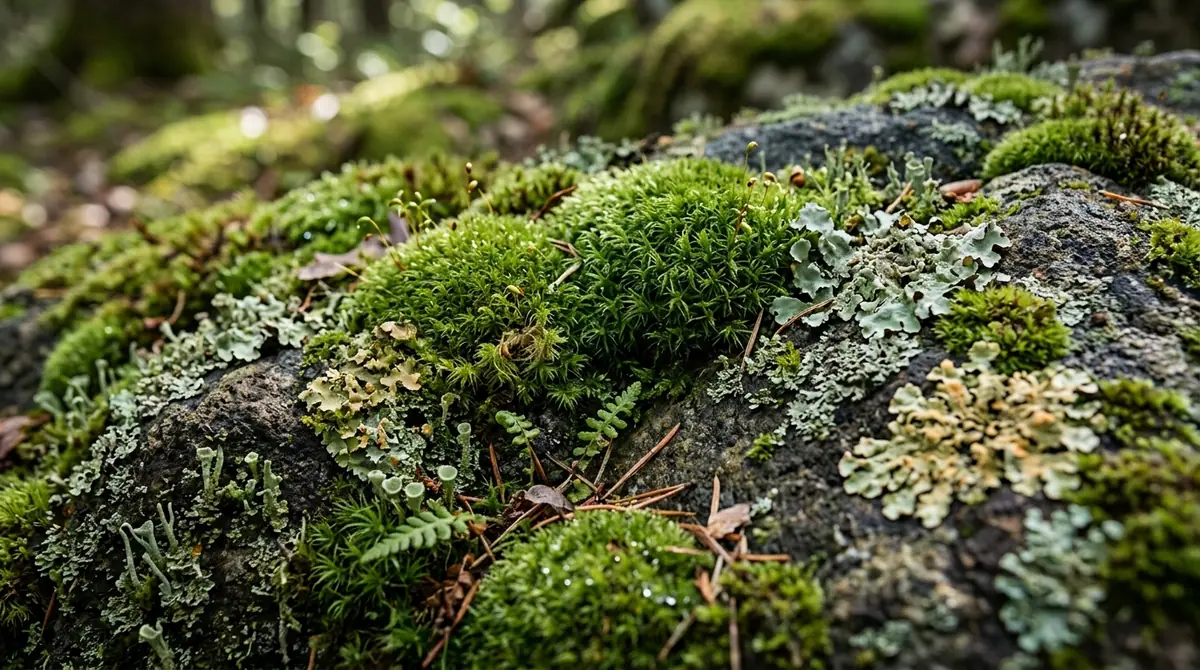
After scraping Hypnum cupressiforme off a limestone retaining wall, wash the moss thoroughly in cold water, blanch it for 30 seconds, and crisp it in a dehydrator at 115°F (46°C) for six hours to use as an earthy garnish, continuing an ancient culinary practice gaining traction in modern gastronomy.
1. Botanical Overview & Natural Habitat
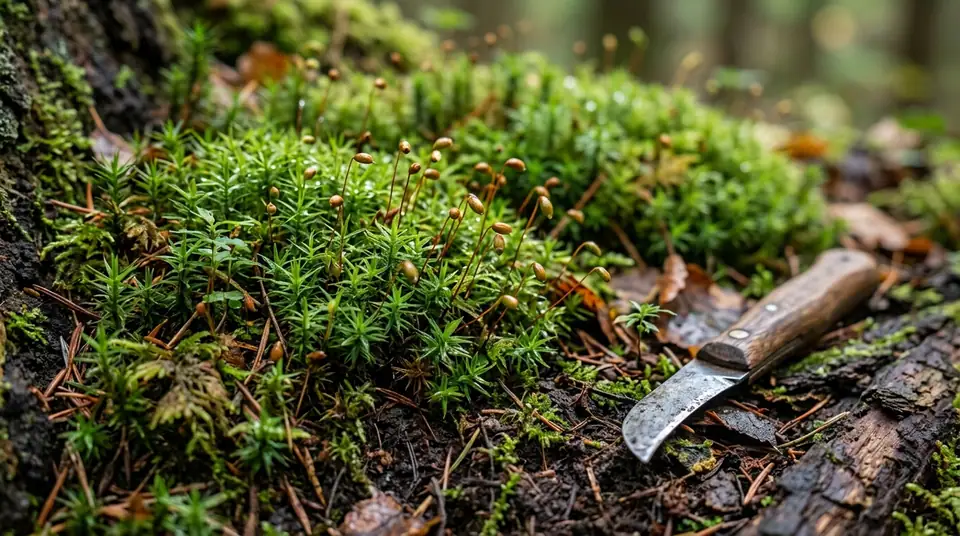
True mosses are primitive, non-vascular plants that lack xylem and phloem. Instead of drawing water and nutrients up from deep roots through a vascular system, they absorb moisture and atmospheric nutrients directly across their entire leafy surface via capillary action. This unique physiological trait is the primary reason why wild-harvesting moss for consumption demands extreme caution. Because they act as biological sponges, bryophytes readily absorb heavy metals, airborne pollutants, urban runoff, and animal pathogens from their immediate environment.
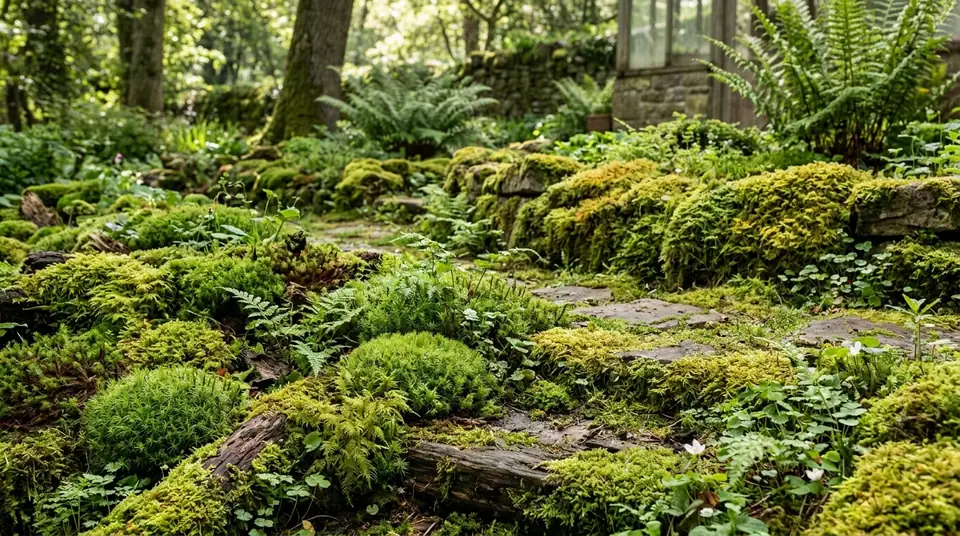
In ecological terms, mosses thrive in micro-climates characterized by high relative humidity (consistently above 75%) and low, indirect light. You will find them blanketing damp forest floors, decaying logs, rock faces, and north-facing masonry across temperate, boreal, and alpine zones. Unlike higher plants that store complex starches in tubers or seeds, mosses store energy primarily as simple sugars and oils, which yields a surprisingly dense, chewy, or gelatinous texture when cooked, depending on the species.
For a deeper dive into the ecological roles of bryophytes and their structural adaptations, consult the British Bryological Society resources on regional species identification.
2. Essential Environmental & Care Requirements
If you want to cultivate clean, edible mosses at home—bypassing the heavy metal risks of urban foraging—you must replicate their native woodland micro-habitats. Whether you are growing them in shallow terra cotta trays or establishing a green roof feature, managing moisture and light is non-negotiable.
| Parameter | Optimal Condition | Common Mistake | Why It Matters |
|---|---|---|---|
| Light | Dappled shade, 2 to 4 hours of indirect morning light | Direct midday sun (above 85°F / 29°C) | Intense UV radiation bleaches chlorophyll and rapidly desadicates delicate leaf cells. |
| Moisture | Evenly damp; saturated via misting every 2 to 4 days | Waterlogging or sitting in standing water | Lack of oxygen causes root rot equivalents and encourages anaerobic bacterial decay. |
| pH Level | Acidic to neutral (5.5 to 6.8) | Highly alkaline substrates (above 7.5) | Most culinary-grade bryophytes struggle to uptake micronutrients in overly basic conditions. |
| Substrate | Porous, rough surfaces (rotten wood, sandstone, unglazed clay) | Nutrient-rich garden soil | Rich soils promote aggressive weed germination and fungal molds that smother slow-growing moss. |
💡 Pro-Tip: When establishing an indoor or patio cultivation tray for edible moss species like Leucobryum glaucum (pincushion moss), use a base layer of coarse horticultural sand mixed with well-rinsed coconut coir to maintain optimal aeration while locking in just enough humidity.
3. Step-by-Step Cultivation, Feeding & Propagation
Growing your own clean, pesticide-free mosses for culinary experimentation guarantees you avoid roadside contaminants and environmental toxins. Follow this precise protocol to propagate cushion and sheet mosses successfully.
- Source Clean Starter Material: Collect a small, thumbnail-sized plug of desired moss from a pristine, high-elevation, or rural private property with the landowner's permission. Ensure you only take 10% of any single patch to protect wild populations.
- Prepare the Propagation Vessel: Select a shallow, unglazed ceramic dish or a wooden flat at least 2 inches (5 cm) deep. Drill drainage holes if using a solid container to prevent pooling.
- Mix the Slurry Medium: Blend your starter moss with 1 cup (240 ml) of buttermilk or natural plain yogurt and 1 cup (240 ml) of filtered water in a blender on a low pulse setting for 5 seconds. The lactic acid helps anchor the tiny rhizoids to the substrate.
- Apply to the Substrate: Paint or pour the blended moss slurry evenly across your prepared porous stone, rotting hardwood block, or coir mat.
- Incubate and Maintain Humidity: Cover the container with a clear plastic humidity dome to trap moisture. Place it in a shaded area where ambient temperatures hover between 60°F and 72°F (15°C to 22°C).
- Mist and Vent Daily: Remove the dome for 15 minutes daily to prevent mold growth, and mist the surface thoroughly with a fine-spray bottle using distilled water or rain-water.
- Harvest Phase: Within 45 to 60 days, dense green carpets will establish. Snip only the top growth with sterile kitchen shears, leaving the basal layer intact to regenerate.
⚠️ Important Caution: Never harvest wild mosses from treated lumber, near busy roadways, industrial sites, or areas where domestic pets and wildlife roam. Mosses accumulate lead, cadmium, and animal parasites at concentrations thousands of times higher than the surrounding soil or air.
4. Common Problems, Pests & Troubleshooting
Even under controlled conditions, indoor and outdoor moss cultivation runs into specific hurdles. Here is how to diagnose and correct them before your crop dies back.
- Symptom: White, powdery, or fuzzy mold spreading across the colony.
- Cause: Excessive humidity coupled with stagnant air circulation.
- Correction: Increase ventilation immediately by propping open your humidity dome. Dust the affected area lightly with agricultural sulfur powder, and reduce misting frequency from every 2 days to every 4 days.
- Symptom: Yellowing, bleaching, or browning tips.
- Cause: Exposure to direct, intense sunlight or chlorine toxicity from tap water.
- Correction: Relocate your cultivation tray to a deeper shade zone (under 500 foot-candles of light). Switch exclusively to distilled water or rainwater to flush out mineral salt buildups.
- Symptom: Moss lifting off the substrate in dry, brittle curls.
- Cause: Severe desiccation (under-watering).
- Correction: Submerge the entire tray in a shallow basin of distilled water for 15 minutes, allowing the plant cells to rehydrate fully through capillary action, then resume a regular misting schedule.
5. Frequently Asked Questions
Can you eat any moss you find outside?
No. While true mosses are generally non-toxic, many lookalike species or adjacent lichens can cause severe gastrointestinal distress. Furthermore, wild mosses act as environmental filters, accumulating heavy metals, chemical pollutants, and animal waste that make them unsafe for human consumption.
What does edible moss taste like?
Most edible true mosses have a very neutral, earthy flavor profile dominated by notes of forest floor, damp wood, and faint astringency due to natural tannins. Because of this, they are rarely eaten for their standalone flavor; instead, chefs use them for textural crunch when dehydrated, or as a vibrant green garnish for savory broths and game dishes.
Is reindeer moss the same thing as regular moss?
No. Despite its common name, reindeer moss (Cladonia rangiferina) is actually a fruticose lichen, not a true bryophyte. It has a crunchy, branching structure and has historically been consumed by indigenous arctic populations and modern foragers alike, though it requires thorough boiling to remove bitter, indigestible lichen acids before eating.
How do you clean harvested moss before cooking?
Begin by gently shaking the harvested moss to dislodge trapped soil, grit, and insects. Submerge the moss in a large bowl of cold salt water for 10 minutes, gently agitating it to release micro-debris, then rinse thoroughly under a cold running tap of filtered water at least three times before blanching.
Related Guides
- Sphagnum Moss for Propagation
- Hibiscus Edible Flowers
- Salad Trees Edible Leaves
- 30 Edible Plants to Grow in 5 Gallon Buckets
📋 Table of Contents ▼ Click to expand
Tags:
Keep reading
🌿 Related Plants You Might Like






PlantSavvyWorld
Editorial team
PlantSavvyWorld is an independent botanical education project. Articles are drafted with AI assistance, then edited and checked against university extension services, botanical garden collections and other published horticultural sources.