

Can Asparagus Be Grown In Pots — Complete Care, Planting & Growth Masterclass
Written with AI assistance, edited and checked against horticultural sources.
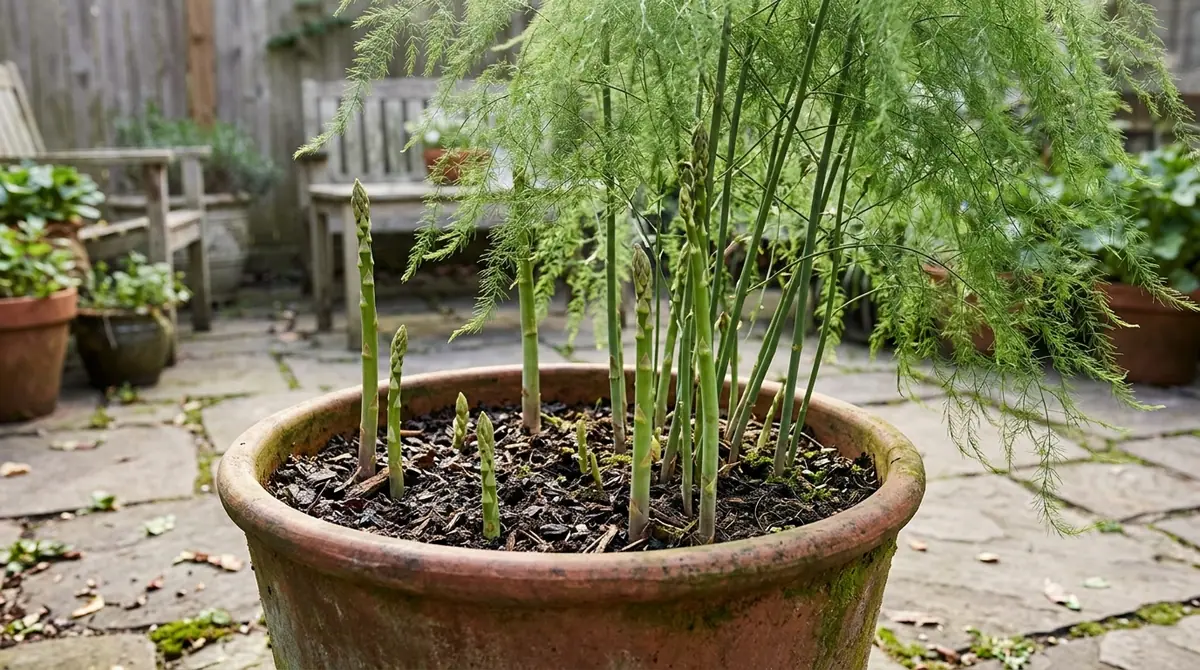
Growing asparagus in pots is entirely possible, though it requires a nuanced understanding of its needs. Even in limited spaces, successful cultivation of this delicious vegetable in containers is achievable by following specific care requirements.
1. Botanical Overview & Natural Habitat

Here's a quick snapshot of what makes asparagus tick:
- Core Topic: Can Asparagus Be Grown In Pots
- Difficulty Rating: Hard (requires consistent, informed care)
- Botanical Family: Asparagaceae
- Growth Habit: Perennial, herbaceous plant that dies back in winter and regrows from its crown in spring.
- Root System: Extensive, fibrous crown that stores energy.
- Foliage: Fern-like, needle-like stems known as "cladodes."
- Edible Part: Young shoots, or "spears," that emerge from the crown in spring.
2. Essential Environmental & Care Requirements
Growing asparagus in pots presents unique challenges, primarily mimicking its preferred natural environment while managing the constraints of a container. Success hinges on providing the right conditions for its extensive root system and perennial nature.
Sunlight Requirements
Asparagus absolutely adores sunshine. For optimal growth and spear production, aim for a minimum of 6 to 8 hours of direct sunlight per day. While it can tolerate some partial afternoon shade, especially in very hot climates where intense midday sun can scorch its delicate foliage, full sun exposure is ideal for vigorous growth. Insufficient light will result in weak, spindly spears that are less flavorful and abundant.
Soil and Drainage
This is arguably the most critical aspect of container-grown asparagus. Asparagus hates "wet feet." Its extensive root crown can quickly succumb to rot if left in waterlogged conditions.
-
Ideal Soil pH: Asparagus prefers a slightly acidic to neutral soil pH, ideally between 6.0 and 6.8.
-
Soil Composition: A well-draining, rich potting mix is essential. I recommend a blend that includes:
-
High-quality compost: Provides essential organic matter and nutrients. Aim for at least 30-40% of your mix.
-
Perlite or coarse sand: Crucial for aeration and drainage. About 20-30%.
-
Coconut coir or peat moss: Helps retain moisture without becoming waterlogged, and adds some acidity. About 20-30%.
-
Organic worm castings: A fantastic source of slow-release nutrients and beneficial microbes. About 10%.
-
Drainage Holes: Your container must have ample drainage holes. If using pots without them, you’ll need to drill them yourself.
Moisture Management
Deep, infrequent irrigation is the golden rule for asparagus. You want to encourage the roots to grow downwards in search of moisture, building that strong, resilient architecture.
- When to Water: Water thoroughly when the top 2 inches (5 cm) of soil feels dry to the touch. This usually means watering deeply until water runs out of the drainage holes.
- Frequency: This could be every 3-7 days depending on the weather, pot size, and your specific microclimate. In hot, dry periods, you might need to water more frequently. In cooler, humid conditions, less often.
- Avoid Misting: Misting the foliage can encourage fungal diseases. Focus on watering the soil directly.
Temperature and Climate Considerations
Asparagus is a cool-season crop that prefers moderate temperatures.
- Ideal Growing Temperatures: It thrives in daytime temperatures between 60-75°F (15-24°C) and nighttime temperatures around 50-65°F (10-18°C).
- Frost Tolerance: Established plants are quite cold-hardy and can tolerate light frosts. However, young seedlings and developing spears are more vulnerable.
- Heat Stress: Prolonged periods of extreme heat (above 85°F/29°C) can stress the plants, causing them to go dormant or produce fewer, thinner spears. In very hot climates, providing some afternoon shade with shade netting can be beneficial.
- USDA Hardiness Zones: Asparagus is generally hardy in USDA Zones 3-8. If you are in a zone with very harsh winters or extreme summer heat, careful container selection and placement, along with potential winter protection, will be key.
Container Size
This is paramount for asparagus. Because of its extensive root system and perennial nature, asparagus needs ample space to grow.
- Minimum Size: I recommend a container that is at least 15 gallons (approx. 57 liters) in volume, with a depth of at least 18-24 inches (45-60 cm). Larger is always better, especially if you plan to keep the plant for multiple years. Think half-whiskey barrel size or larger grow bags.
- Material: Terracotta pots can dry out quickly. Plastic or glazed pots retain moisture better. Fabric grow bags offer excellent aeration and drainage but may require more frequent watering.
3. Step-by-Step Cultivation, Feeding & Propagation
Growing asparagus from seed is a long process, taking up to three years before you can harvest. The most common and recommended method for home gardeners, especially those new to container asparagus, is to start with 1- or 2-year-old crowns. These are dormant root systems available from reputable nurseries.
Planting Your Asparagus Crowns
- Choose Your Container: Select a container that meets the size requirements (minimum 15 gallons, 18-24 inches deep) with excellent drainage.
- Prepare the Soil: Fill your chosen container with your well-draining potting mix (as described above). Leave about 4-6 inches (10-15 cm) of space at the top for watering.
- Create a Mound: In the center of the container, create a cone-shaped mound of soil about 4-6 inches (10-15 cm) high. This will help you spread out the roots of the crown.
- Position the Crown: Gently place the asparagus crown on top of the mound, spreading its roots outwards and downwards. Ensure the buds or "eyes" on the crown are facing upwards.
- Backfill with Soil: Carefully backfill around the crown with your potting mix, burying the crown about 2-3 inches (5-7.5 cm) deep. As the plant grows, you can gradually add more soil over the subsequent weeks or months until the container is full, but don't bury it too deeply initially.
- Water Thoroughly: Water the newly planted crown deeply until water drains from the bottom.
- Mulch: Apply a layer of organic mulch, such as straw or shredded bark, on top of the soil. This helps retain moisture, regulate soil temperature, and suppress weeds.
Feeding and Fertilization
Asparagus is a hungry plant, especially when it’s actively growing and producing spears.
- Initial Feeding (Root Establishment): For the first year, focus on gentle feeding to encourage root development. Once the fern-like foliage has emerged and is actively growing, you can start a feeding regimen. I recommend a balanced organic fertilizer (e.g., 5-5-5 or similar) applied monthly.
- Mature Plants (Year 2 onwards):
- Spring: Before new spears emerge, top-dress with compost and a granular organic fertilizer rich in phosphorus (e.g., 2-5-2) to support bud formation.
- After Harvest: Once you've finished harvesting spears and the plants have grown their full fern-like foliage, switch to a more balanced or potassium-rich fertilizer. A kelp meal-based fertilizer is excellent at this stage as potassium enhances cellular wall strength and drought tolerance. You can apply this every 4-6 weeks.
- Late Summer/Fall: A final feeding with compost can help the plant store energy for the winter.
💡 Pro-Tip: Don't harvest any spears in the first year after planting crowns. Let the plant focus all its energy on establishing a strong root system. In the second year, harvest very sparingly (only a few spears per plant). You'll get a bountiful harvest in the third year and beyond!
Watering Schedule Refinement
As mentioned in the care section, the key is to water deeply and infrequently. Always check soil moisture before watering. In containers, you'll learn to feel the weight of the pot – a dry pot is significantly lighter.
Propagation
While you can propagate asparagus by dividing established crowns, this is best done with large, mature plants in the ground. For container-grown asparagus, it's generally easier and more efficient to start with new crowns or seeds every few years if you wish to expand your collection. Seeds can be sown indoors in late winter, but remember the long wait until harvest.
4. Common Problems, Pests & Troubleshooting
Even with the best care, you might encounter a few issues. Understanding these problems and their solutions is key to a thriving potted asparagus patch.
Overwatering and Root Rot
- Symptoms: Yellowing foliage, stunted growth, wilting even when the soil is moist, and a foul odor from the soil.
- Cause: Poor drainage, overwatering.
- Solution: Ensure your container has adequate drainage holes. Allow the soil to dry out more between waterings. If rot is severe, you may need to repot with fresh, well-draining soil, removing any visibly rotted roots. This is the #1 mistake for container-grown asparagus.
Pests
- Asparagus Beetle: This is the most common pest. Adults and larvae chew on spears and foliage, leaving behind holes and reducing plant vigor.
- Solution: Handpick beetles and larvae when you see them. Spraying with insecticidal soap or neem oil can be effective. Encourage natural predators like ladybugs.
- Aphids: These small sap-sucking insects can also infest young spears and foliage.
- Solution: A strong blast of water can dislodge them. Insecticidal soap or neem oil are also good options.
Diseases
- Fusarium Wilt: A fungal disease that causes wilting, yellowing, and eventual death of the plant. It can persist in the soil.
- Solution: There is no cure. Preventative measures include using disease-free crowns, maintaining good soil health, and ensuring excellent drainage. Avoid over-crowding.
- Rust: A fungal disease that appears as orange or reddish-brown pustules on the foliage. It can weaken the plant.
- Solution: Improve air circulation by spacing plants appropriately. Remove and destroy infected foliage. Some resistant varieties exist.
Poor Spear Production
- Symptoms: Few, thin, or weak spears.
- Causes:
- Insufficient sunlight: The plant isn't photosynthesizing enough to store energy.
- Poor soil nutrition: Lack of essential nutrients, especially phosphorus and potassium.
- Over-harvesting: Taking too many spears in the early years.
- Young plant: It takes 2-3 years for asparagus to reach full productivity.
- Drought stress: Insufficient watering during key growth periods.
- Solution: Review your care practices. Ensure adequate sun, proper feeding, and consistent moisture. Be patient with young plants.
Environmental Extremes
- Frost Damage: Young spears can be damaged by late frosts.
- Solution: Cover emerging spears with row covers or cloches if frost is predicted.
- Heat Stress: Wilting during hot weather.
- Solution: Provide afternoon shade, ensure consistent watering, and mulch heavily to keep roots cool.
| Parameter | Optimal Condition | Common Mistake | Why It Matters |
|---|---|---|---|
| Sunlight | 6-8+ hours direct sun daily | Too little light, placed in deep shade | Essential for photosynthesis, energy storage, and spear production. |
| Soil Drainage | Excellent, free-draining potting mix | Waterlogged soil, lack of drainage holes | Prevents root rot, encourages healthy root development. |
| Soil pH | 6.0 – 6.8 (slightly acidic to neutral) | Highly acidic or alkaline soil | Affects nutrient availability and uptake by the plant. |
| Watering | Deep, infrequent; water when top 2 inches dry | Overwatering, shallow watering | Promotes deep root growth and prevents fungal diseases. |
| Container Size | Minimum 15 gallons (57L), 18-24 inches deep | Too small a container | Allows for extensive root development, necessary for perennial growth. |
| Fertilization | Balanced organic, phosphorus-rich then potassium-rich | Under-fertilizing or over-fertilizing with synthetics | Provides necessary nutrients for growth, spear formation, and plant resilience. |
| Temperature | 60-75°F (15-24°C) daytime; 50-65°F (10-18°C) nighttime | Extreme heat or cold without protection | Affects growth rate, dormancy, and overall plant health. |
| Harvesting | Sparingly in years 1-2, then annually | Harvesting too much too soon | Allows plant to build sufficient energy reserves for future years. |
5. Frequently Asked Questions
Here are some common questions I hear from aspiring asparagus growers:
How often should I water asparagus in pots?
The most crucial aspect is not frequency, but method. Water deeply until water drains from the bottom of the pot. Allow the top 2 inches (5 cm) of soil to dry out completely between waterings. This means you might water every 3 days in hot weather or every 7-10 days in cooler conditions. Always check the soil moisture with your finger before watering.
Can I grow asparagus from seed in pots?
Yes, you can grow asparagus from seed, but it is a significantly longer process. Seeds can take 2-4 weeks to germinate and the plants will require 3 years of dedicated growth before you can even consider harvesting any spears. For most home gardeners aiming for a quicker result, starting with 1- or 2-year-old crowns is much more practical.
When is the best time to plant asparagus crowns in pots?
The ideal time to plant asparagus crowns in pots is in early spring as soon as the danger of hard frost has passed in your region. This allows the plant to establish its root system throughout the spring and summer before the cooler weather arrives. You can also plant in the fall in milder climates, but spring planting is generally preferred for better establishment.
My potted asparagus is growing really tall and feathery, but I’m not getting many spears. What am I doing wrong?
This is a common sign that your asparagus plant is healthy and producing its "ferns" (which are actually modified stems called cladodes), but it might be too young or not receiving enough nutrients to produce abundant spears. Remember, asparagus requires 2-3 years to mature before significant harvesting is possible. Ensure you're not over-harvesting in its early years, and that it's getting plenty of sun and adequate feeding, particularly with phosphorus in spring. Once established, the ferns are crucial for storing energy for the next year's spear production.
Is it worth growing asparagus in pots if it takes so long to produce?
Absolutely! While it requires patience, the reward of harvesting your own fresh asparagus spears is immense. Imagine stepping out onto your balcony or patio to pick a few tender spears for your breakfast omelet or a side dish. Plus, asparagus is a perennial, meaning once established, it will provide harvests for many years. Growing it in pots allows you to cultivate this rewarding vegetable even if you have limited garden space. With the right care and the knowledge from this masterclass, you can enjoy home-grown asparagus for a decade or more from the same container!
Growing asparagus in pots is a journey that rewards patience and attentive care. By understanding its botanical needs, providing the right environmental conditions, and following a consistent cultivation plan, you can absolutely enjoy this delicious perennial vegetable right from your own home. Happy growing!
Related Guides
- How Do You Seal Terracotta Pots
- Problems with Olive Trees in Pots
- Can Peony Be Planted in Pots
- How Do You Measure Flower Pots
- How to Grow Plants in Glass Pots
Further Reading
Tags:
Keep reading
🌿 Related Plants You Might Like






PlantSavvyWorld
Editorial team
PlantSavvyWorld is an independent botanical education project. Articles are drafted with AI assistance, then edited and checked against university extension services, botanical garden collections and other published horticultural sources.