

Best Native Plants for Sustainable Backyard Landscaping
Written with AI assistance, edited and checked against horticultural sources.
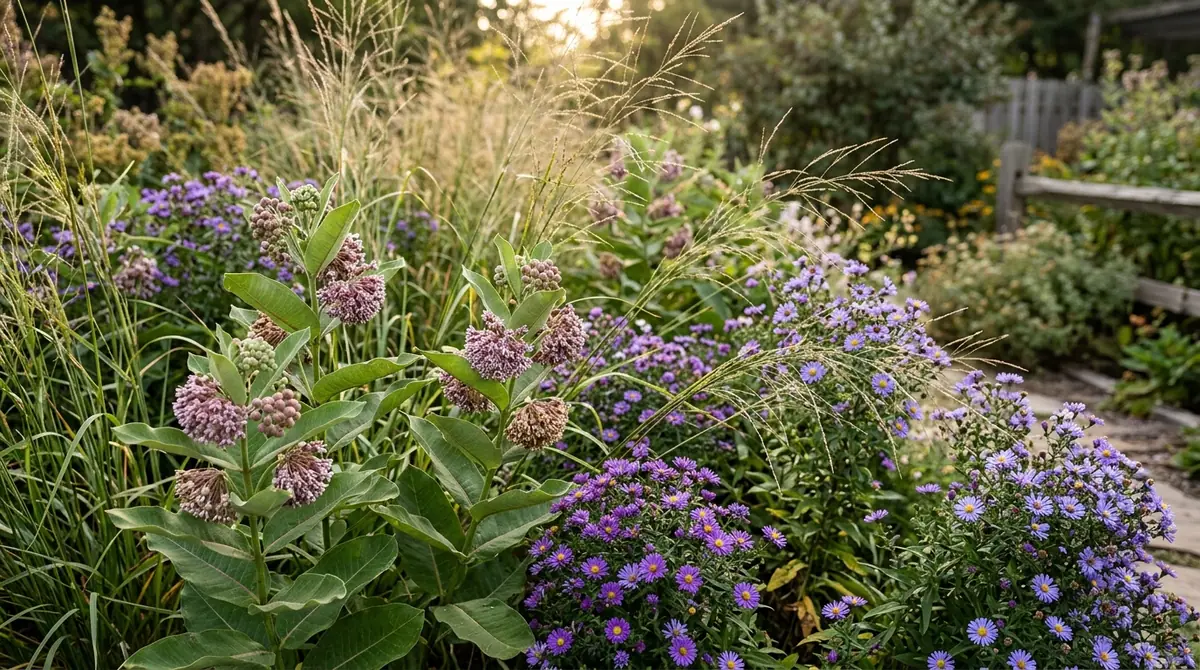
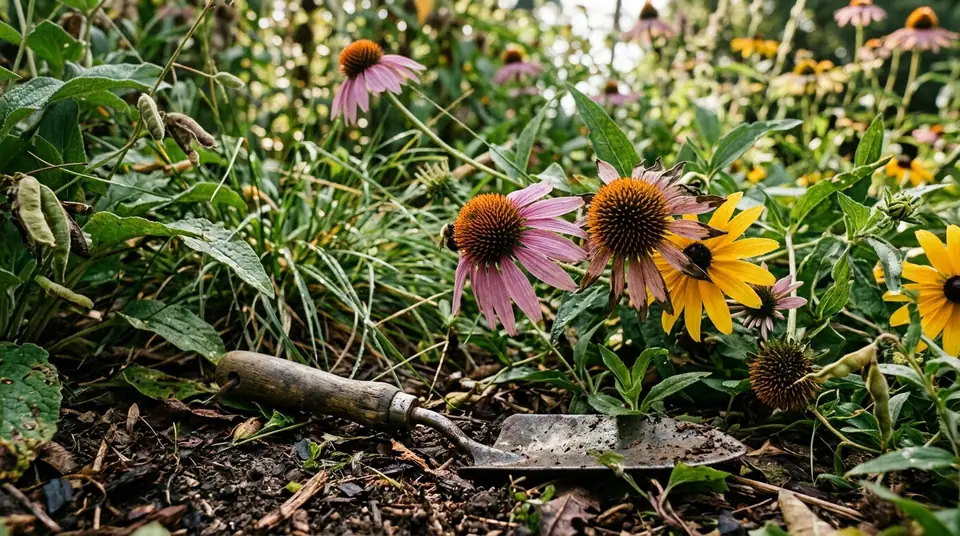
Last Tuesday at 6:15 AM, kneeling in a frost-dusted perennial border in zone 6b, I pulled up a failing non-native turfgrass patch while a flock of American goldfinches stripped seeds off a neighboring stand of purple coneflower (Echinacea purpurea). That contrast tells the entire story of sustainable backyard landscaping. For years, suburban yards were treated as ecological dead zones, demanding 1 inch (2.5 cm) of water weekly, synthetic nitrogen fertilizers, and endless fossil-fueled mowing. By shifting our design framework to native species, we reverse this trend, anchoring deep root systems that can stretch down 6 to 10 feet (1.8 to 3.0 m) into the soil profile.
1. Botanical Overview & Natural Habitat
Native plants are species that have occurred naturally in a particular region, ecosystem, or habitat without human introduction. In North American landscaping, moving away from imported ornamentals means embracing plants that support up to 35 times more native insect biomass than exotic species. To understand why these plants thrive without coddling, we must examine their morphological adaptations.
Consider the genus Echinacea (Coneflowers), Asclepias (Milkweeds), and Panicum (Switchgrass). In their native prairie and woodland habitats, these plants developed specialized root architectures. While an imported Kentucky bluegrass lawn has roots terminating at 2 to 4 inches (5 to 10 cm), a mature native switchgrass (Panicum virgatum) develops fibrous roots plunging 5 feet (1.5 m) deep. This subterranean network acts like a sponge, improving soil structure, preventing erosion, and tapping into deep moisture reserves during dry spells.
💡 Pro-Tip: When planning your native landscape, group plants by hydro-zones. Pair drought-tolerant species like Butterfly Weed (Asclepias tuberosa) with Little Bluestem (Schizachyrium scoparium), leaving moisture-loving ferns or Joe Pye Weed (Eutrochium purpureum) for low-lying rain garden pockets. This prevents over-watering dry-adapted species and eliminates dry-stress in moisture lovers.
The ecological interactions run deeper still. Herbivorous insects have co-evolved specialized metabolic pathways to process the chemical defenses of specific native plants. For instance, Monarch butterfly larvae (Danaus plexippus) can only metabolize the toxic cardenolides found in native Asclepias species. Without these specific botanical anchors, the trophic web collapses from the base up. For further reading on regional adaptations and native selections, consult the Lady Bird Johnson Wildflower Center.
2. Essential Environmental & Care Requirements
Transitioning to a sustainable, native backyard does not mean abandoning all garden management; it means changing how and when you intervene. While native plants are famously tough, they require specific conditions during their establishment window—typically the first 12 to 18 months post-planting.
Light exposure is the primary metric. You must match woodland understory natives, such as Wild Ginger (Asarum canadense), with dappled shade or full shade (under 3 hours of direct sun daily). Conversely, prairie species require full sun (6 to 8+ hours of direct sunlight) to prevent weak, etiolated stems that flop over during heavy summer thunderstorms.
Soil structure matters immensely. Most native perennials despise heavy, waterlogged clay unless they are specifically wetland species. Amending individual planting holes with rich compost is actually discouraged by modern horticulturists; it creates a "bathtub effect" where water pools in the amended pocket surrounded by dense native clay. Instead, broad-fork or loosen the soil across an entire bed.
| Parameter | Optimal Condition | Common Mistake | Why It Matters |
|---|---|---|---|
| Establishment Watering | 1 inch (2.5 cm) per week for year one | Daily shallow sprinkling | Encourages shallow root development instead of deep, drought-resilient search patterns |
| Soil pH | 6.2 to 6.8 for most prairie/woodland species | Forcing acid-loving plants into alkaline urban fill dirt | Causes nutrient lockout, specifically iron and phosphorus deficiencies |
| Pruning Timing | Late winter (February/March) | Autumn "neatness" deadheading | Destroys overwintering sites for beneficial insects and starves seed-eating birds |
| Mulch Depth | 2 to 3 inches (5 to 7.5 cm) organic shred | Piling mulch 6+ inches against stems ("volcano mulching") | Invites fungal collar rot and suffocates surface feeder roots |
For homeowners looking to integrate sustainable landscaping features adjacent to hardscaped areas, selecting the right structural plants is vital. Just as you must choose trees carefully to protect pavement—a process detailed in our guide on 15 Best Trees for Driveways That Won't Crack Concrete—choosing robust, non-invasive native shrubs and grasses prevents structural damage to foundations and walkways.
3. Step-by-Step Cultivation, Feeding & Propagation
Establishing a sustainable native garden from seed plugs or container-grown plants requires precision during the installation phase. Follow this rigorous step-by-step protocol to guarantee high survival rates.
- Site Preparation & Weed Eradication: Clear all existing turfgrass or invasive weeds 4 weeks before planting. Use sheet mulching (cardboard layered with 4 inches / 10 cm of wood chips) to smother vegetation naturally without toxic glyphosate applications.
- Soil Assessment: Test your soil texture and compaction. If a metal garden trowel cannot easily penetrate 6 inches (15 cm) into the damp earth, gently broad-fork the bed to fracture compacted sublayers without inverting the soil horizons.
- Plant Sourcing & Layout: Purchase locally ecotyped native plugs (typically grown in 2-inch to 4-inch / 5-cm to 10-cm pots). Arrange them on the soil surface according to mature spread dimensions—usually 18 to 24 inches (45 to 60 cm) apart for medium perennials.
- Excavation: Dig planting holes exactly as deep as the root ball, but twice as wide. Gently tease out any circling roots at the periphery of the root ball to stimulate outward radial growth.
- Installation & Tamping: Place the plant so the crown sits precisely level with or 0.5 inches (1.2 cm) above the surrounding soil grade. Backfill with native unamended soil, tamping down gently with your hands to eliminate large air pockets.
- Initial Irrigation: Apply a deep, soaking irrigation immediately after planting, delivering roughly 1 inch (2.5 cm) of water to settle the soil matrix around the roots.
- Mulching: Apply a 2-inch (5-cm) layer of shredded hardwood bark or leaf mold around the plants, keeping the mulch 2 inches (5 cm) away from the actual stem bases to prevent rot.
⚠️ Important Caution: Never collect native plants from the wild or state parks. Poaching depletes dwindling natural populations, and wild-dug plants suffer from severe transplant shock, often dying within weeks. Always purchase nursery-propagated stock from reputable native plant specialists or restoration nurseries.
When your sustainable backyard thrives, you can easily expand your edible horizons alongside your native ornamentals. For instance, pairing perennial native borders with productive backyard crops creates a high-yield, low-input homestead. You can learn how to maximize your harvest through techniques outlined in our expert guides on How to Grow Huge Tomato Plants: Pruning, Trenching & Heavy Yields and Sweet Potato Companion Plants: 8 Best Garden Friends & 3 Foes to Avoid.
4. Common Problems, Pests & Troubleshooting
One of the greatest myths of native landscaping is that plants never experience pest or disease pressure. In a balanced ecosystem, pests are not eradicated; they are managed by beneficial predators. However, urban and suburban environments often lack these natural checks, leading to occasional outbreaks.
Powdery Mildew (Erysiphe species): Common on bee balm (Monarda didyma) and phlox during humid mid-summer stretches when night temperatures stay above 70°F (21°C).
- Solution: Never overhead water in the evening. Thin out surrounding stems to increase passive air circulation. If severe, apply a bio-fungicide containing Bacillus subtilis.
Herbivory by Rabbits and Deer: In suburban pockets with high populations of white-tailed deer (Odocoileus virginianus), young native shoots can be decimated.
- Solution: Utilize physical barrier fencing (at least 7 feet / 2.1 meters high for deer) during the first spring flush. Alternatively, plant heavily aromatic, highly textured natives that herbivores avoid, such as Purple Prairie Clover (Dalea purpurea) or rattlesnake master (Eryngium yuccifolium).
Weed Invasion During Establishment: Aggressive non-native weeds like crabgrass (Digitaria) and Canada thistle (Cirsium arvense) will attempt to colonize bare soil between your young native plugs.
- Solution: Hand-pull weeds weekly during the first growing season. Once native root systems knit together after 24 months, their canopy density will naturally shade out most weed germination. For comprehensive pest and disease diagnostics backed by scientific research, reference the resources provided by the Royal Horticultural Society.
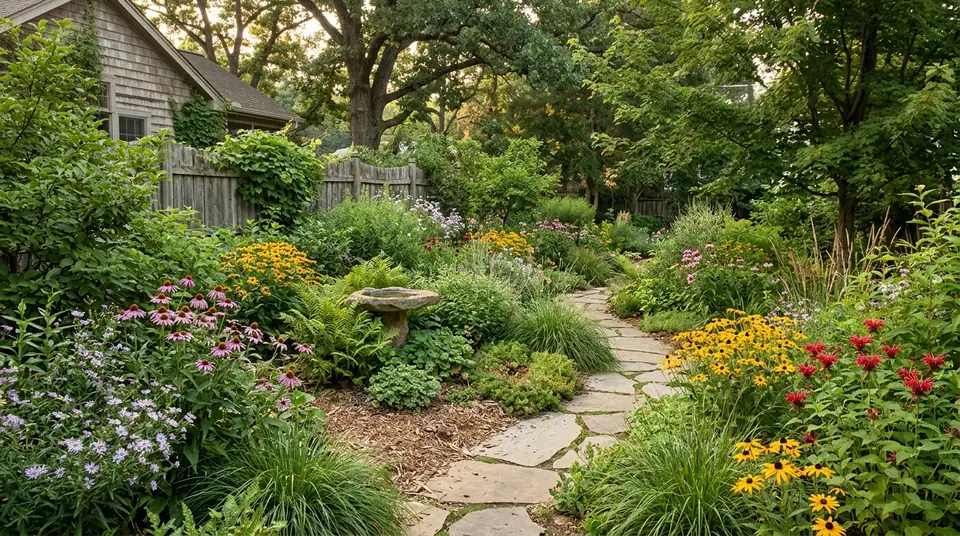
Lush sustainable backyard landscape with native plants lining a stone pathway
5. Frequently Asked Questions
How long do native plants take to establish in a backyard landscape?
Most native perennials require two full growing seasons to establish deep root systems. In the first year, they invest almost entirely in subterranean growth (the "sleep" phase). By year two, top growth accelerates dramatically, and by year three, the planting reaches functional maturity, requiring virtually no supplemental water or maintenance beyond an annual late-winter cutback.
Can I mix native plants with traditional non-native ornamentals?
Yes, this is often called a "bridging" or blended landscape design. You can maintain non-native foundation shrubs or traditional turfgrass near your home's entryway while transitioning outer perimeter beds, slopes, and borders entirely to native species. Be careful not to mix aggressive non-native invasive species (like periwinkle or English ivy) into native beds, as they will quickly crowd out indigenous perennials.
Do native plants make a backyard look messy or unmaintained?
The perception of untidiness is usually an issue of human design cues, not the plants themselves. You can keep a native garden looking intentionally designed by incorporating clear cultural edges, such as a 3-inch (7.5-cm) trench bordering a lawn, low stone retaining walls, or using structural evergreen shrubs and ornamental grasses as visual anchors. Keeping the front 2 feet (60 cm) of a bed neatly edged signals to neighbors that the wilder aesthetic behind it is deliberate.
How do I transition an existing lawn into a native plant garden without using chemicals?
The most reliable chemical-free method is sheet mulching (lasagna gardening). In autumn, mow your existing grass as short as possible, cover the area with overlapping layers of plain brown cardboard (ensuring zero gaps), wet the cardboard thoroughly, and pile 4 to 6 inches (10 to 15 cm) of wood chip mulch on top. Over 4 to 6 months, the grass and weed seeds beneath suffocate and decompose, enriching the soil for direct planting the following spring.
Related Guides
- Texas Landscaping Ideas
- Planting Landscaping Under Pine Trees
- Creative Landscaping Ideas Around Tree Roots
- 10 Best Low Maintenance Front Yard Landscaping Ideas for Small Spaces
- The Complete Guide to Coleus Plants: 50+ Varieties, Care, Propagation & Landscaping
📋 Table of Contents ▼ Click to expand
Tags:
Keep reading
🌿 Related Plants You Might Like






PlantSavvyWorld
Editorial team
PlantSavvyWorld is an independent botanical education project. Articles are drafted with AI assistance, then edited and checked against university extension services, botanical garden collections and other published horticultural sources.