

Can You Grow Kiwi In Michigan: Expert Gardening Guide & Science-Backed Tips
Written with AI assistance, edited and checked against horticultural sources.
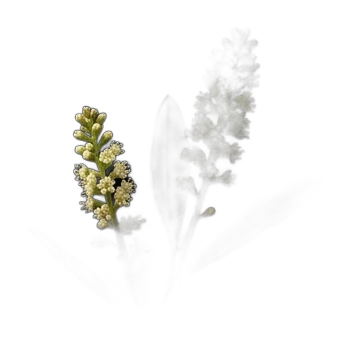
Welcome to our comprehensive botanical guide on can you grow kiwi in michigan.

Essential Quick Facts & Biological Overview
- Core Topic: Can You Grow Kiwi In Michigan
- Difficulty Rating: Easy (when choosing hardy varieties)
- Recommended Soil pH: 6.0 – 6.8 (Rich in organic matter and micro-nutrients)
- Sunlight Requirements: Full Sun (6+ hours) to Partial Afternoon Shade
- Moisture Management: Deep, infrequent irrigation to promote resilient root architecture
1. Botanical Overview & Natural Habitat
When exploring can you grow kiwi in michigan, you must first understand that you are not planting the grocery store variety. Tender fuzzy kiwis (Actinidia deliciosa) require USDA Zones 8 through 9 and will not survive Michigan winters, where temperatures routinely plummet well below 0°F (-18°C). Instead, successful Michigan growers cultivate the hardy kiwi (Actinidia arguta) or the arctic kiwi (Actinidia kolomikta).
Native to the cold, mountainous forests of Siberia, northern China, and Japan, these deciduous woody vines have evolved to withstand bone-chilling winters down to -25°F (-31°C) or lower. Unlike their fuzzy cousins, hardy kiwis produce smooth, grape-sized fruits that you eat whole—skin and all—packed with astonishing levels of vitamin C.
To thrive, these vines mimic their native understory and forest-edge habitats. They require robust structural support, such as a heavy-duty arbor, trellis, or T-bar system, because a mature vine can easily span 20 feet (6 meters) and weigh hundreds of pounds. For deeper horticultural insights on cold-hardy fruit production, you can consult the Michigan State University Extension resources, which offer fantastic regional data on perennial crops.
2. Essential Environmental & Care Requirements
Healthy plants start below the ground. Ensure your soil contains a balanced blend of compost, perlite for aeration, and organic worm castings. Compacted, waterlogged soils lead to root rot and fungal pathogens.
Temperature fluctuations can induce shock. Monitor your USDA Plant Hardiness Zone (spanning Zones 4 through 6 across most of Michigan) and provide appropriate frost protection or shade netting during extreme summer heatwaves. Kiwi vines leaf out early in spring, making tender new shoots vulnerable to late frosts dipping below 28°F (-2°C).
| Parameter | Optimal Condition | Common Mistake | Why It Matters |
|---|---|---|---|
| Soil pH | 6.0 – 6.8 | Planting in heavy, unamended clay | Kiwi roots suffocate easily; balanced pH ensures optimal micronutrient uptake. |
| Sunlight | 6 to 8 hours of direct sun | Planting in deep shade | Insufficient light severely curtails fruit set and sugar accumulation in the berries. |
| Watering | 1 inch (2.5 cm) of water weekly | Shallow, daily sprinkling | Deep watering forces roots downward, building drought and frost resistance. |
| Spacing | 10 to 15 feet (3 to 4.5 meters) apart | Crowding vines in tight rows | Overcrowding restricts airflow, inviting fungal diseases like powdery mildew. |
💡 Pro-Tip: Kiwi vines are strictly dioecious, meaning individual plants are either male or female. To harvest fruit in Michigan, you must plant at least one male vine (such as 'Meader') for every six to eight female fruiting vines (like 'Geneva', 'Anna', or 'Arguta'). Self-ferritable varieties like 'Issai' exist, but their yields are notably lower and less reliable in northern climates.
3. Step-by-Step Cultivation, Feeding & Propagation
Applying a high-phosphorus organic blend during root establishment and bud formation transitions smoothly into potassium-rich kelp meal as plants mature, enhancing cellular wall strength and drought tolerance. Follow this structured protocol to establish your Michigan kiwi patch:
- Site Selection & Soil Amending: Select a protected, south-facing location out of harsh prevailing winter winds. Test your soil and amend native dirt with organic compost to achieve a pH between 6.0 and 6.8 and ensure rapid drainage.
- Constructing the Support System: Install a sturdy cedar or galvanized steel arbor or T-bar trellis before planting your vines. Trying to retrofit support for a sprawling, established kiwi vine is an exercise in frustration.
- Planting the Vines: Dig a hole twice as wide as the root ball but no deeper. Space vines 10 to 15 feet (3 to 4.5 meters) apart, ensuring the root flare sits level with or slightly above the surrounding soil grade.
- Mulching and Watering: Apply a 3-inch (7.5-cm) layer of shredded hardwood mulch around the base to retain moisture, keeping the mulch a few inches away from the direct stem to prevent collar rot.
- Pruning for Vigor: Prune heavily in late winter when the plant is fully dormant. Remove 70% of the previous year's growth, leaving strong, pencil-thick canes that will bear the upcoming season's fruit.
⚠️ Important Caution: Never prune hardy kiwi vines in early spring. As sap begins to surge upward, heavily pruned vines will "bleed" profusely, which can severely weaken or even kill the plant. Always complete your structural pruning by mid-winter (January to February in Michigan).
4. Common Problems, Pests & Troubleshooting
Even tough arctic vines face challenges in Michigan's dynamic ecosystem.
- Root Rot (Phytophthora): Triggered by poorly draining soils and overwatering. If leaves turn yellow and drop prematurely, check root health. Always check the top 2 inches (5 cm) of substrate before hydrating.
- Cat Damage: Interestingly, the sap of hardy kiwi vines contains actinidine, a compound that acts catnip-attractant on domestic felines. Young vines can be completely shredded by neighborhood cats. Protect newly planted specimens with wire mesh cages for their first two growing seasons.
- Late Spring Frost Damage: Because Michigan springs can feature sudden freezes after a warm spell, new shoots can blacken overnight. Cover vulnerable vines with frost cloth if temperatures are forecasted to drop below freezing in May.

5. Frequently Asked Questions
What is the most common mistake when managing can you grow kiwi in michigan?
The #1 issue reported by home gardeners is overwatering and poor container drainage. Always check the top 2 inches of substrate before hydrating, and never let kiwi roots sit in standing water.
How quickly can results be expected?
With proper temperature, photoperiod lighting, and balanced organic feeding, noticeable vigor and healthy development occur within 10 to 14 days of spring bud break. However, fruit production generally begins 3 to 5 years after establishing healthy vines.
Is companion planting recommended?
Yes. Aromatic companion herbs such as basil, thyme, and marigolds naturally deter destructive pests while attracting beneficial pollinators to your garden. Furthermore, planting nitrogen-fixing companion plants nearby can naturally boost soil fertility.
Do I need two different kiwi plants to get fruit?
Yes, in almost all cases. Because hardy kiwis are dioecious, you require at least one male pollinator vine for every group of female fruiting vines. Make sure your male and female varieties bloom concurrently in late spring.
Related Guides
- When to Start Seeds Indoors in Michigan
- Will Kiwi Grow in Florida
- Does Basil Need Light to Germinate? Soil Depth & Sprouting Science
Further Reading
Tags:
🌿 Related Plants You Might Like






PlantSavvyWorld
Editorial team
PlantSavvyWorld is an independent botanical education project. Articles are drafted with AI assistance, then edited and checked against university extension services, botanical garden collections and other published horticultural sources.