

When to Plant Spinach in Nc
Written with AI assistance, edited and checked against horticultural sources.
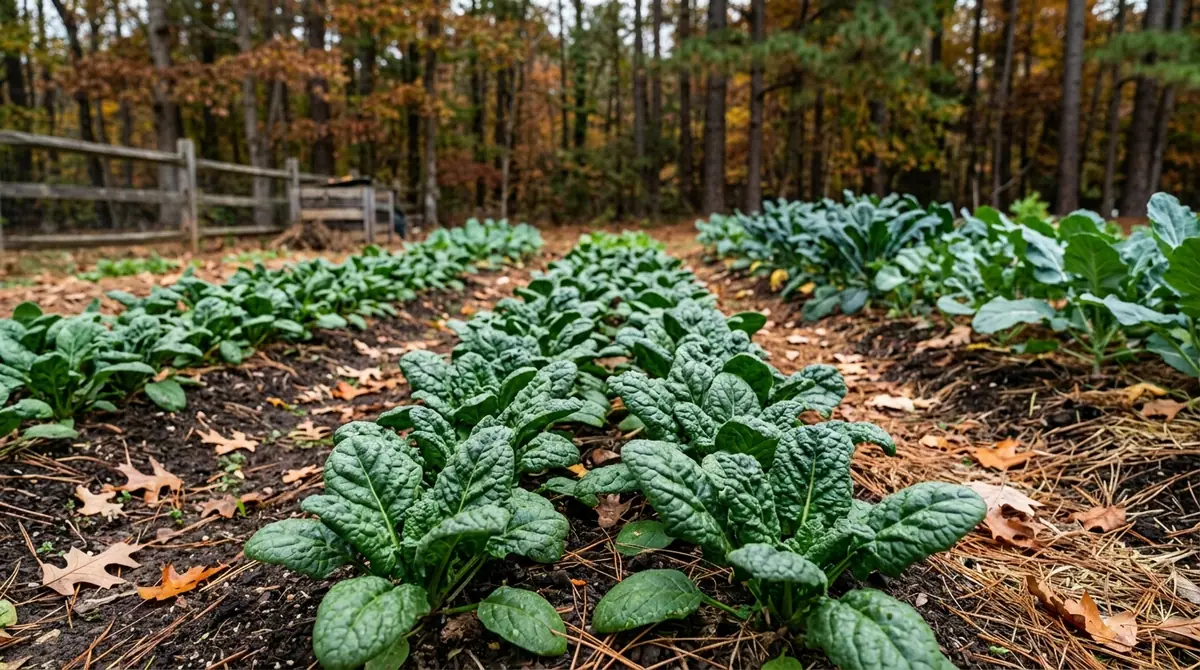
Spinach plugs can be slid into soil when the air temperature hovers at 48°F (9°C) and a light frost still glazes fallen leaves, allowing tender rosettes to thrive and yield crisp, vitamin-dense leaves weeks before warm-season crops wake up. Climate presents a fascinating puzzle for cool-season growers because of distinct geographical zones ranging from high-elevation mountain areas (Zone 6a/6b) down to humid coastal plains (Zone 8b/9a). Timing spinach planting accurately across these varied landscapes determines whether to harvest sweet, succulent greens or watch the crop bolt into bitter, flowering stalks under unexpected southern heatwaves.
1. Botanical Overview & Natural Habitat

Understanding this ancestral adaptation is the key to mastering spinach cultivation in North Carolina. Spinacia oleracea is an obligate long-day plant. When day lengths exceed roughly 14 hours and ambient air temperatures climb above 75°F (24°C), internal hormonal shifts signal the plant to bolt, shooting up a central flower stalk, becoming bitter, and rendering the leaves unmarketable. Because NC experiences rapid transitions from brisk spring weather to humid, sun-drenched summers, synchronizing your planting window with its natural habitat parameters is critical.
For gardeners looking to balance diverse garden ecosystems, matching cool-season edibles with structural or ornamental perennials—much like organizing shade gardens with The Complete Guide to Coleus Plants: 50+ Varieties, Care, Propagation & Landscaping—helps maximize square footage while soil temperatures remain cooperative.
2. Essential Environmental & Care Requirements
To produce thick, succulent leaves packed with iron and vitamins A and C, spinach demands specific environmental inputs that mimic its high-altitude, temperate origins.
| Parameter | Optimal Condition | Common Mistake | Why It Matters |
|---|---|---|---|
| Soil Temperature | 45°F–68°F (7°C–20°C) | Planting when soil exceeds 75°F (24°C) | High soil temperatures drastically reduce seed germination rates and induce early dormancy. |
| Air Temperature | 50°F–70°F (10°C–21°C) | Exposing plants to sustained temperatures >75°F (24°C) | Heat stress accelerates bolting, ruining leaf flavor through bitter alkaloid accumulation. |
| Soil pH | 6.5–7.0 | Planting in acidic NC Piedmont clay below 6.0 | Highly acidic soils lock up calcium and magnesium, causing tip-burn and stunted leaf expansion. |
| Sunlight | 6–8 hours of direct sun | Full, blazing summer exposure | While spinach needs light, excessive infrared radiation drives leaf temperature up and triggers flowering. |
Spinach develops a surprisingly deep taproot for such a compact leafy green—often reaching 12 to 18 inches (30 to 45 cm) into the earth to source subsurface moisture. This deep-rooting habit mirrors the subterranean exploration seen in other productive kitchen garden crops, comparable to how gardeners must evaluate How Deep Do Pepper Plant Roots Go? Pot Size & Substrate Depth Guide to ensure proper structural and nutritional support.
In terms of moisture, spinach requires consistent, even soil hydration. Fluctuations between drought and heavy watering cause leaf tissues to crack or become tough. Furthermore, NC’s heavy clay soils can compact rapidly, suffocating that hardworking taproot. Incorporating aged compost and organic matter improves soil tilth, ensuring your beds drain adequately while retaining the moisture necessary for rapid, tender leaf expansion. For local climate data and regionally tailored planting schedules, consult the NC State Extension Home and Garden Information Center.
3. Step-by-Step Cultivation, Feeding & Propagation
Whether you are gardening in the mountain pockets of Asheville, the clay hills of the Triangle, or the sandy loams of the coast, timing is everything. In North Carolina, you have two primary planting windows: a spring crop sown 4 to 6 weeks before the last average frost date, and a fall/winter crop sown from late August through October. Fall planting is often favored by experienced NC growers because the soil is warm enough for fast germination, but cooling air temperatures and shorter days prevent premature bolting, yielding a sweeter, longer harvest that can often overwinter under light row covers.
Follow this meticulous protocol to establish your NC spinach crop from seed to harvest:
- Site Selection and Soil Preparation: Choose a bed receiving 6 to 8 hours of daily sun. Test your soil pH; if it falls below 6.0, amend it with agricultural lime 2 to 4 weeks prior to planting. Work in a 2-inch (5 cm) layer of fully composted organic matter to a depth of 8 inches (20 cm) to ensure loose, friable texturing.
- Seed Selection: Select varieties proven for Southern conditions, such as 'Bloomsdale Long Standing' (an heirloom savoy type with exceptional bolt resistance) or 'Space' (a smooth-leaved variety).
- Sowing Depth and Spacing: Poke furrows into the soil 0.5 inches (1.2 cm) deep. Space seeds 1 inch (2.5 cm) apart within the row, with rows spaced 12 inches (30 cm) apart.
- Initial Irrigation: Gently water the seedbed using a fine rose attachment to avoid dislodging seeds. Keep the soil surface evenly moist until germination occurs, which typically takes 7 to 14 days at soil temperatures of 50°F–65°F (10°C–18°C).
- Thinning: Once seedlings reach 2 inches (5 cm) tall and display their first true leaves, thin them out so final plants stand 3 to 4 inches (7.5 to 10 cm) apart. Snip unwanted seedlings at the soil line with scissors rather than pulling them to prevent disturbing the delicate root systems of neighboring plants.
- Fertilization Management: Spinach is a moderate-to-heavy nitrogen feeder. Side-dress your crop with a balanced organic, slow-release nitrogen fertilizer or a liquid kelp/fish emulsion solution roughly 3 weeks after germination, and again midway through the harvest window.
- Harvesting: Begin harvesting outer, older leaves (the cut-and-come-again method) once they reach 4 to 6 inches (10 to 15 cm) in length, or harvest the entire plant by slicing it at the soil line once it reaches maturity—typically 40 to 50 days from sowing.
💡 Pro-Tip: If you are transitioning cool-season beds into warm-season production, don't let your soil sit bare. Rotate your spinach plot into warm-season crops carefully, keeping in mind how managing transplant shock impacts performance—a strategy just as vital here as when you learn When to Transplant Cucumber Seedlings: Stop Root Shock & Boost Growth or organize regional seasonal calendars like When to Plant Strawberries in Kansas: Zone 6a/6b Seasonal Calendar.
4. Common Problems, Pests & Troubleshooting
Even with meticulous timing, North Carolina's variable weather and high humidity introduce specific horticultural challenges for spinach growers.
- Downy Mildew (Peronospora farinosa): This is the most prevalent fungal pathogen affecting NC spinach, favored by cool, wet spring conditions and heavy morning dews. It manifests as yellow, angular spots on the upper leaf surfaces with a grayish-purple fungal fuzz underneath. Prevention: Plant resistant cultivars, ensure a minimum of 12 inches (30 cm) of row spacing for adequate air circulation, and water only at the base of plants in the early morning so foliage dries quickly.
- Leafminers: The larvae of the spinach leafminer fly burrow inside leaf tissues, creating unsightly serpentine mines or blotches between the upper and lower epidermis. Prevention: Install floating row covers immediately after seeding to physically block adult flies from depositing eggs on your crops. Manually crush larvae inside the leaves or prune away heavily infested fronds immediately.
- Aphids and Flea Beetles: Green peach aphids cluster on the undersides of leaves, sucking sap and secreting sticky honeydew, while tiny flea beetles chew characteristic "shot-hole" patterns in young leaves. Prevention: Introduce beneficial insects like lady beetles and parasitic wasps, or spray foliage with insecticidal soap formulations as a targeted organic control.
⚠️ Important Caution: Never apply high-nitrogen synthetic fertilizers late in the spring growing season to push lagging spinach plants. Excess, uncoordinated nitrogen uptake forces rapid, watery cell expansion that instantly triggers vulnerability to sucking pests and accelerates the biochemical pathways leading to premature bolting.

5. Frequently Asked Questions
When is the exact best month to plant spinach in North Carolina?
In central and eastern NC (Zones 7 and 8), the optimal planting window spans from late August through October for a fall/winter harvest, and from mid-February through late March for a spring harvest. In the mountain regions (Zone 6), push spring plantings back to March and April, and fall plantings forward to August.
Can spinach survive a North Carolina winter outdoors?
Yes, established spinach plants are remarkably cold-hardy and can easily survive winter temperatures down to 15°F (-9°C) without protection, and even lower with the aid of floating row covers or low tunnels. The freezing temperatures actually prompt the plant to concentrate sugars in its leaves, resulting in an exceptionally sweet harvest by late winter.
Why is my spinach turning yellow and dying in the Piedmont clay?
Yellowing foliage in North Carolina’s heavy Piedmont clay typically points to two primary culprits: soil compaction suffocating the root system, or waterlogged soils leading to root rot (such as Pythium species) after heavy spring downpours. Ensure your beds are amended with organic matter to improve drainage and verify your soil pH is balanced between 6.5 and 7.0.
How do I stop my spinach from bolting prematurely in May?
Bolting is triggered by day lengths exceeding 14 hours and temperatures consistently creeping above 75°F (24°C). To delay this process, select bolt-resistant varieties like 'Bloomsdale Long Standing', provide afternoon shade using 30% shade cloth as late spring temperatures rise, and harvest your crop promptly before heatwaves set in. For additional troubleshooting on managing seasonal crop transitions and planning regional successions, explore expert references provided by the Royal Horticultural Society.
Related Guides
📋 Table of Contents ▼ Click to expand
Tags:
Keep reading
🌿 Related Plants You Might Like




PlantSavvyWorld
Editorial team
PlantSavvyWorld is an independent botanical education project. Articles are drafted with AI assistance, then edited and checked against university extension services, botanical garden collections and other published horticultural sources.