

What Zone is Richmond Va for Planting
Written with AI assistance, edited and checked against horticultural sources.
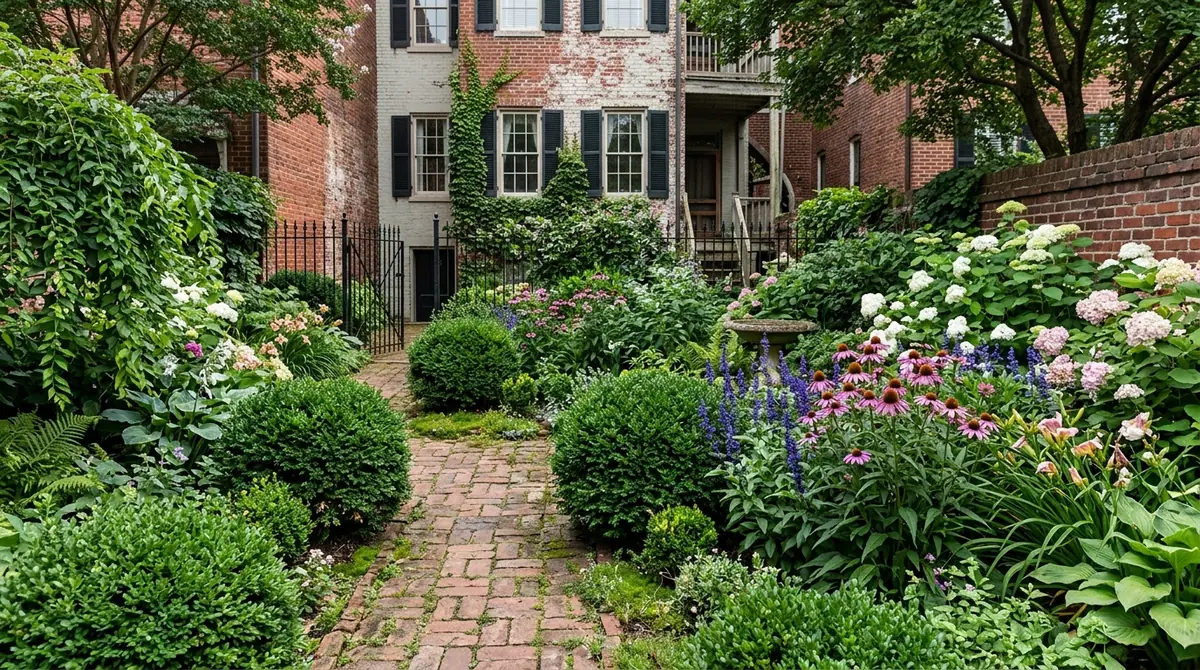
Gardening in Richmond, Virginia, involves a delicate dance between anticipation and caution where the climate sits in a dynamic transition zone that rewards observant growers, particularly when checking local soil thermometers against potential late-season frosts that can sneak down from the Blue Ridge to threaten early plantings.

1. Botanical Overview & Natural Habitat
Richmond, Virginia officially spans USDA Hardiness Zones 7b and 8a, depending on your exact neighborhood, elevation, and proximity to the urban heat island or the James River. According to the USDA Plant Hardiness Zone Map, Zone 7b experiences average annual extreme minimum temperatures ranging from 5°F to 10°F (-15°C to -12°C), while Zone 8a nudges slightly warmer, with lows dropping only to 10°F to 15°F (-12°C to -9°C).
For landscape designers working in the River City, this classification tells only half the story. Richmond sits precisely in the transition space between the Piedmont physiographic province and the Atlantic Coastal Plain, known as the Fall Line. This means our native soils shift dramatically over very short distances—from heavy, acidic red clay on the city's West End and near the University of Richmond, to sandy loam and alluvial deposits as you move closer to the riverbanks in Manchester or Rocketts Landing.
Historically, this area was dominated by oak-hickory forests interspersed with native understory treasures like Cornus florida (flowering dogwood) and Cercis canadensis (eastern redbud). The natural habitat features a humid subtropical climate (Köppen Cfa), characterized by hot, humid summers where daily highs regularly exceed 90°F (32°C) and moderate winters where ground freezing is intermittent rather than permanent. This freeze-thaw cycle is the single most critical environmental factor to understand when establishing perennial root systems, as winter heaving can push shallowly rooted transplants completely out of the soil if they lack proper mulch protection.
2. Essential Environmental & Care Requirements
To design a thriving garden in Richmond's 7b/8a zones, you must master the delicate balance between moisture retention, soil drainage, and solar exposure. Our region receives an annual average of 43 inches (109 cm) of rainfall, but it is rarely distributed evenly. We often experience severe summer dry spells punctuated by torrential tropical downpours associated with Atlantic hurricane remnants tracking inland.
Sun exposure dictates plant selection across the city. Shaded courtyard gardens in historic neighborhoods like Church Hill require shade-tolerant woodland species that can handle high humidity without succumbing to powdery mildew, whereas sprawling suburban yards in Chesterfield or Henrico bake in full, unmitigated sun for 8 to 10 hours a day in July.
| Parameter | Optimal Condition | Common Mistake | Why It Matters |
|---|---|---|---|
| Soil pH | 6.0 to 6.8 for most ornamentals (5.5 for ericaceous plants) | Failing to test native clay; assuming all Richmond soil is acidic | Proper pH unlocks essential macronutrients like phosphorus and iron; extreme acidity or alkalinity locks them out, causing chlorosis. |
| Drainage | Friable loam with 5% to 8% organic matter | Planting directly into compacted sub-soil clay without amending a wider bed | Heavy Richmond clay holds water like a brick bowl, leading to Phytophthora root rot during wet spring months. |
| Irrigation | 1 inch (2.5 cm) of water per week via drip lines or deep soaking | Frequent, shallow surface sprinkling that encourages weak, shallow root growth | Deep watering forces roots to plunge 12 to 18 inches (30 to 45 cm) deep into the soil profile to survive summer drought. |
| Mulching | 2 to 3 inches (5 to 7.5 cm) of shredded hardwood mulch | Piling mulch directly against tree trunks ("volcano mulching") | Thick mulch moderates soil temperature swings in winter and retains vital moisture in summer, while trunk contact invites fungal decay. |
💡 Pro-Tip: When planting in Richmond's stubborn red clay, never dig a post-hole style planting pit. Dig a shallow, wide basin—three times the width of the root ball but no deeper—and rough up the sides of the hole with your shovel. This prevents the "smooth-pot" glazing effect that stops feeder roots from breaking out into the surrounding landscape.
3. Step-by-Step Cultivation, Feeding & Propagation
Establishing a perennial border or vegetable patch in Richmond requires strict adherence to seasonal timing. Because our average last spring frost occurs around April 15th to April 25th, and our first fall frost arrives between October 25th and November 5th, your growing season spans roughly 185 to 200 frost-free days.
Follow this proven sequence for installing new perennials and shrubs in the Richmond area:
- Site Assessment and Soil Testing: Collect core samples from 6 inches (15 cm) deep across your planting site. Send them to the Virginia Cooperative Extension soil lab to get precise lime and fertilizer recommendations tailored to your neighborhood's specific mineral makeup.
- Bed Preparation: Clear all aggressive weeds like nimblewill and bermudagrass. Broadfork or spade the bed to loosen compacted earth, incorporating 2 inches (5 cm) of well-aged leaf mold or compost into the top 8 inches (20 cm) of soil.
- Plant Selection and Acclimatization: Purchase nursery stock rated securely for Zones 7 and 8. Harden off container-grown plants by setting them outside in a protected, partly shaded spot for 7 days before installation, increasing their sun exposure by 1 hour each day.
- Excavation and Placement: Dig your wide, shallow planting hole. Gently tease apart any circling roots on container plants to prevent girdling. Set the root ball so the root flare sits 1 inch (2.5 cm) above the surrounding grade to account for natural settling.
- Initial Watering and Settling: Backfill with native soil—do not add heavy amendments strictly to the planting hole, as this creates a perched water table. Tamp down lightly with your hands, and water thoroughly with 2 gallons (7.5 liters) of water per plant to eliminate air pockets.
- Mulching and Maintenance: Apply a 2-inch (5 cm) layer of double-shredded hardwood bark, keeping a 3-inch (7.5 cm) clearance ring around all woody stems. Water deeply every 3 to 5 days for the first four weeks until root systems establish.
When it comes to feeding, Richmond's nutrient-leaching spring rains demand a split-application approach. Apply a slow-release, balanced organic granular fertilizer (such as a 5-10-5 blend) in early April as new growth emerges, followed by a light compost top-dressing in mid-summer to sustain microbial life in the soil.
4. Common Problems, Pests & Troubleshooting
Every seasoned Richmond gardener knows that our humid, subtropical summers create a playground for fungal pathogens and opportunistic insects. Recognizing these issues early saves plants from irreversible decline.
Powdery mildew (Erysiphe spp.) is ubiquitous on native dogwoods, phlox, and bee balm during August when night humidity spikes. Combat this by spacing plants at least 3 feet (1 meter) apart to maximize air circulation, watering exclusively at the base of the plant in the early morning hours, and applying preventive copper fungicide or neem oil at the first sign of white leaf dusting.
Japanese beetles (Popillia japonica) emerge in massive swarms around late May and feast on roses, crape myrtles, and fruit trees. Avoid pheromone traps—they notoriously draw more beetles from neighboring yards—and instead hand-pick them at dawn into a bucket of soapy water, or introduce beneficial nematodes (Heterorhabditis bacteriophora) to your lawn in late summer to kill the overwintering grubs.
Root rot caused by Pythium and Phytophthora is the silent killer of landscape plants in Richmond's heavy clay. If your boxwoods or lavender plants suddenly turn bronze and drop leaves in July, check the root crown. If the bark sloughs off easily and the roots are dark brown and mushy, your soil is retaining too much water. Move affected plants to raised beds or heavily amend future planting sites with coarse sand and expanded shale.
⚠️ Important Caution: Never apply high-nitrogen synthetic fertilizers to Richmond landscapes after August 1st. Doing so triggers a late flush of tender, succulent growth that will be instantly destroyed by our first autumn frost, inviting canker diseases and winter kill into your valuable woody ornamentals.

5. Frequently Asked Questions
When is the safest time to plant tomatoes outdoors in Richmond, Va?
Set out your tomato transplants between April 20th and May 5th. While our average last frost date is mid-April, late-spring cold snaps dropping below 38°F (3°C) will stunt tomato growth and severely compromise their long-term vigor. Keep floating row covers handy just in case an unseasonal dip occurs.
Can I grow tropical plants like banana trees and citrus in Richmond's zone 7b/8a?
Yes, but with caveats. Hardy banana plants (Musa basjoo) thrive in Richmond and will return reliably from the roots every spring even if their above-ground pseudostems freeze back in January. True citrus (like lemons and limes) must be grown in containers and brought indoors to a sunny south-facing window or greenhouse before nighttime temperatures drop consistently below 45°F (7°C) in October.
Which hydrangeas perform best in Richmond's intense summer heat?
Hydrangea macrophylla (bigleaf hydrangeas) often suffer and wilt dramatically during Richmond's scorching July afternoons, requiring daily irrigation and afternoon shade to look their best. For bulletproof performance, plant Hydrangea paniculata (panicle hydrangeas like 'Limelight') or native Hydrangea arborescens (smooth hydrangeas like 'Annabelle'), which tolerate full sun and handle our regional weather extremes with ease.
How do I protect my perennial garden from winter heaving in Richmond?
Winter heaving occurs when alternating freeze-thaw cycles—common in Zones 7b and 8a—push newly planted perennials right out of the frozen earth. Prevent this by applying a generous 3-inch (7.5 cm) layer of straw, pine straw, or shredded bark mulch across your beds after the ground has frozen solid in December, rather than in early autumn. This keeps the soil temperature stable all winter long.
Related Guides
- What Hardiness Zone is Sacramento
- What Planting Zone is Sacramento Ca
- What Zone is Columbus Ohio
- What Planting Zone is Virginia in
- Zone 9 Plants Full Sun
📋 Table of Contents ▼ Click to expand
Tags:
🌿 Related Plants You Might Like




PlantSavvyWorld
Editorial team
PlantSavvyWorld is an independent botanical education project. Articles are drafted with AI assistance, then edited and checked against university extension services, botanical garden collections and other published horticultural sources.