

What Zone is Oregon in for Planting
Written with AI assistance, edited and checked against horticultural sources.
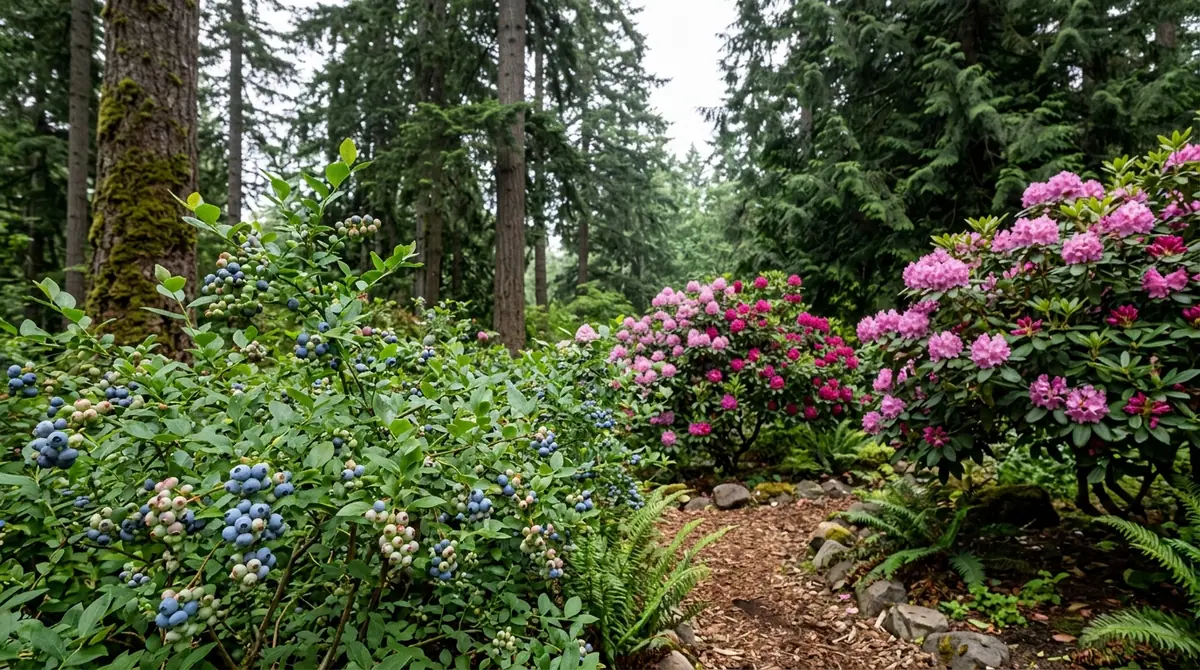
1. Botanical Overview & Natural Habitat
The short answer to what zone Oregon is for planting is that a single gardening rulebook cannot capture a state with lush rainforests in the west and bone-dry high deserts in the east; instead, Oregon is a geographical jigsaw puzzle that spans across nine distinct USDA hardiness zones, ranging from a mild Zone 5b (-15°F to -10°F / -26.1°C to -23.3°C) up to a maritime Zone 9b (25°F to 30°F / -3.9°C to -1.1°C).

East of the Cascades, the landscape transitions rapidly into the high desert and the Columbia Basin, dropping into USDA zones 5b through 7a. In places like Bend or Burns, winter lows can plunge down to -15°F (-26.1°C) or lower, accompanied by biting winds and low relative humidity. Soil profiles shift correspondingly: western valleys feature deep, nutrient-dense, slightly acidic alluvial soils and heavy clay loams (often ranging from pH 5.5 to 6.5), whereas eastern regions possess alkaline, sandy, or volcanic-ash-derived soils that frequently test above pH 7.5. Understanding your exact microclimate within these zones is the singular metric that determines whether your plants will thrive or perish by the first hard autumn frost.
2. Essential Environmental & Care Requirements
Planting successfully across Oregon's diverse biomes requires tailoring your care regimen to match local moisture, soil temperature, and photoperiod realities. West-side gardeners battle relentless winter saturation, which can rot root systems if drainage is inadequate, followed by drought conditions from July through September where rainfall can drop below 0.5 inches (1.27 cm) per month. East-side gardeners face intense UV exposure, rapid soil desiccation, and stark diurnal temperature swings where summer days hit 95°F (35°C) and drop to 50°F (10°C) overnight.
| Parameter | Optimal Condition | Common Mistake | Why It Matters |
|---|---|---|---|
| Soil pH (Western OR) | 5.8 – 6.5 | Adding excess agricultural lime | Acid-loving plants like blueberries and rhododendrons require iron availability found only in lower pH soils. |
| Soil pH (Eastern OR) | 6.8 – 7.8 | Neglecting sulfur amendments | High alkalinity locks out vital micronutrients such as manganese and phosphorus. |
| Irrigation Depth | 6 to 8 inches (15 to 20 cm) per session | Frequent, shallow surface watering | Deep watering encourages roots to grow downward, surviving dry spells; shallow water promotes weak root mats. |
| Winter Mulching | 3 inches (7.6 cm) of organic compost | Piling mulch directly against stems/trunks | Direct contact traps moisture against bark, inviting collar rot and rodent nesting. |
| Sun Exposure (Coastal) | 6+ hours of filtered marine fog/sun | Assuming coastal mist equals drought relief | Fog provides humidity, but root zones still dry out quickly in sandy coastal soils. |
To manage these regional variables effectively, consult the official USDA Plant Hardiness Zone Map to pinpoint your hyper-local designation down to the half-zone. Furthermore, western Oregon growers should cross-reference regional data via the Oregon State University Extension Service, which provides invaluable localized publications on pest cycles and soil chemistry tailored specifically to Pacific Northwest microclimates.
💡 Pro-Tip: Never rely solely on your zip code to determine planting times in Oregon. If your property sits in a frost pocket at the bottom of a slope, you are effectively growing one full zone colder than your neighbors just 50 vertical feet uphill. Always observe where snow melts first or frost lingers longest in your specific yard.
3. Step-by-Step Cultivation, Feeding & Propagation
Whether you are planting heritage fruit trees in the Applegate Valley or perennial borders in Portland, establishing a rigorous cultivation protocol ensures high plant vigor. Follow this chronological, step-by-step sequence to install new perennials, shrubs, or trees in Oregon soils:
- Site and Zone Verification: Identify your specific USDA zone and microclimate exposure (full sun vs. Rain shadow). Perform a simple jar test or use a digital meter to verify your soil texture and pH before purchasing plant material.
- Excavation and Sizing: Dig a planting hole that is 2 to 3 times wider than the root ball, but crucially, keep the depth slightly shallower than the root ball height—leaving the top 1 inch (2.5 cm) of the root flare completely exposed above the surrounding grade.
- Root Mitigation: Gently tease out circling or pot-bound roots using your fingers or a hori-hori knife. For heavily matted root balls, make 4 vertical cuts down the sides spaced 90 degrees apart to encourage outward root extension into native soil.
- Backfilling and Initial Settlement: Backfill using 100% native soil (avoid heavy amendments in the hole, which create a "bathtub effect" holding water). Tamp down gently with your hands or boots every 4 inches (10 cm) of backfill to eliminate large air pockets.
- Deep Initial Watering: Saturate the root zone slowly with 2 to 3 gallons (7.5 to 11.3 liters) of water to settle soil particles securely around the fine root hairs.
- Mulch Application: Apply a 3-inch (7.6 cm) layer of aged arborist wood chips or leaf mold in a wide ring around the plant, maintaining a mandatory 2-inch (5 cm) clear gap between the mulch and the main stem.
- Schedule Supplemental Irrigation: For spring and summer plantings in western Oregon, provide 1 inch (2.5 cm) of water per week via drip irrigation or soaker hoses for the entire first establishment year.
Feeding schedules should align with Oregon's seasonal rhythm. Apply a balanced, slow-release organic fertilizer (such as a 5-5-5 or 4-3-3 blend) just as bud break occurs in early April. Stop all nitrogen-heavy fertilization by late July; pushing new flush growth late in the season leaves plants vulnerable to sudden autumn freezes. Propagation is best achieved via softwood cuttings taken in June for western deciduous shrubs, or hard-wood cuttings taken in dormant winter months (November through January) for natives like red-osier dogwood and black twinberry.
4. Common Problems, Pests & Troubleshooting
Oregon's wet springs and mild autumns create a breeding ground for fungal pathogens and moisture-loving pests. Slugs and snails (Deroceras reticulatum and Helix aspersa) are public enemy number one in western gardens, chewing irregular holes in tender hosta and dahlia foliage between March and October. Control them using iron phosphate baits applied every 14 days during wet weather, and clear out dense decaying vegetation where they lay translucent eggs.
Root rot, caused by Phytophthora species, strikes frequently in poorly draining clay soils throughout the Willamette Valley and coastal ranges. Symptoms include premature yellowing, branch dieback, and dark, water-soaked bark near the soil line. If you spot Phytophthora, prune away affected branches with sterilized shears and improve surface grading immediately.
⚠️ Important Caution: Never apply high-nitrogen synthetic fertilizers to stressed plants experiencing drought or root rot. This forces rapid, weak cellular growth that quickly overburdens compromised root systems and attracts piercing-sucking insects like aphids and scale.

5. Frequently Asked Questions
What planting zone is Portland, Oregon in?
Portland primarily spans USDA Zones 8b and 9a, where average annual minimum winter temperatures range from 15°F to 25°F (-9.4°C to -3.8°C). However, urban heat-island effects and specific neighborhood microclimates can push certain micro-sites into a mild Zone 9b.
When should I plant tomatoes in Oregon?
In western Oregon (valleys), transplant hardened-off tomato starts outdoors between mid-May and early June, once nighttime low temperatures reliably stay above 50°F (10°C) and soil temperatures reach 60°F (15.5°C). In eastern high desert zones, wait until late May or early June after the final predicted frost date has passed.
Can I grow Mediterranean plants in western Oregon?
Yes, lavender, rosemary, and rockrose thrive in western Oregon during the dry summer months, provided they are planted in fast-draining, gritty, or sloped soil. The primary challenge is winter survival; ensure these plants never sit in standing winter water, or their roots will rot rapidly.
How do I protect tender plants from unexpected late freezes?
Keep frost cloth (0.5 oz to 2.0 oz weight) on hand. Drape it securely over sensitive perennials or container plants before dusk, weighting the edges down with stones or soil to trap radiant ground heat. Remove the covers by mid-morning once ambient temperatures rise above freezing.
Related Guides
- What Zone is Oregon for Planting
- What Hardiness Zone is Sacramento
- What Planting Zone is Sacramento Ca
- What Zone is Columbus Ohio
- What Planting Zone is Virginia in
📋 Table of Contents ▼ Click to expand
Tags:
🌿 Related Plants You Might Like






PlantSavvyWorld
Editorial team
PlantSavvyWorld is an independent botanical education project. Articles are drafted with AI assistance, then edited and checked against university extension services, botanical garden collections and other published horticultural sources.