

False Aralia Care
Written with AI assistance, edited and checked against horticultural sources.
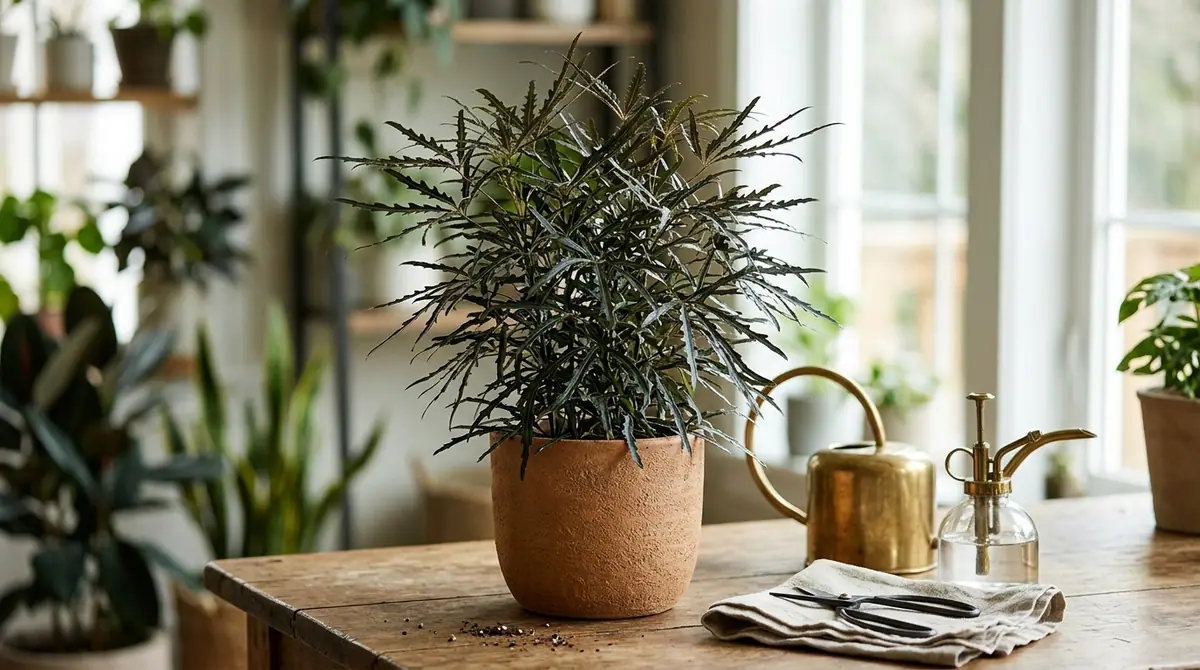
A gorgeous, lacy Plerandra elegantissima that is dropping leaves onto the floor is often suffering from incorrect watering and environmental stress. When the soil is bone dry down to 3 inches (7.6 cm) and a heating vent directly overhead is blasting dry air at 85°F (29°C) straight into its delicate canopy, the plant will react defensively. Relocating the plant six feet to the left and introducing a pebble tray will, within four weeks, stop those signature serrated, coppery-bronze juvenile leaves from dropping and encourage fresh, vibrant new growth. Understanding false aralia care through their native rainforest understory requirements transforms them from notoriously finicky prima donnas into extraordinarily rewarding botanical centerpieces.
1. Botanical Overview & Natural Habitat
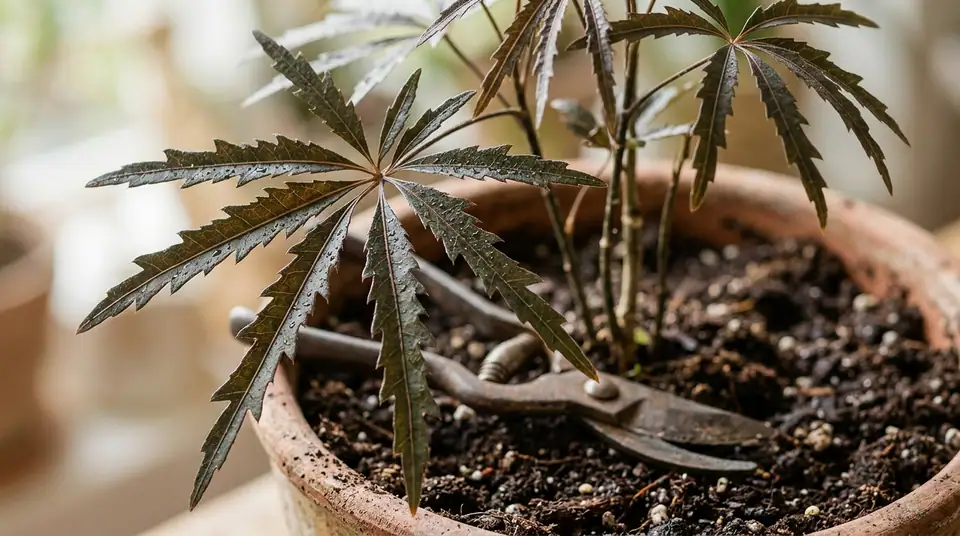
What captures the attention of indoor gardeners and landscape designers alike is its striking heteroblastic leaf development. Juvenile plants feature exceptionally narrow, deeply toothed, finger-like leaflets that emerge in a coppery-red or almost black hue before maturing into a deep, glossy dark green with reddish-brown margins. As the plant matures into a tree over many decades, its foliage broadens significantly, losing that delicate, skeletal look that makes young specimens so desirable for interior styling.
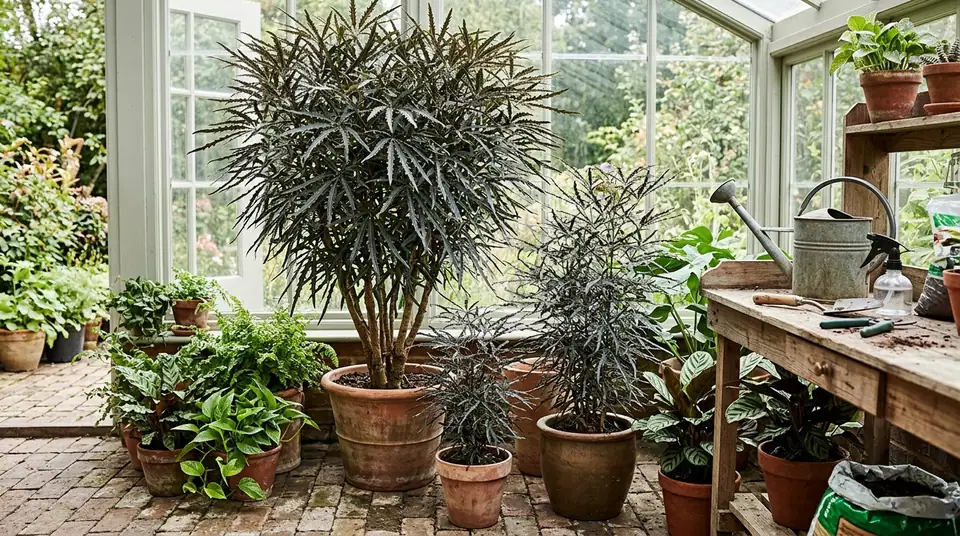
In interior residential or commercial landscape designs, I frequently use false aralia when a project calls for height, architectural framing, and vertical lift without visual heaviness. Its slender, dark stems and airy canopy create a sophisticated, minimalist silhouette that contrasts brilliantly with wider-leafed tropicals like monsteras or philodendrons. For a deeper dive into pairing contrasting indoor foliage styles, you can review our The Complete Guide to Coleus Plants: 50+ Varieties, Care, Propagation & Landscaping to see how contrasting textures elevate interior and exterior spaces. If you are curating a diverse indoor jungle, mastering false aralia care sets you up for success with other humidity-loving tropicals, much like learning How to Care for Indoor Orchids to Make Them Bloom Again.
2. Essential Environmental & Care Requirements
False aralias demand consistency above all else. Sudden shifts in their environment trigger stress, which manifests as rapid leaf drop. To keep your plant thriving, you must mirror the stable, dappled conditions of its New Caledonian home.
| Parameter | Optimal Condition | Common Mistake | Why It Matters |
|---|---|---|---|
| Light | Bright, indirect light (4 hours of filtered sun daily) | Placing in deep shade or scorching direct sun | Direct sun burns delicate juvenile leaves; deep shade halts growth and causes leaf loss. |
| Watering | Allow the top 1 to 2 inches (2.5 to 5 cm) to dry out | Keeping soil constantly soggy or bone dry | Overwatering rots the fine root system; underwatering causes instant leaf drop. |
| Humidity | 50% to 70% relative humidity | Placing near forced-air heating or AC vents | Low humidity dries out leaf margins, causing the plant to shed its foliage defensively. |
| Temperature | 65°F to 85°F (18°C to 29°C) | Exposing to drafts below 60°F (15°C) | Cold drafts shock the root system, triggering immediate defoliation. |
| Soil | Well-draining, peat-heavy loamy mix | Dense, heavy garden soil that compacts | Airy soil ensures oxygen reaches the root tips while retaining necessary moisture. |
Light is your primary engine for false aralia care. Position your plant near an east-facing window or a few feet back from a west- or south-facing window protected by a sheer curtain.
When it comes to hydration, consistency is king. Water thoroughly with room-temperature water until it flows freely from the drainage holes, then empty the saucer after 15 minutes. Never let the root ball sit in standing water. For a parallel on managing delicate root systems and moisture levels, take a look at our Lipstick Plant (Aeschynanthus Radicans) Complete Care & Bloom Guide.
Soil composition must balance moisture retention with rapid drainage. I recommend a custom blend of 50% high-quality peat or coco coir, 25% perlite or pumice, and 25% organic compost or orchid bark. For authoritative guidance on potting soil biology and container drainage mechanics, consult the Royal Horticultural Society (RHS).
💡 Pro-Tip: False aralias communicate stress through their leaves before anything else. If your plant starts dropping green leaves from the bottom up, check your watering schedule and draft exposure immediately. If it drops dry, crispy leaves from the top down, humidity is your culprit.
3. Step-by-Step Cultivation, Feeding & Propagation
Repotting, feeding, and propagating Plerandra elegantissima require gentle hands. Because their root systems are relatively sensitive compared to hardy landscape shrubs, following a precise protocol minimizes transplant shock.
Step-by-Step Cultivation & Repotting Protocol
- Select the Right Vessel: Choose a container only 1 to 2 inches (2.5 to 5 cm) larger in diameter than the current root ball. Terracotta is acceptable, but glazed ceramic or plastic helps retain the even moisture false aralias prefer. Ensure the pot features unobstructed drainage holes.
- Prepare the Soil Medium: Mix your substrate combining 2 parts peat moss, 1 part perlite, and 1 part compost to create a nutrient-rich, well-aerated medium.
- Unpot and Inspect: Gently slide the false aralia from its nursery container. Tease apart any tightly bound outer roots with your fingers, and inspect for dark, mushy roots, trimming them away with sterile shears.
- Establish Planting Depth: Position the plant in the new container so the top of the root ball sits roughly 1 inch (2.5 cm) below the rim, ensuring the soil line matches its previous depth.
- Backfill and Settle: Fill in around the root ball with your prepared soil mix, pressing down gently with your fingertips to eliminate large air pockets without compressing the delicate medium.
- Initial Watering: Water the plant thoroughly until moisture drains from the bottom. Allow it to drain completely, and place it back in its designated bright, indirect lighting spot.
Feeding Regimen
Feed your false aralia with a balanced, water-soluble liquid houseplant fertilizer diluted to half-strength once every 4 weeks during the active growing season (spring and summer). Cease fertilization entirely from late autumn through winter (November to February) when natural light levels drop and the plant enters a semi-dormant resting phase.
Propagation Techniques
Propagating false aralia at home can be challenging because stem cuttings are notoriously slow to root without professional mist benches. However, soft-wood stem cuttings taken in late spring offer the best success rate:
- Take a 4 to 6-inch (10 to 15 cm) tip cutting using sterile pruning shears.
- Dip the cut end in rooting hormone powder to accelerate cellular division.
- Insert the cutting into a propagation tray filled with moist perlite and peat.
- Enclose the setup in a clear plastic bag to maintain 90% humidity, placing it under warm, bright, indirect light until roots form in 30 to 45 days. For temperature-sensitive holiday plants that require similar propagation care, explore our Holiday Plants Care Guide: How to Force Poinsettias to Rebloom & Holiday Cacti ID.
⚠️ Important Caution: Never fertilize a dry, stressed, or newly repotted false aralia. Applying high concentrations of mineral salts to compromised roots causes chemical burn, turning leaf tips brown and accelerating leaf drop. Always water your plant thoroughly 24 hours before applying any liquid feed.
4. Common Problems, Pests & Troubleshooting
Even with pristine false aralia care routines, environmental changes or indoor pests can occasionally challenge your specimen.
Pests
- Spider Mites (Tetranychus urticae): Thriving in the warm, dry indoor air that false aralias despise, these microscopic pests spin fine webs under the leaves and along stem joints. Treat minor infestations by wiping foliage down with insecticidal soap or neem oil every 7 days for a 21-day cycle to break the egg-laying chain.
- Mealybugs (Pseudococcus): Look out for cottony white masses in leaf axils and along stems. Dab individual pests with a cotton swab dipped in 70% isopropyl alcohol, followed by an overall spray of horticultural oil.
Environmental Disorders
- Leaf Drop (Abscission): The single most frequent issue reported by growers. If your false aralia loses leaves rapidly, retrace your steps over the past 14 days. Did the room temperature drop below 60°F (15°C)? Did the soil dry out completely? Did you move it into a darker corner? Correct the environmental insult, and the plant will eventually stabilize and push out new growth buds.
- Tip Burn & Browning: Caused by inconsistent watering, low humidity, or excess mineral buildup from tap water containing high levels of fluoride or chlorine. Switch to distilled or rainwater, and invest in a cool-mist humidifier to elevate ambient room moisture.
5. Frequently Asked Questions
Why is my false aralia dropping its leaves?
False aralias drop leaves as a defense mechanism against sudden environmental stress. The most common triggers include temperature drops below 60°F (15°C), cold drafts from doors or windows, erratic watering cycles (letting the soil go completely bone dry), or a sudden reduction in light. To stop the leaf drop, identify and stabilize the environmental factor immediately, and ensure your watering and lighting regimes remain consistent.
Can I prune my false aralia to make it bushier?
Yes, you can prune a false aralia to encourage lateral branching. Use clean, sterilized pruning shears to cut back the main growing tip above a node. This stimulates dormant buds lower down on the stem, resulting in a fuller, multi-stemmed canopy rather than a single leggy trunk. Spring is the ideal time for this task, as the plant has maximum energy for recovery during the active growing season.
How often should I water a false aralia indoors?
On average, water your false aralia every 7 to 14 days, depending on your indoor climate. Always test the soil with your finger before watering: if the top 1 to 2 inches (2.5 to 5 cm) feel dry, it is time to water thoroughly. If the soil is still damp at that depth, wait a few more days. Never water on a rigid calendar schedule, as heating and cooling cycles drastically change how fast indoor potting soil dries out.
Is false aralia toxic to cats and dogs?
According to the ASPCA toxic plant database, Plerandra elegantissima is generally considered non-toxic to cats, dogs, and horses. However, ingestion of any raw plant material can occasionally cause mild gastrointestinal upset, vomiting, or excessive salivation in curious pets due to the fibrous nature of the stems and leaves. It is always best practice to keep prized houseplants out of reach of nibbling pets.
Related Guides
📋 Table of Contents ▼ Click to expand
Tags:
🌿 Related Plants You Might Like






PlantSavvyWorld
Editorial team
PlantSavvyWorld is an independent botanical education project. Articles are drafted with AI assistance, then edited and checked against university extension services, botanical garden collections and other published horticultural sources.