

Chigger Flower
Written with AI assistance, edited and checked against horticultural sources.
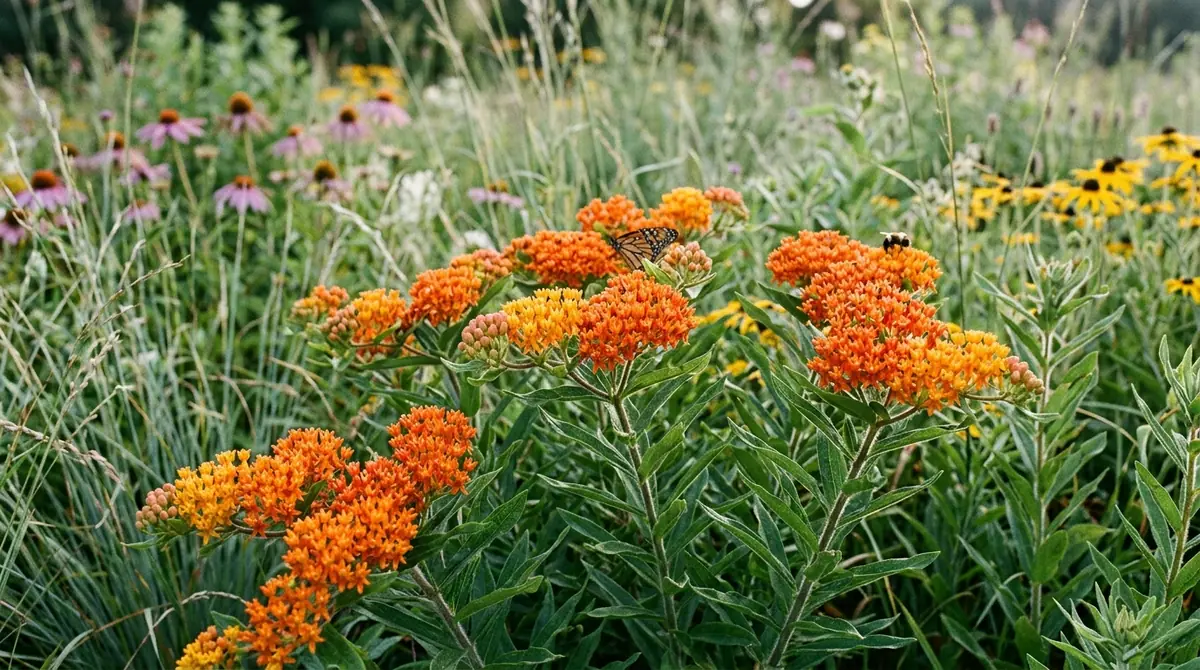
I first encountered the chigger flower during a blistering July field survey in the tallgrass prairies of eastern Kansas, wiping sweat from my brow while dodging actual chiggers clinging to the underbrush. Despite its rustic, slightly ominous common moniker, this native wildflower stopped me cold with its electric orange-red blooms swaying above deeply notched, thread-like foliage. Botanically known as Talinum calycinum (frequently reclassified as Phemeranthus calycinus), this succulent perennial is a masterclass in survival, thriving in baking heat and bone-dry soil where other ornamentals wither into dust. Over the past fifteen years of landscape design, I have woven this resilient native into rock gardens and dry-stacked retaining walls, watching it perform miracles in microclimates that defeat standard perennials.
1. Botanical Overview & Natural Habitat
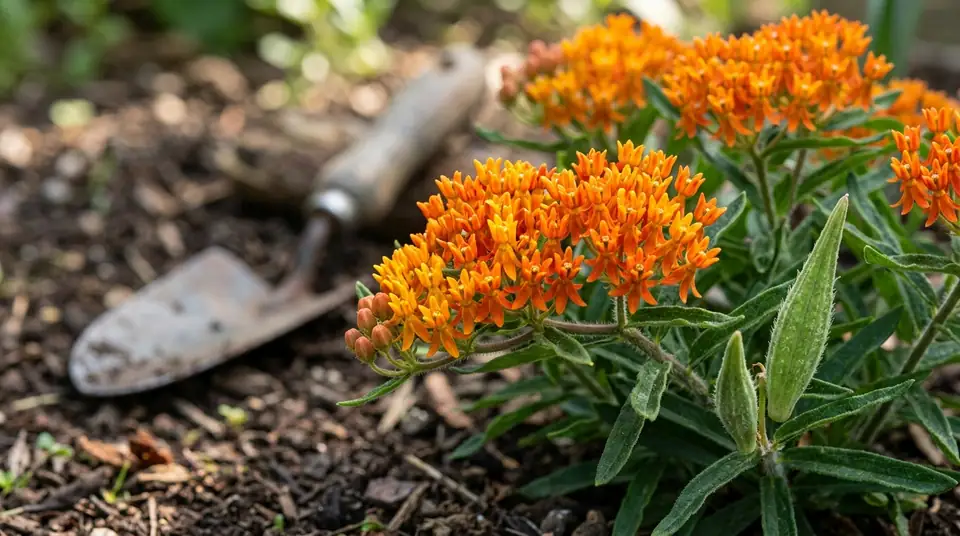
Morphologically, Phemeranthus calycinus is built for drought. It features a swollen, tuberous rootstock that stores moisture beneath the soil surface, anchoring the plant against wind and shifting scree. Its leaves are succulent, linear, and semi-cylindrical, typically measuring 1.0 to 3.0 inches (2.5 to 7.6 cm) in length, clustered primarily near the base. The foliage emerges in mid-spring, sporting a glaucous blue-green tint that reduces solar radiation absorption.
The inflorescence is the plant's crowning glory. Slender, wiry scapes rise 6.0 to 12.0 inches (15.0 to 30.0 cm) above the foliage mat, bearing loose cymes of bright magenta-pink or rose-red blossoms. Each flower measures roughly 0.75 inches (1.9 cm) across, featuring numerous golden-yellow stamens. True to its fameflower descriptor, the blossoms open only in the afternoon—typically between 2:00 PM and 6:00 PM—and only under bright, unclouded sunlight, closing tightly by dusk or on heavily overcast days.
Its ecological niche is specialized. According to the Lady Bird Johnson Wildflower Center, it acts as a crucial nectar source for specialized native bees, small butterflies, and syrphid flies. In a designed landscape, it functions brilliantly as an accent plant in crevice gardens, xeriscapes, and native prairie restorations where soil is lean and drainage is absolute.
2. Essential Environmental & Care Requirements
Recreating the natural baking rock ledge environment of the chigger flower is the secret to its long-term survival in cultivation. Deviate from these parameters, and the plant will quickly succumb to root rot or etiolation.
| Parameter | Optimal Condition | Common Mistake | Why It Matters |
|---|---|---|---|
| Light Exposure | Full sun (6 to 8+ hours of direct sunlight daily) | Planting in partial shade or eastern-only exposure | Insufficient light causes weak, leggy stems and prevents the afternoon blooms from opening. |
| Soil Texture | Gritty, sandy, or gravelly loam with high permeability | Amending garden beds with heavy compost or rich topsoil | Excess organic matter retains moisture, leading to fatal fungal rots in the tuberous root. |
| Soil pH | 6.5 to 7.5 (Neutral to slightly alkaline) | Forcing the plant into heavily acidic peat-based soils | Nutrient uptake is inhibited in acidic conditions, weakening the plant's natural defenses. |
| Watering Regimen | Deep, infrequent watering; allow complete dry-out | Frequent, shallow irrigation or automated daily sprinklers | Constant moisture starves the roots of oxygen and triggers soft rot of the fleshy caudex. |
| Temperature Range | USDA Zones 5a through 9b (-20°F to 30°F / -29°C to -1°C winter lows) | Exposing unprotected plants to standing winter slush | While cold-hardy, the combination of sub-zero temperatures and saturated soil is lethal. |
To dive deeper into establishing young plants without shocking their root systems, consult our guide on When to Transplant Flower Seedlings to ensure your timing aligns with local frost-free dates.
💡 Pro-Tip: Never site your chigger flowers near lawn irrigation heads. Even if the rest of your xeriscape thrives, occasional overspray from turfgrass watering schedules is enough to slowly rot a established Phemeranthus from the inside out over a single summer.
3. Step-by-Step Cultivation, Feeding & Propagation
Cultivating Phemeranthus calycinus requires a shift in mindset from traditional gardening: you must actively neglect it regarding water and fertility. Follow this precise protocol to establish a thriving colony from seed or existing root stock.
- Site Selection and Excavation: Choose a south- or west-facing slope, raised bed, or crevice garden. Excavate the top 4.0 to 6.0 inches (10.0 to 15.0 cm) of native soil if it retains heavy clay.
- Soil Amendment: Blend native soil with a 50/50 mixture of coarse horticultural sand, decomposed granite, and pea gravel to guarantee rapid percolation. The goal is a medium that sheds water as fast as a kitchen sieve.
- Seed Sowing or Planting: If starting from seed, surface-sow them in late winter or early spring. Do not bury the seeds, as they require light to germinate; press them gently into the gritty surface substrate. If planting nursery-grown bare-root tubers or container plants, dig a hole twice as wide as the root mass but no deeper, ensuring the crown sits slightly elevated above the surrounding grade to prevent standing water accumulation.
- Initial Watering: Apply a gentle misting to settle the soil particles around the roots or seeds. Keep the soil barely damp for the first 14 to 21 days until germination or establishment occurs, then taper off drastically.
- Establishment and Thinning: Once seedlings reach 1.5 inches (3.8 cm) in height, thin them to 6.0 inches (15.0 cm) apart to ensure adequate airflow.
- Mulching: Top-dress the surrounding soil with a 1.0-inch (2.5-cm) layer of quarter-inch gravel or crushed stone. Avoid organic mulches like shredded bark or wood chips, which trap moisture against the succulent foliage.
- Maintenance Feeding: Refrain from applying commercial chemical fertilizers or rich compost top-dresses. A single application of a balanced, low-nitrogen slow-release organic fertilizer at a rate of 0.5 lbs per 100 sq ft in early spring is more than sufficient, though lean soils often yield sturdier, more floriferous plants.
⚠️ Important Caution: Wear gloves and wash hands thoroughly after handling wild-collected plant material, and ensure children or pets do not consume the foliage, as oxalates present in the succulent leaves can cause mild gastrointestinal irritation.
4. Common Problems, Pests & Troubleshooting
Because chigger flowers are naturally adapted to severe abiotic stress, most problems you will encounter are self-inflicted through excessive care.
Root and Crown Rot (Phytophthora and Pythium species) This is the single most common cause of sudden plant death. Symptoms include a sudden yellowing of the succulent leaves, followed by a translucent, mushy collapse at the soil line.
- Correction: Immediately cease all watering. If caught early, unearth the plant, slice away decayed black tissue using a sterile blade dipped in 70% isopropyl alcohol, dust the wound with powdered sulfur or cinnamon, and replant in bone-dry, sterile grit.
Etiolation and Lack of Blooms If your chigger flower produces long, pale, sprawling stems and fails to open its afternoon blossoms, the plant is starving for light or suffering from nutrient toxicity.
- Correction: Relocate the specimen to a spot receiving a minimum of 8 hours of unfiltered, blazing sun. Cease all fertilizing immediately.
Foliar Pests (Aphids and Mealybugs) Occasionally, soft-bodied insects target the tender sap of the succulent leaves, particularly on plants grown in slightly too much shade or over-fertilized environments.
- Correction: Blast the foliage with a strong, direct stream of water from a hose nozzle in the early morning. For persistent infestations, apply insecticidal soap spray directly to the insects during a cool, cloudy period to avoid solar leaf scorching.
5. Frequently Asked Questions
Why is my chigger flower not blooming even though it gets full sun?
Lack of blooms is almost always tied to over-watering or overly rich soil. When Phemeranthus calycinus receives too much nitrogen or soil moisture, it channels its biological energy into rapid vegetative growth rather than reproduction. Withhold supplemental irrigation entirely and let the plant struggle in lean, rocky earth to trigger prolific summer flowering.
Does the chigger flower actually attract chiggers?
No. Despite its vernacular name, the plant does not harbor or attract harvest mites (chiggers). The common name stems from the fact that the plant frequently grows in dry, rocky, scrubby areas where wild chigger populations naturally reside. You are far more likely to encounter chiggers in overgrown, humid lawns or tall grass than within a properly maintained, gravel-mulched rock garden featuring this species.
How do I collect and store chigger flower seeds?
The plant produces tiny, rounded capsules that split open when mature, releasing glossy, black, snail-shaped seeds. Monitor the wiry scapes in mid-to-late summer. Snip the capsules just as they begin to split open and place them in a paper bag indoors for 48 hours to catch the falling seeds. Store the cleaned seeds in a paper envelope in a cool, dry, dark location maintained at 45°F to 55°F (7°C to 13°C) until spring sowing.
Is the chigger flower a true perennial or an annual?
It is a resilient, herbaceous perennial that dies back completely to its subterranean tuberous rootstock each winter, returning reliably year after year in USDA zones 5 through 9. In exceptionally harsh northern climates within Zone 5, applying a light protective blanket of dry evergreen boughs over the crown can prevent heaving during freeze-thaw cycles.
Related Guides
📋 Table of Contents ▼ Click to expand
Tags:
Keep reading
🌿 Related Plants You Might Like


PlantSavvyWorld
Editorial team
PlantSavvyWorld is an independent botanical education project. Articles are drafted with AI assistance, then edited and checked against university extension services, botanical garden collections and other published horticultural sources.