

Cheap Ways to Block Neighbors View
Written with AI assistance, edited and checked against horticultural sources.
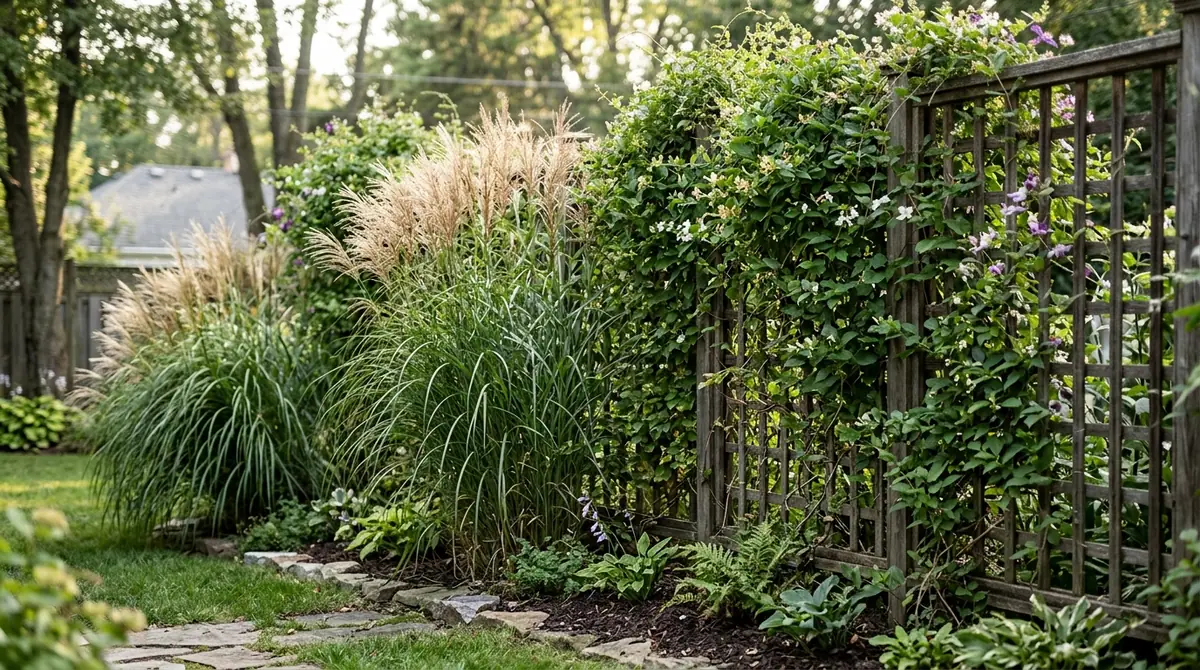
Blocking an unwanted view located just 15 feet away on a modest budget of $200 before hosting a family reunion in 30 days does not require expensive mature arborvitaes at $150 each. Instead, a combination of fast-germinating annual climbers, heavy-duty shade cloth, and strategic container placement solves a privacy crisis for less than the cost of a single dinner out using biological leverage, strategic plant selection, and an understanding of how light, space, and growth rates interact.
1. Botanical Overview & Natural Habitat
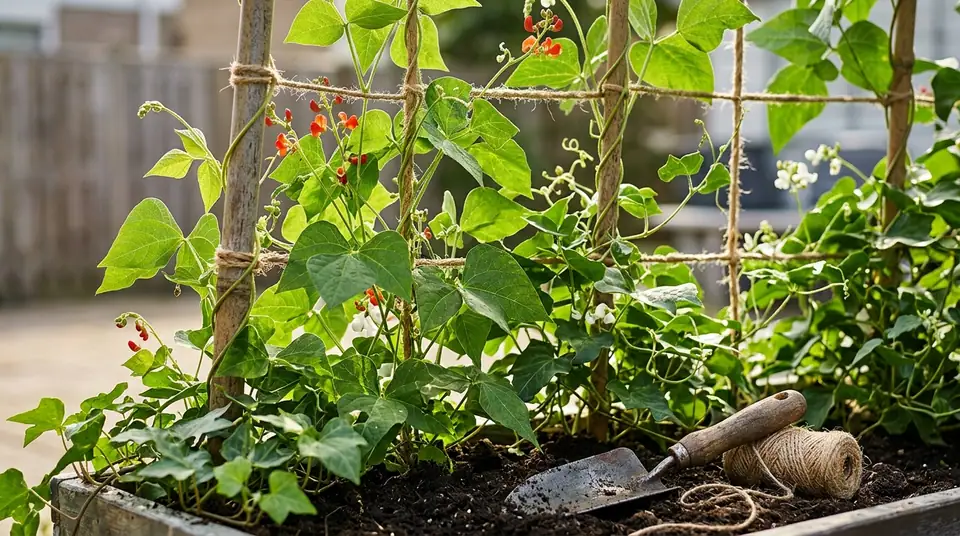
Species like Ipomoea purpurea (Common Morning Glory) and Phaseolus coccineus (Runner Bean) originate from tropical and subtropical regions where they scramble through forest edges and brush. Their evolutionary drive is to scale canopy heights as quickly as possible, utilizing specialized climbing structures such as twining stems and tendrils. By mimicking their native high-light, nutrient-rich forest edge environments, we can push these plants to achieve 10 feet (3.05 meters) to 15 feet (4.57 meters) of dense vegetative cover in a single 90-day growing season.
For perennial options that won't break the bank, we look to clumping ornamental grasses and fast-spreading shrubs. Phyllostachys and Fargesia bamboo species—though care must be taken with running types—evolved in mountainous Asian understories where they form dense, light-blocking thickets. Similarly, native North American shrubs like Physocarpus opulifolius (Ninebark) thrive in diverse soil conditions and produce multiple whip-like stems from the root crown, creating an impenetrable visual barrier without the high cost of grafted nursery stock.
| Parameter | Optimal Condition | Common Mistake | Why It Matters |
|---|---|---|---|
| Soil pH | 6.0 to 6.8 for most fast-growing privacy vines | Planting in heavy, compacted clay without organic amendments | Prevents root asphyxiation and allows rapid nutrient uptake for fast vertical growth. |
| Moisture | Consistent 1 inch (2.54 cm) of water weekly | Shallow, daily watering that wets only the top surface | Deep watering forces roots downward, anchoring tall, wind-resistant screens securely. |
| Sunlight | Full sun, minimum 6 to 8 hours daily | Placing sun-loving vines in dense shade | Reduces internode length, creating sparse foliage instead of a thick privacy wall. |
| Spacing | 12 inches (30.48 cm) apart for annual vines | Spacing plants 4 feet (1.22 meters) apart to save money | Overly wide spacing leaves gaping holes in your privacy screen all season long. |
2. Essential Environmental & Care Requirements
To achieve a dense, opaque view-blocker on a shoestring budget, you must optimize the environmental conditions of your chosen plants. Fast-growing annuals and budget-friendly perennials demand specific care to maximize their leaf area index (LAI)—the metric that determines how effectively a plant blocks light and vision.
Temperature plays a critical trigger role. Most budget privacy annuals, such as Lablab purpureus (Hyacinth Bean) and Tropaeolum majus (Nasturtium), require soil temperatures consistently above 60°F (15.5°C) to germinate and establish vigorous root systems. If you sow seeds into cold spring soil sitting at 45°F (7.2°C), germination stalls, giving weeds the upper hand and delaying your privacy screen by weeks.
Water management is equally vital. Because we are planting densely to achieve quick coverage—often packing three times the normal number of plants into a linear foot—competition for moisture is fierce. Provide a baseline of 1.5 inches (3.81 cm) of water per week, delivered directly to the root zone via soaker hoses. Overhead watering encourages fungal pathogens like powdery mildew, which can strip the lower foliage off your privacy plants, leaving you staring right back at your neighbor's yard through bare stems.
💡 Pro-Tip: When using inexpensive climbing vines for instant privacy, string vertical galvanized steel wire or heavy-duty jute twine from your fence line to an overhead anchor point every 8 inches (20.32 cm). This doubles your plant's climbing efficiency compared to relying on a standard chain-link fence, forcing the vines to weave a tighter, thicker curtain of green.
3. Step-by-Step Cultivation, Feeding & Propagation
Growing your own privacy screen from seed or propagating budget-friendly cuttings is the ultimate way to slash landscaping costs. Here is my field-tested protocol for establishing a 20-foot (6.1-meter) living privacy screen for under $30.
- Site Preparation and Trenching: Mark your privacy line 18 inches (45.72 cm) away from your property boundary. Dig a trench 12 inches (30.48 cm) wide and 10 inches (25.4 cm) deep. Mix excavated soil 1:1 with aged compost to ensure high biological activity and immediate drainage.
- Seed Scratinization (Pre-Treatment): Take large-seeded vines like Morning Glory or Moonflower and soak them in warm water (70°F to 85°F / 21.1°C to 29.4°C) for 24 hours. Gently nick the seed coat with a file to break dormancy and guarantee a 95% germination rate within 7 to 10 days.
- High-Density Direct Sowing: Plant your pre-soaked seeds directly into the trench, spacing them 6 inches (15.24 cm) apart and burying them at a depth equal to twice their diameter (typically 0.5 inches / 1.27 cm). Press the soil firmly to ensure seed-to-soil contact.
- Erecting Support Structures: Install T-posts every 8 feet (2.44 meters) along the trench. Stretch inexpensive concrete reinforcing wire (remesh) or heavy-duty plastic trellis netting tightly across the posts, securing them with zip ties starting 2 inches (5.08 cm) above the soil line.
- Initial Feeding and Mulching: Apply a balanced, slow-release organic granular fertilizer (such as a 5-5-5 NPK blend) at a rate of 2 pounds per 100 square feet (0.91 kg per 9.29 square meters). Cover the trench with 3 inches (7.62 cm) of shredded hardwood mulch to retain moisture and suppress weed competition.
- Pinching and Training: Once the seedlings reach 18 inches (45.72 cm) in height, pinch off the growing tips. This lateral pruning forces the plant to redirect auxins to side buds, doubling the number of vertical shoots and creating a denser privacy barrier from the ground up.
For further reading on selecting region-appropriate plants that establish quickly without invasive tendencies, consult the Missouri Botanical Garden Plant Finder.
⚠️ Important Caution: Never plant running bamboos (Phyllostachys species) directly into the ground without a professional-grade, high-density polyethylene root barrier installed at least 30 inches (76.2 cm) deep. A cheap bamboo purchase can easily turn into a $5,000 neighborhood property dispute when the rhizomes breach your neighbor's foundation.
4. Common Problems, Pests & Troubleshooting
When you force plants to grow densely and rapidly for privacy, they often encounter stress-related issues. Diagnosing these problems early prevents the collapse of your visual barrier.
- Issue: Rapid yellowing of lower leaves (Chlorosis).
- Cause: Nitrogen leaching due to frequent watering in sandy soils, or root compaction.
- Solution: Side-dress the base of the plants with a high-nitrogen organic amendment like blood meal at a rate of 1 cup per 10 linear feet (3.05 meters), then water it in thoroughly.
- Issue: Powdery mildew covering leaf surfaces in mid-summer.
- Cause: High humidity, stagnant air circulation, and overhead watering late in the day.
- Solution: Prune out the lowest 12 inches (30.48 cm) of foliage to increase airflow beneath the screen. Spray foliage with a mixture of 1 tablespoon of baking soda, 1 teaspoon of liquid dish soap, and 1 gallon (3.79 liters) of water applied at sunset.
- Issue: Stunted vine growth and curled, sticky leaves.
- Cause: Aphid or whitefly infestation feeding on the phloem sap of tender new shoots.
- Solution: Blast the pests off with a sharp stream of water from your garden hose in the morning, followed by an application of insecticidal soap directly to the undersides of the leaves.
5. Frequently Asked Questions
What is the absolute fastest growing plant to block a neighbor's view?
Common Morning Glory (Ipomoea purpurea) and Scarlet Runner Bean (Phaseolus coccineus) are the fastest options from seed, capable of growing up to 15 feet (4.57 meters) in 60 to 90 days. If you prefer a perennial woody shrub that grows rapidly, consider the hybrid shrub willow (Salix), which can add 6 feet (1.83 meters) of growth per year when planted in moist soil.
How can I block a second-story neighbor's window cheaply?
Ground-level plants will not block an upper-story window quickly. Instead, construct a simple DIY privacy screen using exterior-grade 4x4 posts, outdoor eye-hooks, and heavy-duty sail cloth or outdoor canvas suspended on galvanized cables. Alternatively, place tall, narrow potted evergreens (like Emerald Green Arborvitae) on an elevated deck platform to immediately raise their effective blocking height by 3 feet (0.91 meters) to 4 feet (1.22 meters).
Are fast-growing privacy vines going to damage my fence?
Lightweight herbaceous vines like morning glories, sweet peas, and black-eyed Susan vines will not structurally damage a sturdy wood or vinyl fence. However, woody perennial vines like Wisteria or Trumpet Vine possess strong, woody stems that can exert immense pressure, warp wooden slats, and lift shingles. Always match the structural weight of the vine to the strength of your supporting fence.
How do I block a neighbor's view without planting anything in the ground?
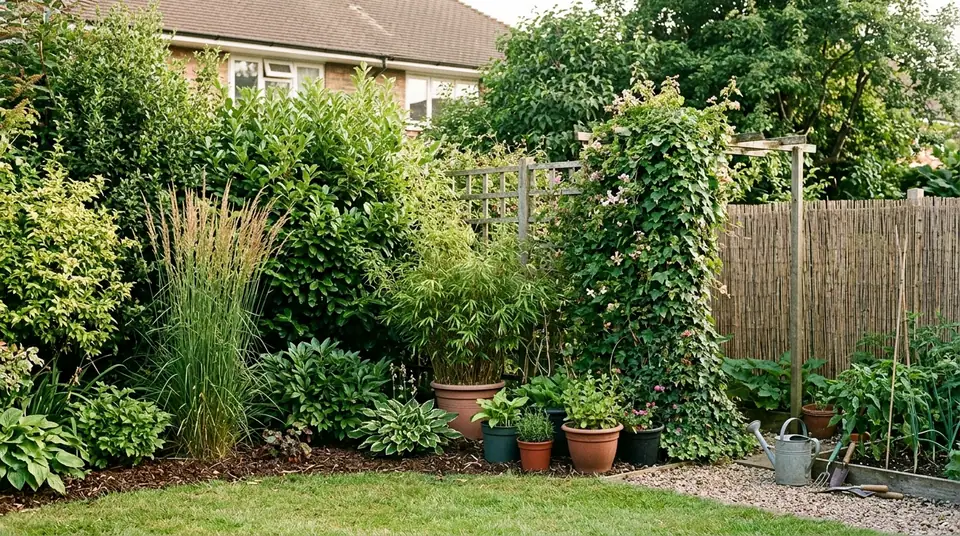
Utilize heavy-duty potted plants arranged in a row of large containers. Purchase large, 15-gallon (56.78-liter) nursery pots—which are significantly cheaper than decorative ceramic containers—and fill them with dwarf conifers, ornamental grasses like Calamagrostis (Feeder Reed Grass), or fast-growing clumping bamboos. Line these pots along your patio or deck edge to create an instant, movable privacy wall that requires zero digging.
Related Guides
- Cheap Diy Backyard Garden Layout Ideas on a Budget
- 5 Ways to Harvest Dill Without Killing the Plant
- 5 Simple Ways to Start Living a Permaculture Lifestyle
📋 Table of Contents ▼ Click to expand
Tags:
Keep reading
🌿 Related Plants You Might Like






PlantSavvyWorld
Editorial team
PlantSavvyWorld is an independent botanical education project. Articles are drafted with AI assistance, then edited and checked against university extension services, botanical garden collections and other published horticultural sources.